
The best solar permit design software tools in 2025 include Aurora Solar, PVsyst, Helioscope, PVComplete, OpenSolar, SolarEdge Designer, SketchUp with Skelion, and AutoCAD with solar templates. These platforms reduce permit design time from hours to minutes while ensuring code compliance and AHJ approval.
Top tools by category:
- Free options: OpenSolar (AI-powered design with CRM) and SolarEdge Designer (integrated ecosystem)
- Commercial/Utility-scale: Helioscope (bankable modeling) and PVComplete (CAD precision)
- Industry standard: PVsyst (financial institution-approved simulations)
- Residential leader: Aurora Solar (LIDAR-based remote assessment)
Solar permit design software accelerates project approvals by automating electrical calculations, generating NEC-compliant documentation, and producing structural analysis that satisfies Authority Having Jurisdiction requirements. Modern platforms reduce design timelines by 60-70% compared to manual methods, cutting soft costs and eliminating common rejection causes like calculation errors or incomplete documentation.
Key benefits of professional solar design software:
- Automated code compliance (NEC 2023, ASCE standards)
- Remote site assessment using LIDAR and HD satellite imagery
- Instant electrical calculations and wire sizing
- Professional engineering stamp-ready documentation
- Reduced AHJ rejection rates through accurate, complete plan sets
Choosing appropriate software depends on project scale (residential vs. commercial vs. utility), budget constraints (free platforms vs. enterprise solutions), required features (3D modeling, shade analysis, financial modeling), and integration needs with existing CRM or project management systems. This guide examines eight proven tools across different price points and use cases, detailing core capabilities, ideal applications, and key features for 2025.
Aurora Solar: Industry-Leading Remote Assessment Platform
Best suited for: Residential and commercial system design with automated site assessment capabilities
Aurora Solar maintains its position as an industry leader by delivering remote site assessments and comprehensive system layouts. The platform’s intelligent design features generate NEC-compliant plans without requiring physical site visits.
Key capabilities:
- LIDAR-based 3D modeling technology
- Real-time shade analysis tools
- Performance simulation features
- Integrated financial analysis modules
- Code-compliant electrical diagrams
PVsyst: Industry-Standard Simulation Software
Best suited for: Detailed performance modeling and bankable yield analysis for all project types
PVsyst stands as the globally recognized standard for photovoltaic system simulation and analysis. Developed by the University of Geneva, this software delivers precise energy yield calculations trusted by financial institutions and engineers worldwide.
Key capabilities:
- Advanced hourly simulation with comprehensive loss analysis
- Extensive component database with meteorological data integration
- 3D shading scene construction and near-field analysis
- Grid-connected, standalone, and hybrid system modeling
Helioscope: Commercial-Grade Energy Modeling Software
Best suited for: Commercial solar system design and energy modeling applications
Helioscope ranks highly among commercial solar designers due to its intuitive layout tools and precise performance modeling capabilities. The software delivers critical insights for optimizing large-scale photovoltaic systems.
Key capabilities:
- Drag-and-drop system layout interface
- Shading and tilt optimization tools
- Energy yield forecasting analytics
- Comprehensive project reports for permitting
Solar Permit Solutions
Skip the Permit Headaches
We design plan sets that pass inspection the first time. Code-compliant, PE-stamped, accepted by AHJs nationwide.
PVComplete: Precision CAD Engineering For Utility-Scale Projects
Best suited for: Utility-scale solar CAD design projects
PVCAD operates on the AutoCAD platform, providing precision engineering tools for mechanical and electrical solar system layouts. This solution excels in utility-scale projects that demand detailed bills of materials and structural analysis.
Key capabilities:
- AutoCAD-based solar design platform
- NEC 2023 code compliance updates
- Automatic wire sizing and BOM generation
- Tracker and fixed-tilt system configuration support
OpenSolar: Free Cloud-Based Design Platform
Best suited for: Complete solar workflow management without subscription costs
OpenSolar delivers a comprehensive, completely free platform combining AI-powered design, CRM functionality, and proposal generation. The software supports over 25,000 solar professionals across 160 countries without licensing fees.
Key capabilities:
- AI-assisted 3D modeling and automated roof detection
- Interactive web-based proposals with financing integration
- Built-in CRM and project management tools
- Global weather data and energy modeling
SolarEdge Designer: Free Web-Based Design Tool
Best suited for: Residential solar design with SolarEdge equipment integration
SolarEdge Designer provides free web-based design capabilities with seamless integration into the SolarEdge ecosystem. The platform features HD satellite imagery, AI-assisted roof detection, and automated electrical design calculations.
Key capabilities:
- AI-powered 3D modeling and automatic roof detection
- Automated stringing and electrical design optimization
- DNV-validated energy simulations and financial analysis
- Direct export to SolarEdge monitoring platform
SketchUp With Skelion: Advanced 3D Modeling Solution
Best suited for: Custom 3D solar modeling and shading analysis projects
SketchUp paired with the Skelion plugin enables designers to construct detailed three-dimensional models of solar arrays. This combination works exceptionally well for custom residential projects or installations on unique roof structures.
Key capabilities:
- Precise 3D roof layout tools
- Real-world shading simulation
- Customized module placement options
- Permit-ready report generation
AutoCAD With Solar Templates: Professional-Grade Custom Design
Best suited for: In-house design teams requiring detailed, customized plans
AutoCAD continues to serve as a robust solution for firms that need complete control over their permit drawings. Combined with current solar-specific templates, it effectively meets stringent AHJ requirements.
Key capabilities:
- Complete drafting flexibility
- Layered structural and electrical diagrams
- Template libraries with NEC 2023 updates
- Compatibility with PE/SE stamp requirements

Key Selection Criteria For Solar Design Software
Evaluating solar permit design software requires assessing multiple factors beyond basic functionality. The ideal platform aligns with business size, project complexity, and long-term scalability needs while delivering measurable ROI through time savings and approval success rates.
Project Scale and Complexity
Residential installers handling straightforward rooftop arrays have different requirements than commercial developers managing multi-megawatt ground-mount systems. Tools like Aurora Solar and SolarEdge Designer excel in residential applications with automated features and fast turnaround capabilities. Conversely, utility-scale projects demand the precision engineering and terrain analysis found in PVComplete and comprehensive simulation depth of PVsyst.
Budget and Cost Structure
Free platforms like OpenSolar eliminate upfront costs while providing robust design capabilities suitable for startups and small operations. Premium solutions justify their subscription fees through advanced features, superior accuracy, and enterprise-level support. Consider total cost of ownership including training time, integration expenses, and potential efficiency gains when evaluating pricing models.
Integration and Workflow Compatibility
Software effectiveness depends heavily on seamless integration with existing business systems. Evaluate compatibility with CRM platforms, proposal generation tools, project management software, and equipment manufacturer databases. Cloud-based solutions offer accessibility advantages for distributed teams, while desktop applications may provide enhanced performance for complex calculations and large file handling.
Accuracy and Validation Requirements
Financial institutions and commercial clients often require bankable energy production estimates validated by recognized third parties. PVsyst maintains industry-standard status for this purpose, while Helioscope offers DNV-validated simulations trusted by lenders. Residential projects may accept less rigorous validation, allowing flexibility in software selection based on AHJ-specific requirements rather than financing mandates.
Technical Support and Learning Resources
Software adoption success correlates directly with available training resources, documentation quality, and responsive technical support. Platforms offering comprehensive tutorials, active user communities, and dedicated support teams reduce implementation timelines and maximize feature utilization. Consider vendor reputation, update frequency, and long-term viability when committing to specific solutions.

Maximizing Solar Permit Design Success
Solar permit design tools in 2025 deliver unprecedented power and accessibility. From managing large EPC teams to operating as an independent installer, selecting the appropriate software accelerates delivery, enhances accuracy, and improves design quality.
The competitive advantage gained through professional design software extends beyond individual projects. Installers equipped with industry-standard tools demonstrate technical competence to customers, expedite utility interconnection processes, and reduce costly revision cycles that delay project completion. Software-generated documentation meets professional engineering standards, supporting PE stamp requirements and satisfying insurance underwriting criteria for commercial installations.
Modern design platforms also facilitate team collaboration and knowledge transfer within growing organizations. Cloud-based systems enable remote work, centralize project data, and maintain version control across multiple team members. This infrastructure supports business scaling without proportional increases in overhead costs or coordination complexity.
Implementing optimal tools provides:
- Faster approval timelines
- Reduced AHJ rejection rates
- Scalable design workflow systems
- Enhanced customer satisfaction levels
- Professional documentation standards
- Improved team collaboration capabilities
Conclusion
Selecting the right solar permit design software directly impacts project efficiency, approval timelines, and overall profitability in 2025. The eight tools outlined above represent proven solutions ranging from Aurora Solar’s LIDAR-powered remote assessments to PVsyst’s bankable simulations, with free options like OpenSolar and SolarEdge Designer eliminating cost barriers for emerging installers.
Success lies in matching software capabilities to specific project requirements and workflow needs. Whether prioritizing speed, accuracy, comprehensive functionality, or budget constraints, the right design tools accelerate permitting processes, reduce AHJ rejection rates, and strengthen competitive positioning through professional deliverables that meet stringent compliance standards.
Partner With Solar Permit Solutions For Expert Design Support
Solar Permit Solutions specializes in delivering professional solar permit services nationwide, including:
- Residential Solar Design with complete plan sets
- Commercial Solar Design for businesses and large installations
- Off-Grid System Design for independent energy solutions
- Professional Engineering Stamps and Certifications
- Comprehensive electrical diagrams, wire schedules, and load calculations
- Structural details for roof-mounted and ground-mounted systems
- Direct submission and coordination with local AHJs
- Fast turnaround times with competitive, transparent pricing
Contact our team today to streamline your solar permit approval process with expert design services available across all 50 states.
FAQs
Skip the Permit Headaches
We design plan sets that pass inspection the first time. Code-compliant, PE-stamped, accepted by AHJs nationwide.
Frequently Asked Questions
OpenSolar stands out as the most comprehensive free option for beginners, offering AI-powered design, CRM functionality, and proposal generation without subscription fees. SolarEdge Designer also provides excellent free capabilities, though it works best when using SolarEdge equipment. Both platforms feature intuitive interfaces and automated design tools that reduce the learning curve for new users.
Not necessarily. While premium tools like Aurora Solar and Helioscope offer advanced features, several options provide code-compliant outputs at various price points. The key factors are accurate system modeling, proper electrical calculations, and comprehensive documentation rather than software cost. Many installers successfully obtain permits using AutoCAD with solar templates or free platforms combined with engineering expertise.
Modern software with LIDAR technology and HD satellite imagery significantly reduces site visit requirements for straightforward residential projects. However, complex installations with unusual shading conditions, structural concerns, or challenging roof configurations still benefit from physical assessments. Most professionals use software for initial designs and remote assessments, reserving site visits for verification and complex scenarios.
Helioscope excels for commercial installations with its bankable performance modeling and fast layout capabilities. For utility-scale projects, PVComplete provides the precision CAD engineering and terrain analysis required for large ground-mount systems. PVsyst remains the gold standard for detailed energy yield simulations across all commercial project scales, particularly when financial institutions require validated performance estimates.
Evaluate software based on project scale, budget constraints, required features, and existing workflow integration. Consider whether you need remote assessment capabilities, the complexity of your typical projects, integration with specific equipment manufacturers, and team collaboration requirements. Many platforms offer free trials, allowing hands-on testing before committing. Start with one primary tool that matches your core business needs, then add specialized software as project complexity increases.

SPS Editorial Team
Solar Permit Solutions
Solar Permit Solutions provides professional solar permit design services for residential, commercial, and off-grid installations across all 50 states. Our team ensures permit-ready plan sets delivered fast.
Related Articles
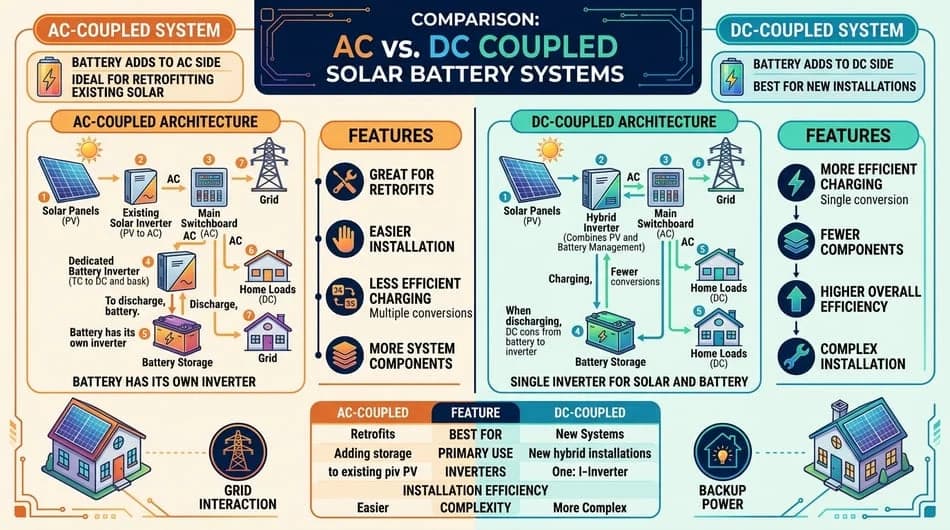
AC vs DC Coupled Solar Batteries: Which Should You Choose?
AC vs DC coupled solar batteries compared: efficiency, costs ($8K-$18K), and ins...
How Many Solar Panels Do I Need to Run Off the Grid?
Most off-grid homes need about 8 to 16 solar panels rated at 400 watts, dependin...
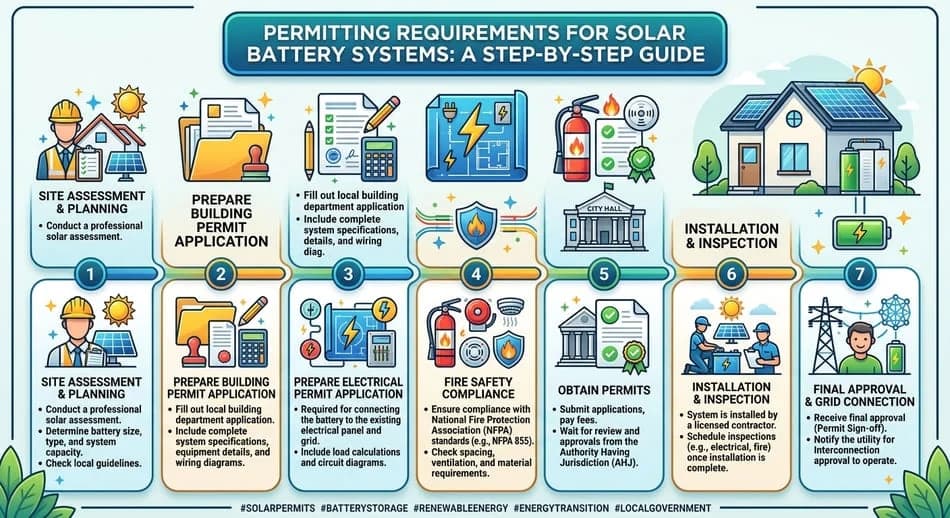
Solar Battery Permit Requirements: What You Need to Know
A solar battery usually needs local approval and a utility review before it can ...