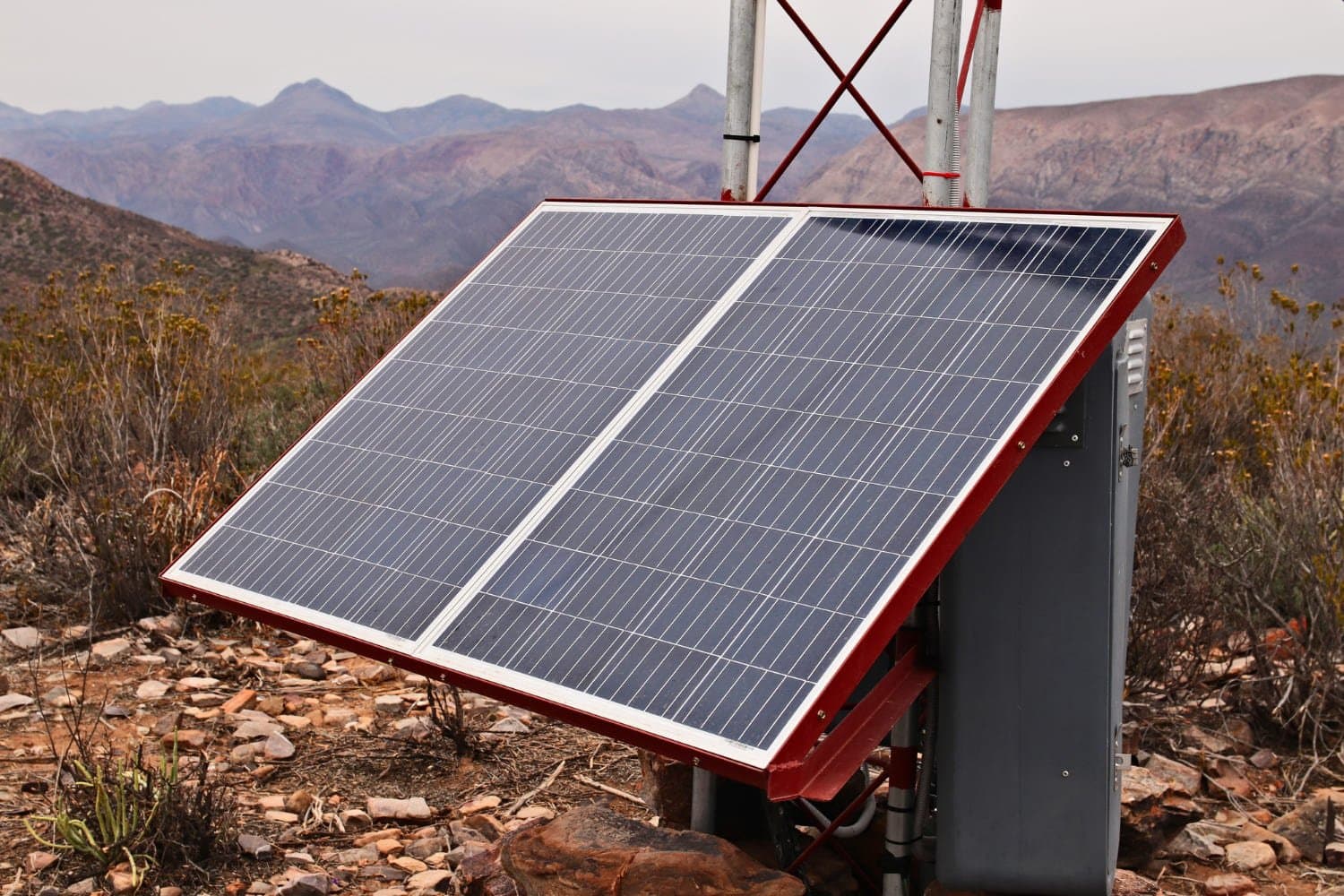
A complete photovoltaic (PV) system requires four critical components working together: solar panels for electricity generation, mounting structures to secure and position the array, inverters to convert DC power to usable AC electricity, and battery storage for energy availability during non-sunlight hours. Solar photovoltaic modules generate electricity but represent only one part of a functional system. To make generated electricity usable in residential or commercial applications, you need mounting structures (fixed rack systems or tracking mechanisms that follow the sun), inverters (either central units or microinverters for individual panels), and optionally battery storage for nighttime use and grid stability. Mounting structures must withstand decades of weather exposure while positioning panels at optimal angles, typically facing true south at an angle matching local latitude in the northern hemisphere, as recommended by renewable energy experts. Inverters convert direct current (DC) from panels into alternating current (AC) for home appliances and grid transmission, with smart inverters enabling two-way utility communication for demand balancing. Battery systems store excess solar energy for use when sunlight isn’t available, supporting both individual energy independence and utility-scale grid modernization. Alternative installation methods like building-integrated PV (BIPV) incorporate solar directly into roofing, windows, or façades, combining functionality with building materials. Understanding these interconnected technologies helps you design an efficient, long-lasting solar power system tailored to your specific energy needs and site conditions.

Mounting Structures
PV arrays require installation on stable, long-lasting structures capable of supporting the array while enduring wind, rain, hail, and corrosion for decades. These frameworks position the PV array at a fixed angle based on local latitude, structure orientation, and electrical load demands. To maximize annual energy production, modules in the northern hemisphere should face true south and be tilted at an angle matching the local latitude, utilizing solar radiation data for optimal positioning. Rack mounting stands as the most widely used approach due to its strength, adaptability, and straightforward construction and installation process. Developers continue advancing more sophisticated and cost-effective mounting solutions.
For ground-mounted PV arrays, tracking systems automatically adjust panels to follow the sun’s path across the sky, delivering increased energy production and better investment returns. One-axis trackers typically follow the sun’s movement from east to west. Two-axis trackers enable modules to maintain direct alignment with the sun throughout daylight hours. Tracking systems naturally involve higher initial investments, with sophisticated designs requiring greater expenses and ongoing maintenance. As technology advances, cost-benefit calculations increasingly support tracking systems for off-grid solar installations. Before installation, ensure you understand the solar permit requirements for your jurisdiction.

Building-Integrated PV
Though most solar modules utilize dedicated mounting frameworks, they can be incorporated directly into building components such as roofing materials, windows, or building façades. These installations are called building-integrated PV (BIPV). Integrating solar technology into buildings can enhance material and supply chain efficiency by eliminating redundant components and lower system costs by leveraging existing building infrastructure and support frameworks, aligning with global renewable energy trends. BIPV systems can supply power for direct current (DC) uses within buildings, including LED lighting, computers, sensors, and motors, while supporting grid-connected efficient building functions like electric vehicle charging. BIPV systems currently encounter technical and commercial challenges limiting widespread adoption, but their distinctive advantages position them as a compelling alternative to conventional mounting structures and building materials. When planning BIPV installations, review California solar permit regulations or requirements specific to your state to ensure compliance.
Inverters
Inverters convert the direct current (DC) electricity produced by solar photovoltaic modules into alternating current (AC) electricity, which powers local electricity transmission and most household appliances. PV systems incorporate either a single inverter that processes electricity from all modules or microinverters attached to individual panels. A central inverter typically costs less and allows for easier cooling and maintenance when required. Microinverters enable independent panel operation, proving beneficial when certain modules experience shading. Expect to replace inverters at least once during a PV array’s 25-year operational lifetime, and factor this into your solar design services.
Advanced inverters, called “smart inverters,” enable bidirectional communication between the inverter and electrical utility, following standards set by IEEE power and energy societies. This capability helps balance electricity supply and demand either automatically or through remote coordination with utility operators. Providing utilities with this visibility into (and potential management of) supply and demand enables cost reduction, grid stability assurance, and decreased power outage risk. Understanding solar equipment specifications is crucial when selecting inverters for your project.
Solar Permit Solutions
Need Solar Permit Plans?
Professional, permit-ready solar plan sets delivered fast. Residential and commercial projects across all 50 states.
Storage
Batteries enable solar photovoltaic energy storage, allowing us to power homes during nighttime or when weather conditions prevent sunlight from reaching PV panels. Beyond residential use, batteries serve an increasingly vital function for utilities, as highlighted by global energy organizations. As customers return solar energy to the grid, batteries store this power for later distribution back to customers. Expanding battery deployment will help modernize and stabilize the nation’s electrical grid, supporting energy efficiency goals. When designing systems with storage, consider common permitting mistakes to avoid project delays.
Conclusion
Understanding the complete photovoltaic system ecosystem empowers you to make informed decisions about solar installation. While solar panels capture attention as the visible face of renewable energy, the supporting technologies, mounting structures, inverters, and storage systems, work together to transform sunlight into reliable, usable power. Whether you choose traditional rack mounting or explore building-integrated solutions, selecting the right combination of components ensures optimal energy production and long-term system performance, backed by environmental best practices. As technology advances and costs continue declining, investing in a well-designed PV system with quality components positions you to maximize energy independence, reduce utility costs, and contribute to a sustainable energy future. Take action now by consulting with qualified installers to assess which system configuration best matches your energy needs and site conditions. For comprehensive guidance, explore our solar blog resources and learn how to streamline your permit processing.
FAQs
What’s the difference between one-axis and two-axis tracking systems, and which should I choose?
One-axis trackers follow the sun’s movement from east to west throughout the day, increasing energy production by 25-35% compared to fixed systems. Two-axis trackers add vertical adjustment, maintaining optimal alignment with the sun’s seasonal elevation changes, boosting production by 35-45%. Choose one-axis tracking for cost-effective ground-mounted installations where moderate production increases justify the investment. Opt for two-axis tracking when maximizing energy output is critical and your budget accommodates the higher upfront and maintenance costs. Fixed mounting remains ideal for rooftop installations where tracking mechanisms aren’t practical. Review nationwide permit requirements before selecting your system type.
Need Solar Permit Plans?
Professional, permit-ready solar plan sets delivered fast. Residential and commercial projects across all 50 states.
Frequently Asked Questions
Solar photovoltaic modules generally last 25-30 years or longer with minimal performance degradation. Mounting structures, when properly installed with corrosion-resistant materials, can last as long as the panels themselves. Inverters have shorter lifespans and typically need replacement at least once during the system's lifetime, usually after 10-15 years. Battery storage systems vary by technology, with most modern lithium-ion batteries lasting 10-15 years before requiring replacement. Regular maintenance helps extend the operational life of all system components, as recommended by solar energy professionals.
One-axis trackers follow the sun's movement from east to west throughout the day, increasing energy production by 25-35% compared to fixed systems. Two-axis trackers add vertical adjustment, maintaining optimal alignment with the sun's seasonal elevation changes, boosting production by 35-45%. Choose one-axis tracking for cost-effective ground-mounted installations where moderate production increases justify the investment. Opt for two-axis tracking when maximizing energy output is critical and your budget accommodates the higher upfront and maintenance costs. Fixed mounting remains ideal for rooftop installations where tracking mechanisms aren't practical. Review nationwide permit requirements before selecting your system type.
Choose a central inverter if your installation has minimal shading, all panels face the same direction, and you want lower initial costs with easier maintenance access. Select microinverters when your roof has multiple orientations, experiences partial shading throughout the day, or when you want module-level monitoring and the ability to expand your system gradually. Microinverters cost more upfront but eliminate single-point-of-failure risks since one malfunctioning unit doesn't shut down your entire system. Evaluate your specific site conditions, budget, and long-term expansion plans before deciding. Utilize SolSmart resources for additional guidance on equipment selection.
BIPV becomes practical when you're constructing a new building or planning major renovations involving roof replacement, window installation, or façade updates. This approach works best when aesthetic integration matters, you want to eliminate redundant building materials, or your project requires innovative architectural features. BIPV currently costs more than traditional rack-mounted systems and offers fewer product options, but it provides dual functionality as both building material and power generator. Consult with architects and BIPV specialists to determine if your project timeline, budget, and design goals align with current BIPV capabilities. Understanding Texas solar permit processes or regulations in your state is essential for BIPV projects.
Battery storage becomes essential if you want backup power during grid outages, need to maximize self-consumption in areas with time-of-use rates, or live off-grid. You don't need batteries if you have reliable net metering, grid power meets your backup needs, and upfront costs are a concern. To size your battery system correctly, calculate your essential daily energy consumption, determine how many days of backup power you need, and consider your PV system's daily production. Most residential systems install 10-20 kWh of storage capacity, while commercial installations require detailed load analysis. Work with experienced solar professionals who can model your consumption patterns and recommend appropriate battery capacity while ensuring proper project approval.

SPS Editorial Team
Solar Permit Solutions
Solar Permit Solutions provides professional solar permit design services for residential, commercial, and off-grid installations across all 50 states. Our team ensures permit-ready plan sets delivered fast.
Related Articles
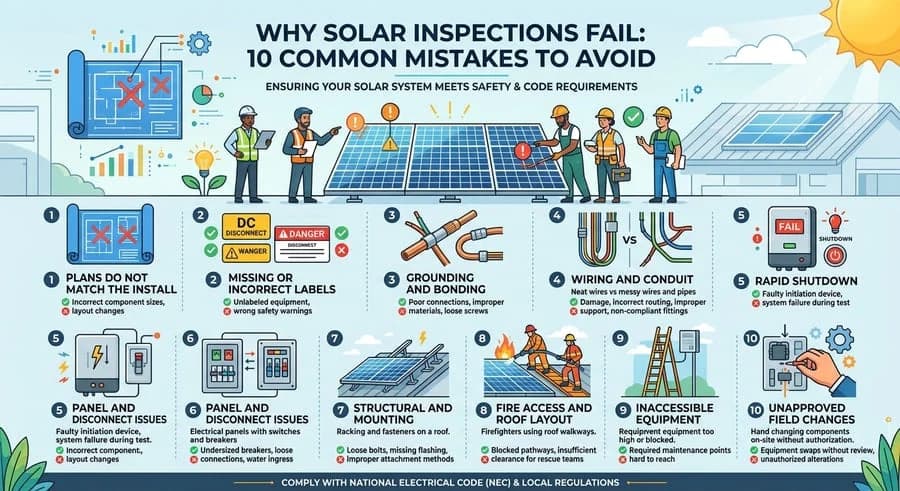
Why Solar Inspections Fail: 10 Common Mistakes to Avoid
Discover the 9 critical reasons solar inspections fail and how to avoid costly m...
Solar Grounding And Bonding: How To Pass Inspection Every Time
Learn how to pass solar grounding and bonding inspections every time. Avoid comm...
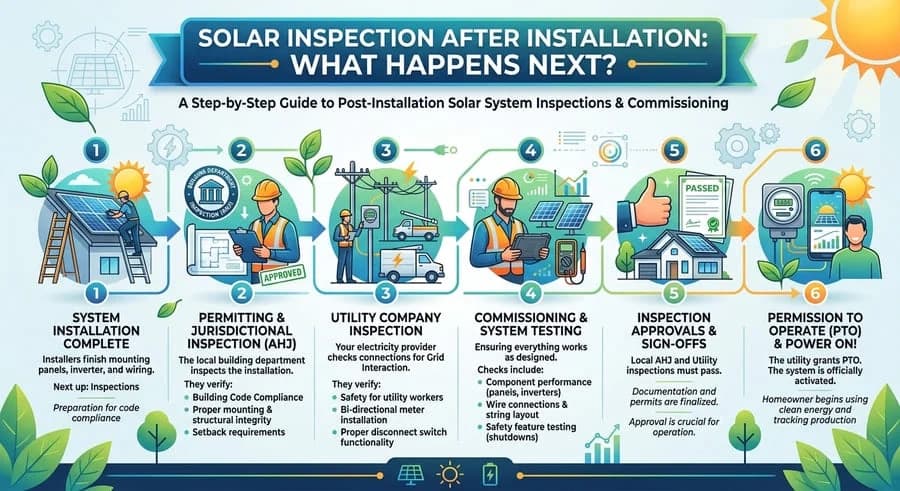
Solar Inspection After Installation: What Happens Next?
Learn how to pass your solar inspection by following essential tips for obtainin...