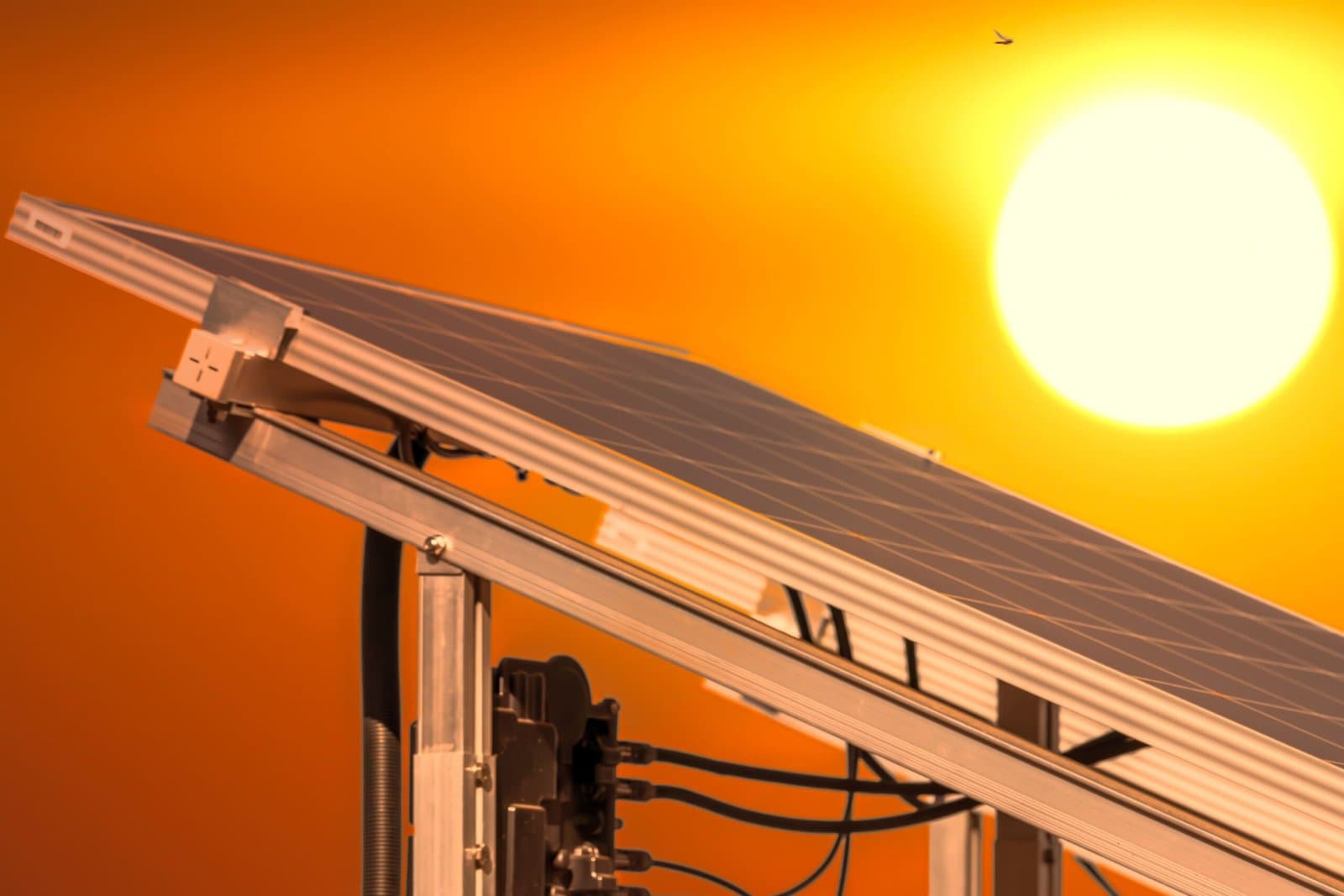
What is solar panel layout design? Solar panel layout design is the strategic process of positioning photovoltaic modules to maximize electricity generation by optimizing orientation (azimuth), tilt angle, spacing, and shading analysis based on your property’s geographic location, roof characteristics, and energy consumption needs.
Key factors in solar panel layout include: panel orientation (south-facing in Northern Hemisphere), tilt angle (typically matching your latitude), row spacing to prevent self-shading, airflow for cooling efficiency, shading analysis using satellite imagery, and choosing between rooftop versus ground-mount installations based on available space and energy requirements.
Why does solar panel layout matter? A properly designed solar layout can increase energy production by 20-40% compared to poorly planned installations. Even partial shading can reduce panel output by over 30%, making professional layout design essential for maximizing ROI, reducing payback periods, and achieving optimal system performance over 25+ year lifespans.
Making the switch to solar energy represents a significant commitment to your financial future and environmental responsibility. However, many property owners, agricultural operators, and installation professionals discover their solar arrays underperform expectations, often because the initial layout wasn’t properly optimized.
Whether you’re developing or overseeing a solar installation, residential, agricultural, or commercial, this comprehensive resource will guide you through the critical process of solar panel layout design, including shading analysis, system sizing, understanding permit requirements, and how Solar Permit Solutions enhance both energy output and financial performance.
Essential Points to Remember
- Panel arrangement directly determines your system’s electricity generation capacity
- Master the differences between rooftop and ground-based installations, shadow analysis, radiation patterns, and storage configurations
- Professional permit services streamline design decisions with accuracy and efficiency

Foundation Principles: Why Solar Layout Design Drives Performance
Consider attempting agricultural cultivation without analyzing sunlight patterns across your land. Similar oversights occur with solar installations lacking proper design planning.
Layout design extends beyond simple panel positioning. It creates the framework dictating energy production capacity, operational reliability, and investment recovery timeframe, factors increasingly recognized by renewable energy technical committees worldwide.
Comprehensive layout planning encompasses:
- Module orientation and angle optimization
- Shadow pattern evaluation using aerial imagery and laser scanning
- Solar radiation intensity mapping
- DC to AC power conversion strategy
- System capacity calculations and inverter positioning
- Rooftop versus ground-mount suitability assessment
- Battery integration and storage design
- Financial projections and utility expense reduction modeling
This process integrates all project specifications, equipment selections, and installation parameters into a cohesive, high-efficiency system.
Utilizing professional services, installers can develop layouts incorporating all critical variables through comprehensive site analysis, radiation data, and structural measurements. The outcome? Intelligent arrangements delivering superior results.

Evaluate Your Installation Location: Rooftop vs. Ground Mount
Prior to installing your first module, determine the optimal system placement for peak performance.
1. Rooftop Solar Arrays
Roof-mounted systems work best for:
- Residential properties
- Small-to-medium commercial facilities
- Sites with restricted available land
Critical factors for residential solar design:
- Available roof surface (dimensions, configuration, slope)
- Directional facing and roof pitch
- Shadow interference from vegetation or adjacent structures
- Regional building materials and permitting requirements
Rooftop arrays offer convenience but demand thorough shadow evaluation to prevent substantial performance degradation.
2. Ground-Mounted Solar Arrays
For properties with available open space, agricultural land, or large commercial applications, ground-based systems provide installation flexibility and enhanced positioning options:
- Superior control over tilt and directional orientation
- Increased spacing between module rows (improving panel cooling and performance)
- Compatible with agricultural integration (agrivoltaic applications)
Ground-based panels typically achieve higher energy generation due to customizable layout configurations and minimized shading obstacles. According to the U.S. Department of Energy’s Solar Energy Technologies Office, though ground systems provide positioning flexibility and optimal solar access, they necessitate additional permitting, mounting infrastructure, and expanded land requirements.
For commercial solar design projects, understanding these tradeoffs becomes essential for project planning.

Solar Radiation and Shadow Analysis: Interpreting Your Sunlight Profile
Every ray of sunlight counts when converting solar energy into usable electricity. Solar radiation quality varies significantly.
The solar energy quantity your location receives, known as irradiance, fluctuates based on geographic position, seasonal changes, and daily timing.
Shadow interference, even minimal coverage, can dramatically reduce system output. A single shaded module can diminish the entire string’s performance. This makes shadow analysis absolutely essential, particularly during the solar permitting process.
Deploy evaluation methods including:
- Aerial satellite imagery
- LIDAR terrain scanning
- Meteorological databases
- Real-time solar design platforms
This information enables irradiance calculation, identifies underperforming zones, and facilitates system design with optimal exposure.
Expert Insight: Numerous underperforming installations trace back to skipping this critical step. Even minimal shading can reduce a module’s output by over 30%!
Solar Permit Solutions
Need Solar Permit Plans?
Professional, permit-ready solar plan sets delivered fast. Residential and commercial projects across all 50 states.
Strategic Layout Design: Module Positioning for Maximum Efficiency
Visualize solar panels as beachgoers seeking ideal positioning, they require precise angle, spacing, and placement to absorb sunlight most effectively.
However, this transcends mere exposure; it demands engineering a layout harmonizing with your location, property characteristics, and energy objectives.
Whether implementing rooftop or ground-based systems, well-planned arrangement significantly influences total energy production and investment returns.
Consider these optimization factors for peak solar panel layout efficiency:
1. Azimuth: Directional Compass Alignment for Your Modules
Azimuth represents the compass bearing your panels face. Throughout the Northern Hemisphere, true south orientation typically maximizes direct sunlight exposure daily. However, variations depend on:
- Roof directional constraints: East-west facing roofs may require splitting the system across multiple surfaces
- Energy consumption timing: Afternoon usage peaks might benefit from slightly western-facing orientation for enhanced practical savings
- Shadow obstacles: Even perfect south-facing roofs may underperform with nearby trees or building shadow interference
Understanding these nuances helps avoid common mistakes when applying for solar permits during the design phase.
2. Tilt Angle: Synchronizing with Solar Path
Tilt angle measures the degree between panel surface and horizontal plane. Correct angle adjustment ensures modules remain perpendicular to solar rays throughout most daylight hours, maximizing energy capture.
- General guideline: Optimal tilt typically matches your geographic latitude. Living at 30° latitude suggests a 30° tilt as an effective baseline
- Seasonal modifications: Systems in variable or snowy climates may employ adjustable tilts, steeper angles in winter for snow shedding, flatter summer angles for high sun capture
- Flat surfaces: Tilted mounting frameworks create ideal angles while preventing water accumulation
For detailed engineering specifications on solar panel tilt and structural load considerations, proper calculations ensure both performance and structural integrity.
3. Row Spacing for Ground-Based Systems: Eliminating Self-Shadowing
Ground-mounted solar installations aren’t constrained by roof geometry, providing enhanced control. However, inter-row spacing proves critical.
- Spacing importance: As solar position shifts throughout the day, front rows can shadow rear rows, particularly during winter when solar elevation decreases
- Design recommendation: Generally, maintain sufficient spacing preventing front row shadows on subsequent rows during peak sunlight periods. Professional design tools calculate optimal row separation based on coordinates and system elevation
This becomes especially important for off-grid solar system design where maximizing every watt matters.
4. Air Circulation: The Overlooked Performance Factor
Many don’t realize solar panels lose efficiency as temperatures rise. Air circulation represents a critical yet frequently neglected design element.
- Cooling benefit: Elevating panels slightly above roof or ground surfaces allows air circulation beneath them, providing natural cooling
- Performance enhancement: Adequate airflow can boost efficiency by up to 10% in elevated temperature climates
Simply stated: It’s About Performance Engineering, Not Just Placement
Layout optimization means more than “arranging panels where they fit.” It requires informed decision-making using design resources, solar radiation information, and physical site assessment to maximize generation, minimize energy losses, and extend system lifespan.
Through professional permit design services, you can evaluate multiple layout configurations using actual site data, factoring in azimuth, tilt, row spacing, and shading, to identify the configuration delivering most consistent electricity during optimal sun exposure periods. The Solar Energy Industries Association provides additional resources on industry best practices.
System Sizing, Storage, and Inverters: Aligning Capacity with Actual Requirements
Excessive system sizing doesn’t guarantee improved performance, while insufficient sizing creates missed opportunities.
Each property maintains unique energy requirements. Solar systems should be dimensioned based on:
- Monthly electrical consumption
- Utility expense structure
- Future requirements (such as electric vehicles or property expansion)
Consider:
- System capacity (quantified in kilowatts)
- DC electricity production from your panel array
- Conversion efficiency to usable AC electricity for property or business use
Battery storage enhances resilience, particularly for locations experiencing grid reliability issues. Appropriate battery capacity depends on your objectives: backup power capability, self-consumption optimization, or complete off-grid operation.
Equipment quality significantly matters. Quality modules, dependable inverters, and properly integrated storage systems guarantee performance and durability. Understanding essential solar permit equipment specifications ensures compliance and optimal performance.
Working with professional permit design services, you can input your geographic location, structure characteristics, and consumption profile to determine ideal system dimensions and evaluate designs, plus project your savings before delivery of your first panel.

Financial Evaluation: Looking Beyond Installation Expenses
Many inquire, “What’s the cost of solar panels?” The better question becomes:
“What savings and earnings will this system generate over its lifetime?”
Before installation commences, comprehensive planning is necessary.
Cost Elements:
- Panel modules
- Inverter equipment
- Mounting hardware
- Labor and installation services
- Battery storage (when applicable)
Through proper financial evaluation, you can:
- Calculate your ROI and payback timeline
- Incorporate government incentives, rebates, and net metering policies
- Account for operational expenses, maintenance requirements, and replacement schedules
- Execute data-informed decisions regarding equipment selection
Incentives including solar tax credits, net metering programs, or regional subsidies can substantially reduce your solar investment. The International Energy Agency’s 2024 renewables outlook tracks global trends in solar economics and policy developments.
Always verify your qualification before initiating the project. Professional cost-benefit analysis can model various layouts and components providing realistic financial insights based on your specific location and utility provider.
Permits, Inspections, and Project Preparation
Every solar installation, regardless of scale, must comply with local regulatory requirements.
This encompasses:
- Required permits
- Utility interconnection agreements
- Structural integrity assessments
- Fire code compliance standards
- Inspection scheduling
Understanding whether solar permits are necessary in the U.S. prevents costly delays and legal complications. Requirements vary significantly by state, for example, solar permits in Texas differ from California’s solar permit regulations.
Managing documentation can overwhelm large or multi-location projects. Professional permit services and project coordination tools can optimize your approval workflow and maintain timeline adherence. The EPA’s green power market guidance provide additional resources on renewable energy project development.
Many property owners wonder what happens if you install a solar panel without a permit, the consequences can include fines, system removal requirements, and voided warranties.
Performance Monitoring: Maintaining Efficiency Post-Installation
Following installation, your system must track operational data and identify issues.
Quality solar installations include:
- Monitoring software platforms
- Performance dashboards tracking energy generation
- Fault alerts for shading or equipment problems
- Historical data comparisons for seasonal variations
- Smart application or mobile device compatibility
Continuous monitoring optimizes performance, extends system longevity, and maximizes your savings, particularly when weather conditions or usage patterns fluctuate. Organizations like the American Solar Energy Society provide ongoing education on system maintenance and performance optimization.
How Solar Permit Solutions Supports Success: Professional Services Simplifying Design and Enhancing Results
Solar Permit Solutions represents more than permit documentation; it’s your professional partner navigating every solar power project phase, from site assessment through system installation.
Whether you’re an installer, property owner planning a rooftop system, or business evaluating large-scale ground installations, Solar Permit Solutions provides the expertise to make informed, efficient, and confident decisions.
Here’s how professional permit services transform complex solar design into a streamlined, insight-focused process:
1. Comprehensive Permit Documentation for Accelerated Approval
One significant bottleneck in solar projects involves paperwork management. Solar Permit Solutions simplifies this critical phase.
- Automatically prepares permit-ready documentation complying with local regulations
- Includes precise system sizing, component specifications (including inverter, battery, etc.), and layout visuals for smoother regulatory approval
- Reduces administrative back-and-forth with local authorities, saving time, expenses, and frustration during installation
SolSmart’s solar resources complement these services by providing municipalities with solar-ready designation guidance.
2. Complete Permit Packages Including Essential Elements
Solar Permit Solutions delivers comprehensive permit packages containing:
- Detailed site plans and plot layouts
- Complete electrical diagrams and three-line drawings
- Required forms and documentation
- Equipment specification sheets
- Compliance verification with city, county, and state requirements
3. Expert Preparation Process
Begin by supplying essential details about your solar installation project, including property information and system specifications. Following initial project details submission, you’ll receive a customized cost estimate outlining service expenses based on project size and complexity. Solar Permit Solutions maintains competitive and transparent pricing.
Their expert team commences preparing your permit application, managing the complete preparation workflow so you can focus on other project aspects.
4. Designed for Everyone, From Property Owners to Solar Professionals
- Property owners can understand permit requirements, estimate approval timelines, and comprehend key factors like regulatory compliance and documentation needs
- Installers and designers utilize Solar Permit Solutions to secure approvals, impress clients with professional documentation, and minimize administrative errors
- Commercial and agricultural operations can navigate ground-mount system permits at scale, addressing regulatory demands, compliance standards, and approval requirements
Solar Permit Solutions connects technical expertise with practical accessibility, making high-performance solar installations more achievable, efficient, and aligned with your specific project specifications.
By delivering accurate permit documentation, regulatory compliance, and professional support in one comprehensive service, Solar Permit Solutions empowers you to confidently and efficiently advance your solar investment. The United Nations Environment Programme’s energy initiatives recognize such streamlined processes as critical for accelerating renewable energy adoption globally.
Conclusion
Designing a solar power system resembles custom tailoring: It must precisely match your energy requirements, available space, lifestyle preferences, and financial parameters.
From concept to completion, from utility bill reduction to energy independence, solar success begins with intelligent layout planning, precise calculations, and professional expertise.
Whether you’re a solar company, installation professional, or property owner seeking informed decision-making before contract signing, understanding solar design fundamentals can distinguish between an average system and a genuinely efficient, high-performance energy generator.
According to REN21’s Global Status Report on renewables, proper system design remains one of the most critical factors in achieving projected solar performance targets.
About Solar Permit Solutions
Solar Permit Solutions goes beyond basic permit services. They deliver comprehensive support from regulatory compliance analysis to permit documentation preparation. Clients appreciate their services not just for securing approvals efficiently, but for presenting clear and dependable plans to clients, inspectors, and financial stakeholders.
Ready to determine how your roof or property could generate clean energy? Start by evaluating your space or reach out to our team for expert guidance.
For more insights on solar installation best practices, explore our comprehensive blog.
FAQs
Need Solar Permit Plans?
Professional, permit-ready solar plan sets delivered fast. Residential and commercial projects across all 50 states.
Frequently Asked Questions
Professional permit services utilize comprehensive site analysis and regulatory expertise to deliver accurate documentation meeting local requirements, often exceeding self-prepared submissions in approval rates and timeline efficiency.
Yes, professional consultations evaluate both options based on available space, directional orientation, and project costs, guiding you toward the most efficient and cost-effective selection.
Panel quantity should align with your energy consumption, available space, and utility rates; professional permit design services utilize these factors to calculate optimal system capacity.
A comprehensive permit package includes detailed site plans, electrical diagrams, three-line drawings, equipment specification sheets, structural calculations, compliance forms, and all necessary documentation required by your local jurisdiction for smooth approval processing.
While approval timelines vary by jurisdiction, professional permit preparation significantly reduces processing time by ensuring complete, accurate documentation on first submission, eliminating common delays caused by incomplete applications or errors that require resubmission and additional review cycles.

SPS Editorial Team
Solar Permit Solutions
Solar Permit Solutions provides professional solar permit design services for residential, commercial, and off-grid installations across all 50 states. Our team ensures permit-ready plan sets delivered fast.
Related Articles
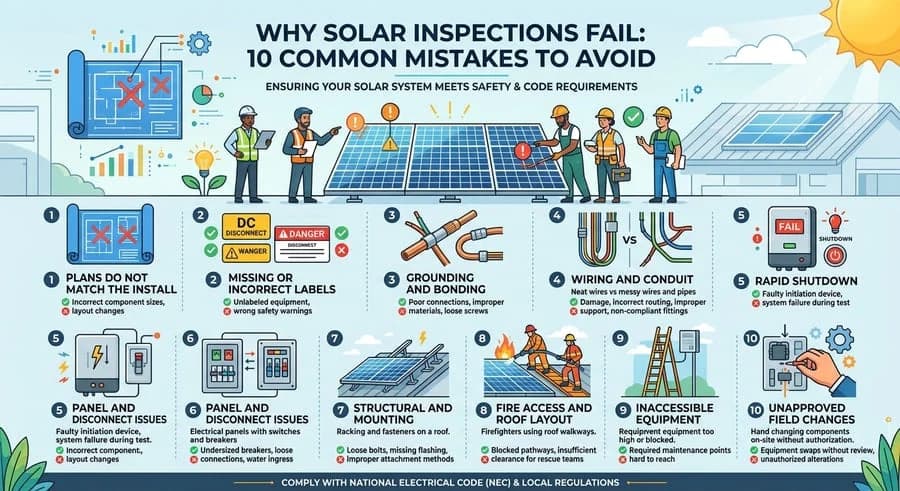
Why Solar Inspections Fail: 10 Common Mistakes to Avoid
Discover the 9 critical reasons solar inspections fail and how to avoid costly m...
Solar Grounding And Bonding: How To Pass Inspection Every Time
Learn how to pass solar grounding and bonding inspections every time. Avoid comm...
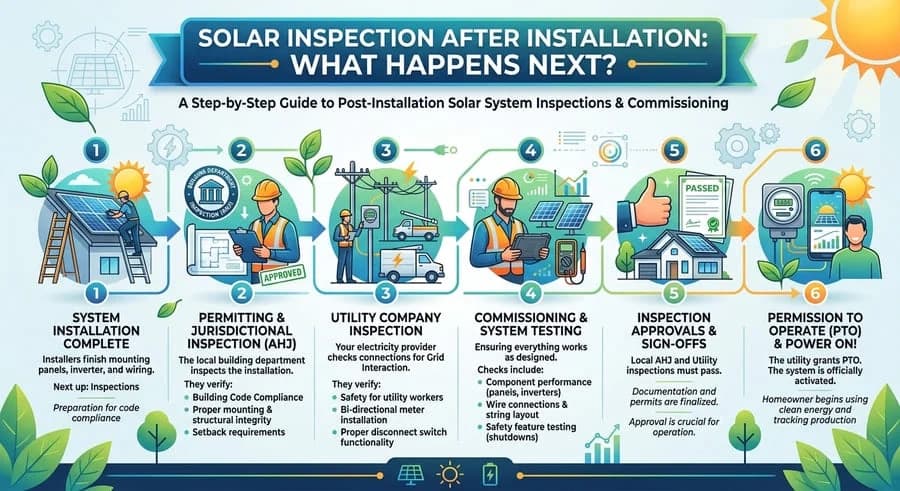
Solar Inspection After Installation: What Happens Next?
Learn how to pass your solar inspection by following essential tips for obtainin...