
Commercial solar projects require two essential engineering stamps: PE (Professional Engineer) stamps and SE (Structural Engineer) stamps. PE stamps verify that electrical designs comply with National Electrical Code (NEC) standards and utility interconnection requirements, while SE stamps confirm that building structures can safely support solar equipment loads, wind forces, and seismic activity.
Both engineering stamps are mandatory for commercial solar installations across most jurisdictions in the United States. Building departments require PE stamps to approve electrical system designs for commercial solar arrays, battery storage systems, and grid interconnection plans. SE stamps prove necessary for verifying structural capacity on commercial rooftops, ground-mounted systems, solar carports, and parking canopy structures.
Commercial solar projects typically range from 100kW systems on small business rooftops to multi-megawatt installations on industrial facilities and commercial campuses. The larger scale and complexity of commercial installations demand professional engineering review that residential projects may not require. Understanding which stamps apply to specific project types is crucial. It helps developers avoid permit rejections, utility interconnection delays, and costly engineering redesigns—all of which can severely impact project timelines and financial returns.
Understanding Professional Engineer Certification For Commercial Solar
PE represents Professional Engineer certification. A PE stamp verifies that a licensed electrical engineer has reviewed the commercial solar system’s electrical design and confirmed compliance with National Electrical Code (NEC) standards, utility interconnection requirements, and safety protocols.
PE Stamp Requirements For Commercial Installations
Commercial solar installations universally require PE stamps due to system complexity and scale:
Large-scale rooftop arrays exceeding 100kW demand detailed electrical engineering analysis. Multi-building campus installations require comprehensive electrical load studies and utility coordination.
Commercial battery storage systems integrated with solar arrays need specialized electrical design verification. Three-phase commercial power systems require professional engineering review for proper load balancing and transformer sizing.
Professional Engineers confirm that commercial electrical designs:
- Meet NEC 2023 standards for commercial installations
- Comply with utility-specific interconnection requirements
- Include proper overcurrent protection and grounding systems
- Address commercial building electrical capacity and panel upgrades
Structural Engineer Certification Essentials For Commercial Buildings
SE designates Structural Engineer certification. An SE stamp demonstrates that a licensed structural engineer has evaluated whether the commercial building structure can support the solar installation’s weight, wind loads, and seismic forces specific to commercial applications.

Solar Permit Solutions
Commercial Solar Design Services
Professional permit plan sets for commercial installations. PE-stamped, code-compliant, fast delivery.
Commercial Applications Requiring Structural Engineering Review
Commercial solar projects almost always require SE stamps due to building complexity and liability concerns:
Flat commercial roofs with TPO, EPDM, or built-up roofing systems need structural load verification. Ballasted racking systems common in commercial installations require detailed weight distribution analysis.
Commercial solar carports and parking canopy structures demand comprehensive structural engineering for large-span designs. Older commercial buildings require structural capacity assessments before adding solar equipment.
Structural Engineers verify that commercial installations:
- Withstand higher wind loads based on building height and exposure category
- Account for snow loads on commercial flat roof designs
- Meet seismic design requirements per ASCE 7 standards
- Ensure existing structure handles additional dead loads from solar equipment
- Comply with commercial building codes and fire safety requirements
PE And SE Stamping Requirements For Commercial Solar Projects
All commercial solar applications require both PE and SE stamps:
Commercial rooftop installations (flat and pitched roofs), ground-mounted arrays, solar carports, parking canopies, battery energy storage systems, and industrial facility solar all mandate both electrical and structural engineering certification.
Important: Commercial projects face stricter AHJ oversight than residential installations. Building departments require both PE and SE stamps for commercial solar permits across most jurisdictions nationwide.
Critical Impact Of Engineering Certification On Commercial Projects
Risks Of Non-Compliance
Failing to secure proper PE and SE stamps derails commercial solar projects:
- Permit rejections delay project timelines and financing deadlines
- Non-compliance with commercial building codes risks business operations
- Costly engineering redesigns impact project economics and ROI
- Liability exposure increases without proper professional engineer oversight
- Utility interconnection agreements require stamped electrical designs
Benefits Of Proper Certification
Properly stamped commercial engineering plans deliver critical advantages:
- Faster permit approvals through multiple AHJ jurisdictions
- Verified structural safety protects building occupants and assets
- Enhanced credibility with building inspectors, fire marshals, and utility engineers
- Reduced liability for building owners and solar developers
- Compliance with commercial insurance requirements
Commercial Building Code Considerations
Commercial solar projects must address additional engineering requirements beyond residential standards:
Title 24 compliance for commercial buildings in applicable states requires specific engineering documentation. Fire setback requirements on commercial roofs mandate structural engineering for access pathways.
Commercial electrical systems operating at 480V or higher need specialized PE review. Multiple AHJ coordination for large commercial campuses requires comprehensive engineering packages.
Securing Commercial Solar Engineering Support
Understanding PE and SE stamping requirements remains essential for commercial solar project success. Both engineering stamps prove mandatory for meeting commercial building codes, utility standards, and AHJ approval processes.
Solar Permit Solutions provides specialized PE and SE stamping services for commercial solar projects nationwide, delivering fast turnaround times for large-scale installations while ensuring full compliance with commercial building codes and utility interconnection standards.
Need PE or SE stamps for your next commercial solar project? Contact Solar Permit Solutions today for a free consultation and discover how our fast turnaround times can keep your project on schedule and compliant.
Conclusion
Commercial solar engineering stamps represent non-negotiable requirements for successful project completion and regulatory compliance. PE stamps ensure electrical systems meet safety standards and utility interconnection requirements. SE stamps verify structural integrity for supporting solar equipment on commercial buildings.
Navigating commercial building codes, AHJ requirements, and engineering documentation demands expertise in both electrical and structural disciplines. Projects lacking proper PE or SE stamps face serious consequences: permit rejections, utility interconnection denials, and costly timeline delays. These setbacks directly impact financial returns and project viability.
Solar Permit Solutions delivers comprehensive commercial solar engineering services across all 50 states, providing licensed PE and SE stamps that meet local building codes and utility standards. Fast turnaround times and technical expertise help commercial developers maintain project schedules while ensuring full regulatory compliance for installations of any scale.
FAQs
SE stamps verify structural engineering compliance, ensuring commercial buildings can support solar equipment weight, wind loads, and seismic forces. Both stamps address different engineering disciplines and typically both are required for commercial installations.
Projects involving multiple buildings or complex structural conditions may extend the timeline. Expedited services can reduce turnaround to 24-48 hours for urgent commercial projects.
Some multi-disciplinary engineering firms employ both types of licensed engineers, streamlining the stamp coordination process for commercial developers.
Commercial installations universally face stricter engineering documentation requirements compared to residential systems. Building departments typically require stamped plans regardless of system size for commercial properties.
Insurance providers may deny coverage for commercial solar systems installed without proper engineering certification. Financial institutions and investors require stamped engineering documents for project financing approval.
Large commercial installations exceeding 500kW can cost $5,000 to $10,000 or more per engineering discipline. Ground-mounted systems and solar carports often require higher engineering fees due to structural complexity.
Electrical designs vary by utility requirements, building electrical capacity, and system configuration. Reusing engineering stamps violates professional engineering standards and creates liability risks.
Commercial Solar Design Services
Professional permit plan sets for commercial installations. PE-stamped, code-compliant, fast delivery.
Frequently Asked Questions
PE stamps verify electrical engineering compliance, covering electrical design, NEC standards, and utility interconnection requirements for commercial solar systems. SE stamps verify structural engineering compliance, ensuring commercial buildings can support solar equipment weight, wind loads, and seismic forces. Both stamps address different engineering disciplines and typically both are required for commercial installations.
Commercial solar engineering stamp turnaround times typically range from 3 to 10 business days depending on project complexity and system size. Large commercial installations exceeding 500kW may require additional review time. Projects involving multiple buildings or complex structural conditions may extend the timeline. Expedited services can reduce turnaround to 24-48 hours for urgent commercial projects.
Most commercial solar projects require separate engineers for PE and SE stamps due to licensing specialization. Electrical engineers provide PE stamps for electrical system design, while structural engineers provide SE stamps for building load analysis. Some multi-disciplinary engineering firms employ both types of licensed engineers, streamlining the stamp coordination process for commercial developers.
Most states mandate both PE and SE stamps for commercial solar projects due to building code requirements and liability concerns. Requirements vary by state, county, and local AHJ jurisdiction. Commercial installations universally face stricter engineering documentation requirements compared to residential systems. Building departments typically require stamped plans regardless of system size for commercial properties.
Building departments reject commercial solar permit applications lacking required PE or SE stamps, causing project delays and timeline disruptions. Utility companies refuse interconnection agreements without stamped electrical designs. Insurance providers may deny coverage for commercial solar systems installed without proper engineering certification. Financial institutions and investors require stamped engineering documents for project financing approval.
Commercial solar engineering stamp costs vary based on project complexity, system size, and location. Small commercial systems under 100kW typically range from $1,500 to $3,000 per stamp type. Large commercial installations exceeding 500kW can cost $5,000 to $10,000 or more per engineering discipline. Ground-mounted systems and solar carports often require higher engineering fees due to structural complexity.
Engineering stamps are project-specific and cannot be transferred between different commercial installations. Each commercial building requires unique structural analysis based on roof type, building age, and local conditions. Electrical designs vary by utility requirements, building electrical capacity, and system configuration. Reusing engineering stamps violates professional engineering standards and creates liability risks.

SPS Editorial Team
Solar Permit Solutions
Solar Permit Solutions provides professional solar permit design services for residential, commercial, and off-grid installations across all 50 states. Our team ensures permit-ready plan sets delivered fast.
Related Articles
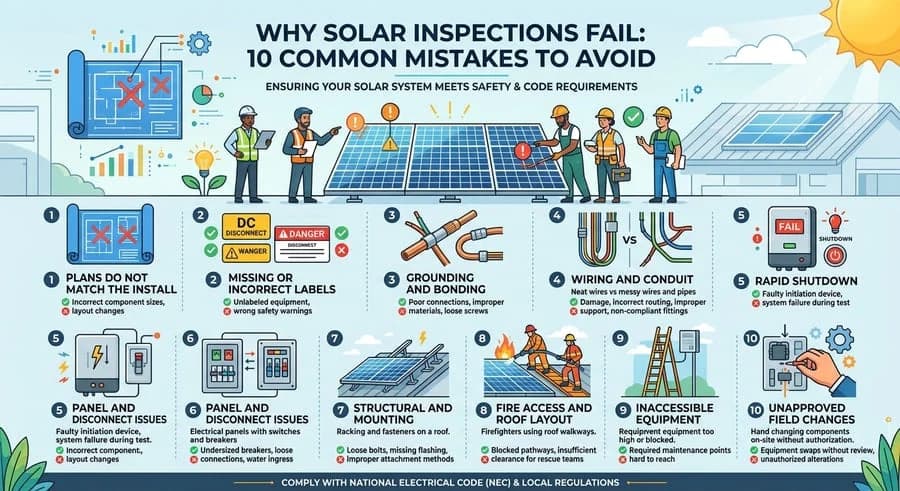
Why Solar Inspections Fail: 10 Common Mistakes to Avoid
Discover the 9 critical reasons solar inspections fail and how to avoid costly m...
Solar Grounding And Bonding: How To Pass Inspection Every Time
Learn how to pass solar grounding and bonding inspections every time. Avoid comm...
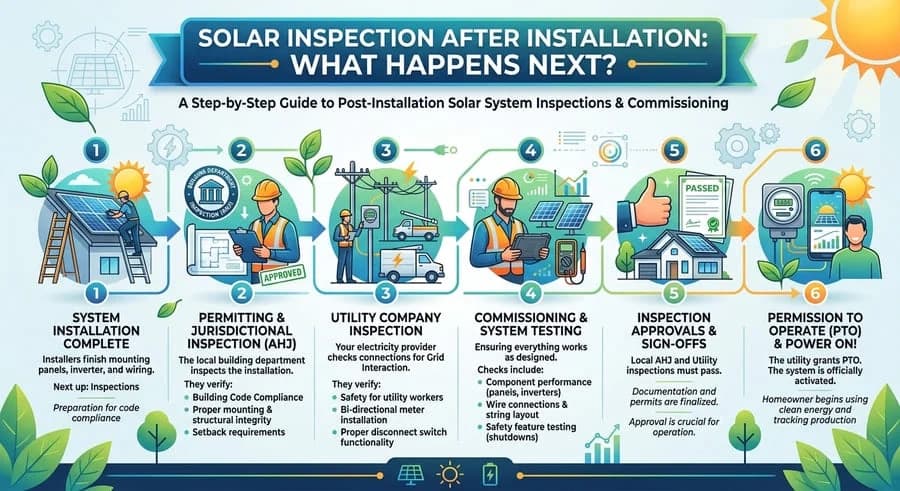
Solar Inspection After Installation: What Happens Next?
Learn how to pass your solar inspection by following essential tips for obtainin...