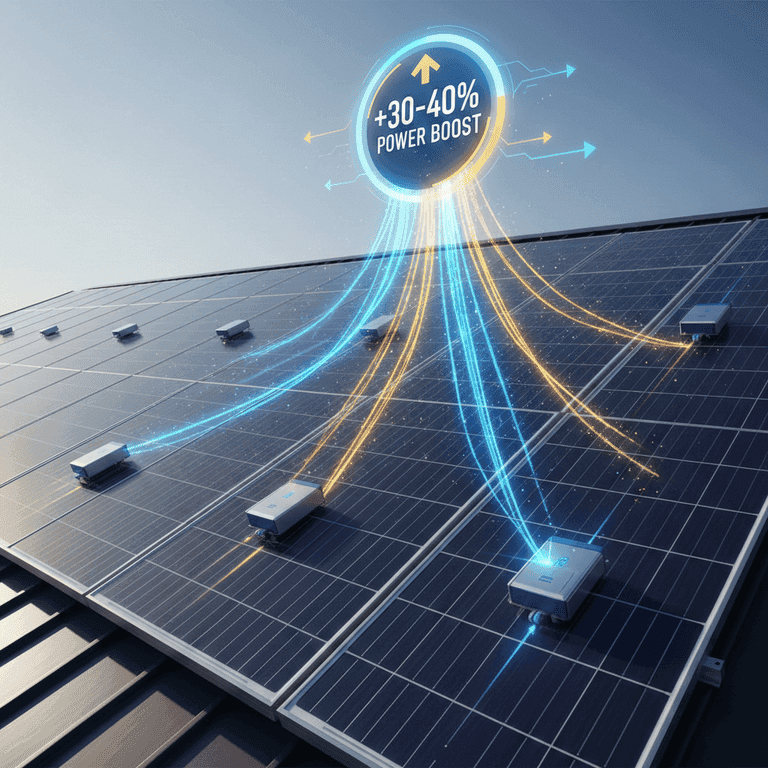
What are solar optimizers? Solar optimizers, also called DC power optimizers or module-level power electronics (MLPE), are devices installed on individual solar panels that maximize energy production by reducing power losses from shading and panel mismatch. According to the US National Renewable Energy Laboratory (NREL), these devices can recover 30-40% of power lost due to partial shading.
Are solar optimizers worth it? Yes, for most installations. Solar optimizers increase average system production by 6.6%, which translates to over $6,000 in additional savings over 25 years for a typical 10kW residential system. They’re particularly valuable when:
- Your roof experiences any amount of shading from trees, chimneys, or nearby structures
- Panels face multiple directions or have different tilt angles
- You want panel-level monitoring to track individual module performance
- Local codes require rapid shutdown for safety compliance
The shading problem: Without optimizers, partial shading can cause 10-20% or more in annual performance losses for residential solar installations. This happens because traditional solar panels connected in series operate like a chain, when one panel is shaded, it reduces the current and power output of the entire string, not just the affected panel.
How optimizers solve this: Optimizers work by continuously monitoring and adjusting the voltage and current of each individual panel, allowing every module to operate at its maximum power point independently, regardless of what’s happening with other panels in the system.
This comprehensive guide explains how solar optimizers work, real-world performance data, cost-benefit analysis, and whether they’re the right choice for your solar installation project.

Understanding optimizers and their impact on energy production
Making the smart choice to install a solar photovoltaic (PV) system helps slash your energy costs while decreasing dependence on traditional power sources. With solar arrays operating efficiently for over 25 years, exploring performance-boosting solutions becomes essential to maximize your return on investment.
Adding module level power electronics (MLPE) to your solar installation can significantly enhance system performance. These devices attach directly to each solar module’s rear side and deliver multiple advantages including safety compliance through rapid shutdown, panel-by-panel monitoring capabilities, and power optimization. This article focuses specifically on optimization technology, what it does and why it matters for your system.

Understanding optimization technology
While people often use ‘optimizers’ and MLPE synonymously, optimizers represent a specialized category of MLPE designed for one critical purpose: minimizing performance losses from shade and module mismatch.
Research from the US National Renewable Energy Laboratory (NREL) reveals striking data: “Partial shading can lead to annual performance losses of 10%-20% or more in residential installations.” NREL’s findings also show that “Module level power electronics such as microinverters or DC power optimizers have been shown to reduce mismatch in systems, recovering 30%-40% of the power lost due to partial shading.” Essentially, optimizers help you capture energy that would otherwise go to waste when shading occurs.
Common sources of shading
Aurora Solar, an industry-leading solar design platform, explains how shading impacts systems: “Whenever a cell or panel does not receive sunlight due to a shaded obstruction, it lowers the amount of electricity generated by that solar section… Such obstructions can come from a variety of sources:
- Nearby objects, such as trees, antennas, or poles
- “Self-shading” from other PV panel rows
- Horizon shading from the terrain surrounding the installation site
- Other factors such as panel orientation, soiling or differential aging”
Most homes and commercial properties experience some degree of shading. Even in shade-free environments, mismatch issues arise from dirt accumulation and varying degradation patterns across individual modules.
The mechanism behind optimization
Aurora Solar explains the technical challenge: “when a solar cell is shaded, the current through the entire string is reduced. This is significant because every cell in the cell string has to operate at the current set by the shaded cell. This prevents the unshaded cells from operating at maximum power…. So yes, only a small amount of shading can have a dramatic effect on the power output of a solar panel.”
Traditional solar installations connect panels in series, creating a chain where all panels operate on identical electrical current. When shade or mismatch affects a single panel, it drags down the current, and consequently the power output, across the complete string.
Optimizers address mismatch by actively tracking and modulating current and voltage levels as required. Through continuous monitoring of voltage and current flowing between panels, optimizers establish baseline production patterns for each module. When detecting voltage or current fluctuations caused by mismatch conditions, they automatically compensate to ensure every panel achieves optimal power output within the string configuration.
Real-world performance gains
Industry analysis of thousands of optimizer-equipped installations shows an average production increase of 6.6%. For a typical 10-kilowatt (kW) residential system, this translates to 1,156 kWh of additional electricity annually. Over a 25-year system lifespan, this generates savings exceeding $6,000 (calculated using $0.18/kWh electricity rates with 3% annual increases).
A San Jose, California homeowner upgraded their 2009 PV installation with optimizers to combat production losses from tree shade. After installation, they reported:
“Adding optimizers to my system was a significant upgrade. I’m generating more than 5% additional output on average per year. The monitoring capability lets me identify when modules need cleaning and immediately verify the cleaning results. Monthly reports reveal which panels produce the most and least energy.”

Solar Permit Solutions
Need Solar Permit Plans?
Professional, permit-ready solar plan sets delivered fast. Residential and commercial projects across all 50 states.
Making the decision
Optimizers have become a widely adopted component in rooftop solar installations, helping property owners increase energy generation while reducing electricity expenses. For any installation, optimizers provide an effective solution to satisfy safety and code requirements, enable detailed monitoring, and maximize energy production throughout the system’s operational life.
When evaluating your solar options, consider reviewing community solar planning resources and understanding local solar ordinances that may impact your installation decisions.
Conclusion
Solar power optimizers represent a proven investment for homeowners and businesses looking to maximize their solar system performance. Whether your installation faces shading challenges from nearby trees, buildings, or self-shading, or experiences energy losses from soiling and panel aging, optimizers provide a practical solution to reclaim lost energy production.
The evidence is compelling: with average production increases of 6.6% and the ability to recover 30-40% of shade-related losses, optimizers deliver measurable financial returns over your system’s 25+ year lifespan. Beyond the energy gains, they also provide essential safety features and detailed monitoring capabilities that give you complete visibility into your system’s performance.
For anyone considering a new solar installation or upgrading an existing system, optimizers offer a cost-effective way to protect your investment, boost energy production, and accelerate your payback period. The combination of increased output, enhanced monitoring, and safety compliance makes them a smart addition to virtually any residential or commercial solar array. For more insights, check out our blog for the latest solar industry updates.
FAQs
What’s the difference between power optimizers and microinverters?
Both are module-level power electronics (MLPE), but they function differently. Power optimizers are DC-to-DC converters that optimize each panel’s output before sending power to a central string inverter for conversion to AC electricity. Microinverters, on the other hand, are complete AC inverters attached to each panel that convert DC to AC right at the module level, eliminating the need for a central inverter. Optimizers typically cost less and work with your existing or preferred string inverter, while microinverters offer completely independent panel operation. For more guidance on system design, explore our solar services.
Need Solar Permit Plans?
Professional, permit-ready solar plan sets delivered fast. Residential and commercial projects across all 50 states.
Frequently Asked Questions
Yes, solar power optimizers typically provide strong return on investment. With average production increases of 6.6%, a 10kW system can generate an additional 1,156 kWh annually, translating to over $6,000 in savings over 25 years. If your roof experiences any shading throughout the day or has panels facing multiple directions, optimizers can recover 30-40% of power that would otherwise be lost. The added benefits of panel-level monitoring and safety compliance further enhance their value.
Absolutely. Optimizers can be retrofitted to existing solar installations, making them an excellent upgrade option for older systems. Many homeowners who chose professional solar panel installation years ago have successfully added optimizers to improve performance, especially when shading issues develop over time (such as growing trees) or when they want to add monitoring capabilities to their system. You'll need to ensure compatibility with your existing inverter and system configuration. Avoid common DIY solar mistakes by consulting with professionals before retrofitting.
Even without obvious shading, optimizers can still benefit your system. Module mismatch occurs from multiple factors beyond shade, including dust and dirt accumulation (soiling), manufacturing tolerances, panel orientation differences, and varying degradation rates as panels age. Additionally, temporary shading from clouds, morning dew, or seasonal changes can impact production. Optimizers also provide valuable monitoring data and safety features that benefit any installation, including off-grid solar systems.
Both are module-level power electronics (MLPE), but they function differently. Power optimizers are DC-to-DC converters that optimize each panel's output before sending power to a central string inverter for conversion to AC electricity. Microinverters, on the other hand, are complete AC inverters attached to each panel that convert DC to AC right at the module level, eliminating the need for a central inverter. Optimizers typically cost less and work with your existing or preferred string inverter, while microinverters offer completely independent panel operation.
Quality solar optimizers are designed to match the lifespan of your solar panels—typically 25 years or more. They're built to withstand outdoor weather conditions and generally come with warranties ranging from 15-25 years. Optimizers require virtually no maintenance since they have no moving parts and are sealed units. The same occasional cleaning you perform on your solar panels is all that's needed. The monitoring capabilities actually help you identify maintenance needs by alerting you to performance issues before they become serious problems.

SPS Editorial Team
Solar Permit Solutions
Solar Permit Solutions provides professional solar permit design services for residential, commercial, and off-grid installations across all 50 states. Our team ensures permit-ready plan sets delivered fast.
Related Articles
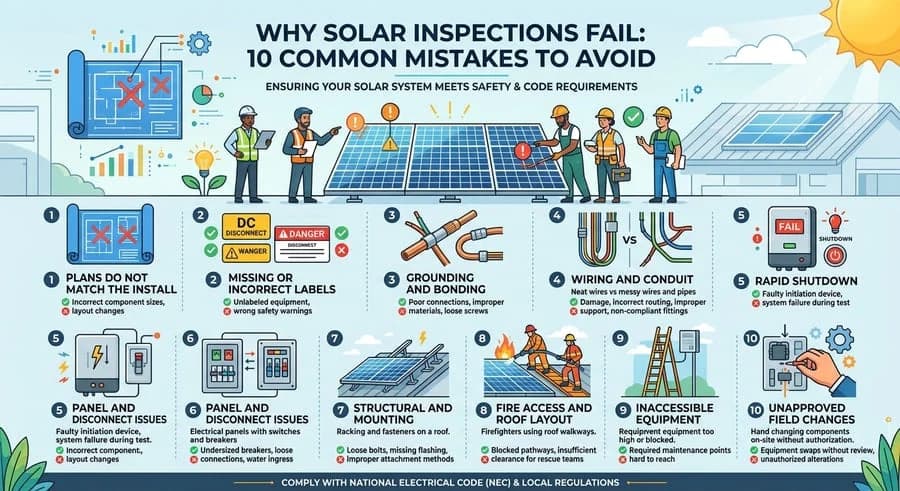
Why Solar Inspections Fail: 10 Common Mistakes to Avoid
Discover the 9 critical reasons solar inspections fail and how to avoid costly m...
Solar Grounding And Bonding: How To Pass Inspection Every Time
Learn how to pass solar grounding and bonding inspections every time. Avoid comm...
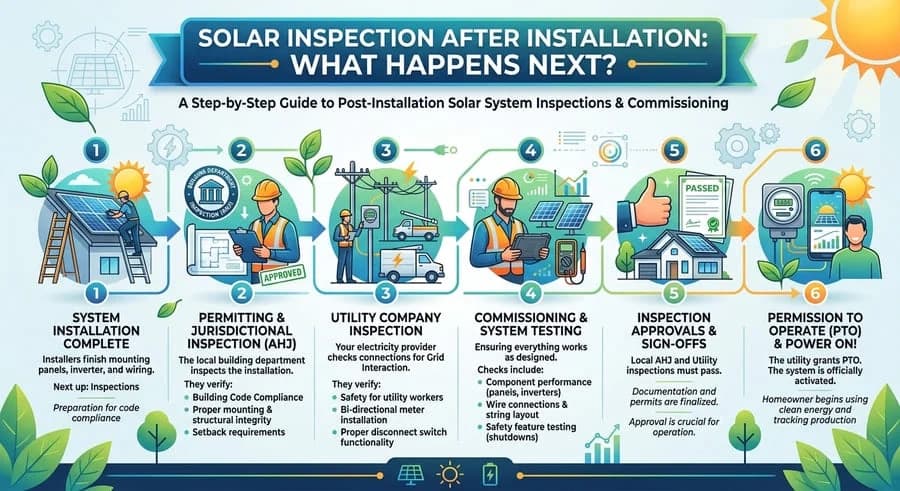
Solar Inspection After Installation: What Happens Next?
Learn how to pass your solar inspection by following essential tips for obtainin...