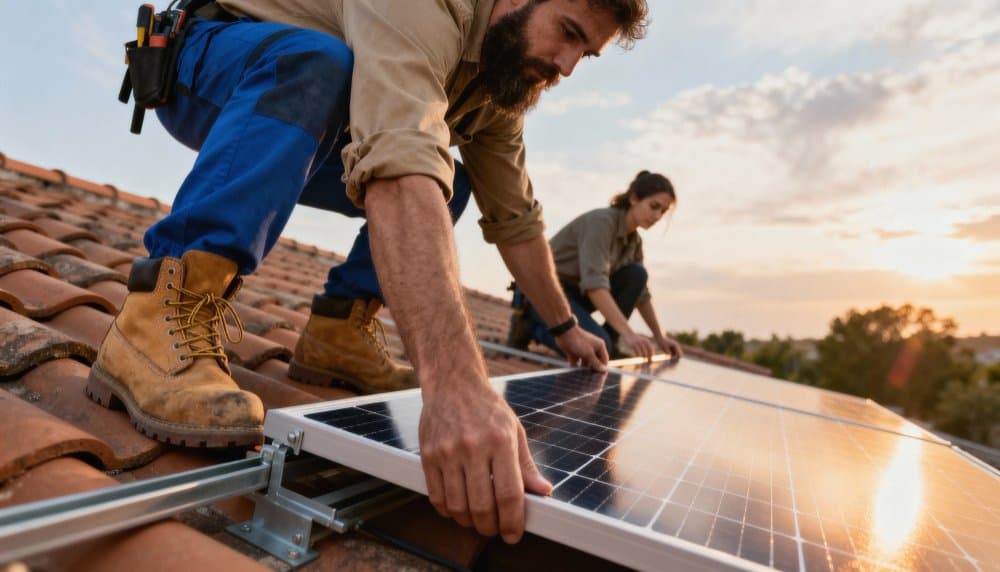
Can you install solar panels yourself? Yes, DIY solar panel installation is possible for small, off-grid systems, but it comes with significant limitations. While self-installation can save approximately $7,000 (27% of typical costs) on an 8 kW system, it requires technical expertise, proper permits, and compliance with local building codes. Most residential, grid-connected solar installations should be handled by licensed professionals to ensure safety, efficiency, and warranty protection.
When you source and set up your solar system independently, you stand to cut costs, reduce your environmental impact through renewable energy, and gain valuable knowledge through building a clean energy solution from the ground up. That said, self-installed solar arrays are seldom the optimal choice for residential properties and might not justify the investment when weighing financial, regulatory, or efficiency factors.
This guide breaks down the benefits and drawbacks of self-installed solar systems to help inform your clean energy decisions, whether you choose to go solo or partner with a licensed solar professional in your area.
DIY Solar Power Systems: A Hands-On Approach
After years of technological advancement in the solar industry, hands-on solar power systems have become increasingly available to homeowners. Numerous suppliers now provide ready-made packages that include all essential components and installation guides needed for secure setup and functionality.
The majority of self-installed solar setups operate independently, featuring a charge controller (or regulator), energy storage unit, and power converter. Capable of producing, storing, and distributing clean electricity, hands-on solar installations serve as an excellent remote power solution for properties not connected to the electrical grid.

Advantages and Disadvantages of Self-Installed Solar
Disadvantages of Self-Installed Solar
Though benefits are typically highlighted first, the drawbacks of self-installed solar deserve primary attention. Before dedicating substantial time or resources to your hands-on project, evaluate these possible obstacles.
Regulatory requirements: Permanent solar panel installation may require proper licensing. Regulations differ based on location, although a certified electrician or building professional is nearly always mandatory for submitting solar construction permits throughout the United States. Since municipal codes protect your system’s integrity, neglecting proper authorization procedures for a self-installed solar setup may result in mandatory dismantling and monetary penalties. Understanding common mistakes when applying for solar permits can help you avoid costly errors.
Personal hazards: Various safety concerns and property dangers accompany self-directed projects, which can intensify for individuals lacking solar installation expertise. Without expert supervision, you may encounter hazards including roof deterioration, equipment malfunction, structural damage to your residence, and potential injury to yourself or others in proximity. Since home solar installation isn’t a straightforward short-term undertaking, significant precaution must be taken before tackling rooftop work or electrical modifications.
Efficiency complications: Self-installed solar setups demand thorough preparation and precise installation for maximum efficiency. During system design, you need to deliberately select solar modules, power converters, and additional equipment that function harmoniously together, or face possible energy waste or system malfunctions.
The Advantages of Self-Installed Solar
Regardless of the obstacles, a self-directed solar installation can provide a viable option for numerous practical scenarios.
Financial benefits: Reducing expenses that would otherwise go toward hiring a professional service or specialist represents the primary benefit of a self-installed solar system. Through direct material purchases and performing the work independently, you can eliminate numerous indirect solar expenses, which frequently account for more than half of a home installation’s total cost.

DIY Solar vs. Professional Installation: Understanding Your Options
Diverse Applications: Exploring DIY Solar Equipment Options
DIY solar technology offers multiple configurations, featuring portable energy systems (PES) among its range. Though limited in power output and application range, PES presents an excellent choice for property owners seeking adaptability and independent grid operation with emergency power for compact appliances during utility disruptions. While self-installed solar arrays may not suit every residential situation, a hands-on approach enables you to harness clean energy for alternative purposes, such as workspaces, campers, watercraft, or remote dwellings.
Educational Value: Gaining Skills Through DIY Solar Projects
Finally, constructing your personal solar setup offers satisfaction, acquiring practical expertise and motivating others toward similar action. This proved true for René Voss (shown in the image), who developed a detailed tutorial for self-built solar utilizing Enphase IQ Microinverters.

Solar Permit Solutions
DIY Solar? We Handle the Permits.
You install the panels — we design the permit-ready plan set your building department requires. Fast, affordable, all 50 states.
Financial Considerations for Self-Installed Solar Systems
Minimizing indirect expenses represents the main advantage of handling solar installation yourself. Though professional assistance may become necessary during permit applications or utility authorization processes, the DIY approach helps cut numerous additional costs.
Take an 8 kW residential solar power system as an illustration. During 2024, residential solar averages approximately $3.25/W, totaling roughly $26,000 through professional channels. Though each situation varies, workforce expenses typically account for roughly 7% of project costs, while indirect costs including advertising, management, and earnings margins comprise approximately 20%.
Under these conditions, undertaking solar panel installation independently might yield savings near $7,000 (27% of $26,000) by eliminating workforce and overhead charges. Nevertheless, numerous additional factors warrant consideration with self-installation, including property value implications, mandatory licensing and authorization fees, and qualification status for the residential clean energy credit or alternative solar programs.
Benefits of Expert Solar Installation Services
Despite lower initial investment for DIY solar arrays, evaluating long-range energy objectives proves essential before committing to installation strategies. Collaborating with qualified professionals expedites your planning, authorization, and approval timeline while satisfying municipal construction and power system requirements.
Since premium solar components function beyond 20 years, licensed specialists or companies guarantee your system operates optimally. Should circumstances shift, your installation provider can continue supporting maintenance needs or addressing concerns.
Outside consumer-accessible options, professionals maintain wholesale connections or simplified procurement of premier solar energy products. Frequently, these components include warranties validated exclusively through professional handling.
Though initially costlier, the assurance and extended advantages of expert-installed solar infrastructure typically surpass the upfront savings or personal achievement from DIY endeavors. Learn more about Solar Permit Solutions and how we can help streamline your project.
Take action: Connect with us and reach qualified solar installation professionals in your locality.
When You Should Contact a Solar Energy Expert
Recognizing the Right Time for Professional Assistance
Although cutting costs may seem appealing, self-installed solar panel systems work best for compact, standalone setups that operate independently from the grid. Prior to launching any do-it-yourself solar venture, keep in mind that solar installation carries significant risks for inexperienced individuals and may violate local building codes when completed without proper authorization. Understanding whether solar permits are necessary in the US is crucial before starting your project.
Given the specialized knowledge required to safeguard both your financial investment and physical property, reaching out to certified professionals is nearly always the recommended approach when considering residential solar power solutions. Currently, property owners and industry specialists rely on Enphase technology to deliver secure, dependable, and high-performance energy systems across more than 150 nations globally.
Conclusion
Making the decision between a do-it-yourself solar installation and professional services requires careful evaluation of your specific circumstances, technical capabilities, and long-term energy goals. While self-installed solar systems can offer cost savings and hands-on learning opportunities for small-scale, off-grid applications, they come with considerable challenges including safety risks, regulatory hurdles, and potential efficiency issues.
For most homeowners pursuing grid-connected residential solar power, partnering with certified installation professionals delivers superior value through guaranteed performance, regulatory compliance, warranty protection, and peace of mind. Professional installers bring years of expertise, access to premium equipment, and ongoing support that typically outweigh the initial savings of DIY approaches.
Whether you choose the independent route for a small project or opt for professional installation for your home, the most important step is taking action toward clean, renewable energy. Assess your priorities, understand local requirements, and select the pathway that best aligns with your budget, skills, and vision for sustainable living.
FAQs
What’s the difference between off-grid and grid-connected solar systems for DIY projects?
Off-grid solar systems operate independently from the utility power network and typically include battery storage, charge controllers, and inverters to generate, store, and distribute electricity autonomously. These systems are better suited for DIY installation and work well for remote locations, RVs, boats, or backup power needs. Grid-connected systems tie directly into your home’s electrical system and the utility grid, requiring professional installation to meet safety codes, utility interconnection agreements, and net metering requirements.
DIY Solar? We Handle the Permits.
You install the panels — we design the permit-ready plan set your building department requires. Fast, affordable, all 50 states.
Frequently Asked Questions
For a typical 8 kW residential solar system, DIY installation could save approximately $7,000 or about 27% of the total professional installation cost of $26,000. These savings come from eliminating labor costs (roughly 7%) and overhead expenses like marketing and profit margins (around 20%). However, remember that these savings don't account for potential permit fees, equipment costs if mistakes occur, or the loss of professional warranties that may only be valid through certified installers.
Yes, in most locations throughout the United States, permanent solar panel installations require proper permits and often mandate involvement from a licensed electrician or building professional. Local building codes vary by municipality, but they're designed to ensure system safety and integrity. Installing solar without proper authorization can result in mandatory system removal and financial penalties. Always check with your local building department before beginning any solar installation project.
Off-grid solar systems operate independently from the utility power network and typically include battery storage, charge controllers, and inverters to generate, store, and distribute electricity autonomously. These systems are better suited for DIY installation and work well for remote locations, RVs, boats, or backup power needs. Grid-connected systems tie directly into your home's electrical system and the utility grid, requiring professional installation to meet safety codes, utility interconnection agreements, and net metering requirements.
High-quality solar panels installed by professionals typically function effectively for 25-30 years or longer, with most manufacturers offering 25-year performance warranties. Maintenance requirements are minimal, usually involving periodic cleaning to remove dust and debris, visual inspections for damage, and occasional inverter replacements after 10-15 years. Professional installation companies often provide ongoing maintenance services and support throughout the system's lifespan, addressing any performance issues or concerns that arise.
DIY solar installations can potentially qualify for the federal residential clean energy credit (Investment Tax Credit), which allows you to deduct a percentage of solar installation costs from your federal taxes. However, eligibility requirements and documentation can be complex. Additionally, many state and local solar incentive programs, utility rebates, and financing options are only available through certified professional installers. Before pursuing DIY installation, research all available incentives in your area to ensure you won't forfeit valuable financial benefits that could offset the cost of professional installation.
SPS Editorial Team
Solar Permit Solutions
Solar Permit Solutions provides professional solar permit design services for residential, commercial, and off-grid installations across all 50 states. Our team ensures permit-ready plan sets delivered fast.
Related Articles
AC vs DC Coupled Solar Batteries: Which Should You Choose?
AC vs DC coupled solar batteries compared: efficiency, costs ($8K-$18K), and ins...
How Many Solar Panels Do I Need to Run Off the Grid?
Most off-grid homes need about 8 to 16 solar panels rated at 400 watts, dependin...
Solar Battery Permit Requirements: What You Need to Know
A solar battery usually needs local approval and a utility review before it can ...