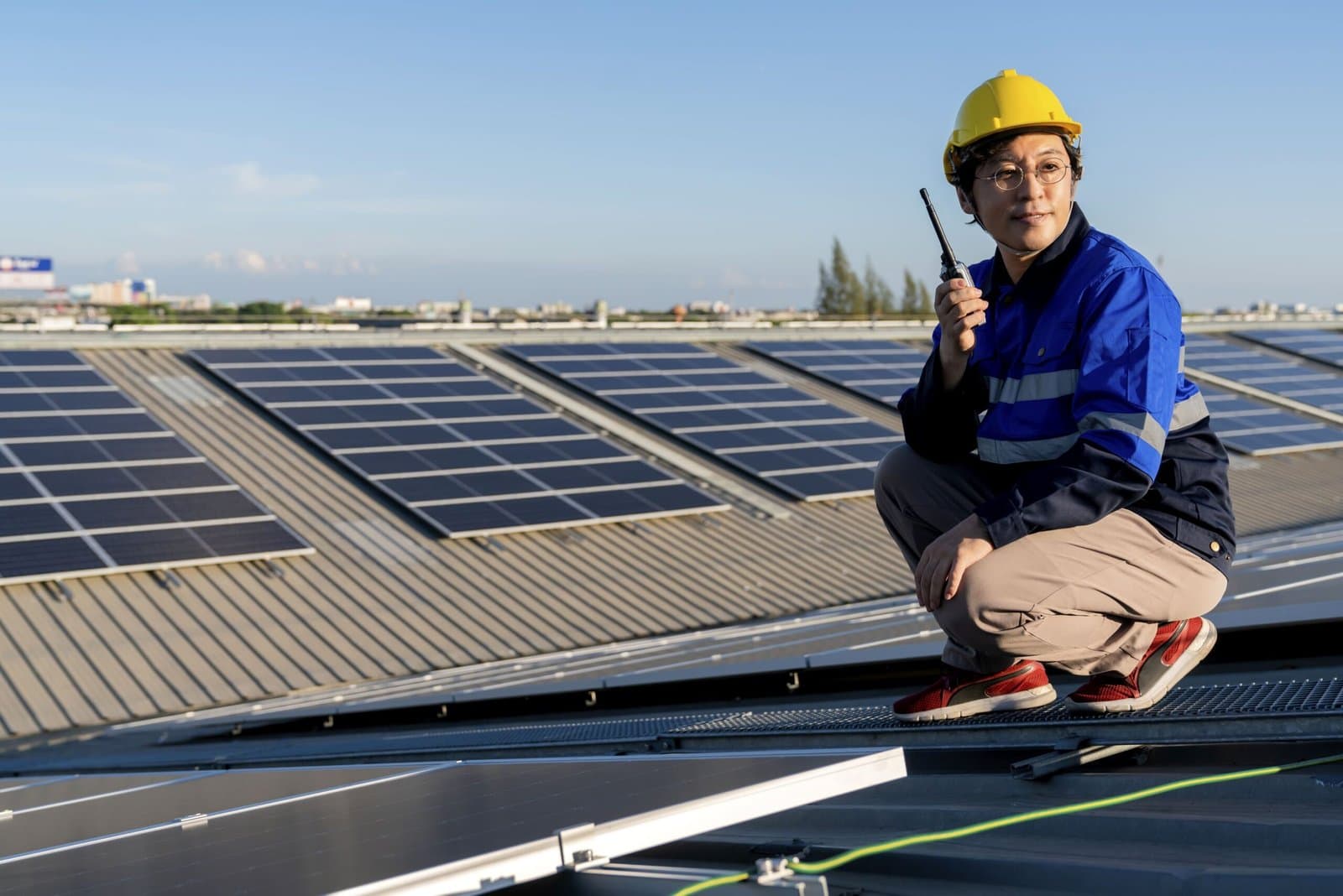
Solar panel commercial roof integration combines renewable energy systems with existing building infrastructure to generate electricity while maximizing available rooftop space. With over 70 gigawatts of installed solar capacity across the United States, commercial properties increasingly adopt this technology to reduce energy costs and carbon footprints.
Commercial roof solar integration requires six fundamental strategies: structural assessment, panel selection, electrical component integration, load capacity verification, sunlight optimization, and maintenance planning. Each strategy addresses specific technical requirements while ensuring safe, efficient, and code-compliant installations.
Property owners typically see 20-30% reductions in electricity expenses within the first year, with systems paying for themselves through energy savings over 7-12 years. Beyond financial returns, properly integrated solar installations increase property values, demonstrate environmental commitment, and provide energy independence for 25-30 years of operational lifespan.
Analyzing Your Building’s Rooftop Readiness
How comprehensive should the initial roof assessment be when planning solar panel deployment?
Prior to commencing solar panel installation on commercial properties, performing an extensive roof evaluation is absolutely necessary. This assessment determines the roof’s current state and its ability to accommodate solar panel systems. The evaluation must encompass examination of roof age, present condition, structural soundness, and any existing deterioration. Recognizing necessary repairs or maintenance before solar panel mounting becomes possible is fundamental. This thorough assessment guarantees the roof possesses optimal capability to bear the additional panel weight and endure installation procedures.
An environmental impact evaluation should accompany the comprehensive roof assessment. This analysis examines potential ecological effects of rooftop solar installation. Considerations include roof direction, shade patterns, and solar energy generation potential. Through this evaluation, professionals can establish installation feasibility based on environmental factors and anticipated energy yield. This process also reveals environmental limitations or restrictions requiring resolution before installation advancement.
Determining Optimal Panel Selection
Commercial property managers should consistently evaluate available solar technologies to identify the most efficient and economical solutions for rooftop integration. Panel efficiency stands as a critical factor since it directly determines electricity generation capacity. Higher-efficiency options may carry increased upfront costs, yet deliver superior electricity production over extended periods, ultimately proving more economical. During cost evaluation, assessing the levelized cost of electricity (LCOE) throughout the solar panel lifespan proves more valuable than examining initial investment alone.
Consider the following comparison:
Solar Panel Type | Efficiency (%) | Cost per Panel ($)
Standard Panels | 15 | 300
High-Efficiency Panels | 20 | 400
In this scenario, high-efficiency panels demand greater initial expenditure. However, their superior efficiency generates increased electricity over time, potentially delivering better long-term value.
Specific requirements of commercial rooftop projects must influence solar panel selection. Elements including available installation area, directional orientation, and shading conditions affect panel choice. Furthermore, warranty provisions and equipment reliability require consideration to guarantee sustained performance and operational confidence. Through careful evaluation of panel efficiency and comprehensive cost analysis, informed decisions emerge when selecting optimal solar panels for commercial roof integration.
Building Your Electrical Foundation
During commercial solar panel installation, integrating electrical wiring and components demands strict attention to safety protocols and regulatory compliance.
Prioritizing reliable, certified electrical equipment ensures proper system function.
Meeting Code Requirements and Safety Standards
Ensuring safety and code compliance when incorporating electrical wiring and components for solar panel commercial roof integration requires utilizing dependable and certified electrical equipment. Safety instruction proves essential for personnel managing electrical components, guaranteeing understanding of potential hazards and required precautions. Following regulatory requirements and code enforcement remains crucial for meeting legal obligations and ensuring installation safety. Inspection protocols must be executed thoroughly to confirm proper installation of all wiring and electrical components meeting necessary standards. The table below outlines key safety and compliance considerations in solar panel commercial roof integration.
Key Aspect | Description | Importance
Safety Training | Personnel instruction on electrical hazards and safety measures | High
Regulatory Standards | Compliance with legal regulations and requirements | Critical
Inspection Procedures | Comprehensive examination of wiring and components | Essential
Maximizing Energy Flow Efficiency
Achieving efficient power distribution in solar panel commercial roof integration begins with strategic planning of electrical wiring and component placement. This approach proves vital for power optimization and energy efficiency.
Implement these methods to guarantee effective power distribution:
Strategic Wiring Design: Chart the most direct and efficient routing for wiring to reduce energy loss and enhance power output.
Premium Electrical Components: Select high-quality components to minimize energy waste and ensure peak performance.
Balanced Circuit Architecture: Develop balanced circuits to avoid overloading and maintain consistent power distribution.
Routine Maintenance: Establish regular maintenance schedules to detect and resolve power distribution concerns.
Emphasizing these approaches achieves efficient power distribution, maximizing energy efficiency and comprehensive system performance.
This foundation leads naturally into the next consideration of reducing installation complexity.
Streamlining Setup Procedures
During the integration of wiring and electrical components for solar panel commercial roof projects, minimizing installation complexity requires careful layout planning for optimal efficiency. This process involves evaluating roof structural integrity to confirm that added weight from solar panels and electrical components does not compromise building safety. Additionally, implementing weather-resistant wiring and electrical components proves crucial for preventing potential damage. Strategic integration of these elements streamlines installation processes and enhances overall solar panel system effectiveness.
Structural Integrity | Weather Resistance
Guarantees building safety and stability | Protects against environmental damage
Minimizes structural failure risks | Decreases maintenance and repair expenses
Enhances long-term performance | Ensures consistent energy production
Supports solar panel and electrical component weight | Maintains system efficiency across varied weather conditions
Solar Permit Solutions
Commercial Solar Design Services
Professional permit plan sets for commercial installations. PE-stamped, code-compliant, fast delivery.
Confirming Weight Support Capabilities
Assessing roof load capacity before installing solar panels represents a crucial initial step. Confirming that commercial roofs can support additional solar panel weight proves essential for installation success and safety. A thorough roof evaluation identifies structural requirements early in the planning process.
Key steps for ensuring roof load capacity include:
Structural Engineering Analysis: Execute comprehensive structural analysis of commercial roofing to establish load capacity. This may require engaging structural engineers to evaluate current roof condition and calculate additional weight safely supported.
Load Capacity Assessment: Based on structural analysis results, evaluate roof load capacity to confirm solar panel weight accommodation. Consider factors including roof age and condition, plus existing equipment or structures already present on the roof.
Roof Strengthening: When initial assessment indicates insufficient load capacity, explore options for reinforcing roof structures to support solar panel installation. This could involve strengthening roof framework or adding supplementary support elements.
Installation Planning: Apply findings from structural analysis and load capacity evaluation when planning solar installation. Modify installation layout and methodology as needed to guarantee roofs safely accommodate added weight.
Achieving Peak Solar Capture
Maximizing sun exposure for solar panels requires careful analysis of commercial roof orientation and tilt angles. Solar panel orientation proves crucial for optimizing sunlight collection. Ideally, panels should face south to capture maximum sunlight throughout daylight hours.
Additionally, solar panel tilt plays a significant role in maximizing energy production. Optimal tilt angles vary based on geographic location, making solar panel tilt analysis important for determining the best angle for specific sites.
Conducting shading analysis also proves essential for maximizing sun exposure. Identify potential obstructions including nearby buildings, vegetation, or other structures that could cast shadows on solar panels. Understanding shading patterns throughout the day and across different seasons enables informed decisions about panel placement and potential obstacles.
Ensuring the highest level of sun exposure for solar panels recommends working with professional solar installers. These professionals can utilize advanced tools and software to conduct precise shading analysis and determine optimal tilt angles for solar panels. Maximizing sun exposure can significantly increase solar system energy production and maximize overall efficiency.
While focusing on maximizing sun exposure, considering ongoing maintenance and monitoring of solar panels ensures optimal performance and longevity.

Creating Your Upkeep Strategy
Commercial solar installations require conducting regular maintenance inspections to ensure optimal panel functionality. Establishing comprehensive maintenance protocols from the outset maximizes system performance and longevity.
Implementing real-time performance monitoring systems allows for prompt identification and resolution of emerging issues.
Scheduled System Reviews
Routine maintenance inspections prove crucial for ensuring optimal performance and longevity of solar panel systems on commercial roofs. Implementing preventative measures and adhering to strict inspection schedules enables proactive issue resolution and prevents costly operational interruptions.
Essential steps for regular maintenance routines include:
Visual Examinations: Regularly inspect panels for physical damage indicators or debris accumulation.
Electrical Assessment: Conduct routine electrical tests to verify proper system functioning.
Inverter Verification: Confirm inverter performance and connections to prevent potential failures.
System Cleaning: Schedule regular cleaning to eliminate dirt, dust, and other obstructions that can reduce panel efficiency.
Routine maintenance inspections not only optimize energy production but also extend solar panel system lifespan. This proactive methodology establishes the foundation for seamless real-time performance monitoring.
Live Performance Tracking
Implementing real-time performance monitoring of solar panel systems enables identification and prompt resolution of any deviations from expected efficiency standards. Establishing real-time monitoring capabilities optimizes energy production and detects system performance issues promptly.
This involves utilizing advanced data analysis tools to track individual panel output and overall system performance. Real-time monitoring allows quick response to performance decreases, ensuring solar panels operate at peak efficiency levels.
Conclusion
Successful solar panel integration for commercial roofs demands strategic planning across multiple critical dimensions. From initial structural assessments through ongoing performance monitoring, each element contributes directly to system efficiency and return on investment.
Commercial property owners who prioritize comprehensive roof evaluations, select appropriate technology based on detailed cost analysis, and establish robust electrical infrastructure position themselves for long-term energy independence. Weight capacity verification prevents structural complications, while optimized panel placement maximizes generation potential throughout operational lifespan.
The investment in commercial solar extends beyond immediate energy savings. Properties with properly integrated solar systems demonstrate environmental leadership, reduce operational overhead, and potentially increase asset value. Regular maintenance schedules and live performance tracking ensure systems deliver promised returns while identifying issues before they impact production.
Taking action now positions commercial properties to capitalize on available incentives while establishing sustainable operations for decades ahead. The strategies outlined provide a roadmap for successful implementation, but professional consultation ensures site-specific requirements receive proper attention.
FAQs
Exploring government grants and various financing models helps identify the most cost-effective solutions for commercial properties.
Ensuring panels meet local building codes starts with consulting experts familiar with regional regulations.
These professionals can identify cost-effective solutions that minimize environmental impact while meeting all compliance requirements.
Conducting cost analysis and considering return on investment ensures that solar panel installation benefits outweigh insurance implications for commercial properties.
Showcasing environmental and cost-saving benefits of solar energy attracts eco-conscious customers and enhances brand image for commercial properties.
Commercial Solar Design Services
Professional permit plan sets for commercial installations. PE-stamped, code-compliant, fast delivery.
Frequently Asked Questions
When evaluating commercial solar panel integration financing, conducting thorough ROI analysis to determine long-term benefits proves essential. Exploring government grants and various financing models helps identify the most cost-effective solutions for commercial properties.
Navigating regulations for solar panel compliance requires careful attention. Ensuring panels meet local building codes starts with consulting experts familiar with regional regulations. These professionals can identify cost-effective solutions that minimize environmental impact while meeting all compliance requirements.
Additional tax incentives and rebates exist for businesses installing solar panels on commercial roofs. These incentives and rebates provide significant financial benefits, making solar panel investment more attractive for commercial properties.
Potential insurance implications when adding solar panels to commercial roofs can be addressed through comprehensive risk management strategies. Conducting cost analysis and considering return on investment ensures that solar panel installation benefits outweigh insurance implications for commercial properties.
Businesses can effectively market sustainability commitment by utilizing marketing strategies and branding opportunities that highlight solar panel installation processes and maintenance requirements on commercial roofs. Showcasing environmental and cost-saving benefits of solar energy attracts eco-conscious customers and enhances brand image for commercial properties.

SPS Editorial Team
Solar Permit Solutions
Solar Permit Solutions provides professional solar permit design services for residential, commercial, and off-grid installations across all 50 states. Our team ensures permit-ready plan sets delivered fast.
Related Articles
Why Solar Inspections Fail: 10 Common Mistakes to Avoid
Discover the 9 critical reasons solar inspections fail and how to avoid costly m...
Solar Grounding And Bonding: How To Pass Inspection Every Time
Learn how to pass solar grounding and bonding inspections every time. Avoid comm...
Solar Inspection After Installation: What Happens Next?
Learn how to pass your solar inspection by following essential tips for obtainin...