
Solar permit applications require comprehensive documentation, including site plans with accurate roof dimensions and panel placement, electrical single-line diagrams showing system connections from panels to grid interconnection, structural engineering calculations proving roof load capacity, and equipment specifications with manufacturer certification sheets. Most jurisdictions mandate building permits to verify code compliance, electrical permits for wiring and grid connection safety, and potentially zoning permits depending on property location, with approval timelines ranging from several days to multiple weeks based on application completeness. Essential professional requirements include licensed contractor credentials, proof of liability insurance coverage, utility interconnection agreements, and engineering stamps for systems exceeding specific kilowatt thresholds that vary by jurisdiction. Residential solar design projects typically require simpler documentation than commercial installations, though both must demonstrate compliance with National Electrical Code (NEC) standards and local building ordinances. Successful permit applications include fire safety documentation showing setback distances from roof edges, emergency shutdown procedures, and proper circuit breaker or fuse sizing that follows electrical safety standards for photovoltaic installations.
Are you planning to install solar panels? One of the most crucial steps is obtaining the proper permits. This comprehensive guide will walk you through everything you need to know about solar permit checklists, ensuring a smooth approval process for your installation project.

Understanding Solar Permit Requirements
Before diving into your solar installation project, it’s essential to understand the basic requirements. Most jurisdictions require a standard set of documents, though specific requirements may vary by location. Typically, you’ll need to submit a complete application package that demonstrates compliance with local building codes and safety standards.
The basic components include:
- Building permit application
- Electrical permit application
- Zoning compliance verification
- HOA approval (if applicable)
Local jurisdictions may have different requirements, so always check with your local building department first. The approval timeline can range from a few days to several weeks, depending on your location and application completeness.
Required Documentation for Solar Permits
A successful permit application requires thorough documentation. Here’s what you’ll typically need:
- Detailed site plans showing panel placement
- Professional drawings of the installation
- Equipment specifications and cut sheets
- Structural engineering calculations
- Complete electrical diagrams
- Proof of property ownership
- Property survey or plot plan
Make sure all documents are current and clearly labeled. Professional-quality drawings and plans significantly improve your chances of quick approval.
Technical Specifications Checklist
Your technical documentation should include:
- Solar array layout with dimensions
- Mounting system specifications
- Racking system details
- Electrical system design
- Inverter specifications
- Battery storage details (if applicable)
- System size and power output calculations
These specifications must meet local building codes and demonstrate that your installation is safe and efficient.
Solar Permit Solutions
Skip the Permit Headaches
We design plan sets that pass inspection the first time. Code-compliant, PE-stamped, accepted by AHJs nationwide.
Safety and Compliance Requirements
Safety is paramount in solar installations. Key considerations include:
- Fire access pathways on the roof
- Proper setbacks from roof edges
- Adequate structural support
- Electrical system safeguards
- Lightning protection
- Building code compliance
- Proper labeling and signage
Each requirement ensures the safety of installers, residents, and emergency responders.
Professional Certifications and Insurance
Don’t forget these crucial professional requirements:
- Contractor’s license
- Professional liability insurance
- Worker’s compensation insurance
- Engineering certifications
- Professional stamps on plans
- Manufacturer certifications
Common Mistakes to Avoid
Watch out for these frequent pitfalls:
- Submitting incomplete applications
- Missing or incorrect calculations
- Inaccurate measurements
- Using outdated forms
- Overlooking local requirements
- Poor quality drawings
- Insufficient detail in plans
Tips for Expedited Approval
Speed up your approval process with these strategies:
- Create a pre-submission checklist
- Organize documents systematically
- Use clear labels and references
- Follow digital submission guidelines
- Maintain open communication with authorities
- Address feedback promptly
- Keep copies of all submissions
A well-organized application package can significantly reduce approval time.
Remember, obtaining solar permits is a crucial step in your solar journey. Following this comprehensive checklist and maintaining attention to detail will help ensure a smooth approval process. Stay informed about local requirements and work with experienced professionals to maximize your chances of success.
Need help with your solar permit application? Contact our experienced team today for guidance through the entire process.
CONCLUSION
Successfully navigating the solar permit approval process requires meticulous attention to documentation requirements, technical specifications, and local regulatory compliance. A complete permit checklist encompasses site plans, electrical diagrams, structural calculations, equipment specifications, professional certifications, and safety documentation that collectively demonstrate your installation meets all applicable codes and standards. Working with experienced solar permit professionals streamlines the application process by ensuring complete documentation packages that minimize review delays and revision requests from building departments. Whether pursuing a rooftop installation or off-grid solar system, investing time in thorough preparation pays dividends through faster approvals and fewer complications during inspection phases. Common permit denial reasons, including incomplete applications, incorrect measurements, missing engineering stamps, and non-compliant equipment selections, are entirely preventable through careful checklist adherence and quality control before submission. As renewable energy adoption continues expanding nationwide, understanding permit requirements positions homeowners and contractors for installation success while contributing to safer solar infrastructure. The temporary administrative effort required for proper permitting protects long-term system performance, validates insurance coverage, preserves property values, and ensures decades of reliable clean energy production. For additional guidance on avoiding common pitfalls, explore resources on preventing permit denials and understanding typical approval timelines across different jurisdictions.
Skip the Permit Headaches
We design plan sets that pass inspection the first time. Code-compliant, PE-stamped, accepted by AHJs nationwide.
Frequently Asked Questions
Solar permit applications require comprehensive documentation demonstrating installation safety and code compliance. Essential documents include detailed site plans showing exact panel placement, roof dimensions, setback distances from edges, and property boundaries with accurate measurements. Electrical single-line diagrams must illustrate complete system connections from solar panels through inverters, disconnects, combiner boxes, and integration points with existing electrical service panels. Structural engineering calculations proving adequate roof load capacity for panel weight, wind uplift forces, and seismic considerations are mandatory in most jurisdictions. Equipment specifications including manufacturer data sheets for panels, inverters, and power optimizers verify component certifications and system compatibility. Additional required items include utility interconnection applications, proof of property ownership, homeowner association approval if applicable, contractor license verification, liability insurance certificates, and completed jurisdiction-specific permit application forms. Some municipalities request supplementary documentation like fire setback diagrams, shade analysis reports, or additional engineering certifications. Working with qualified solar design professionals ensures complete documentation packages that prevent application rejections and minimize approval delays.
Solar permit approval timelines vary significantly based on jurisdiction workload, application completeness, and system complexity, typically ranging from several days to eight weeks. Streamlined municipalities with dedicated solar permitting programs may approve straightforward residential applications within 3-5 business days, while areas with limited staff or high application volumes can require 4-6 weeks for initial review. Complex commercial installations or systems requiring extensive engineering review may take two months or longer depending on jurisdictional requirements and revision cycles. Incomplete applications significantly extend timelines as they require resubmission after corrections, often restarting the review clock entirely. Expedited review options exist in some jurisdictions for additional fees, potentially reducing approval time by 50 percent for qualifying projects. Factors affecting approval speed include building department staffing levels, seasonal application fluctuations, plan complexity, whether professional engineering stamps accompany initial submissions, and local familiarity with solar installations. Submitting thoroughly prepared applications with complete documentation, accurate measurements, and proper certifications substantially minimizes delays across all jurisdictions.
While some jurisdictions allow property owners to apply for solar permits as owner-builders, most building departments require licensed contractor credentials for solar installation permits. Licensed contractors possess verified expertise in electrical systems, building codes, and safety standards that building departments trust during application review processes. Property owners attempting DIY installations face heightened scrutiny, requiring detailed documentation proving electrical competency, code knowledge, and installation capability. Many states legally require licensed electricians to perform grid interconnection work regardless of who installs the panels, making fully independent DIY projects challenging. Professional solar contractors provide significant advantages including handling complex permit applications, ensuring code compliance, coordinating required inspections, offering installation warranties, and maintaining proper liability insurance coverage. Contractors familiar with local permitting procedures and common application mistakes navigate approval processes more efficiently than inexperienced applicants. Consider that improper installations create fire hazards, void manufacturer warranties, complicate future property sales, and may result in insurance coverage denial. For specialized applications like off-grid systems, professional expertise ensures safe integration of all components.
Solar permit applications face denial primarily due to incomplete documentation, incorrect technical specifications, and code compliance failures that building departments identify during review processes. Missing engineering stamps on structural calculations represents a leading denial reason, particularly for systems exceeding jurisdiction-specific kilowatt thresholds. Inaccurate or insufficient site plans lacking proper dimensions, setback measurements, or panel placement details trigger rejection until applicants provide corrected drawings. Electrical diagrams missing critical components like disconnects, proper wire sizing, or adequate circuit protection fail code compliance reviews. Non-compliant equipment selections including uncertified components or products not listed with appropriate testing laboratories result in automatic denials. Inadequate fire safety documentation showing insufficient setbacks from roof edges or missing emergency access pathways raises red flags for building officials. Structural calculations failing to account for local wind loads, snow loads, or seismic factors demonstrate engineering inadequacy. Missing utility interconnection agreements or incomplete contractor licensing documentation stalls approval processes. Preventing denials requires thorough checklist adherence, quality control before submission, and consultation with experienced professionals familiar with local requirements.
Solar permit costs vary substantially based on jurisdiction, system size, and local fee structures, typically ranging from $50 to $1,500 for residential installations across United States municipalities. Many jurisdictions calculate permit fees as percentages of total project costs, commonly ranging from 0.5 to 2 percent of installation value, while others use flat-rate structures based on system kilowatt capacity. Urban areas generally charge higher permit fees compared to rural locations due to increased administrative costs and more complex review processes. Additional charges beyond base permit fees include plan review costs, electrical inspection fees, building inspection charges, and engineering review expenses for larger or more complex systems. Commercial solar installations incur substantially higher permit costs due to increased system sizes, complex structural requirements, and additional engineering certifications. Some municipalities offer fee reductions or waivers for renewable energy improvements as incentives encouraging solar adoption. Utility interconnection applications may carry separate fees ranging from $100 to $500 depending on utility company policies. Expedited review services when available typically add 25 to 50 percent to standard permit costs. Contact local building departments for specific fee schedules, as rates update periodically and vary significantly between neighboring jurisdictions.

SPS Editorial Team
Solar Permit Solutions
Solar Permit Solutions provides professional solar permit design services for residential, commercial, and off-grid installations across all 50 states. Our team ensures permit-ready plan sets delivered fast.
Related Articles
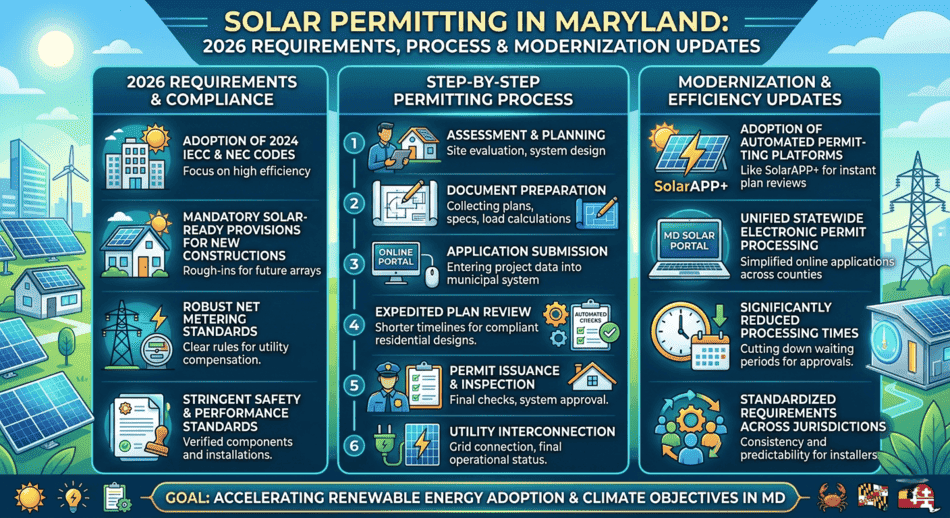
Solar Permit in Maryland: 2026 Requirements, Process & Modernization Updates
A solar permit in Maryland is a mandatory local government approval required bef...
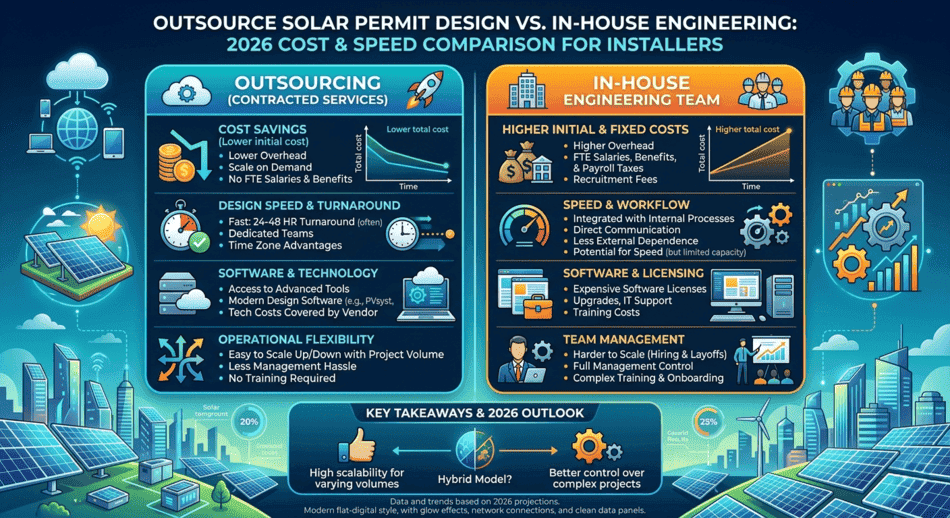
Outsource Solar Permit Design vs. In-House Engineering: 2026 Cost & Speed Comparison for Installers
Outsourced solar permit design typically costs $1,200 to $2,000 per residential ...

Solar Permits in Indiana: Duke Energy, AES Indiana & NIPSCO Requirements 2026
Discover Indiana solar panel permitting requirements, fees ($150-$400), timeline...