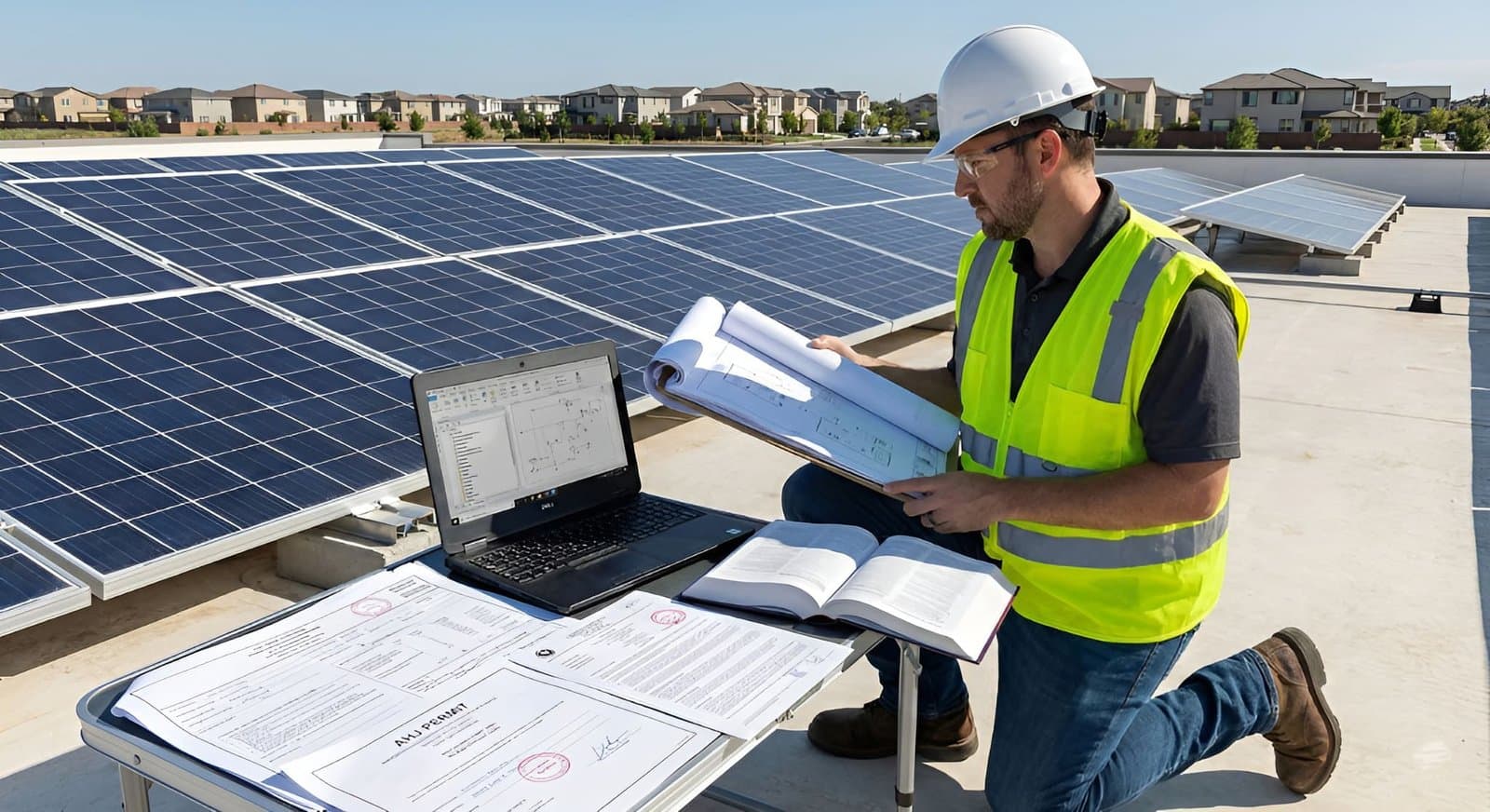
Solar engineering requirements for permits include structural load calculations, electrical system reviews, NEC code compliance, and often a Professional Engineer (PE) stamp certifying the design meets local building codes. The Authority Having Jurisdiction (AHJ) sets these standards, which vary significantly by state, county, and municipality.
Key solar engineering permit requirements:
- Structural engineering review: Verifies roof or ground-mount can support panel weight plus wind and snow loads
- Electrical engineering review: Confirms wiring, inverters, and grid interconnection meet NEC standards
- PE stamp: Licensed engineer certification required by many AHJs, especially for commercial projects
- Load calculations: Documents proving structural integrity under environmental stress conditions
Most residential solar projects require at minimum an electrical permit and building permit. Commercial installations typically mandate both structural and electrical PE stamps due to increased safety considerations. AHJs in hurricane-prone areas like Florida and high-wind regions enforce stricter structural requirements, while states like California add seismic considerations to engineering reviews.
Solar contractors fulfill these requirements either through in-house engineering teams or by partnering with specialized solar engineering firms that maintain PE licenses across multiple states.
Breaking Down Solar Engineering Standards
Solar engineering covers the technical aspects of designing and installing solar photovoltaic (PV) systems, including conducting a solar engineering review to verify compliance with electrical and structural standards.
Defining the Solar Engineering Review Process
Solar engineering involves designing and installing photovoltaic (PV) systems while verifying compliance with electrical and structural codes. This encompasses site assessments, system design, load calculations, and satisfying all permitting requirements. A solar engineering review confirms that a system meets safety and performance standards before solar permit approval by the AHJ.
The Importance of Structural Compliance in Solar Projects
Solar permits require meeting both electrical and structural engineering standards. While National Electric Code (NEC) compliance ensures proper wiring and system safety, a solar engineering review verifies that the system satisfies structural requirements.
Solar structural engineering confirms that roof-mounted or ground-mounted systems can withstand environmental forces. In regions like Dade County, Florida, hurricane-related building codes make structural requirements more stringent to prevent wind damage.
Geographic Variations in Engineering Standards
AHJs establish solar engineering requirements at the local level, meaning permitting rules can differ significantly. Some states require solar engineering stamps even for small residential projects, while others only mandate them for commercial installations. Researching these rules early prevents project delays and costly revisions. Many AHJs publish solar permit guidelines online, but direct communication with permitting offices sometimes proves necessary.
Typical Obstacles in the Review Process
Navigating local solar engineering requirements can present complexities. Researching and incorporating local AHJ requirements and utility requirements into each project often represents the most challenging aspect. Discovering requirements too late, after installation, can lead to costly corrections.
Determining When PE Stamps Become Mandatory
As project complexity increases, building departments often require a solar structural engineering stamp. Solar engineer requirements vary significantly depending on location and project scope.
Building departments tend to require professional engineer involvement in projects as complexity increases. In some states, involving a professional engineer in residential solar projects remains rare, whereas it proves quite common in others. For commercial solar energy projects, requesting an electrical engineer and/or structural engineer on the design team represents standard practice across the U.S. Most AHJs require both due to the greater risk to human life.
What Solar Engineers Do
A solar engineer plays a crucial role in permitting projects that require solar engineering reviews or professional engineering stamps. The primary responsibility involves designing code-compliant solar systems that meet solar engineer requirements while maximizing energy production and keeping project costs low.
A key part of the job involves ensuring both solar structural engineering and electrical safety by adhering to building and electrical codes. This includes verifying that the roof or mounting surface can support the system’s weight and endure environmental factors like wind and snow loads. Additionally, a solar engineer must ensure the electrical components integrate properly with the existing system to prevent hazards and optimize performance.

Two Categories of Engineering Standards
Most solar engineering requirements fall into two basic categories: structural standards and electrical standards. Structural engineering ensures the mounting system and building can handle the physical load, while electrical engineering verifies safe wiring, grounding, and grid integration.
Structural Standards for Solar Installations
Meeting solar structural engineering requirements involves assessing various factors to ensure safety, durability, and code compliance.
Assessing Roof Condition
A solar engineering review includes assessing whether the roof can support the weight of solar panels and mounting systems. This evaluation considers the roof type, age, and overall condition to ensure compliance with solar structural engineering standards.
Weight and Environmental Load Analysis
Meeting solar engineer requirements involves verifying that the roof or ground-mount structure can handle the additional load from the solar system. This includes accounting for environmental factors like wind and snow loads, which impact system safety and longevity.
Racking and Attachment Systems
Properly designed mounting systems prove essential for structural integrity. A solar engineering review ensures that these systems comply with local codes and withstand environmental conditions, preventing long-term issues or failures.
Electrical Standards for PV Systems
Solar electrical engineering ensures safe, efficient system integration by meeting solar engineer requirements through proper design, wiring, grounding, and inverter installation. A solar engineering review verifies compliance with codes and standards while optimizing system performance.
PV System Configuration
A solar engineering review ensures the electrical system integrates seamlessly with existing infrastructure while meeting all local codes and standards. Proper system design remains essential for compliance with solar engineer requirements, maximizing energy production, and preventing electrical hazards.
Conductors, Equipment, and Bonding
Selecting the right wiring, connectors, and circuit breakers proves critical for system efficiency and safety. Proper grounding and bonding prevent electrical faults and protect against surges. A solar engineering review ensures that all components meet code requirements and align with best practices in solar structural engineering to avoid overheating, voltage drops, and grounding issues.
Protective Devices and Utility Connection
Overcurrent protection devices, such as fuses and breakers, safeguard the system from short circuits and electrical overloads. Grid-tied systems must also comply with utility interconnection rules, ensuring proper synchronization with the electrical grid. Meeting solar engineer requirements guarantees a safe, reliable connection while adhering to local utility standards.
DC to AC Conversion Equipment
Proper inverter installation proves crucial for converting DC power from solar panels into usable AC power. Meeting solar engineer requirements ensures that inverters receive correct sizing, safe installation, and compliance with all performance and safety standards. A solar engineering review verifies placement, ventilation, and wiring to optimize efficiency and longevity.
Solar Permit Solutions
Skip the Permit Headaches
We design plan sets that pass inspection the first time. Code-compliant, PE-stamped, accepted by AHJs nationwide.
Frequently Required Engineering Deliverables
Although AHJ requirements vary significantly, several common solar permitting requirements apply to residential and light commercial solar projects. Specialized solar engineering firms help solar contractors meet solar design and engineering requirements, offering engineering services for residential, commercial, and utility projects.
Structural Engineering Services
Solar structural engineering ensures that mounting systems and support structures can withstand environmental forces over time while meeting solar engineer requirements and building codes. Since requirements vary by AHJ, a solar engineering review may or may not prove necessary to confirm compliance with local regulations.
Structural Design Evaluation
Design Evaluation: A comprehensive review of the structural design confirms that the solar panel installation meets solar engineer requirements and will not compromise the integrity of the building’s structure.
Load Assessment: This process ensures that the roof or mounting surface can support the additional weight and stresses imposed by the solar system.
Structural Load Assessment
Load Calculations: Performing detailed calculations evaluates the impact of the solar panels, considering factors such as wind and snow loads, while ensuring compliance with solar engineer requirements for structural safety.
Structural Integrity: This assessment determines whether the existing structure can handle the new load and identifies any necessary reinforcements or modifications.
Professional Structural Certification
Professional Certification: A written statement from a licensed engineer confirms that the solar system design has been reviewed and meets all safety and regulatory requirements.
Compliance Documentation: This provides evidence that the structural aspects of the solar installation comply with local building codes and meet solar engineer requirements for safety and stability.
Stamped Structural Documents
Engineer’s Seal: A licensed engineer’s official stamp or seal certifies that the design and analysis have been reviewed and comply with building codes and standards.
Legal Requirement: Often required for permit approval, this ensures the installation meets all structural safety standards.
Electrical Engineering Services
Solar electrical engineering focuses on designing and implementing electrical systems that connect solar panels to the grid or battery storage while ensuring efficient energy conversion, safety, and compliance with electrical codes. Meeting solar engineer requirements remains essential for a smooth installation and approval process.
Electrical Design Evaluation
Solar Design Evaluation: A detailed solar engineering review ensures the electrical system integrates safely with the existing infrastructure while complying with all applicable codes.
Component Assessment: This evaluates electrical components such as wiring, solar inverters, and disconnects for proper installation and operation.
Electrical System Assessment
System Compatibility: Analyzing the electrical system ensures it can handle the additional load and that all components receive proper sizing and installation.
Code Compliance: Verifying that the system meets national and local electrical codes and safety standards represents a crucial step in solar structural engineering approval.
Professional Electrical Certification
Professional Certification: A licensed engineer provides a written statement verifying that the electrical design meets solar engineer requirements and complies with all safety and regulatory standards.
Documentation of Compliance: This serves as formal proof that the electrical aspects of the solar system have undergone a solar engineering review and meet approval criteria.
Stamped Electrical Documents
Engineer’s Seal: A licensed engineer’s official stamp certifies that the electrical design and analysis adhere to solar structural engineering codes and standards.
Permit Requirement: Often necessary for permit approval, this confirms that the electrical components and design have been professionally evaluated and deemed safe.

Satisfying Permit Engineering Standards
Most solar contractors fulfill solar engineer requirements either through an in-house team or by partnering with a specialized firm for solar engineering review and solar structural engineering expertise.
Building an Internal Engineering Team
Pros:
Integration: Easier integration with other departments and projects within the organization.
Cost Efficiency: Potentially lower long-term costs when existing staff possess the right skills and engineering licenses.
Control: Greater control over the project and immediate access to the team when they have time availability.
Cons:
Skill Gaps: Requires specialized knowledge and ongoing training, which may not be available internally.
Resource Allocation: Diverts resources from other important tasks or projects.
Complexity: Managing compliance, regulations, and project specifics can prove challenging without dedicated expertise and the required engineering licenses.
Scalability: The in-house team may not scale up as the business grows, creating a lag time in completing engineering reviews and analysis.
Licensing Challenges: Solar engineers must hold licenses in the states where they operate, making it difficult for solar contractors to expand into new states.
Initial Investment: High initial costs arise for hiring and training specialized staff.
Time-Consuming: Establishing an in-house team and keeping them current with the latest industry standards and regulations demands significant time.
Risk of Turnover: Potential loss of investment occurs if trained employees leave the company.
Limited Perspective: In-house teams might lack exposure to diverse projects and innovative solutions that external engineering firms encounter.
Partnering With External Engineering Firms
Using a solar engineering firm to meet solar engineer requirements presents advantages and disadvantages, depending on the company’s expertise in solar engineering review and solar structural engineering.
Pros of Solar Engineering Firms:
Expertise and Experience: Access to specialized knowledge and experience in solar permit requirements and regulatory compliance.
Speed and Efficiency: Faster project execution with firms familiar with the latest solar technologies and best practices.
Regulatory Compliance: Quality firms ensure solar engineering review and solar engineering stamps meet evolving codes and standards.
Scalability: Project capacity can easily increase or decrease without hiring or firing solar engineers.
Risk Mitigation: Reduced risk of non-compliance with evolving regulations, as quality solar engineering companies stay constantly updated on industry changes.
Cost Predictability: Clear, predictable costs for solar engineering services without the overhead of maintaining a permanent in-house team.
Advanced Tools and Technology: Access to cutting-edge tools and software that might prove too costly for an in-house team investment.
Quality Assurance: Established solar engineering companies maintain quality control processes and can provide high-quality assurance.
Flexibility: Ability to contract projects to solar engineering firms on a project-by-project basis provides flexibility based on workload and project needs.
Networking and Relationships: Established solar design firms often maintain strong relationships with local AHJs, which can expedite the permitting and inspection process.
Focus on Core Competencies: Allows organizations to focus on core strengths and operational activities while leaving specialized solar energy engineering tasks to experts.
Professional Liability: Engineering firms carry professional liability insurance, protecting companies from potential legal and financial risks associated with engineering errors.
Time Savings: Reduces time spent on recruiting, training, and managing an in-house engineering team.
Cons of Solar Engineering Companies:
Less Control: Less direct oversight and potential delays in communication make selecting a solar engineering partner with good customer service important.
Dependency: Relying on an external firm can lead to potential issues if the relationship lacks proper management.
How to Select an Engineering Partner
Enjoying the benefits of using a solar engineering firm relies on careful selection. Start by evaluating the company’s reputation through its track record and reviews from past clients. Verify that it holds the necessary licenses and certifications in the states where operations occur.
Experience represents another critical factor. Prioritize firms with extensive knowledge of solar engineer requirements and a thorough understanding of solar engineering review processes. Some engineering firms specialize in other industries rather than solar structural engineering, which can result in slower turnaround times and higher costs.
Specialization in solar engineering also matters, as it indicates a deep understanding of the industry’s unique requirements. Reviewing the firm’s portfolio can provide insights into their ability to handle similar projects, and asking for references from other solar installers can help gauge satisfaction and identify any potential issues.

Optimizing the Design to Permit Workflow
Efficient project management proves essential for streamlining permits. Engage with the engineering firm early in the project to identify potential challenges and develop proactive solutions. Maintain open and regular communication with all stakeholders, including the solar engineering company, permitting authorities, and clients, to ensure everyone stays aligned and informed. Understanding solar permitting and engineering requirements prevents investing in unnecessary solar engineering services.
Ensure all documentation remains complete, accurate, and submitted on time to avoid delays. Use project management software to track progress, manage timelines, and keep all parties updated. Platforms that allow contractors to create and track projects ensure all communication stays well organized in one place. For off-grid installations, additional documentation may apply depending on local jurisdiction rules.
Overcoming Typical Engineering Obstacles
Solar contractors frequently face challenges in meeting solar engineer requirements, often leading to delays in permitting and installation.
Handling AHJ Requested Changes
One of the biggest hurdles in the solar permitting process involves addressing design revisions based on AHJ feedback. These revisions ensure compliance with local codes but can slow down projects without efficient handling.
A proactive approach involves maintaining clear communication with AHJs to fully understand their expectations and having a responsive solar engineering review process. Working with an experienced solar structural engineering team ensures quick, accurate updates that keep projects on track.
Design revisions work best with clear policies. If a city rejects a permit design due to design mistakes, quality engineering firms will correct the work at no additional charge. If a city rejects a permit due to missing an electrical or structural engineering stamp that was not ordered, the required services can be added to support the project. Avoiding common permit mistakes saves time and reduces revision cycles.
Tracking Evolving Codes and Standards
The solar industry constantly evolves, with new regulations and standards shaping project requirements. Keeping up with these changes remains essential for meeting solar engineer requirements and ensuring a smooth solar engineering review process. Industry research publications provide valuable insights into emerging best practices.
To stay informed, subscribe to industry newsletters, attend webinars, and engage with professional organizations that provide updates on solar regulatory changes. Resources like permitting inspection data and storage guidelines help contractors stay current. Partnering with a specialized solar structural engineering team also ensures projects align with the latest safety codes and design standards. California contractors should reference the state’s solar permitting portal for jurisdiction-specific updates.
Conclusion
Navigating solar engineering requirements demands a clear understanding of AHJ standards, PE stamp mandates, and the distinction between structural and electrical compliance. Solar contractors who master these elements avoid costly permit rejections, installation delays, and revision cycles that drain project profitability.
The path forward involves three critical steps: research local AHJ requirements early, secure the appropriate engineering reviews and stamps before submission, and maintain open communication with permitting authorities throughout the process. Whether building an internal engineering team or partnering with external specialists, the goal remains consistent: deliver code-compliant designs that satisfy safety standards while maximizing system performance.
Solar Permit Solutions provides engineering stamps, structural reviews, and permit-ready plan sets across all 50 states. Get AHJ-ready documentation with fast turnaround times. Submit your project details for a free quote and expedite your next permit approval.
FAQs
Skip the Permit Headaches
We design plan sets that pass inspection the first time. Code-compliant, PE-stamped, accepted by AHJs nationwide.
Frequently Asked Questions
A solar engineering review involves a comprehensive evaluation of your PV system design to verify compliance with electrical and structural codes. This review examines site assessments, load calculations, and system configurations to ensure safety and performance standards. Many AHJs require this review before granting permit approval, making it an essential step in the solar installation process.
Professional engineer stamps typically become mandatory as project complexity increases. Commercial solar projects across the U.S. commonly require both electrical and structural engineering stamps due to greater risk factors. For residential projects, requirements vary by state and AHJ. Some jurisdictions mandate PE stamps even for small residential installations, while others only require them for larger systems or specific roof types.
Turnaround times for solar engineering reviews depend on project complexity, the engineering firm's workload, and AHJ requirements. Simple residential reviews may take a few days, while complex commercial projects can require several weeks. Working with specialized solar engineering firms familiar with local requirements typically results in faster processing times compared to general engineering companies.
A structural engineering review typically requires roof framing details, truss layouts or rafter specifications, roof age and condition information, proposed panel layout and mounting system specifications, and local environmental data including wind and snow load requirements. Providing complete and accurate documentation upfront helps prevent delays and revision requests during the review process.
No, professional engineers must hold valid licenses in each state where they provide engineering services. This licensing requirement creates challenges for solar contractors expanding into new markets. Partnering with a solar engineering firm that maintains licenses across multiple states simplifies multi-state operations and ensures compliance with local PE requirements without managing multiple engineering relationships.

SPS Editorial Team
Solar Permit Solutions
Solar Permit Solutions provides professional solar permit design services for residential, commercial, and off-grid installations across all 50 states. Our team ensures permit-ready plan sets delivered fast.
Related Articles

How Many Solar Panels Do I Need to Run Off the Grid?
Most off-grid homes need about 8 to 16 solar panels rated at 400 watts, dependin...
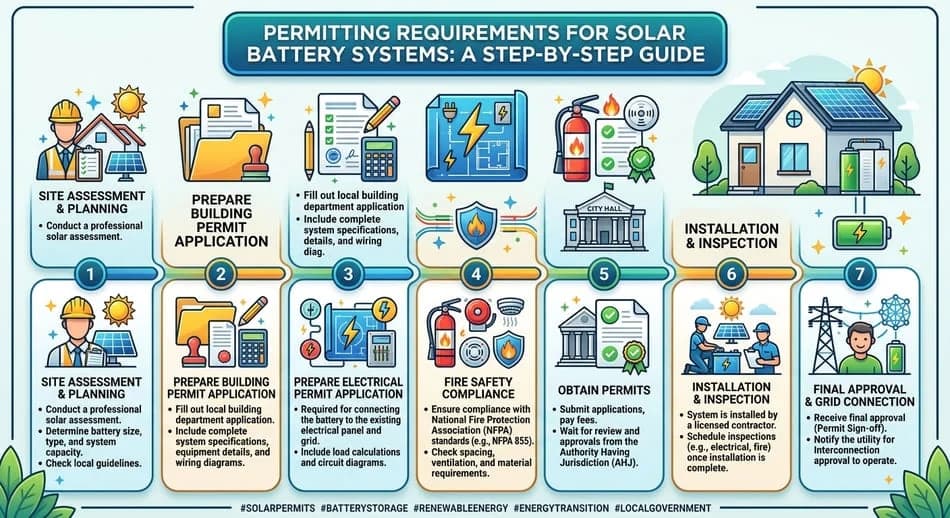
Solar Battery Permit Requirements: What You Need to Know
A solar battery usually needs local approval and a utility review before it can ...
How To Add A Battery To Your Existing Solar System
Adding a battery to your solar system costs $10,000-$20,000. Save with 30% feder...