
Solar installation licenses are legally required credentials that prove contractors have completed mandatory training, passed state examinations, and maintain proper insurance coverage to safely install solar panel systems. Licensed solar installers must hold either a specialized solar contractor license (like California’s C-46), an electrical contractor license, or NABCEP certification depending on state requirements, with most states requiring 2-5 years of documented experience before licensure.
Hiring a licensed solar installer is critical because unlicensed installations void manufacturer warranties (typically 20-25 years), invalidate homeowner insurance policies, and fail to qualify for federal tax credits worth up to 30% of installation costs. Licensed contractors carry liability insurance ranging from $500,000 to $2 million, workers’ compensation coverage, and surety bonds that protect homeowners from financial loss.
To verify a solar installer’s license: Visit your state contractor licensing board website, search the NABCEP database, and request copies of their license number, insurance certificates, and proof of bonding. Warning signs of unlicensed contractors include demands for full upfront payment, reluctance to provide license numbers, suggestions to skip permits, and prices 30%+ below market average.
State-specific requirements include: California requires C-46 Solar Contractor License with written and practical exams; Florida mandates a Solar Contractor License (CVC56789 format); Texas requires an electrical contractor license; Massachusetts needs an electrical license plus solar-specific training; and Arizona requires ROC licensing with solar specialty classification.
The solar installation process involves electrical work at 240-600 volts DC, roof penetrations affecting structural integrity, utility interconnection agreements, and compliance with National Electrical Code (NEC) Articles 690-705. Only licensed professionals have verified knowledge of these technical requirements, local building codes, fire safety standards, and proper grounding procedures that prevent electrical fires, roof leaks, and system failures costing $10,000-$50,000 to repair.
Safeguard your solar energy investment and prioritize safety by confirming appropriate licensing credentials before engaging any solar panel installation contractor. Valid solar installation licensure proves that your chosen installer has undergone necessary training programs, comprehends regional building regulations, and secures adequate insurance protection. Throughout the solar panel installation process, licensed specialists adhere to rigorous quality benchmarks, optimize system performance, and guarantee adherence to power company standards. Their professional knowledge facilitates obtaining required permits, establishing eligibility for federal tax credits, and preserving equipment manufacturer guarantees. Whether you’re evaluating rooftop solar panels or off-grid installations, partnering with a licensed contractor protects your financial commitment and delivers confidence for many years of dependable renewable energy generation.

The Importance of Solar Installation Licensing
Ensuring Safety and Quality Standards
Solar installation licensure functions as your assurance of secure practices and superior craftsmanship. Licensed contractors must prove comprehensive understanding of electrical infrastructure, roof installation methods, and regional construction regulations before conducting installations. This credential confirms their grasp of vital safety procedures, correct equipment utilization, and contemporary industry benchmarks.
Licensed professionals maintain suitable insurance protection, shielding property owners from responsibility should accidents or property damage happen during installation work. They additionally recognize the significance of appropriate permit acquisition and official inspections, guaranteeing your system satisfies all regional safety standards and construction codes.
Quality verification continues well past installation completion. Licensed contractors generally provide guarantees and keep thorough records of their projects, offering reassurance for extended periods. They’re additionally obligated to remain updated with advancing technology and safety regulations through ongoing professional development, confirming your solar energy system gets installed using current optimal practices and safety protocols.
Keep in mind, selecting a licensed contractor transcends mere regulatory compliance, it’s about securing your financial investment and confirming your solar energy system functions safely and productively for many decades.
Protection Through Insurance and Warranties
Engaging a licensed solar contractor proves essential for preserving legitimate insurance protection and warranty validity. Most property insurance plans mandate that major electrical projects, encompassing solar installations, get executed by licensed experts. When unlicensed workers conduct installations, this may nullify your property insurance protection and potentially expose you to liability for damages or incidents.
Likewise, solar equipment manufacturers generally demand professional installation through licensed contractors to preserve their warranty protection. Engaging an unlicensed contractor might invalidate these important manufacturer guarantees, which frequently span 20-25 years. This safeguard proves vital for defending your solar investment throughout its operational life.
Licensed contractors additionally maintain their own insurance and bonding, offering supplementary protection for property owners. This encompasses workers’ compensation insurance and liability protection, confirming you’re shielded if incidents happen during installation work. Consistently demand evidence of both licensing and insurance records before advancing with your solar installation undertaking.

Categories of Solar Installation Licenses
Electrical Contractor Licensing
Electrical contractor licensure represents a vital element of solar installation qualifications. Most jurisdictions mandate solar contractors to possess or operate under legitimate electrical contractor licensure because of the sophisticated electrical systems integral to solar installations. These licenses confirm that experts possess the required knowledge to securely manage high-voltage electrical elements and connect solar systems with your property’s current electrical setup.
For acquiring an electrical contractor’s license, experts generally require multiple years of practical experience, structured training in electrical systems, and must successfully complete thorough examinations addressing electrical principles, safety standards, and regional regulations. Numerous jurisdictions feature various categories of electrical licenses, with particular classifications for solar and alternative energy systems.
When selecting a solar contractor, consistently confirm their electrical licensing qualifications through your jurisdiction’s licensing authority. Legitimate electrical contractor licensure proves that your contractor has satisfied demanding safety and capability benchmarks, providing you reassurance that your solar installation will get finished safely and properly. Keep in mind that engaging an unlicensed contractor might void guarantees and generate safety risks.
Specialized Solar Credentials
Multiple respected institutions provide specialized solar credentials that prove a contractor’s knowledge and dedication to excellence. The North American Board of Certified Energy Practitioners (NABCEP) credential remains broadly recognized as the industry gold standard. Their PV Installation Professional Credential demands substantial training, verified installation background, and successfully completing a demanding examination.
Solar Energy International (SEI) similarly delivers thorough certification programs, emphasizing both technical abilities and safety standards. Their qualifications prove especially beneficial for contractors handling particular types of solar systems or operating in demanding environmental situations.
The Electronics Technicians Association (ETA) provides the Photovoltaic Installer credential, addressing system planning, installation, and upkeep. This credential proves particularly useful for professionals concentrating on residential installations.
For property owners, selecting a contractor with these credentials delivers reassurance and confirms your solar undertaking will get finished safely and productively. When assessing prospective contractors, seek these qualifications together with state-mandated licenses, as they prove a dedication to professional distinction and continuous training in the industry.
Verifying Your Installer’s Qualifications
Digital License Confirmation Resources
Multiple dependable digital resources simplify verifying your solar contractor’s license status. Begin with your jurisdiction’s contractor licensing authority website, which generally provides a complimentary search capability where you can input the contractor’s license identification or company name. The Interstate Renewable Energy Council (IREC) solar licensing database provides comprehensive state-by-state licensing requirements.
Numerous jurisdictions additionally offer consumer safety websites where you can investigate complaints or enforcement actions against contractors. Understanding solar radiation maps by region can also help you evaluate whether your installer’s experience matches your geographic conditions. For extra reassurance, validate your discoveries with the Better Business Bureau’s digital directory, which features comprehensive company profiles and consumer feedback.
Remember to preserve screenshots or printed documentation of license confirmation outcomes for your files. These resources get consistently refreshed, rendering them the most dependable method to confirm your selected contractor maintains current, legitimate qualifications.
Warning Signs to Recognize
When assessing solar contractors, remain attentive to multiple warning indicators that might suggest licensing concerns. Bypass contractors who apply pressure for quick decisions or require complete payment beforehand. Stay cautious of those who cannot supply their license identification promptly or show reluctance to provide references from current installations.
Be alert for abnormally reduced estimates, as they could suggest inferior materials or unskilled laborers. If a contractor recommends bypassing permits or inspections, this constitutes a significant warning indicator. Similarly, exercise caution with contractors who don’t have physical company locations or appropriate insurance records.
Confirm that the business name on their license corresponds with their promotional materials precisely. Certain dishonest contractors employ similar-sounding names to mislead property owners. Additionally, remain suspicious if they’re reluctant to supply comprehensive written agreements or if they demand cash-exclusive payments.
Follow your judgment, if something appears questionable about a contractor’s qualifications or conduct, it merits investing additional time to confirm their authenticity.

Solar Permit Solutions
Affordable Solar Permit Plans
Don't let permit costs slow your project. Professional plan sets at competitive prices — all 50 states, fast turnaround.
Essential Questions for Your Solar Installer
Before executing any agreements, asking your prospective solar contractor the appropriate questions about their licensing and credentials proves crucial. Here’s a thorough list to assist you in making a well-informed choice:
1. Do you hold proper licensing to install solar systems in this jurisdiction? Request their license identification and confirm it through your jurisdiction’s contractor licensing authority.
2. Do you possess particular solar credentials, such as the North American Board of Certified Energy Practitioners (NABCEP) certification?
3. What duration has your business been installing solar systems, and what number of installations have you finished in this region?
4. Will you utilize subcontractors for any installation portion? If affirmative, do they also hold proper licensing and credentials?
5. Can you supply evidence of liability insurance and workers’ compensation protection?
6. What guarantees do you provide, and do they have insurance backing should your business cease operations?
7. Do you manage all required permits and inspections with regional authorities?
8. Can you supply references from current regional installations?
9. Who serves as my primary contact person throughout the installation work?
10. What continued assistance do you offer following installation?
Remember to obtain all responses documented and incorporate them in your agreement. While reviewing these topics, don’t overlook asking about financing your solar installation, as established contractors frequently maintain relationships with reliable financial partners.
Document these discussions and feel comfortable requesting clarification. A professional contractor will gladly address all your questions and supply the records you request.
Requirements by State
Solar installation licensing standards differ substantially among various jurisdictions, representing regional solar energy regulations and industry benchmarks. Certain jurisdictions, including California and Florida, maintain particular solar contractor licenses that contractors must secure. Alternative jurisdictions may demand either an electrical license or a general contractor license accompanied by solar credentials.
For instance, California requires a C-46 Solar Contractor License, which entails successfully completing both written and hands-on examinations. Conversely, Massachusetts demands contractors to possess an electrical license and finish supplementary solar-focused training. Certain jurisdictions maintain reciprocity arrangements, permitting licensed contractors from one jurisdiction to operate in another without securing extra qualifications.
Numerous jurisdictions additionally mandate contractors to secure insurance protection, finish ongoing education programs, and register their company with regional authorities. Certain areas may demand extra credentials from institutions like the North American Board of Certified Energy Practitioners (NABCEP).
Before engaging a solar contractor, property owners should investigate their jurisdiction’s particular standards through their regional contractor licensing authority or consumer safety department. This confirms they engage properly qualified experts who comprehend regional construction regulations, safety benchmarks, and installation optimal practices.
Remember that standards can additionally differ at the county or municipal level, so verifying regional regulations proves essential.
Moving toward solar energy represents a wise investment in your property’s future, and confirming appropriate licensing proves vital for a successful installation. By selecting a licensed solar contractor, you’re defending your investment and confirming adherence to regional regulations. Remember to verify qualifications, investigate references, and inquire about particular experience with comparable installations. Don’t hesitate to obtain multiple estimates and records of licenses and insurance. When you’re prepared to advance, reach out to your regional building authority to comprehend particular standards and arrange required inspections. With the right licensed expert supporting you, you’ll be progressing toward experiencing clean, renewable energy while potentially reducing thousands on your power expenses throughout the years.
Conclusion
Selecting a properly licensed solar installer represents one of the most critical decisions in your solar energy journey. Throughout this guide, we’ve explored how licensing protects your investment, ensures compliance with safety standards, and maintains the validity of warranties and insurance coverage. Licensed professionals bring verified expertise in electrical systems, building codes, and industry best practices that unlicensed contractors simply cannot guarantee.
The solar installation process involves complex electrical work, roof penetrations, and integration with utility systems, all areas where proper training and certification prove essential. By taking the time to verify credentials, check certifications like NABCEP, and confirm insurance coverage, you’re not just following regulations; you’re making a smart financial decision that protects your home and family for decades to come.
Remember that the lowest price doesn’t always deliver the best value. A licensed installer’s expertise prevents costly mistakes, ensures optimal system performance, and provides peace of mind through proper warranties and ongoing support. The investment you make in choosing quality, licensed professionals will pay dividends through reliable energy production, maintained property value, and trouble-free operation of your solar system.
As you move forward with your solar project, use the verification tools and questions outlined in this guide to confidently select a contractor who meets all licensing requirements. For professional solar design services and permit expediting assistance, consider working with experienced specialists who understand the complexities of solar installations. Visit our blog for more insights on solar energy best practices. Your diligence today ensures that your transition to clean, renewable energy will be safe, successful, and financially rewarding for many years ahead.
FAQs
How can I verify if a solar installer’s license is current and valid?
Verifying a solar installer’s license is straightforward and should always be done before signing any contract. Start by visiting your state’s contractor licensing board website, where you can search by license number or business name to confirm current status. The Solar Energy Industries Association (SEIA) provides resources for understanding licensing standards across different states. Additionally, check your state’s consumer protection website for any complaints or disciplinary actions. Request the contractor’s license number directly and cross-reference it across these platforms. Always ask for physical copies of their license, insurance certificates, and any additional certifications. Legitimate contractors will readily provide this documentation without hesitation.
What’s the difference between a license and a certification like NABCEP?
A license is a legal requirement issued by state or local government agencies that permits a contractor to perform solar installations in that jurisdiction. It demonstrates compliance with minimum legal standards, including passing exams, meeting experience requirements, and maintaining insurance. A certification like NABCEP (North American Board of Certified Energy Practitioners) is a voluntary professional credential that demonstrates advanced expertise and commitment to industry excellence. While not always legally required, NABCEP certification is considered the gold standard in the solar industry and indicates that an installer has met rigorous national standards beyond basic licensing requirements. The best solar installers typically hold both valid state licenses and professional certifications like NABCEP.
Affordable Solar Permit Plans
Don't let permit costs slow your project. Professional plan sets at competitive prices — all 50 states, fast turnaround.
Frequently Asked Questions
Hiring an unlicensed solar installer can create serious consequences for homeowners. Your homeowner's insurance policy may become void for any damage related to the installation, leaving you personally liable for accidents or property damage. Additionally, manufacturer warranties on your solar panels and equipment typically require professional installation by licensed contractors—using an unlicensed installer will likely invalidate these valuable 20-25 year warranties. You may also face issues obtaining necessary permits, passing inspections, or qualifying for federal and state tax incentives. Furthermore, improperly installed systems pose safety hazards including electrical fires, roof damage, and system failures that could cost thousands to repair.
Verifying a solar installer's license is straightforward and should always be done before signing any contract. Start by visiting your state's contractor licensing board website, where you can search by license number or business name to confirm current status. The Solar Energy Industries Association (SEIA) provides resources for understanding licensing standards across different states. Additionally, check your state's consumer protection website for any complaints or disciplinary actions. Request the contractor's license number directly and cross-reference it across these platforms. Always ask for physical copies of their license, insurance certificates, and any additional certifications. Legitimate contractors will readily provide this documentation without hesitation.
No, licensing requirements vary significantly from state to state. Some states like California require a specific solar contractor license (C-46 Solar Contractor License), while others require either an electrical contractor license or a general contractor license with additional solar certifications. States like Massachusetts mandate an electrical license plus solar-specific training. A few states have reciprocity agreements allowing licensed contractors from one state to work in another, but this isn't universal. Some jurisdictions also have additional county or city-level requirements beyond state licensing. It's essential to research your specific state's requirements through your local contractor licensing board to understand what credentials are legally required in your area.
A license is a legal requirement issued by state or local government agencies that permits a contractor to perform solar installations in that jurisdiction. It demonstrates compliance with minimum legal standards, including passing exams, meeting experience requirements, and maintaining insurance. A certification like NABCEP (North American Board of Certified Energy Practitioners) is a voluntary professional credential that demonstrates advanced expertise and commitment to industry excellence. While not always legally required, NABCEP certification is considered the gold standard in the solar industry and indicates that an installer has met rigorous national standards beyond basic licensing requirements. The best solar installers typically hold both valid state licenses and professional certifications like NABCEP.
This depends on your state's specific regulations. In some states, a licensed general contractor can legally install solar systems, though they may need to work with or employ a licensed electrician for the electrical components. However, many states require either a specialized solar contractor license or an electrical contractor license specifically for solar installations due to the technical complexity involved. Even if your state allows general contractors to perform solar work, it's highly recommended to choose installers with specialized solar training and certifications. Solar installation involves unique challenges with electrical systems, roof integration, and utility interconnection that general construction experience may not adequately cover. Always verify what your state requires and prioritize contractors with solar-specific expertise and credentials.
License renewal periods vary by state, but typically range from one to three years. During renewal, contractors must often complete continuing education courses, maintain insurance coverage, and demonstrate ongoing compliance with state regulations. This renewal process matters significantly to homeowners because it ensures your installer stays current with evolving technology, updated building codes, and new safety standards in the rapidly advancing solar industry. An installer with a recently renewed license has demonstrated commitment to professional development and maintained good standing with regulatory authorities. Before hiring, ask about license renewal dates and verify that all credentials are current—expired or lapsed licenses indicate a contractor who may not be keeping pace with industry changes or maintaining proper business practices.

SPS Editorial Team
Solar Permit Solutions
Solar Permit Solutions provides professional solar permit design services for residential, commercial, and off-grid installations across all 50 states. Our team ensures permit-ready plan sets delivered fast.
Related Articles
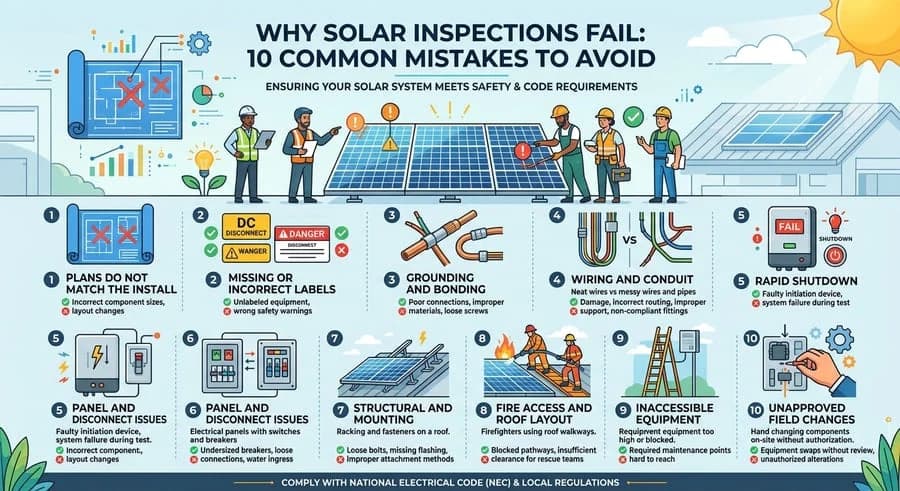
Why Solar Inspections Fail: 10 Common Mistakes to Avoid
Discover the 9 critical reasons solar inspections fail and how to avoid costly m...
Solar Grounding And Bonding: How To Pass Inspection Every Time
Learn how to pass solar grounding and bonding inspections every time. Avoid comm...
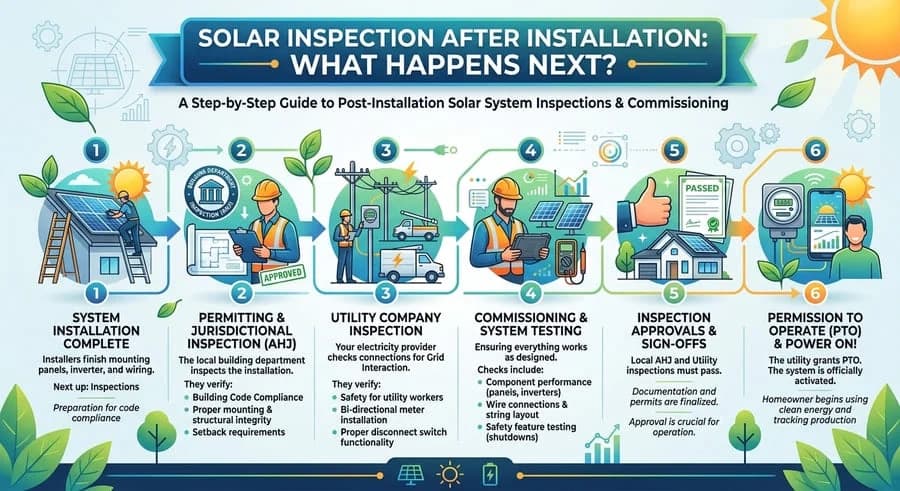
Solar Inspection After Installation: What Happens Next?
Learn how to pass your solar inspection by following essential tips for obtainin...