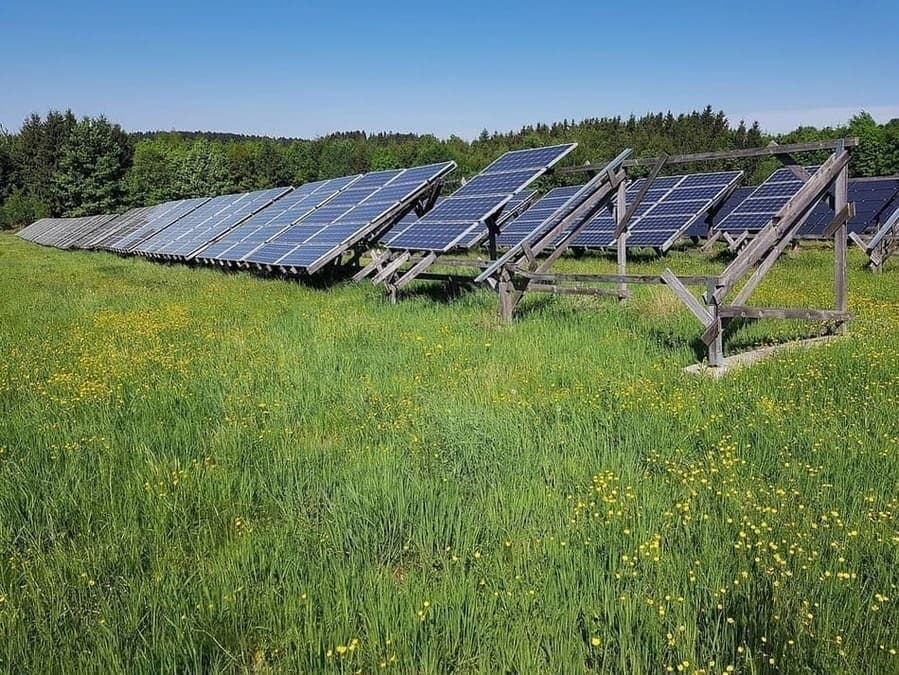
Solar panels typically last 25 to 30 years before requiring replacement or recycling. When solar panels reach the end of life, they degrade to approximately 75 to 87.5% of their original efficiency and must be properly decommissioned through either repowering (replacing panels while keeping infrastructure) or complete system removal. Approximately 95% of solar panel materials, including glass (75 to 80% of total weight), aluminum, silicon, and valuable metals like silver and copper, can be recycled through specialized facilities.
Key End-of-Life Options:
- Repowering: Replace aging panels while retaining mounting systems and electrical infrastructure (cost-effective when infrastructure remains sound)
- Complete Decommissioning: Remove entire system, including panels, mounting structures, and electrical components (necessary when system is obsolete or damaged)
- Recycling: Recover valuable materials through thermal processing, chemical separation, or laser technology at specialized facilities
Critical Timeline: By 2030, the United States will generate approximately 1 million tons of solar panel waste, increasing to 10 million tons by 2050. Proper disposal prevents hazardous materials like cadmium and lead from contaminating soil and groundwater. The European Union mandates recycling under WEEE Directive, while U.S. regulations vary by state. Washington requires manufacturer take-back programs, and the EPA proposed universal waste classification in 2023.
Solar panels degrade at 0.5 to 1% annually. After 25 years, panels still generate electricity but at reduced capacity, making replacement financially viable for maximizing energy production.
Throughout this article, we’ll investigate the standard operational lifespan of solar panels, analyze the variables influencing their durability, and examine how performance diminishes progressively. We’ll subsequently explore the decommissioning procedures, detailing the choices between system repowering and full removal of aging panels. To conclude, we’ll evaluate both the environmental consequences and economic considerations connected to these alternatives, delivering a thorough examination of solar panel end-of-life scenarios.
How Long Solar Panels Actually Last
Most photovoltaic systems deliver reliable performance for approximately three decades, though this can vary considerably. Multiple elements determine how long your panels remain productive, such as construction standards, surrounding climate, and how well you care for them. Premium-grade modules engineered with superior components frequently surpass the standard timeline, continuing to generate power efficiently well into their fourth decade. Meanwhile, budget-tier alternatives may show significant performance decline much sooner, cutting their operational window short.
Your geographical location and local weather patterns dramatically shape panel durability. Installations facing relentless environmental challenges (think prolonged winter storms, intense wind exposure, or repetitive hail bombardment) suffer greater physical deterioration over time. Coastal properties present unique challenges too; the constant salt-laden air creates corrosive conditions that eat away at panel components, gradually undermining their structural soundness.
How you maintain your residential solar system directly correlates with its service life. Routine care that includes washing away grime buildup, clearing organic debris, and systematic assessments to spot early warning signs of wear can add valuable years to your system. Equally important is preventing shade interference and maintaining the correct panel orientation. These fundamental practices help your installation sustain peak output levels throughout its operational lifetime.

Performance Decline Over Time
Every photovoltaic module undergoes a natural performance reduction throughout its service life, a phenomenon called degradation. Typically, panels shed roughly 0.5% to 1% of their power output annually. By the quarter-century mark, your system might still deliver between 75% and 87.5% of its day-one generating capacity. Though this efficiency loss can’t be avoided entirely, its pace fluctuates based on previously discussed variables. Superior modules built with premium components and maintained diligently experience slower deterioration rates, retaining robust productivity levels across extended timeframes.
What Happens When Your Solar System Ages Out?
Once photovoltaic installations complete their productive years, retirement procedures must begin. These procedures encompass multiple phases: severing grid connections, physically extracting panels from their mounted positions, and determining the fate of retired equipment. Property owners face two primary pathways: system upgrades or full-scale removal.
System upgrading means swapping aging panels for modern alternatives while retaining existing mounting infrastructure, electrical wiring, and hardware. Property owners frequently select this route when their current framework remains structurally sound and compatible with newer technology. This approach breathes fresh life into solar installations, often boosting both performance metrics and total energy generation.
Full-scale removal takes a different approach, eliminating every system component: panels, mounting apparatus, and all electrical infrastructure. This comprehensive teardown becomes necessary when the complete installation has become obsolete, sustained damage, or simply can’t deliver worthwhile energy production anymore. Following removal, all components require careful handling to prevent ecological harm.
Solar Permit Solutions
Need Solar Permit Plans?
Professional, permit-ready solar plan sets delivered fast. Residential and commercial projects across all 50 states.
Environmental and Economic Considerations
The ecological footprint of retiring solar systems hinges entirely on disposal methods. Careless handling risks releasing toxic substances (including cadmium and lead compounds) that threaten groundwater supplies and soil quality. Conversely, recycling operations can salvage precious resources like glass sheets, aluminum frames, and silicon wafers for remanufacturing, cutting demand for virgin materials while reducing landfill burden.
From a financial standpoint, retiring and processing old panels presents dual realities. Current recycling expenses remain elevated, and secondary material markets continue maturing. Nevertheless, as decommissioned panel volumes grow, bulk processing advantages should improve financial viability. Furthermore, advancing recycling methodologies and expanding processing facilities promise employment opportunities and economic momentum within sustainable energy industries.
Grasping end-of-life management for solar technology proves vital for preserving renewable energy’s environmental credentials while capturing emerging economic prospects. Strategic handling of retirement processes (whether through upgrading or material recovery) reduces ecological damage and advances long-term energy sustainability goals.

Recycling Solar Panels
With solar power adoption accelerating worldwide, comprehending photovoltaic module recycling processes grows increasingly critical. Recycling these systems delivers dual benefits: reducing waste-related environmental damage while reclaiming precious resources for manufacturing new products.
Recyclable Components Within Solar Panels
Photovoltaic modules contain several primary materials, including:
Glass: Dominates panel composition at roughly 75 to 80% of total mass. Aluminum: Comprises the outer frame structure, allowing straightforward separation and reprocessing. Silicon: Powers the photovoltaic cells responsible for converting sunlight into electricity. Metals: Silver, tin, and copper form the internal wiring networks and electrical contacts.
How the Recycling Process Works
Collection Phase: Decommissioned panels are gathered from installation locations and shipped to processing centers. Proper handling during collection prevents panel damage and minimizes contamination risks.
Transport Stage: Moving solar panels requires specialized logistics to ensure safe, efficient delivery to recycling operations. This typically demands protective packaging that guards against transit damage.
Disassembly Step: Upon arrival at processing facilities, panels undergo systematic dismantling to isolate individual components. Workers remove aluminum frames, glass sheets, and auxiliary parts.
Material Reclamation
Glass: Undergoes cleaning before crushing into cullet (a recyclable form that melts down for manufacturing fresh glass products).
Aluminum: Gets separated and liquefied for reintegration into new frames or alternative aluminum goods.
Silicon: The silicon wafers receive purification treatment to eliminate contaminants before melting and casting into new ingots for solar cell production.
Metals: Extraction occurs through techniques like electrolysis, followed by refinement and reintegration into manufacturing.
Present Status of Recycling Technologies and Infrastructure
Solar panel recycling technology continues advancing, with numerous sophisticated methods emerging to boost efficiency and material recovery percentages. Certain facilities deploy thermal approaches that burn away plastic elements while salvaging metals; others utilize chemical treatments for material separation.
Internationally, specialized photovoltaic recycling centers are multiplying, particularly throughout high-adoption territories like Europe and North America. However, overall processing capacity remains constrained, requiring substantial infrastructure expansion to accommodate the anticipated wave of retiring panels in upcoming decades, as noted by renewable energy research.
Recycling Obstacles and Barriers
Processing end-of-life solar panels presents multiple substantial hurdles affecting operational efficiency and effectiveness.
Material Complexity
Photovoltaic modules feature numerous tightly-bonded material layers. This intricate construction stems from combining elements like glass, silicon, metals, and industrial adhesives during assembly. These bonding agents (while ensuring durability and performance) significantly complicate disassembly and material separation. This structural integration hampers recycling efficiency by preventing easy isolation and recovery of individual components.
Financial Viability
Economic sustainability represents another critical obstacle. Processing expenses often exceed the market worth of certain recovered materials. Though aluminum and glass components yield higher recovery value, silicon and rare metal extraction might not justify retrieval costs. Additionally, limited widespread recycling infrastructure prevents economies of scale, diminishing investment appeal for large-scale recycling ventures.
Absence of Universal Standards
A major impediment involves lacking standardized recycling methodologies. Without global protocols, facilities employ varied handling and processing approaches for solar panels. This inconsistency breeds inefficiencies in material recovery and diminishes overall recycling effectiveness. Procedural variations cause recovered material quality and quantity to fluctuate dramatically, undermining program effectiveness and intended environmental advantages.
Toxic Substance Management
Certain panels contain dangerous compounds like cadmium and lead, introducing additional recycling complications. These substances demand specialized handling to prevent environmental pollution and guarantee safe disposal. Managing hazardous materials increases both complexity and expenses, requiring specialized techniques and stringent safety protocols for effective neutralization.
Infrastructure Shortfall
Recycling infrastructure for solar panels remains underdeveloped across numerous regions. Despite dedicated facilities existing, their quantity pales against the expanding volume of aging panels. This infrastructure gap results in improper disposal practices, with many panels landing in landfills rather than recycling centers. Inadequate infrastructure simultaneously impedes efficient system development and amplifies environmental consequences from discarded photovoltaic equipment.

Breakthrough Innovations and Recycling’s Future
Notwithstanding these obstacles, emerging recycling technology advancements provide encouraging pathways toward overcoming current barriers and enhancing processing efficiency.
Cutting-Edge Technologies
Laser Separation: Laser systems enable precise material separation within solar panels. This approach improves recovery accuracy while eliminating manual disassembly requirements.
Enhanced Thermal Processing: Novel thermal methods extract valuable materials while curtailing harmful emissions. These controlled heating techniques recover components without releasing environmental pollutants.
Chemical Recycling Evolution: Scientists are pioneering safer, more effective chemical approaches for separating and reclaiming panel materials. These breakthroughs target improved processing efficiency and enhanced safety protocols.
Research Initiatives
Continuous research emphasizes boosting solar panel recycling efficiency while reducing associated expenses. Partnerships among universities, private enterprises, and governmental bodies propel innovation forward. Research programs develop novel technologies, refine existing methodologies, and tackle recycling-related challenges. Organizations like the IEEE Power & Energy Society are actively advancing renewable energy standards.
Legislative Support and Incentives
Governments increasingly acknowledge solar panel recycling importance, introducing supportive legislation and incentive programs. The European Union, for instance, enacted regulations requiring panel recycling, establishing precedents for other territories. These policies encourage recycling infrastructure development and ensure environmentally responsible end-of-life panel management. Comparable initiatives are under consideration or implementation elsewhere, reflecting growing sustainability commitments. The World Bank’s energy initiatives provide additional frameworks for global renewable energy development.
Industry Success Stories and Examples
First Solar
First Solar, a prominent panel manufacturer, operates an extensive recycling initiative exemplifying industry best practices. Their sophisticated recycling methods achieve up to 90% material recovery from their panels. This impressive recovery percentage demonstrates effective recycling potential and underscores comprehensive program investment benefits.
PV Cycle
PV Cycle manages a continental-scale recycling operation throughout Europe, serving as a blueprint for successful photovoltaic recycling ventures. Their program streamlines panel collection and recycling, standardizing practices while improving recovery rates. PV Cycle’s achievements establish benchmarks for other regions and organizations, illustrating collaborative recycling program advantages.
Environmental and Industrial Benefits
These program successes have generated substantial positive environmental and industrial impacts. Through effective end-of-life panel management, these initiatives have diminished solar energy’s environmental footprint while providing valuable best-practice insights. They emphasize collaboration and innovation’s importance in achieving sustainable results and advancing the recycling sector.
Conclusion
The journey of solar panels doesn’t end when their efficiency begins to wane after 25 to 30 years of faithful service. Understanding end-of-life management for photovoltaic systems is paramount as we navigate the renewable energy transition. While the solar industry has excelled at deploying clean energy solutions, we now face the critical challenge of closing the sustainability loop through responsible retirement practices.
The path forward demands a multifaceted approach. System repowering offers property owners the opportunity to modernize installations while preserving existing infrastructure, maximizing both environmental and economic returns. When complete decommissioning becomes necessary, recycling emerges as the environmentally superior choice, transforming retired panels into valuable raw materials for future manufacturing rather than allowing them to become landfill burdens.
Despite current obstacles including processing costs, infrastructure limitations, and material complexity, the trajectory points toward improvement. Technological innovations like laser separation and advanced thermal processing are revolutionizing material recovery rates. Government policies worldwide are establishing regulatory frameworks that mandate responsible disposal, while industry pioneers demonstrate that high recovery rates exceeding 90% are achievable.
The solar panels powering our homes and businesses today represent more than just energy generation. They embody our commitment to environmental stewardship. By prioritizing responsible end-of-life management, supporting recycling infrastructure development, and choosing Solar Permit Solutions as your trusted partner, we ensure that solar energy remains truly sustainable from installation through retirement. The future of solar isn’t just about harnessing the sun’s power. It’s about creating a circular economy where today’s panels become tomorrow’s renewable resources. For those interested in commercial solar design, understanding end-of-life considerations is crucial from the planning stage.
FAQs
What happens to solar panels if they aren’t recycled properly?
Improperly disposed solar panels pose environmental risks. Some panels contain hazardous materials like cadmium and lead that can leach into soil and groundwater when sent to landfills. Beyond pollution concerns, landfilling wastes valuable resources (including rare metals and silicon) that could be recovered for manufacturing new products. The International Renewable Energy Agency projects 78 million tonnes of solar panel waste globally by 2050, making responsible disposal increasingly critical for environmental protection. Understanding electrical fundamentals for solar projects helps homeowners recognize the importance of proper system management.
For more information on sustainable building practices and energy-efficient solutions, explore our comprehensive blog resources or consult with green building experts. Understanding solar panel lifecycle management ensures your renewable energy investment delivers maximum environmental and economic value. Consider exploring solar permitting solutions to streamline your next solar project while maintaining compliance with evolving regulations. Additionally, essential books on DIY solar energy and permit expediting services can provide valuable knowledge for homeowners looking to optimize their systems throughout their entire lifecycle.
Need Solar Permit Plans?
Professional, permit-ready solar plan sets delivered fast. Residential and commercial projects across all 50 states.
Frequently Asked Questions
Solar panels typically maintain productive operation for 25 to 30 years, with premium systems potentially reaching 35 to 40 years. However, end of life doesn't mean complete failure. Panels gradually lose efficiency at approximately 0.5 to 1% annually. After 25 years, most systems still operate at 75 to 87.5% of their original capacity. Replacement timing depends on your energy needs, system performance, and whether upgrading to newer, more efficient technology makes financial sense.
Yes, solar panels are highly recyclable. Approximately 95% of materials within photovoltaic modules can be recovered and reused. Glass comprises 75 to 80% of panel weight and is easily recyclable. Aluminum frames, silicon wafers, and valuable metals like silver, copper, and tin can all be extracted and reprocessed. Advanced recycling facilities like those operated by First Solar achieve up to 90% material recovery rates, demonstrating the viability of comprehensive recycling programs.
Improperly disposed solar panels pose environmental risks. Some panels contain hazardous materials like cadmium and lead that can leach into soil and groundwater when sent to landfills. Beyond pollution concerns, landfilling wastes valuable resources including rare metals and silicon that could be recovered for manufacturing new products. The International Renewable Energy Agency projects 78 million tonnes of solar panel waste globally by 2050, making responsible disposal increasingly critical for environmental protection.
Repowering typically offers significant cost advantages over complete replacement when existing infrastructure remains sound. This approach involves installing new panels while retaining mounting systems, electrical wiring, and inverters, substantially reducing labor and material costs. Repowering makes economic sense when support structures meet current code requirements and can accommodate modern panels. However, if your entire system is outdated or damaged, complete replacement might deliver better long-term value through improved efficiency and updated technology.
Regulations vary significantly by region. The European Union leads globally with its WEEE (Waste Electrical and Electronic Equipment) Directive, mandating solar panel recycling since 2012. In the United States, federal regulations under RCRA (Resource Conservation and Recovery Act) classify discarded panels as solid waste, with hazardous waste designations for panels containing toxic materials. Individual states are implementing their own requirements. Washington State enacted recycling laws effective 2025, while New Jersey and North Carolina are developing similar frameworks. The U.S. EPA proposed in 2023 to classify solar panels as universal waste, which would simplify handling and encourage higher recycling rates.

SPS Editorial Team
Solar Permit Solutions
Solar Permit Solutions provides professional solar permit design services for residential, commercial, and off-grid installations across all 50 states. Our team ensures permit-ready plan sets delivered fast.
Related Articles
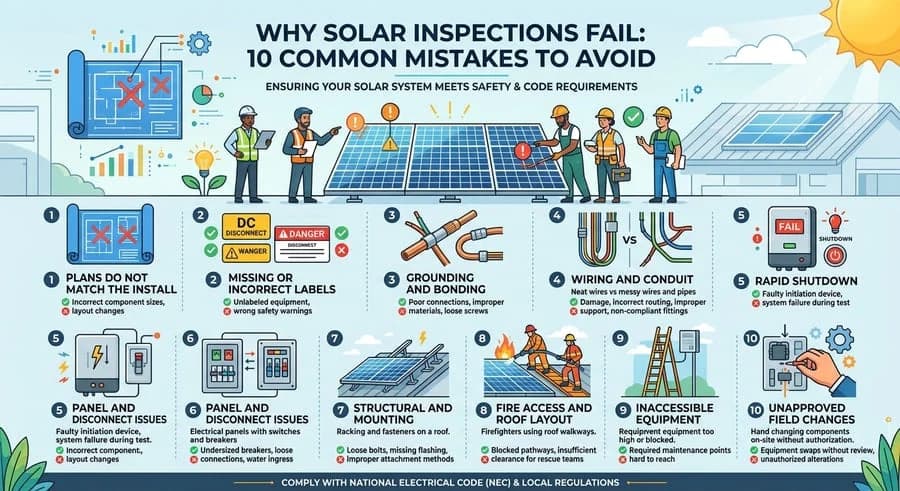
Why Solar Inspections Fail: 10 Common Mistakes to Avoid
Discover the 9 critical reasons solar inspections fail and how to avoid costly m...
Solar Grounding And Bonding: How To Pass Inspection Every Time
Learn how to pass solar grounding and bonding inspections every time. Avoid comm...
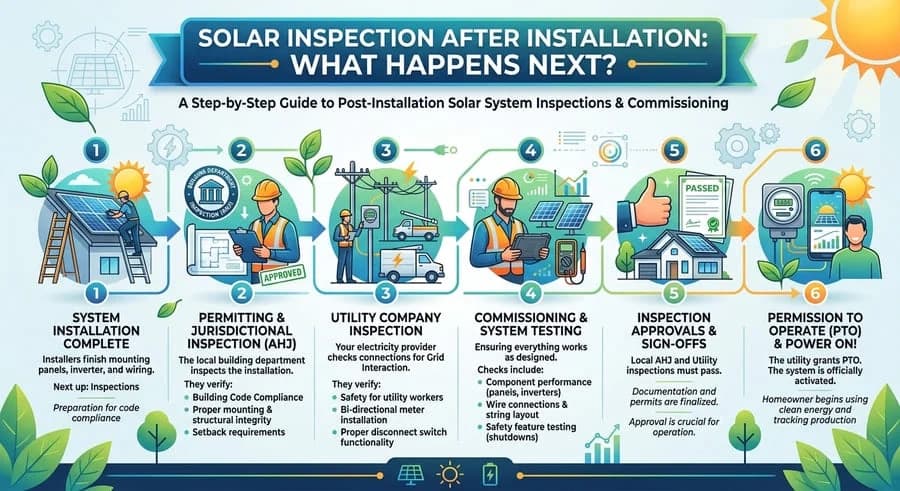
Solar Inspection After Installation: What Happens Next?
Learn how to pass your solar inspection by following essential tips for obtainin...