How to Streamline Solar Permit Processing: Complete Step-by-Step Guide
Solar permit processing is the approval workflow required before installing solar panels, involving multiple government permits and technical documentation. Understanding how to streamline this process can reduce approval times from weeks to days and prevent costly project delays. Here’s your complete guide:
What is solar permit processing? Solar permit processing is the multi-step administrative procedure where local authorities review and approve solar installation plans. Most jurisdictions require 2-3 separate permits: building permits (structural compliance), electrical permits (wiring and safety), and specialized solar permits (system-specific regulations).
Required documentation for solar permits:
- Site plans: Property layout showing solar panel placement, setbacks, and dimensions
- Structural drawings: Roof load calculations and mounting system specifications
- Electrical diagrams: Single-line and three-line electrical schematics with interconnection details
- Equipment specifications: Panel datasheets, inverter specs, and UL certifications
- Installer credentials: Licensed contractor information and insurance documentation
- Engineering stamps: Professional engineer approval for structural modifications
Average solar permit processing timeline:
- Traditional paper-based process: 4-8 weeks
- Digital submission platforms: 2-4 weeks
- Expedited review services: 3-10 business days
- SolarAPP+ automated approval: Same-day to 48 hours (available in participating jurisdictions)
5 proven strategies to streamline permit processing:
- Use digital submission platforms: Online portals like SolarAPP+, ProjectDox, and municipal e-permitting systems reduce processing time by 40-60% through automated reviews and instant status tracking
- Submit complete applications: Incomplete applications cause 50-70% of permit delays. Include all required documents, accurate calculations, and proper formatting on first submission
- Understand local zoning requirements: Research jurisdiction-specific rules including:
- Setback requirements (typically 18-36 inches from roof edges)
- Height restrictions for ground-mount systems
- Aesthetic guidelines and HOA approvals
- Fire access pathways and emergency egress requirements
- Leverage pre-approved equipment lists: Many jurisdictions maintain approved equipment databases. Using pre-approved components can reduce review time by 1-2 weeks
- Establish relationships with AHJs: Building rapport with Authority Having Jurisdiction (AHJ) officials provides insight into local preferences and expedites issue resolution
Common permit processing challenges and solutions:
Technology tools for faster processing:
- SolarAPP+: NREL-developed platform offering instant automated permit approval in participating jurisdictions
- ProjectDox: Document management system for large-scale permit tracking
- Municipal e-permitting portals: City-specific online submission and tracking systems
- Permit design software: AutoCAD, HelioScope, and Aurora for professional-grade documentation
Cost implications of permit delays: EachEach week of permit delay costs solar installers an average of $500-$2,000 in:
- Extended project management labor
- Equipment storage and logistics
- Customer communication and relationship management
- Lost opportunity costs from delayed installations
When to use professional permit services: Consider hiring permit expediting services if you:
- Install in multiple jurisdictions with varying requirements
- Lack in-house expertise for technical drawings
- Need guaranteed faster approval times
- Want to focus resources on installation rather than paperwork
Best practices for consistent success:
- Maintain updated templates for each jurisdiction you serve
- Create submission checklists to ensure completeness
- Schedule pre-submission meetings with AHJs for complex projects
- Monitor permit status daily through online portals
- Document all communications with permitting officials
- Stay current on code changes and local amendments

Understanding Solar Permit Requirements
Every solar installation project begins with proper permitting. Most jurisdictions require multiple permits, including building permits, electrical permits, and sometimes specialized solar permits. Your documentation package typically needs:
- Detailed system designs and blueprints
- Equipment specifications
- Structural engineering calculations
- Site plans and elevation drawings
- Electrical diagrams
- Property ownership verification
Local zoning laws play a crucial role in permit approval. Some areas have specific requirements for solar installations, including setback requirements, height restrictions, and aesthetic guidelines. Always check your local jurisdiction’s specific codes before beginning the application process.
Steps in the Solar Permit Process
- Initial Application:
- Gather required documentation
- Complete permit applications
- Calculate permit fees
- Plan Review:
- Submit technical documents
- Respond to reviewer comments
- Make necessary revisions
- Inspection Phase:
- Schedule required inspections
- Prepare for site visits
- Address inspector feedback
- Final Approval:
- Obtain necessary certificates
- Complete documentation
- Receive final permits
Automated Solar Permit Processing Systems
Modern technology has revolutionized permit processing. Digital platforms offer numerous advantages:
- Faster processing times
- Real-time application tracking
- Automated document verification
- Reduced paper waste
- Improved communication channels
Popular software solutions like SolarAPP+ and ProjectDox have streamlined the process, offering significant time and cost savings while reducing human error.
Solar Permit Solutions
Skip the Permit Headaches
We design plan sets that pass inspection the first time. Code-compliant, PE-stamped, accepted by AHJs nationwide.
Common Solar Permit Processing Challenges
Understanding common challenges helps you prepare effective solutions:
- Varying Requirements: Each jurisdiction has unique requirements and processes
- Timeline Management: Permit processing can take anywhere from days to months
- Technical Issues: Incomplete or incorrect submissions often cause delays
- Budget Constraints: Permit fees and revision costs can impact project budgets
Best Practices for Expedited Processing
- Create a Pre-submission Checklist:
- Verify all required documents
- Double-check calculations
- Ensure compliance with local codes
- Work with Experts:
- Hire experienced permit expeditors
- Consult with local authorities
- Partner with knowledgeable contractors
- Maintain Communication:
- Keep regular contact with permit offices
- Document all interactions
- Follow up consistently
Tips for Successful Permit Approval
- Prepare Professional Documents: Use clear, accurate, and complete documentation
- Build Relationships: Develop good working relationships with local authorities
- Stay Organized: Maintain detailed records of all permit-related communications
- Follow Up Regularly: Monitor application status and respond promptly to requests
Following these guidelines will help ensure a smoother permit approval process and keep your solar installation project on track. Remember, proper preparation and attention to detail are key to successful permit processing.
Remember to continually update your knowledge of local requirements and stay informed about changes in permit processes. The solar industry evolves rapidly, and staying current with permitting requirements is essential for project success.
Take action today by implementing these strategies in your permit processing workflow. Your future solar projects will benefit from a more streamlined, efficient approach to permitting.
Need help with your solar permit processing? Contact our experts today for personalized guidance and support.
Conclusion
Streamlining your solar permit processing is no longer optional in today’s competitive solar industry. It’s essential for project success and business growth. By implementing the strategies outlined in this guide, you can transform permit processing from a bottleneck into a competitive advantage. Digital submission platforms like SolarAPP+ and ProjectDox can reduce approval times by 40 to 60%, while complete, well-prepared applications eliminate the costly 2 to 4 week delays that plague incomplete submissions.
The key to consistent success lies in understanding your local jurisdiction’s requirements, maintaining updated documentation templates, and leveraging modern technology to automate wherever possible. Whether you’re processing permits for a single residential installation or managing multiple commercial projects across different jurisdictions, these best practices will help you navigate the complexities efficiently.
Remember that every week of permit delay costs between $500 and $2,000 in project overhead, customer relations, and lost opportunities. By investing time in proper preparation, building relationships with local AHJs, and staying current with evolving regulations, you protect your bottom line while delivering faster results for your customers.
For complex projects or unfamiliar jurisdictions, don’t hesitate to partner with professional permit services. The expertise and expedited timelines they provide often pay for themselves through reduced delays and higher approval rates. Whether you choose to handle permits in-house or work with specialists, the goal remains the same: efficient, compliant installations that move from application to approval as quickly as possible.
Take action today by auditing your current permit process, identifying bottlenecks, and implementing the digital tools and best practices that align with your business needs. Your future projects (and your customers) will thank you for the investment in streamlined permit processing.
Skip the Permit Headaches
We design plan sets that pass inspection the first time. Code-compliant, PE-stamped, accepted by AHJs nationwide.
Frequently Asked Questions
The timeline for solar permit approval varies significantly based on your jurisdiction and submission method. Traditional paper-based applications typically take 4 to 8 weeks from submission to approval. Digital submission platforms can reduce this to 2 to 4 weeks by streamlining document review and enabling real-time tracking. Expedited review services offered by some jurisdictions can approve permits in 3 to 10 business days for an additional fee. The fastest option is SolarAPP+, an automated approval platform available in participating jurisdictions that can provide same-day to 48-hour approvals for qualifying residential systems. The key factor affecting timeline is application completeness. Incomplete submissions account for 50 to 70% of permit delays and can add 2 to 4 weeks to your approval time.
The most frequent causes of permit rejections include incomplete documentation (missing site plans, electrical diagrams, or equipment specifications), structural calculation errors that don't properly account for roof loading, code compliance violations such as improper setbacks or fire access clearances, and outdated or non-compliant equipment specifications. Electrical diagram errors, particularly in single-line and three-line schematics, also commonly trigger rejections. Many rejections stem from not understanding jurisdiction-specific requirements. What's acceptable in one city may not meet standards in another. To avoid rejections, always verify you're using current code versions (NEC, IBC, IRC), include professional engineer stamps where required, and ensure all equipment appears on approved lists. Using comprehensive submission checklists and having experienced professionals review applications before submission dramatically reduces rejection rates.
While you can use similar templates and base documents, you cannot submit identical applications across different jurisdictions. Each municipality has unique requirements for solar permits, including different forms, varying technical detail levels, jurisdiction-specific code amendments, and distinct approval processes. However, you can create adaptable templates that include core elements (site plans, structural calculations, electrical diagrams) and then customize them for each location. Successful solar professionals maintain a library of jurisdiction-specific templates that they update as local codes change. Key variations to watch for include setback requirements (typically 18 to 36 inches but varies widely), fire department access pathways, aesthetic guidelines, HOA approval requirements, and interconnection standards. Attempting to use generic, one-size-fits-all applications often results in rejections and delays.
Yes, investing in digital permit processing tools typically provides significant returns through time savings, reduced errors, and faster approvals. Digital platforms reduce processing time by 40 to 60% compared to manual paper submissions, while automated checking catches errors before submission, reducing costly rejections and resubmissions. Real-time status tracking eliminates the need for phone calls and emails to check application progress. Popular solutions include SolarAPP+ (free automated approval in participating areas), ProjectDox (comprehensive document management for $50 to $200 per month depending on volume), and municipality-specific e-permitting portals (usually free). Professional design software like AutoCAD, HelioScope, or Aurora (ranging from $100 to $500 per month) creates permit-ready drawings that meet professional standards. For solar installers processing more than 5 to 10 permits monthly, these tools typically pay for themselves within 2 to 3 months through labor savings and faster project completion.
The decision depends on your volume, expertise, and geographic scope. Consider hiring professional permit services if you install in multiple jurisdictions with varying requirements (navigating 5+ different permit processes becomes very time-consuming), lack in-house staff with technical drawing expertise, need guaranteed faster approval times to meet project deadlines, or want to redirect your team's focus toward sales and installations rather than paperwork. Professional services typically cost $500 to $2,000 per project but can reduce approval times by 30 to 50% and virtually eliminate rejections through their expertise and established AHJ relationships. Handle permits in-house if you primarily work in 1 to 2 familiar jurisdictions, have trained staff who can create compliant technical drawings, process high volumes where per-permit costs add up significantly, or are willing to invest time building relationships with local permitting officials. Many successful solar companies use a hybrid approach: handling routine residential permits internally while outsourcing complex commercial projects or unfamiliar jurisdictions to specialists.

SPS Editorial Team
Solar Permit Solutions
Solar Permit Solutions provides professional solar permit design services for residential, commercial, and off-grid installations across all 50 states. Our team ensures permit-ready plan sets delivered fast.
Related Articles
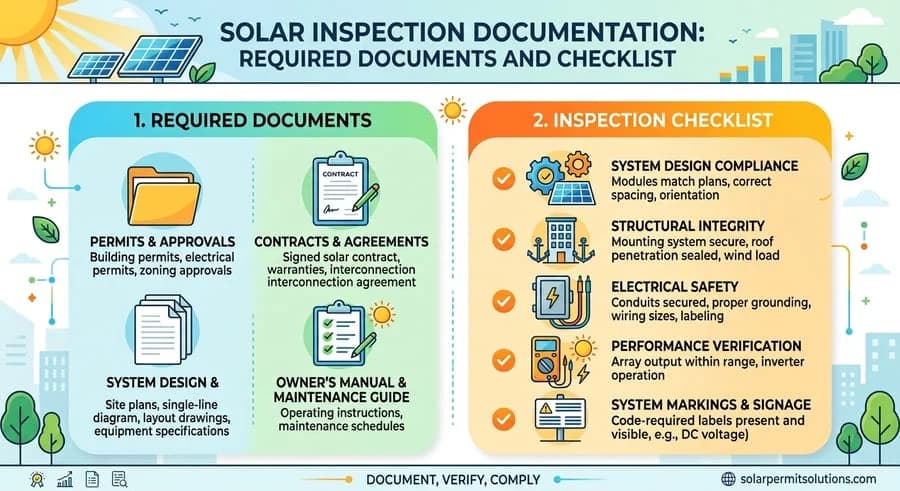
Solar Inspection Documentation: Required Documents and Checklist
Learn about solar inspection documentation, including permit requirements, NEC c...
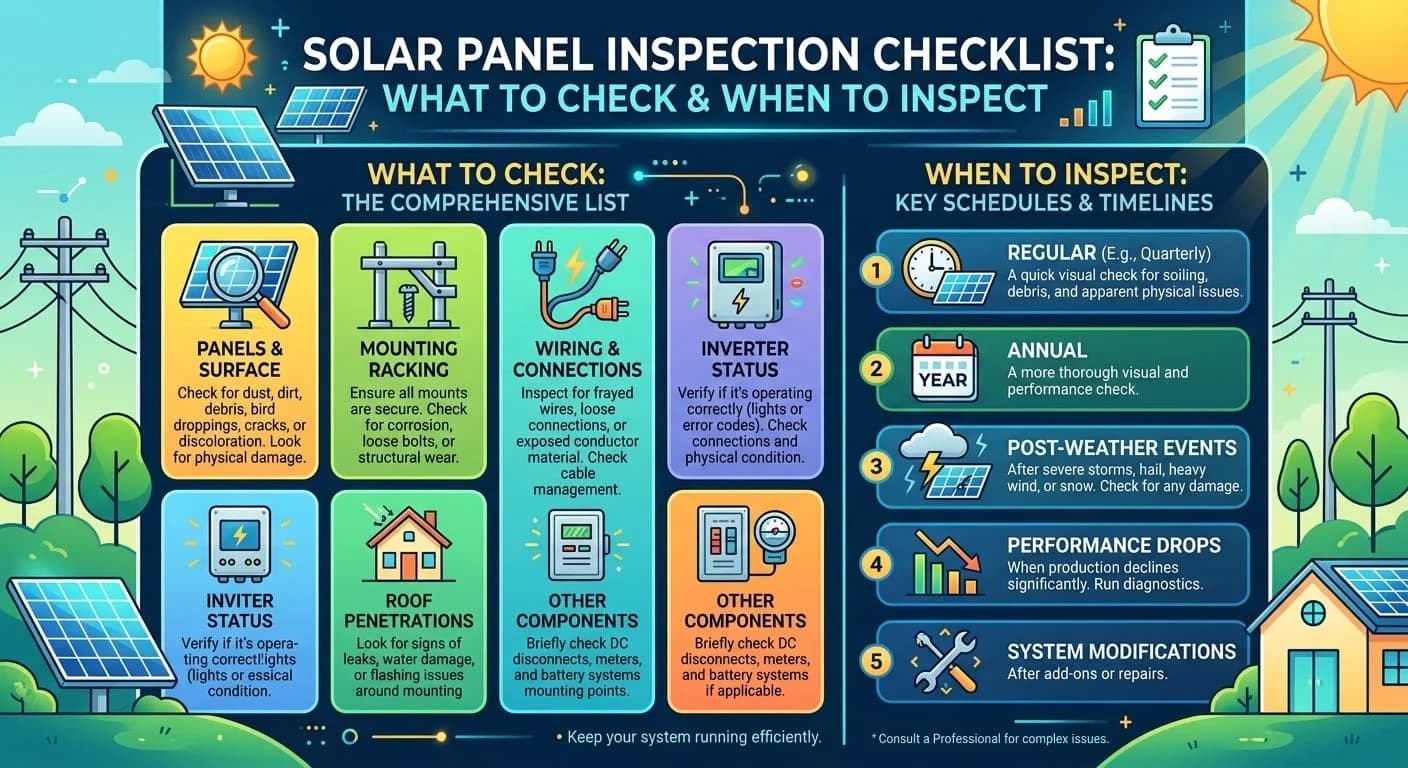
Solar Panel Inspection Checklist: What To Check & When To Inspect
Solar panel inspection guide: Learn what to check, when to inspect (annually + e...
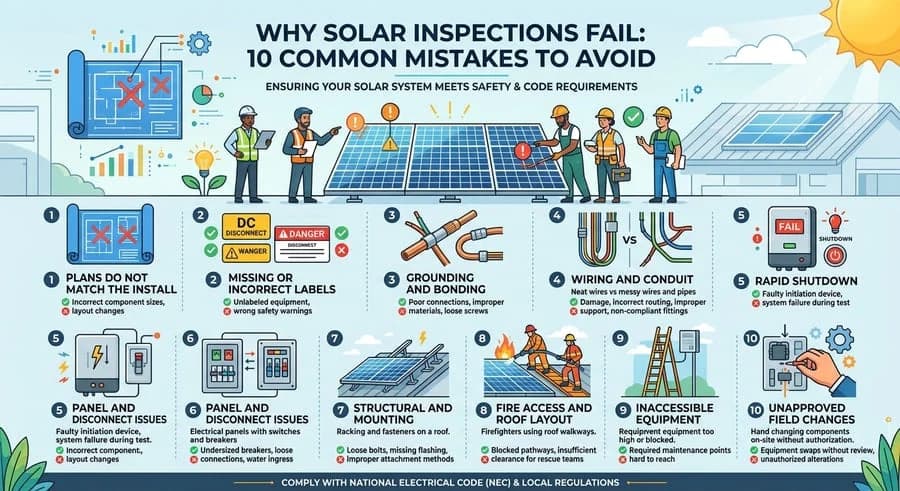
Why Solar Inspections Fail: 10 Common Mistakes to Avoid
Discover the 9 critical reasons solar inspections fail and how to avoid costly m...