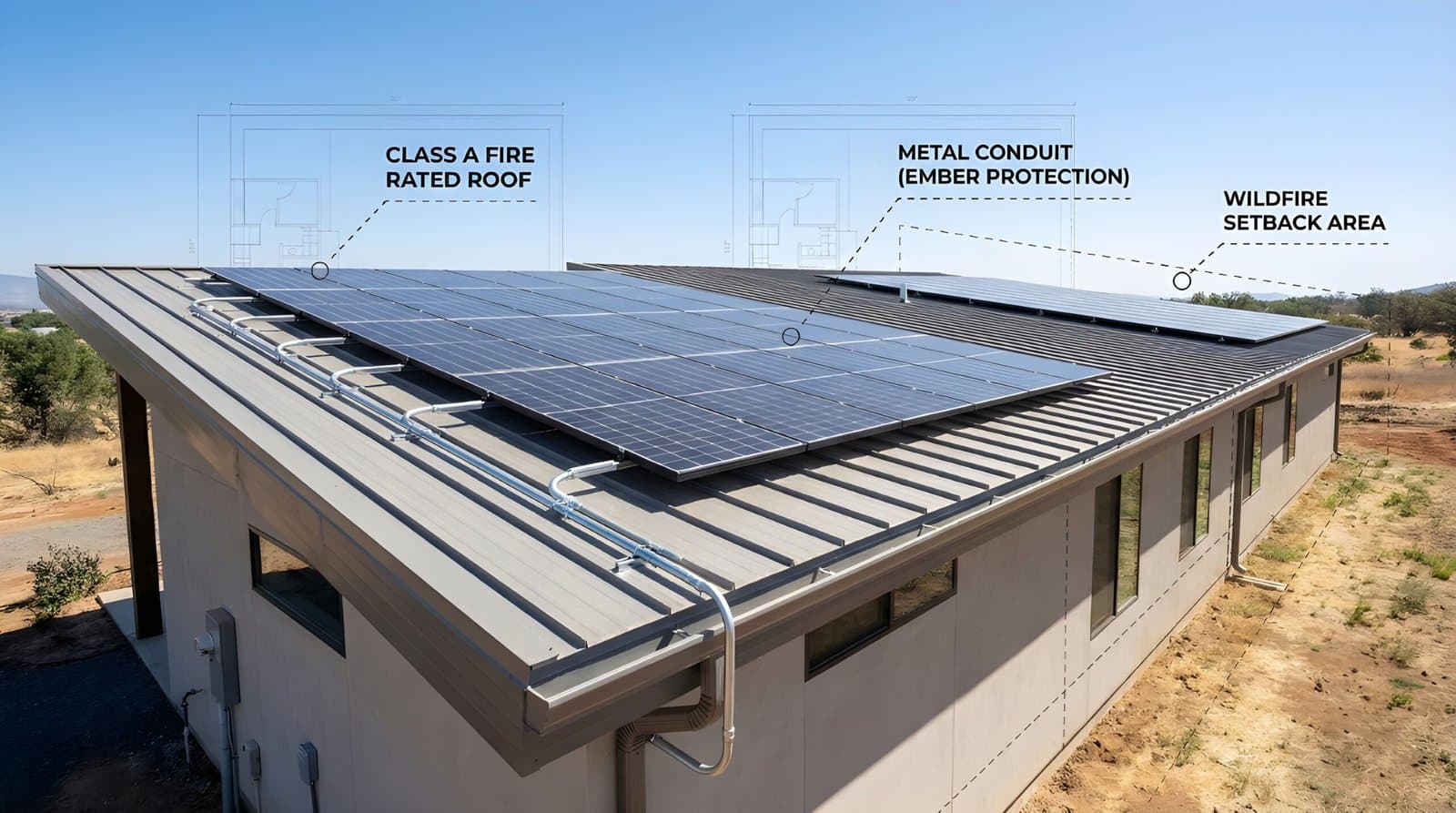
For homeowners and businesses in wildfire-susceptible regions, the decision to install solar panels often comes with critical safety questions. Can solar systems withstand extreme heat and flying embers? Will they remain operational during public safety power shutoffs? Are there fire risks associated with rooftop installations?
This comprehensive guide addresses these concerns by examining the fire hazards, protective measures, and proven strategies for safely implementing solar power systems in locations regularly threatened by wildfires.
Fire Hazards That Threaten Solar Installations
Wildfire conditions create distinct obstacles for solar installations, from intense temperature exposure to structural damage caused by flying embers and debris.
Temperature Extremes and PV System Performance
Regions vulnerable to wildfires typically encounter elevated temperatures that subject solar photovoltaic (PV) arrays to significant thermal stress. Extended periods of excessive heat can compromise critical system elements, including electrical wiring and inverter components, diminishing performance levels and elevating fire hazards.
Additionally, high heat increases the operational burden on system components, potentially triggering equipment failures. Solar panels and inverters must withstand additional pressure during severe heat episodes, especially when electricity consumption peaks. Verifying that system components carry appropriate temperature ratings represents an essential measure in risk reduction.
Strategic Architecture for Fire Prevention
Sound system design serves as the foundation for fire prevention in solar installations. Critical elements include safeguarded electrical connections, flame-retardant materials, and strategic component placement to minimize exposure.
Inverters and energy storage units should be positioned in shaded or well-ventilated locations to prevent thermal buildup. Strategic planning also includes adequate spacing requirements between photovoltaic modules and roofing surfaces, preventing heat concentration and ensuring adherence to fire safety codes. Routine inspections remain essential for preserving these safety standards throughout the system’s lifespan.

Protective Measures for Solar Arrays in Fire Zones
Although solar installations cannot stop wildfires from occurring, they can contribute to risk reduction through careful planning and consistent upkeep procedures.
Solar Technology’s Role in Fire Risk Management
Solar panels themselves do not create fire hazards, yet they can help minimize wildfire dangers when integrated with battery backup systems. Solar combined with storage configurations reduce the need for utility infrastructure, which frequently serves as a major ignition point during wildfire events.
Localized solar solutions, particularly those featuring battery backup capabilities, deliver consistent electricity during public safety power shutdowns, keeping residential and commercial properties operational.
Preventative Maintenance Protocols
Consistent maintenance practices represent one of the most straightforward yet powerful methods for preventing fire risks in photovoltaic systems. Removing accumulated debris from panels and examining wiring for deterioration can substantially reduce the probability of defects that might trigger fires.
Maintenance procedures also guarantee that panels function at peak efficiency, even under demanding environmental conditions. Property owners benefit from annual evaluations conducted by certified professionals as a preventative approach to detecting potential problems, such as unstable connections or compromised components, that could create safety hazards.
Building Robust Solar Systems for Extreme Conditions
System durability proves critical for solar installations in fire-prone zones. Modern technological advances are helping these systems endure and adjust to severe environmental conditions. Structural engineering requirements ensure installations can withstand extreme weather events.
Integrated Fire Detection and Suppression Technology
Sophisticated fire suppression technologies can be incorporated into solar installations to boost protection levels. These include temperature monitoring sensors that identify excessive heat and automated extinguishing equipment designed to contain fires from expanding.
Such protective measures prove especially valuable in larger-scale installations, including community solar developments.
Energy Storage Safety Features
Battery backup systems are crucial for energy autonomy, though they also introduce fire concerns if not appropriately managed. Modern systems, particularly those certified for heat resistance, incorporate protective features like temperature regulation and failsafe mechanisms to prevent overheating. Selecting premium battery systems constitutes a vital step in minimizing fire dangers.
Solar Permit Solutions
Need Solar Permit Plans?
Professional, permit-ready solar plan sets delivered fast. Residential and commercial projects across all 50 states.
Smoke Effects on Photovoltaic Performance
Wildfire smoke introduces a separate category of obstacles for photovoltaic systems.
Production Losses During Smoke Events
Wildfire smoke diminishes the quantity of solar radiation contacting panel surfaces, resulting in decreased energy generation. Although this impact remains temporary, it can influence total system efficiency during prolonged wildfire seasons. Consistent cleaning and specialized protective coatings on solar modules can reduce these effects, helping systems maintain effective power production.
Decentralized Power Generation Benefits
Community-based solar systems play a significant role in eliminating dependence on extensive transmission infrastructure, which becomes vulnerable during wildfire occurrences. These off-grid installations deliver energy security and enable communities to sustain power availability even during grid interruptions triggered by wildfires.

Advantages of Photovoltaic Systems in High-Risk Areas
Despite potential challenges, solar technology offers substantial benefits for property owners and businesses located in high-risk wildfire areas. The resilience these systems provide during extreme events makes them increasingly valuable in wildfire-prone territories.
Dependable Electricity in Fire-Susceptible Regions
Solar technology delivers a sustainable and dependable electricity source, decreasing reliance on conventional utility networks that often experience disruptions from wildfires. By pairing solar systems with battery storage, residential installations in high-risk zones can maintain continuous power availability even during outages.
Strengthening Community Energy Infrastructure
Solar installations strengthen community resilience by supplying clean and reliable electricity. Battery storage configurations enable homes and businesses to function independently from the utility grid during emergency situations, guaranteeing that essential services stay accessible.
Conclusion
Solar installations in wildfire hazard areas present unique challenges, but they’re far from insurmountable. With proper system design, strategic component placement, appropriate spacing requirements, and regular maintenance protocols, solar systems can safely deliver reliable power even in the most fire-prone environments.
The key lies in three critical factors: fire-resistant materials and construction methods, adequate roof setbacks and spacing, and rapid shutdown capabilities that protect both property and first responders. When these elements combine with battery backup systems, solar installations become resilient energy assets that maintain power during the very emergencies that threaten traditional grid infrastructure.
For property owners considering solar in wildfire zones, professional solar services can assess site-specific risks and design systems that meet both safety standards and energy independence goals. Expert consultation ensures installations balance fire safety requirements with optimal performance, creating sustainable energy solutions built to withstand extreme conditions.
FAQs
Proper installation with fire-resistant materials, adequate spacing from roofing surfaces, and compliance with fire safety codes significantly improves survival rates during wildfire events.
However, solar systems equipped with battery storage can continue providing power to your home during outages. These hybrid systems detect grid failures and switch to island mode, allowing you to maintain electricity even during extended public safety power shutoffs common in wildfire-prone regions.
Additionally, homeowners should perform visual checks monthly, looking for debris accumulation, damaged components, or signs of overheating. Electrical panels should be examined for any signs of heat stress. Immediate inspection is recommended after any nearby fire event, even if the property wasn’t directly threatened.
However, policy requirements vary by insurer and location, so homeowners should verify their coverage includes the solar installation and discuss any specific requirements with their insurance agent.
Thermal imaging scans can detect hot spots indicating potential problems. In high-fire-risk areas, creating defensible space around ground-mounted systems and ensuring proper roof mounting with fire-resistant materials reduces ignition risks.
Look for installations using fire-rated roofing materials, proper grounding, rapid shutdown systems that deactivate panels during emergencies, and equipment rated for high-temperature operation. Module-level power electronics (MLPEs) like microinverters can also enhance safety by isolating panel failures. Understanding roof space requirements helps ensure proper spacing for fire safety.
Need Solar Permit Plans?
Professional, permit-ready solar plan sets delivered fast. Residential and commercial projects across all 50 states.
Frequently Asked Questions
Solar panels themselves are built with tempered glass and aluminum frames that can withstand high temperatures. However, direct exposure to wildfire flames can cause damage to panels, wiring, and mounting systems. The greater risk comes from radiant heat and flying embers rather than the panels themselves igniting. Proper installation with fire-resistant materials, adequate spacing from roofing surfaces, and compliance with fire safety codes significantly improves survival rates during wildfire events.
Standard grid-tied solar systems automatically shut down during power outages for safety reasons, preventing electricity from back-feeding into the grid and endangering utility workers. However, solar systems equipped with battery storage can continue providing power to your home during outages. These hybrid systems detect grid failures and switch to island mode, allowing you to maintain electricity even during extended public safety power shutoffs common in wildfire-prone regions.
Property owners in fire-prone zones should schedule professional inspections at least annually, preferably before fire season begins. These evaluations should assess wiring integrity, connection security, panel conditions, and inverter performance. Additionally, homeowners should perform visual checks monthly, looking for debris accumulation, damaged components, or signs of overheating. Electrical panels should be examined for any signs of heat stress. Immediate inspection is recommended after any nearby fire event, even if the property wasn't directly threatened.
Solar panels do not typically increase homeowner's insurance premiums when properly installed by certified professionals according to local fire codes. In fact, some insurance providers offer discounts for homes with solar plus battery storage systems, recognizing their ability to maintain power during emergencies. However, policy requirements vary by insurer and location, so homeowners should verify their coverage includes the solar installation and discuss any specific requirements with their insurance agent.
Regular maintenance for fire prevention includes removing accumulated leaves, pine needles, and debris from panel surfaces and surrounding areas. Technicians should inspect all electrical connections for corrosion or looseness, examine wiring insulation for damage, and verify proper ventilation around inverters and battery systems. Thermal imaging scans can detect hot spots indicating potential problems. In high-fire-risk areas, creating defensible space around ground-mounted systems and ensuring proper roof mounting with fire-resistant materials reduces ignition risks.
Modern solar panels undergo rigorous fire safety testing and must meet UL 1703 certification standards, which include flame spread and burn tests. Monocrystalline and polycrystalline panels perform similarly in fire resistance. The key safety differences lie in system design rather than panel type. Look for installations using fire-rated roofing materials, proper grounding, rapid shutdown systems that deactivate panels during emergencies, and equipment rated for high-temperature operation. Module-level power electronics (MLPEs) like microinverters can also enhance safety by isolating panel failures. Understanding roof space requirements helps ensure proper spacing for fire safety.
SPS Editorial Team
Solar Permit Solutions
Solar Permit Solutions provides professional solar permit design services for residential, commercial, and off-grid installations across all 50 states. Our team ensures permit-ready plan sets delivered fast.
Related Articles
Off-Grid Solar System Requirements: Sizing, Permits & NEC Code Guide
Off-grid solar permit requirements by state: building codes, NEC compliance, bat...
Solar Battery Permit: What Most Installers Get Wrong
Quick Answer: Adding battery storage to a solar system almost always requires ne...
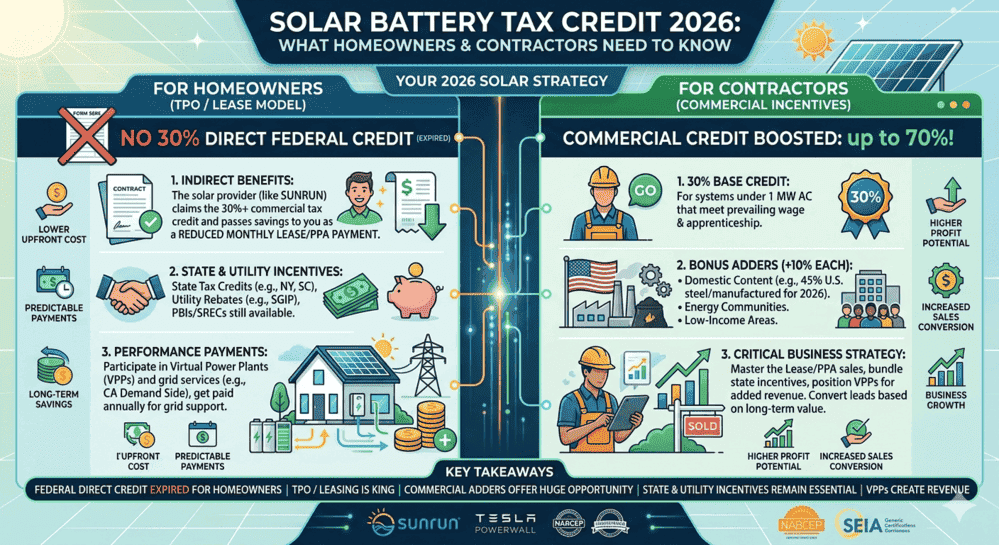
Solar Battery Tax Credit 2026: What Homeowners and Contractors Need to Know
There is no federal solar battery tax credit available to homeowners in 2026. Th...