
Nine persistent solar panel myths continue preventing homeowners from adopting solar energy in 2025, despite dramatic cost reductions and technology improvements over the past decade. Solar panel costs have dropped 88% since 2010, installation expenses now average $15,000-$36,000 (reduced by 30% through federal tax credits), and modern systems deliver 5-10 year payback periods with 30+ year operational lifespans. However, misconceptions about expense, cold weather performance, maintenance requirements, warranty coverage, and power outage functionality create unnecessary barriers to solar adoption.
Solar panels actually perform more efficiently in cold climates due to reduced electrical resistance. Systems require minimal maintenance beyond occasional visual inspections. Comprehensive manufacturer warranties protect equipment for 10-25 years. Standard grid-tied installations cannot provide backup power during outages without battery integration. Net metering programs credit homeowners for excess electricity production rather than storing energy without batteries.
This comprehensive guide examines nine common solar myths, providing factual data on costs, performance, warranties, maintenance, insurance requirements, and realistic savings expectations to help homeowners make informed renewable energy decisions before the December 31, 2025, federal solar tax credit deadline.

Myth 1: Solar Systems Cost Too Much for Most Households
The perception that solar panels exceed average homeowner budgets ranks among the most widespread solar misconceptions. This belief carried validity 15 years ago, but solar costs have declined dramatically, establishing unprecedented affordability levels.
Typical homeowners recover their investment through electricity savings within 5-10 years, while solar panel systems maintain functionality for 30+ years, delivering decades of zero-cost electricity. States with elevated utility rates, including California, Hawaii, and Massachusetts, accelerate these savings substantially.
The federal solar tax credit reduces upfront expenses by 30%. A $15,000 system qualifies for a $4,500 tax credit reduction. Regional rebate programs provide additional financial relief depending on location through state-specific solar incentive programs.
Financing solutions enhance solar accessibility further. Properly structured solar loans can establish monthly payments below current electric bills, creating immediate positive cash flow. Professional solar design services help homeowners navigate financing options and system sizing.
Battery storage systems represent one solar myth containing partial truth: batteries rarely achieve rapid cost recovery. Energy storage delivers grid independence benefits but requires larger capital investment compared to standard photovoltaic arrays without matching their quick payback timelines.
Myth 2: Cold Weather Reduces Solar Panel Effectiveness
The belief that solar panels produce minimal power in cold climates or winter months represents another frequently encountered solar myth. Summer months do yield higher solar production due to extended daylight duration, but systems maintain robust operation throughout temperature drops.
Solar panels actually operate with enhanced efficiency in cooler conditions. Photovoltaic cells convert sunlight, not thermal heat, into electricity, meaning lower temperatures boost system efficiency and increase power generation beyond typical expectations, according to NREL solar research data.
Winter solar production remains substantial provided snow accumulation doesn’t obstruct panel surfaces. Steeper installation angles (common on pitched residential roofs) maintain effective sunlight capture even when the sun tracks lower across winter skies.
Shorter winter days do reduce output moderately, but the notion that solar panels become ineffective during winter constitutes pure myth. Residential solar permit design accounts for seasonal variations to ensure year-round performance.
Myth 3: Solar Equipment Lacks Manufacturer Protection
The misconception that solar systems lack warranty protection circulates widely. Reality shows that solar panels, inverters, and battery systems include comprehensive manufacturer warranties, though coverage duration and terms vary by brand. Professional installers frequently extend labor warranties, providing protection against installation-related failures.
Warranty comprehension protects solar investments. Qualified solar repair professionals can help homeowners leverage manufacturer warranty coverage during repairs, potentially eliminating thousands in replacement expenses.
Solar Panel Warranties
Solar panel warranties divide into two primary categories:
Power Performance Guarantees: Photovoltaic panels experience natural degradation, but manufacturers guarantee specific output levels after designated timeframes, typically ensuring 80%+ original capacity retention after 25 years.
Product Warranties: These protections cover manufacturing defects and craftsmanship issues, spanning 10-25 years depending on manufacturer specifications.
Solar Inverter Warranties
Inverter warranty duration varies by equipment type:
String inverters typically carry 5-15-year warranties, though some brands like SolarEdge provide extended coverage options for additional fees.
Microinverters (mounted directly on individual panels) frequently include 25-year warranties, guaranteeing extended operational reliability.
Professional solar system repair services specializing in warranty-backed repairs help maximize savings and maintain optimal system performance.
Labor & Service Warranties
Solar panel and inverter warranties cover equipment protection but frequently exclude labor costs. Numerous solar installation contractors provide independent labor warranty coverage. Contractor warranty durations vary significantly, typically spanning 3 to 10 years, though certain installers extend protection beyond standard timeframes.
Solar Permit Solutions
Need Solar Permit Plans?
Professional, permit-ready solar plan sets delivered fast. Residential and commercial projects across all 50 states.
Myth 4: Solar Panels Require High Maintenance
The misconception that solar panels demand extensive maintenance persists widely. Photovoltaic (PV) systems feature low-maintenance designs with exceptional durability. Homeowners operating stationary solar arrays with contemporary inverters face minimal upkeep requirements. Solar panels, mounting hardware, and inverters withstand environmental exposure and operate independently under normal conditions per National Electrical Code standards. Systems lacking lead-acid batteries or mechanical components require virtually zero homeowner intervention.
Solar tracking systems that modify panel positioning for optimal sun exposure demand increased attention due to mechanical components susceptible to wear. Traditional lead-acid batteries similarly require consistent maintenance for sustained performance. Contemporary lithium-ion battery technology delivers extended operational lifespans without significant maintenance demands, creating hassle-free operation, though initial investment costs run higher.
Understanding solar permit requirements ensures proper installation and reduces long-term maintenance needs.
Myth 5: Solar Panels Work During Power Outages
The assumption that solar-equipped homes maintain automatic power during grid failures represents a common misconception. Standard solar installations cease operation during utility outages unless battery storage integration exists. Solar systems implement automatic shutdown protocols during outages to safeguard utility personnel per ICC building code requirements. Battery-equipped systems maintain household power availability.
Grid-connected solar installations with battery backup typically incorporate critical load panels. This configuration enables homeowners to designate specific circuits for outage power supply. Homeowners frequently prioritize essential loads preventing financial loss, including refrigeration systems.
Commercial solar design incorporates backup power considerations for business continuity planning.
Myth 6: Solar Panels Store Energy
The belief that photovoltaic systems automatically store surplus energy during peak production represents another prevalent myth. Solar installations without battery integration lack energy storage capability. Net metering programs available across most service territories provide beneficial alternatives. These programs credit homeowners for excess solar electricity delivered to utility grids.
High-production days generate electricity exceeding immediate household consumption. Solar arrays supply residence power requirements first, directing remaining generation to grid infrastructure. Nighttime grid power consumption draws against accumulated credits, offsetting electricity costs.
Solar permit timelines vary by jurisdiction, but understanding local interconnection processes ensures smooth net metering activation.
Myth 7: Installing Solar Panels Will Ruin Your Roof
Concerns about roof damage from solar panel installation constitute another widespread misconception. Solar arrays frequently provide protective benefits, shielding roofing materials from hail impact and ultraviolet degradation, according to EPA renewable energy research. Proper installation methodology remains essential for damage prevention.
Verify installation quality by selecting qualified contractors employing NABCEP-certified installers and licensed electrical professionals. Partner with solar companies demonstrating established industry reputation and superior customer service standards.
Professional solar permit specialists ensure installations meet structural requirements and building codes.
Myth 8: You Must Buy Special Insurance to Protect Solar Equipment
The notion that specialized insurance policies become necessary for solar system coverage represents another common myth. Solar panels qualify as permanent property improvements comparable to porches or roofing upgrades. Standard homeowners insurance policies typically provide coverage when policy limits prove adequate.
Verify insurance policy coverage limits sufficiently protect solar system value. Insufficient coverage limits fail to address full replacement costs following damage events. Review policy documentation thoroughly or consult insurance representatives to confirm explicit solar system inclusion.
AHJ solar requirements often mandate insurance documentation during permitting processes.
Myth 9: Solar Eliminates All Electric Bills
The expectation of complete electricity bill elimination following solar installation constitutes another persistent myth. Solar adoption substantially reduces electric expenses, but zero-cost billing remains unlikely. Solar systems generating equivalent household consumption still typically incur charges.
Utility billing structures contain two primary components: supply charges and transmission/distribution charges. Compare this structure to pizza delivery: supply charges represent pizza quantity while transmission/distribution charges represent delivery fees.
Electricity supply charges reflect grid power consumption measured in kilowatt-hours. Solar systems meeting complete energy requirements can eliminate supply charges. Utility companies maintain transmission and distribution fees as standard monthly charges for all customers. Solar-equipped homes continue paying these infrastructure fees while achieving dramatic supply charge reductions.
Experienced solar repair technicians assist homeowners in maximizing equipment warranty benefits during system maintenance, ensuring optimal performance levels. Solar design services in San Diego help California homeowners navigate complex utility rate structures.
Conclusion
It’s Critical to Debunk Solar Panel Myths to Make Informed Decisions
Separating solar panel facts from fiction remains essential for making informed renewable energy decisions. The nine myths examined throughout this guide demonstrate how outdated information and misconceptions continue influencing homeowner perspectives on solar adoption. Modern solar technology has evolved dramatically beyond decade-old limitations: costs have plummeted, efficiency has surged, and system reliability has reached unprecedented levels.
Solar panel systems now deliver measurable financial returns through utility bill reductions, federal tax credit benefits, and increased property values. Cold weather enhances rather than diminishes panel performance. Comprehensive manufacturer warranties protect equipment investments. Maintenance demands remain minimal. Understanding these realities positions homeowners to capitalize on solar energy’s genuine advantages while avoiding decision paralysis caused by persistent myths.
The solar industry continues advancing rapidly. Waiting for “better technology” often means forfeiting current incentives, including the 30% federal solar tax credit expiring December 31, 2025. Homeowners armed with accurate information can confidently evaluate whether solar power aligns with residential energy requirements and financial objectives. Solar permit services in Cleveland and permit design in Seattle demonstrate nationwide availability of professional installation support.
Dispelling these common myths eliminates barriers preventing millions of households from accessing clean, cost-effective renewable energy solutions. California solar permitting and Texas solar permits represent streamlined pathways toward solar adoption.
FAQs
Need Solar Permit Plans?
Professional, permit-ready solar plan sets delivered fast. Residential and commercial projects across all 50 states.
Frequently Asked Questions
Solar panel systems maintain productive operation for 30+ years under normal conditions. Manufacturers typically guarantee 80% or greater original capacity retention after 25 years through power performance warranties. Panel degradation occurs gradually at approximately 0.5-1% annually, meaning a system producing 10,000 kWh in year one will generate roughly 8,000-9,000 kWh in year 25. Quality panels from established manufacturers often exceed warranty specifications. Inverters require replacement after 10-15 years for string inverters or carry 25-year warranties for microinverters. Mounting hardware and racking systems withstand environmental exposure for the system's entire lifespan with minimal intervention.
Solar panels cease electricity production at night because photovoltaic cells require sunlight to generate power. Moonlight provides insufficient energy, delivering only 0.0002% of direct sunlight intensity, to trigger meaningful electricity generation. However, solar-equipped homes maintain nighttime power through two methods: battery storage systems that preserve surplus daytime generation, or grid-tied connections allowing net metering credit utilization. Net metering programs credit homeowners for excess electricity sent to utility grids during peak production hours, then apply these credits against nighttime grid power consumption. Battery systems enable complete energy independence but require larger upfront investment compared to grid-tied configurations.
Solar panel systems deliver substantial financial returns across most U.S. regions through multiple value streams. Typical payback periods range 5-10 years depending on local electricity rates, system size, and available incentives, while panels maintain 30+ year operational lifespans. The 30% federal solar tax credit (expiring December 31, 2025) reduces installation costs significantly: a $20,000 system qualifies for $6,000 in tax credits. States with elevated utility rates like California, Hawaii, and Massachusetts accelerate savings substantially. Solar installations increase property values by an average of 4.1% according to research studies. Additional benefits include protection against utility rate inflation, reduced carbon footprint, and energy independence.
Standard grid-tied solar installations automatically shut down during utility outages to protect electrical workers repairing grid infrastructure, a safety requirement called anti-islanding protection. Solar panels continue generating electricity during outages but cannot power homes without battery storage integration. Battery-equipped systems maintain household electricity supply through critical load panels, which allow homeowners to designate essential circuits for backup power (refrigeration, medical equipment, communication devices). Battery capacity determines outage duration coverage, typically ranging 10-16 hours for residential systems. Off-grid solar configurations with adequate battery banks and backup generators maintain complete independence from utility grid reliability.
DIY solar installation presents significant technical, legal, and financial risks that typically outweigh labor cost savings. Professional installation ensures compliance with National Electrical Code (NEC) requirements, local building codes, utility interconnection standards, and structural engineering specifications. Improper installation voids manufacturer warranties covering both equipment and workmanship, potentially eliminating protection worth thousands in replacement costs. Licensed contractors carry insurance protecting homeowners against installation damage, while DIY projects place full liability on property owners. Most jurisdictions require licensed electricians for grid interconnection approvals. Professional installation from NABCEP-certified contractors guarantees code compliance, maximizes system performance, preserves warranty coverage, and ensures proper permitting, typically justifying the 10-15% additional cost versus DIY approaches.
Modern solar panel systems demand minimal maintenance intervention. Rain naturally removes accumulated dust, pollen, and light debris from panel surfaces in most climates. Performance monitoring identifies issues requiring attention: sudden production drops signal potential problems. Annual visual inspections verify mounting hardware integrity, wiring connections, and panel surface condition. Professional cleaning becomes beneficial in arid regions with limited rainfall or areas with heavy soiling from agricultural operations, wildfire smoke, or industrial pollution. Most manufacturers recommend cleaning only when monitoring data confirms production degradation exceeding 5%. Systems without moving parts or lead-acid batteries require virtually zero homeowner intervention beyond occasional visual checks. Inverter replacement represents the only significant maintenance expense, occurring after 10-15 years for string inverters.

SPS Editorial Team
Solar Permit Solutions
Solar Permit Solutions provides professional solar permit design services for residential, commercial, and off-grid installations across all 50 states. Our team ensures permit-ready plan sets delivered fast.
Related Articles
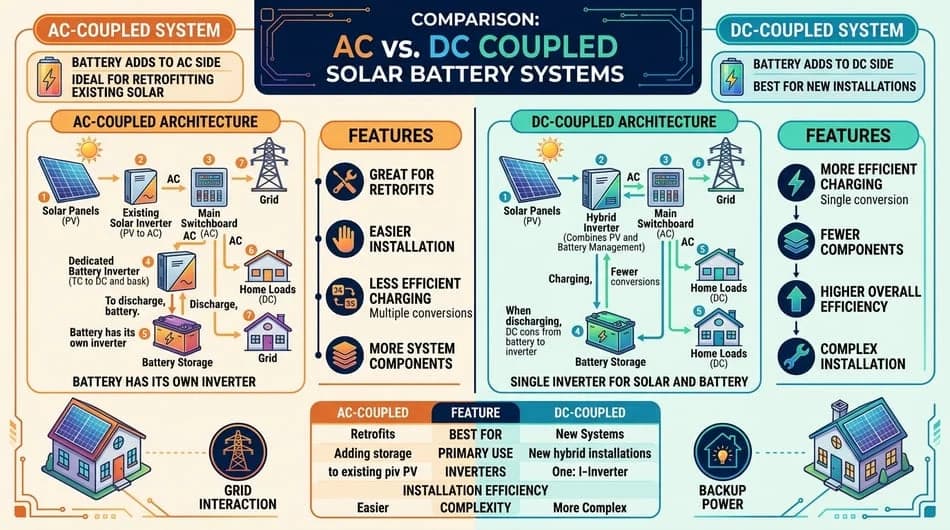
AC vs DC Coupled Solar Batteries: Which Should You Choose?
AC vs DC coupled solar batteries compared: efficiency, costs ($8K-$18K), and ins...
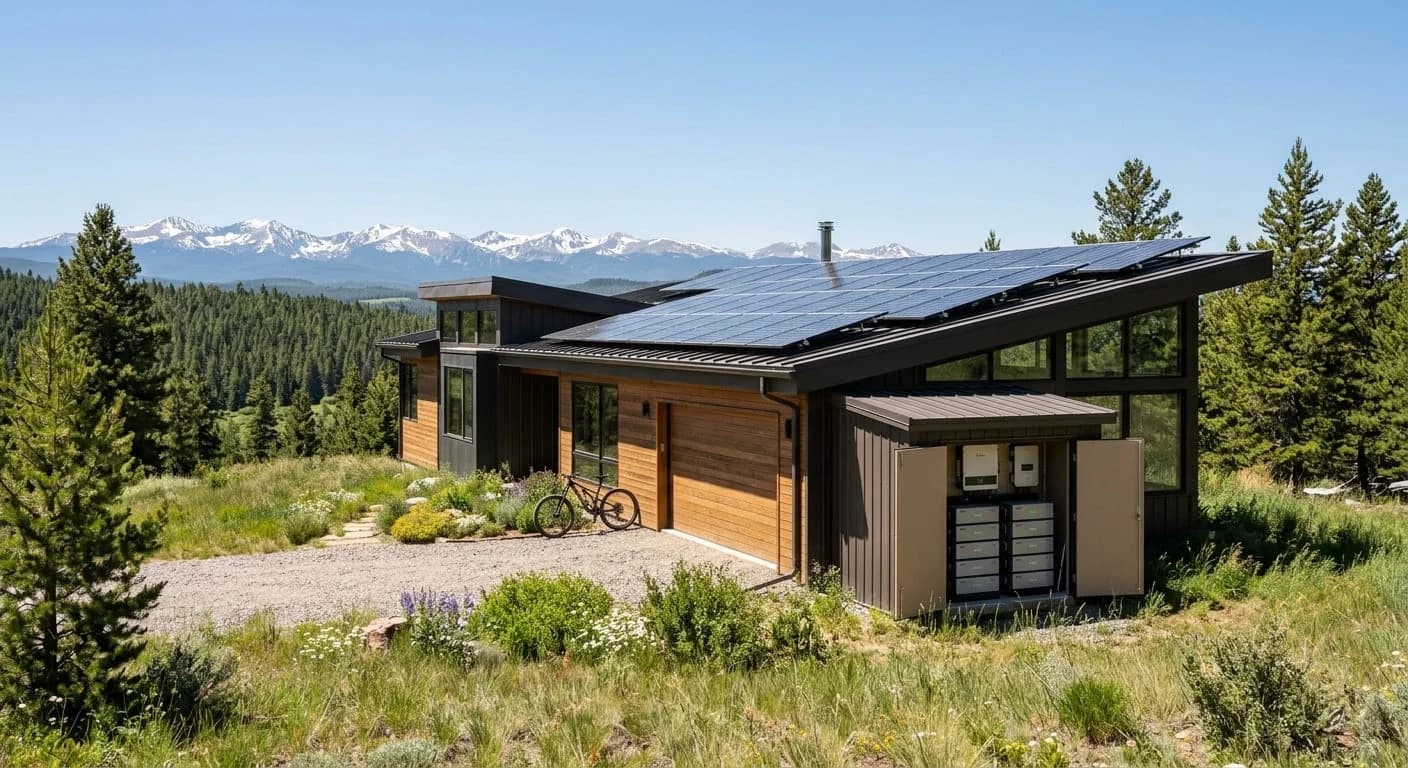
How Many Solar Panels Do I Need to Run Off the Grid?
Most off-grid homes need about 8 to 16 solar panels rated at 400 watts, dependin...
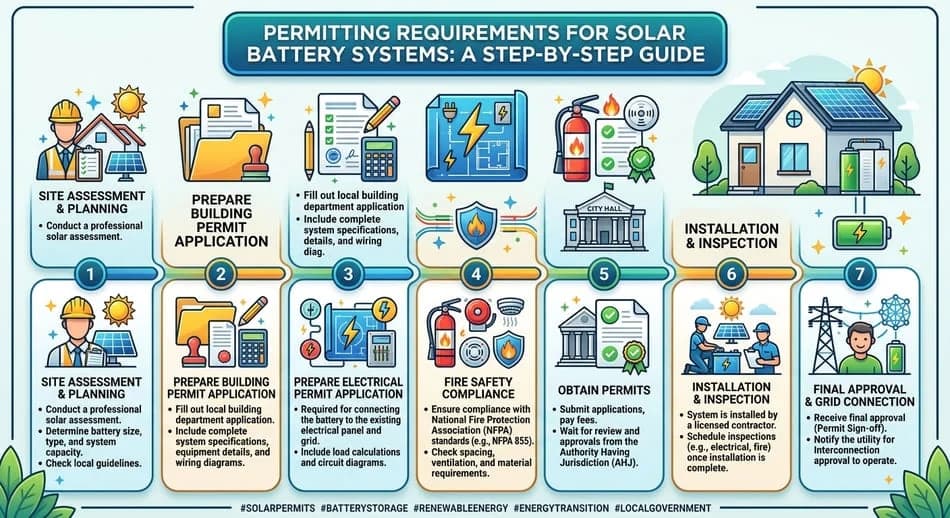
Solar Battery Permit Requirements: What You Need to Know
A solar battery usually needs local approval and a utility review before it can ...