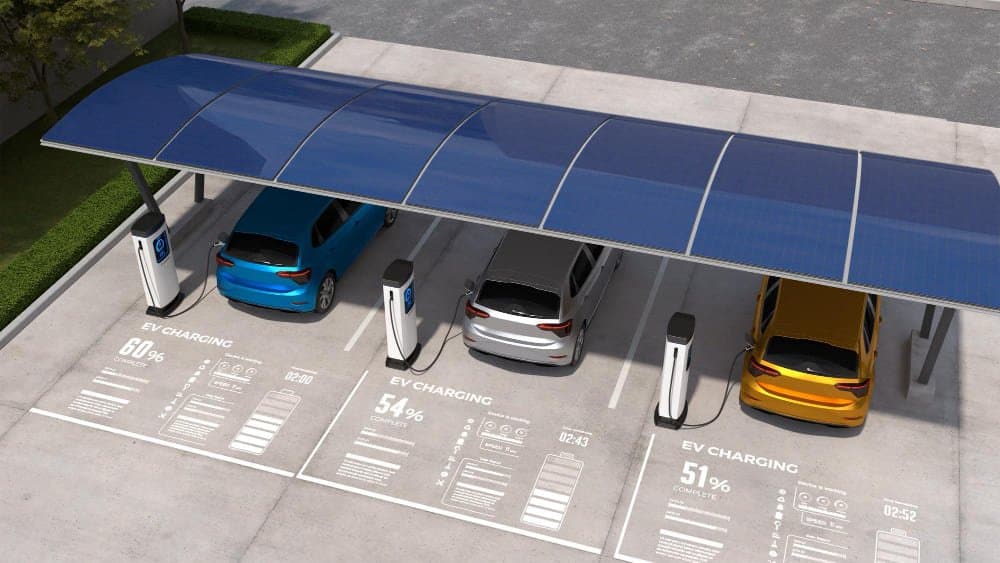
Solar carports are elevated parking structures equipped with photovoltaic panels that generate electricity while providing vehicle shelter. As of 2025, these dual-purpose installations cost between $3.75 and $4.50 per watt in the United States, with a typical 5-kilowatt residential system ranging from $18,750 to $22,500 before federal tax incentives.
Key Market Growth Drivers in 2025:
Solar energy is projected to generate 30% of U.S. electricity by 2030, with solar carports positioned as critical infrastructure for this expansion. Two converging trends accelerate demand: consistently affordable photovoltaic panel pricing and explosive electric vehicle adoption requiring integrated charging solutions. Installation contractors entering this market segment capture premium pricing opportunities with reduced competition compared to saturated rooftop solar markets.
Top Solar Carport Manufacturers in the USA:
Leading manufacturers include Parasol Structures (patented SOLFLEX system), Quest Renewables (QuadPod canopy design), Baja Carports (pre-engineered steel systems), Powers Solar Frames (Phoenix-based with patented Super Purlins), and Carport Structures Corp (40+ years of steel design experience). All produce domestically using American steel and serve both residential and commercial markets nationwide.
This comprehensive guide examines solar carport installation from the contractor’s perspective, covering operational mechanics, cost breakdowns, engineering challenges, permitting complexities, financial incentives, and manufacturer comparisons to help installers successfully enter this growing market segment.
Defining Solar Carports
A solar carport is a freestanding overhead structure equipped with photovoltaic panels that generates electricity while providing covered parking for vehicles. Unlike rooftop solar, solar carports are built over driveways, parking areas, or open lots, no existing roof required. These systems span from compact single-car units in residential driveways to sprawling arrays across commercial parking facilities.
Solar carports are one of four types of solar canopy structures, alongside pergolas, gazebos, and patio covers. For contractors, the key distinction is structural: carport installations require ground-up framework construction using steel or aluminum, engineered foundations, and clearance minimums of 14 feet or higher, demands that rooftop projects avoid entirely.
For a full breakdown of what these systems cost and how ROI pencils out for your clients, see our solar carport cost and ROI guide. The rest of this guide focuses on what contractors need to know: installation mechanics, permitting, engineering requirements, and project scoping.
Operational Mechanics of Solar Carports
Solar carports function using the same principles as ground-level photovoltaic arrays, with one key distinction: they create sheltered parking beneath the panels. Rather than mounting modules on building rooftops, these installations employ raised frameworks constructed from steel or aluminum to suspend solar arrays over vehicle spaces.
This elevated design offers a critical advantage over conventional rooftop installations: installers can precisely angle and position panels for maximum sun exposure. Understanding solar panel racking systems proves essential for optimal carport performance. The frameworks incorporate durable, weatherproof materials that maintain structural integrity while ensuring sufficient vertical clearance for parked vehicles.
When Solar Carports Make Strategic Sense
Property owners facing rooftop constraints or shade complications should evaluate carport systems as their primary solar solution. These installations become the preferred choice under specific conditions:
- Surrounding vegetation or adjacent structures block sunlight from reaching the roof
- Roof penetrations like skylights, HVAC vents, or architectural features consume valuable installation space
- Irregular or compact roof geometry creates installation challenges
- Building orientation directs roof surfaces away from peak solar angles
Business applications gain additional functionality when carport designs incorporate EV charging infrastructure. This combination addresses electric vehicle support while simultaneously cutting operational energy expenses. Properties installing carport systems benefit from enhanced power generation, simplified maintenance access, and expanded renewable capacity, all without navigating rooftop limitations. According to the National Renewable Energy Laboratory, optimizing solar panel orientation can increase energy output by 10-25% compared to suboptimal installations.

Solar Permit Solutions
Solar Contractor? We Design Your Plans.
Outsource your permit plan sets to our team. PE-stamped, code-compliant, fast turnaround so you can focus on installation.
2025 Solar Carport Pricing: Investment Expectations
Solar carport installations currently run $3.75 to $4.50 per watt in the U.S., with residential 5 kW systems ranging from $18,750 to $22,500 before incentives. Commercial-scale projects (50 kW+) come in lower at $2.75 to $3.50 per watt through volume advantages. That premium over rooftop solar reflects the ground-up structural work, engineered foundations, steel or aluminum frameworks, and specialized racking that rooftop installs avoid entirely.
For a full client-facing cost breakdown including ROI timelines, payback periods, and incentive stacking, refer clients to our solar carport cost and ROI guide. Contractors in major metros can also leverage our permit services in Los Angeles and Houston to keep local code compliance from eating into project margins.
Understanding the Price Premium Over Rooftop Systems
Carport installations carry higher price tags than rooftop arrays primarily due to structural requirements. Building elevated canopies demands substantial steel or aluminum framework plus engineered foundation systems, expenses that rooftop projects avoid entirely.
Residential carport costs also outpace commercial pricing on a per-watt basis. Smaller projects can’t leverage bulk material discounts or efficient labor deployment that large installations enjoy. Contractors in major metropolitan areas should consider specialized solar permit services in Los Angeles or Houston to navigate local code requirements efficiently.
However, the upfront premium buys tangible advantages: vehicle weather protection, unrestricted panel positioning for optimal generation, and ready integration of EV charging infrastructure. These factors position carports as strategic long-term assets rather than simple cost comparisons.

Advantages & Limitations of Solar Carport Installations
Both residential and commercial solar carports present distinct tradeoffs when measured against rooftop or standard ground-mounted photovoltaic systems. Here’s what installers and property owners need to weigh:
Core Advantages of Solar Carport Systems
Solar carports deliver dual value by creating covered parking while producing renewable electricity. These installations make efficient use of parking infrastructure, outperforming traditional ground arrays in both residential and commercial settings.
1. Reduced Utility Expenses
Carport solar systems convert idle parking areas into on-site power generation facilities, cutting dependence on utility-supplied electricity. Property owners directly offset their grid consumption, trimming monthly energy bills.
When production exceeds consumption, net metering programs allow surplus energy sales back to utilities. Property owners receive bill credits for this excess generation, further reducing electricity costs. The American Solar Energy Society provides extensive resources on maximizing solar investment returns through net metering strategies.
2. Enhanced Space Utilization
Traditional ground-mounted arrays consume valuable land exclusively for energy production. Carport installations integrate photovoltaic technology into existing parking infrastructure, preserving usable property space.
Commercial facilities gain particular advantage as parking lots transform into energy assets without eliminating vehicle capacity. This approach also reduces pressure on agricultural lands by minimizing demand for dedicated solar farm acreage, aligning with sustainable development goals outlined by the World Bank’s energy initiatives.
3. Vehicle Weather Defense
Beyond energy production, carport structures provide physical protection for parked vehicles. Southwest regions, including California, Arizona, and New Mexico, see reduced cabin heat, improving driver comfort. Northern climates benefit from shielding against precipitation, ice, hail, and snow accumulation, factors that extend vehicle longevity.
4. Integrated Electric Vehicle Charging
Combining carport solar arrays with EV charging infrastructure creates complete sustainable transportation ecosystems.
- Home installations enable residents to fuel electric vehicles using self-generated clean power, eliminating fossil fuel dependence
- Business properties add customer and employee amenities while potentially generating new income through paid charging services
5. Superior Energy Production Scenarios
Carport systems frequently outperform rooftop installations when properties face specific limitations:
- Building roofs lack sufficient unobstructed area due to vents, chimneys, or architectural features
- Shade from vegetation or adjacent structures blocks rooftop sun exposure
- Carport structures allow precision orientation toward peak solar angles, maximizing both energy yield and financial returns
For properties completely disconnected from utility infrastructure, exploring off-grid solar system design options can complement carport installations.
Challenges and Limitations of Solar Carport Systems
Solar carports deliver substantial advantages, yet installers and property owners must evaluate technical complexities and financial barriers before proceeding.
1. Elevated Material Expenses
Carport solar installations demand robust structural frameworks capable of bearing photovoltaic module weight, mounting hardware, and electrical infrastructure. Rooftop arrays leverage pre-existing building supports, while parking canopy systems require ground-up construction, driving material costs upward.
- Small-scale residential units begin at several thousand dollars for basic installations
- Commercial-grade structures spanning multiple vehicle spaces reach tens of thousands, factoring steel procurement, foundation engineering, and regulatory approval fees
2. Extended Labor Requirements
Carport projects consume more assembly time and workforce hours than rooftop photovoltaic systems. Contributing factors to increased labor expenses include:
- Foundation construction to anchor the canopy structure securely
- Customized racking assembly for achieving optimal panel angles and directional positioning
- Underground electrical work and conduit installation, particularly when integrating EV charging capabilities
- Crew specialization needs, as installers lacking carport-specific experience face steeper learning curves and prolonged completion timelines
Understanding electrical fundamentals for solar projects becomes crucial for crew training and quality control.
3. Property Space Limitations
Solar carports require sufficient clearance and ground area, making them unsuitable for all locations. Dense urban environments with restricted parking capacity often cannot dedicate space to canopy structures.
- Residential applications work best in driveways or dedicated parking zones
- Commercial implementations thrive in expansive parking facilities, serving retail centers, business parks, and corporate headquarters where efficient land utilization matters most
4. Advanced Engineering and Design Demands
Carport structures present heightened engineering complexity versus rooftop or standard ground-mounted arrays. Framework specifications must address:
- Load capacity for solar modules, mounting systems, and electrical components
- Resistance to wind forces, earthquake activity, and snow weight per regional building standards
- Vehicle clearance provisions while maintaining optimal panel positioning for peak energy capture
Professional structural engineers typically verify foundation integrity and anchoring adequacy. Projects may require geotechnical analysis, soil composition testing, and reinforced concrete footings to guarantee structural reliability. The IEEE Power & Energy Society maintains technical standards for renewable energy structural requirements.
Solar Permit Solutions delivers specialized engineering design services, covering carport plan documentation, structural calculations, and electrical system support. Their nationwide network of licensed, insured professional engineers ensures regulatory compliance across all 50 states for both residential and commercial carport installations. Explore their comprehensive solar permit services to streamline your next carport project.
5. Permitting Process Complexity
Securing approval for solar carports proves more demanding than rooftop solar permits, as applications must satisfy regulations governing both energy systems and parking infrastructure.
Permit prerequisites vary based on:
- Local jurisdictional authority and zoning ordinances
- Structural engineering validation for weight-bearing specifications
- Electrical authorization for grid connection, wiring pathways, and EV charger integration
- Fire safety compliance, including setback distances and emergency access routes
Understanding how long solar permits take helps contractors set realistic project timelines. The SolSmart program offers municipalities guidance on streamlining solar permitting processes, which can benefit installers working across multiple jurisdictions. Working with experienced permit expediting services can significantly reduce approval timelines.
Financial Incentives for Solar Carport Projects
Residential property owners may claim the federal solar tax credit for carport installations, slashing total project costs by 30%. Additional state-level programs provide rebates and tax advantages, warranting thorough investigation of regional and utility-sponsored solar incentives. A 5kW residential system could yield approximately $6,000 in savings or more through federal tax credit qualification.
Commercial carport projects access the 30% federal investment tax credit (ITC) alongside accelerated depreciation benefits through the Modified Accelerated Cost Recovery System (MACRS). These financial tools substantially reduce initial capital requirements and enhance return on investment metrics for business parking canopy installations.

Electric Vehicle Charging Through Solar Carports
Solar carport systems integrate seamlessly with electric vehicle charging infrastructure. Photovoltaic panels mounted atop the carport structure produce electricity that feeds directly into EV charging equipment, enabling vehicles to refuel using site-generated clean power while parked under protective cover. This integrated approach suits homeowners and commercial properties seeking to merge weather protection with sustainable transportation solutions.
Solar Carport vs. Solar Parking Canopy: Understanding the Terms
Industry professionals frequently interchange “solar carport” and “solar parking canopy” since both describe parking structures equipped with photovoltaic technology. Despite minor aesthetic or design differences between installations, these systems share core characteristics: overhead frameworks supporting solar arrays that simultaneously shield vehicles and produce electrical power. Both terms reference functionally identical installations serving dual roles of vehicle shelter and renewable energy generation.
Expanding Your Service Portfolio with Carport Installations
Solar carport demand continues rising across residential and commercial markets, creating accessible entry points despite parking canopy systems commanding premium pricing. Carport installations deliver combined value through energy production and vehicle protection, making them attractive additions to renewable energy service catalogs. Contractors positioning themselves in this growing market segment can capture increased client interest as solar adoption accelerates nationwide.
Installers seeking to expand their knowledge base can explore essential solar energy books and stay updated through the Solar Permit Solutions blog for industry insights and technical guidance. For those interested in hands-on learning, our DIY solar installation guide offers practical step-by-step instructions.
Top 5 Solar Carport Manufacturers in the USA
1. Parasol Structures
Parasol Structures leads in solar carport design and manufacturing, producing all systems domestically using American steel and iron. Their patented SOLFLEX carport system meets UL 2703 bonding and grounding requirements, offering single and dual incline configurations that maximize power generation per parking space.
2. Quest Renewables
Quest Renewables pioneered the innovative QuadPod solar canopy system, delivering the lowest total installed system costs in the industry while accommodating larger project capacities than traditional carport designs. All system components are manufactured domestically, with installations spanning nationwide commercial and institutional properties.
3. Baja Carports
Baja Carports manufactures pre-engineered steel solar carports using American steel, offering pre-galvanized light-gauge high-tensile steel or structural steel construction. Their in-house design and engineering teams create site-specific solutions achieving maximum shade coverage with optimal solar production across diverse commercial applications.
4. Powers Solar Frames
Powers Solar Frames operates manufacturing facilities in Phoenix, Arizona, producing custom-specification carport frames available nationwide. Their bolted design accelerates construction timelines, while patented Super Purlins and Mini Clips enable rapid panel installation with galvanized framework requiring no field painting.
5. Carport Structures Corp
Carport Structures Corp applies over 40 years of steel carport design experience to solar applications, developing comprehensive product lines specifically for renewable energy projects. They provide complete services from architectural design and structural engineering to PV panel optimization, serving utility-scale and commercial solar developers.
Conclusion
Solar carport installations represent a strategic expansion opportunity for contractors ready to diversify beyond traditional rooftop systems. The convergence of declining equipment costs, surging electric vehicle adoption, and federal tax incentives creates favorable market conditions for both residential and commercial carport projects.
Success in this segment requires understanding the technical distinctions that separate carport work from standard installations. Structural engineering requirements, extended permitting processes, and specialized racking systems demand upfront investment in training and partnerships. However, contractors who master these complexities gain access to premium-priced projects with reduced competition.
The pricing differential between carport and rooftop systems, typically $3.75 to $4.50 per watt versus standard rates, reflects genuine added value rather than markup alone. Property owners recognize the dual functionality these systems deliver: weather protection for vehicles alongside renewable energy generation. This value proposition simplifies sales conversations and justifies higher project budgets.
Looking forward, parking infrastructure nationwide presents untapped potential for solar development. Commercial properties with expansive lots, multi-family residential complexes, and institutional facilities continue seeking solutions that maximize space efficiency. Contractors establishing carport expertise now position themselves ahead of inevitable market expansion as solar targets 30% of national electricity generation by decade’s end.
FAQs
What’s the typical ROI timeline for commercial solar carport installations, and how does it compare to rooftop systems?
Commercial solar carports typically achieve 7- to 12-year payback periods, approximately 2 to 3 years longer than equivalent rooftop installations due to higher upfront costs. However, total ROI calculations should include non-energy benefits: reduced vehicle maintenance from weather protection, property value enhancement, and potential EV charging revenue streams. Properties leveraging the 30% federal ITC plus MACRS depreciation can shorten payback periods to 5 to 8 years. Large-scale installations (100 kW or more) benefit from economies of scale, bringing carport ROI timelines closer to rooftop parity while delivering superior marketing visibility and tenant satisfaction metrics that justify premium investments.
Solar Contractor? We Design Your Plans.
Outsource your permit plan sets to our team. PE-stamped, code-compliant, fast turnaround so you can focus on installation.
Frequently Asked Questions
Unlike rooftop solar panels that mount on existing building structures, solar carports use steel or aluminum frameworks anchored into the ground to suspend solar arrays 14 feet or higher above parking spaces. This elevated design allows installers to optimize panel angles for maximum sun exposure, an advantage traditional rooftop systems cannot achieve due to fixed roof orientations.
Solar carports make strategic sense for property owners facing three specific challenges: (1) inadequate roof space due to vents, chimneys, or skylights; (2) excessive shading from trees or adjacent buildings; or (3) suboptimal roof orientation that reduces energy production. Commercial properties gain additional value by integrating electric vehicle charging stations directly into carport structures.
Installation contractors typically charge 15 to 30% more for carport projects compared to rooftop systems due to structural engineering requirements, foundation work, and specialized racking installation. Commercial-scale projects (50 kW or larger) achieve lower per-watt costs of $2.75 to $3.50 through bulk material purchasing and streamlined labor deployment.
Solar carports deliver five primary advantages: (1) reduced utility expenses through on-site power generation and net metering credits, (2) enhanced space utilization by transforming parking areas into energy assets, (3) vehicle weather protection from sun, rain, hail, and snow, (4) integrated EV charging capabilities using clean solar power, and (5) superior energy production when rooftop installations face shading or orientation limitations.
Five main challenges affect solar carport installations: (1) elevated material expenses requiring robust structural frameworks, (2) extended labor requirements for foundation work and specialized racking, (3) property space limitations in dense urban environments, (4) advanced engineering demands for load capacity and wind resistance, and (5) complex permitting processes taking 4 to 8 weeks longer than rooftop solar permits.
Solar carport installations typically command 15-30% higher rates per watt than rooftop systems due to structural complexity and specialized expertise requirements. While material and labor costs increase, so do profit margins. A 50kW commercial carport project might generate $15,000 to $25,000 more in gross profit than an equivalent rooftop installation. However, projects require longer completion timelines and more sophisticated engineering support, affecting overall project velocity and cash flow management.
Carport installations don't require separate licensing beyond standard electrical and solar credentials, but specialized training proves valuable. Contractors benefit from expertise in structural foundation work, steel framework assembly, and advanced racking systems. Many manufacturers like Parasol Structures and Baja Carports offer installer training programs covering their specific mounting systems. Partnerships with structural engineering firms become essential, as carport projects mandate professional engineering stamps that typical rooftop work doesn't require.
Solar carport permits typically take 4 to 8 weeks longer than rooftop solar permits due to additional regulatory layers. Applications must satisfy both energy infrastructure codes and parking structure ordinances, requiring structural engineering approvals, electrical permits, and fire safety compliance documentation. Jurisdictions treat carports as new structures rather than building modifications, triggering more extensive review processes. Working with experienced permit expediting services like Solar Permit Solutions can reduce approval timelines by coordinating multi-agency submissions and addressing technical requirements proactively.
Existing carport retrofits are feasible but require structural analysis to verify load-bearing capacity. Most conventional carports weren't engineered for additional photovoltaic weight, mounting hardware, and wind load factors. A structural engineer must evaluate foundation integrity, framework specifications, and local code compliance before proceeding. Retrofit projects often cost 40 to 60% less than new construction since foundation and framework expenses are eliminated, making them attractive options for properties with suitable existing structures. However, panel orientation limitations may reduce energy production compared to purpose-built solar carports.
Commercial solar carports typically achieve 7- to 12-year payback periods, approximately 2 to 3 years longer than equivalent rooftop installations due to higher upfront costs. However, total ROI calculations should include non-energy benefits: reduced vehicle maintenance from weather protection, property value enhancement, and potential EV charging revenue streams. Properties leveraging the 30% federal ITC plus MACRS depreciation can shorten payback periods to 5 to 8 years. Large-scale installations (100 kW or more) benefit from economies of scale, bringing carport ROI timelines closer to rooftop parity while delivering superior marketing visibility and tenant satisfaction metrics that justify premium investments.

SPS Editorial Team
Solar Permit Solutions
Solar Permit Solutions provides professional solar permit design services for residential, commercial, and off-grid installations across all 50 states. Our team ensures permit-ready plan sets delivered fast.
Related Articles
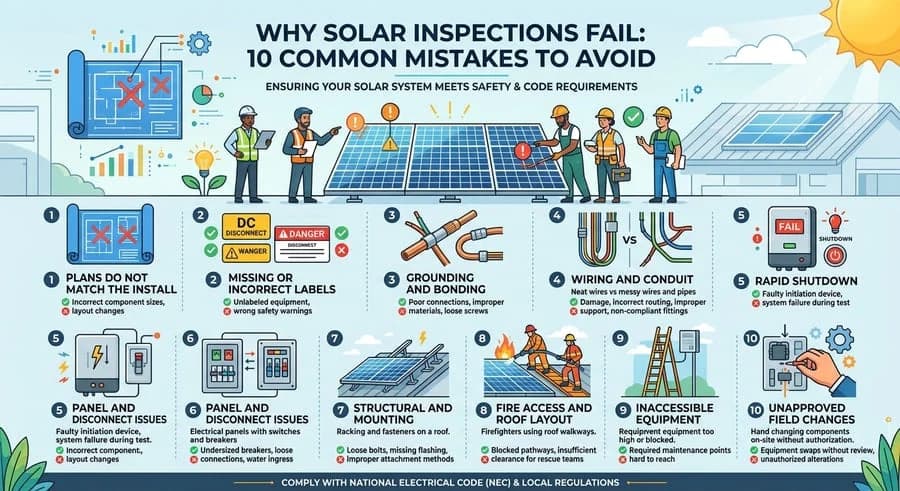
Why Solar Inspections Fail: 10 Common Mistakes to Avoid
Discover the 9 critical reasons solar inspections fail and how to avoid costly m...
Solar Grounding And Bonding: How To Pass Inspection Every Time
Learn how to pass solar grounding and bonding inspections every time. Avoid comm...
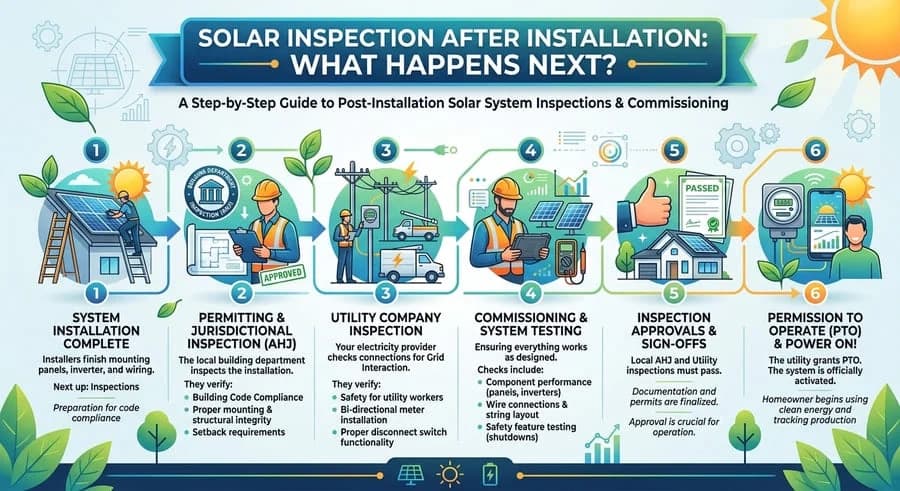
Solar Inspection After Installation: What Happens Next?
Learn how to pass your solar inspection by following essential tips for obtainin...