
How can you expedite solar permits in California and Texas? Solar permit approvals in California typically take 2-6 weeks through traditional processes but can be reduced to same-day approvals using SolarAPP+ in participating jurisdictions. In Texas, approval times range from 1-4 weeks depending on local requirements, with some rural areas requiring no permits at all.
The fastest approval methods include: using SolarAPP+ digital platforms (California), submitting complete code-compliant documentation, engaging local permit specialists, filing utility interconnection early (Texas), and maintaining direct communication with plan reviewers.
Key expediting factors: California has 500+ permitting jurisdictions with strict Title 24 and fire setback requirements, while Texas offers fewer regulations but varies significantly by municipality. Common delays stem from incomplete plan sets, missing electrical diagrams, inaccurate structural calculations, and poor AHJ communication. Successful expediting requires standardized templates, equipment datasheets, clear labeling, and jurisdiction-specific checklist compliance.
Timeline improvements: Projects using professional permit design services typically receive plan sets within 24-48 hours. SolarAPP+ provides instant approvals for qualifying residential systems. Early utility interconnection submission in Texas prevents bottlenecks, as utility reviews often exceed municipal approval times. Direct inspector relationships in both states resolve minor issues without formal resubmissions, reducing revision cycles by 30-50%.

Understanding Common Permitting Bottlenecks
Solar permit applications typically require building, electrical, and occasionally structural assessments. Common causes of approval delays include:
- Submission of incomplete or error-filled plan documentation
- Inconsistent requirements across local jurisdictions
- Extended interdepartmental coordination periods
- Insufficient communication with permitting authorities

Expediting California Solar Permits: Strategic Approaches
California operates over 500 distinct permitting jurisdictions, creating one of the nation’s most complicated solar approval environments. Despite this complexity, several tactics can significantly reduce approval timeframes.
1. Leverage SolarAPP+ for Rapid Approvals
SolarAPP+ represents a Department of Energy-developed digital platform that enables participating jurisdictions to issue instant approvals for qualifying residential solar installations.
Action Step: Verify whether your project location has adopted SolarAPP+, this tool can transform weeks of waiting into immediate same-day authorization.
2. Engage California-Specialized Permitting Professionals
Collaborate with engineers and permitting specialists who demonstrate expertise in California’s Title 24 energy standards, fire protection requirements, and jurisdictional variations.
Action Step: Local expertise minimizes revision cycles and prevents application rejections.
3. Prepare Comprehensive, Standards-Compliant Documentation
Successful permit applications must contain:
- Detailed site plans
- Photovoltaic array layouts
- Complete electrical diagrams
- Structural load calculations
- Manufacturer specification sheets
Action Step: Thoroughly review all documentation before submission. Understanding what permits are required to install a solar system in CA helps avoid inaccuracies that create expensive time setbacks.
4. Master Fire Safety Setback Requirements
California enforces rigorous rooftop access pathways and ventilation standards for firefighter safety. Ensure designs incorporate mandatory clearances around roof features like ridges, valleys, and hips. Review solar PV construction codes and permitting guidelines to stay compliant.

Streamlining Texas Solar Permitting: Navigating Regional Variations
Texas maintains a less restrictive regulatory framework compared to California, though approval processes remain highly dependent on municipal and county-specific protocols.
1. Determine Permit Necessity
Certain rural and unincorporated Texas regions may not require solar permits at all. Understanding what happens if you install a solar panel without a permit is crucial for compliance.
Action Step: Research local regulations and create permitting checklists, some locations allow permit-free installations.
2. Initiate Utility Interconnection Applications Promptly
Utility company review and approval frequently represents the most time-consuming phase of Texas solar projects. According to NREL’s permitting timeline research, interconnection delays significantly impact overall project completion.
Action Step: File interconnection documentation at the earliest project stage and maintain regular communication with utility representatives.
3. Utilize Expert Permit Preparation Resources
Experienced residential solar design and commercial solar design professionals can produce accurate, compliant plan sets within 24-48 hour timeframes.
Action Step: Select providers familiar with National Electrical Code standards, Texas solar permit requirements, and ERCOT interconnection protocols.
4. Build Direct Inspector Relationships
Many Texas municipalities permit direct contact with plan reviewers via phone or email.
Action Step: Cultivating working relationships with local inspectors enables quick resolution of minor issues without triggering formal resubmission requirements.
Solar Permit Solutions
Skip the Permit Headaches
We design plan sets that pass inspection the first time. Code-compliant, PE-stamped, accepted by AHJs nationwide.
Universal Strategies for Faster Solar Permit Processing
- Develop standardized plan templates for consistency
- Apply clear, professional labeling to all diagrams
- Attach complete equipment specifications
- Verify jurisdiction-specific checklist compliance before submission
- Monitor application status through regular follow-up
Understanding land use and permitting processes across different jurisdictions helps identify region-specific requirements. Learning how to meet solar panel permit requirements ensures your applications meet all necessary standards.
Moving Forward with Solar Projects
The solar permitting timeline doesn’t need to extend unnecessarily. By applying digital tools like SolarAPP+, partnering with knowledgeable regional experts, and submitting thorough documentation, approval periods can be substantially reduced. Whether you need off-grid solar system design or grid-tied installations, these professional strategies apply effectively across California, Texas, and other markets, positioning projects for timely completion and installation.
For assistance navigating complex permitting requirements, contact our team to streamline your approval process.
Conclusion
Navigating solar permitting in California and Texas requires strategic planning, thorough documentation, and knowledge of jurisdiction-specific requirements. While California’s extensive regulatory framework and Texas’s varied municipal approaches present distinct challenges, applying the right strategies can dramatically reduce approval timelines. Review the average solar permit timeline by state to set realistic expectations. Prioritize complete, accurate submissions, leverage available digital tools, and establish strong communication channels with local authorities. Whether managing a single residential installation or overseeing multiple commercial projects, understanding solar permit requirements across the United States positions solar initiatives for faster approvals and smoother project execution. The Union of Concerned Scientists renewable energy resources provides additional guidance on implementation. Take proactive steps today to streamline your solar permit processing and accelerate your solar permitting success with Solar Permit Solutions.
FAQs
Skip the Permit Headaches
We design plan sets that pass inspection the first time. Code-compliant, PE-stamped, accepted by AHJs nationwide.
Frequently Asked Questions
Solar permit approval times in California vary significantly by jurisdiction, ranging from same-day approvals through SolarAPP+ in participating cities to 2-6 weeks in traditional review processes. Major metropolitan areas like Los Angeles and San Francisco typically require 3-4 weeks, while smaller municipalities may process applications faster. Some cities like California City offer streamlined solar permit applications. Jurisdictions using digital platforms and automated review systems generally provide quicker turnaround times than those relying on manual plan checks.
No, permit requirements in Texas depend entirely on local jurisdiction. Many incorporated cities require building and electrical permits for solar installations, while numerous rural and unincorporated county areas have no permitting requirements whatsoever. Always verify specific requirements with your local building department before beginning any solar project, as assumptions about permit necessity can lead to compliance issues or unnecessary delays.
SolarAPP+ automates the plan review process for qualifying residential solar projects, providing instant permit approvals when applications meet pre-programmed code compliance criteria. Traditional permitting requires manual review by plan examiners, which takes days or weeks. SolarAPP+ eliminates human review delays by automatically checking submissions against National Electrical Code, fire safety standards, and structural requirements. However, it only applies to standard residential installations—complex projects still require conventional review processes.
Solar permit rejections most frequently result from incomplete electrical diagrams, missing structural calculations, non-compliant fire setback dimensions, and inadequate equipment specifications. Inaccurate load calculations, improper conductor sizing, and failure to meet local amendments to national codes also trigger rejections. In California specifically, Title 24 compliance issues and fire department access violations cause frequent resubmissions. Ensuring documentation completeness and code compliance before initial submission prevents costly revision cycles.
Submit utility interconnection applications as early as possible in the project timeline, ideally concurrent with or even before building permit applications. Utility review processes often take longer than municipal permit approvals, particularly in Texas where utility coordination represents a significant timeline factor. Early interconnection submission allows both processes to proceed simultaneously, preventing utility approval from becoming a bottleneck after construction permits are already secured. This parallel processing approach minimizes overall project delays.

SPS Editorial Team
Solar Permit Solutions
Solar Permit Solutions provides professional solar permit design services for residential, commercial, and off-grid installations across all 50 states. Our team ensures permit-ready plan sets delivered fast.
Related Articles
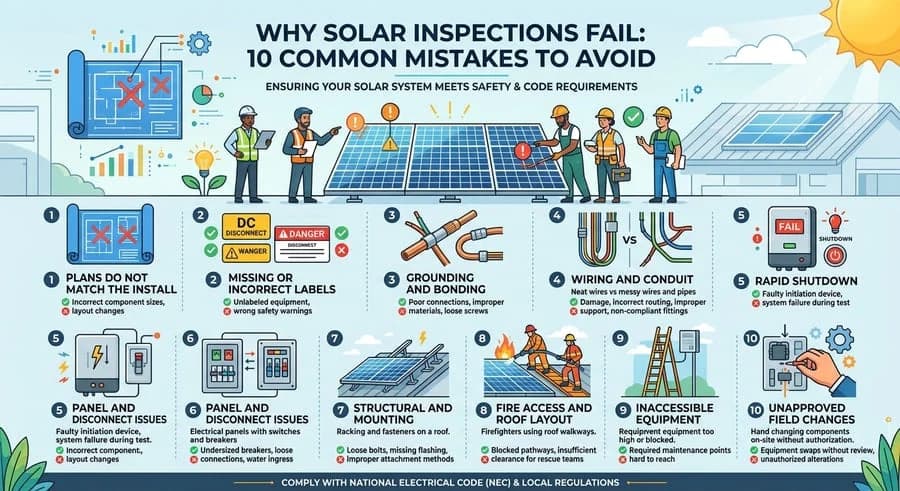
Why Solar Inspections Fail: 10 Common Mistakes to Avoid
Discover the 9 critical reasons solar inspections fail and how to avoid costly m...

Solar Grounding And Bonding: How To Pass Inspection Every Time
Learn how to pass solar grounding and bonding inspections every time. Avoid comm...
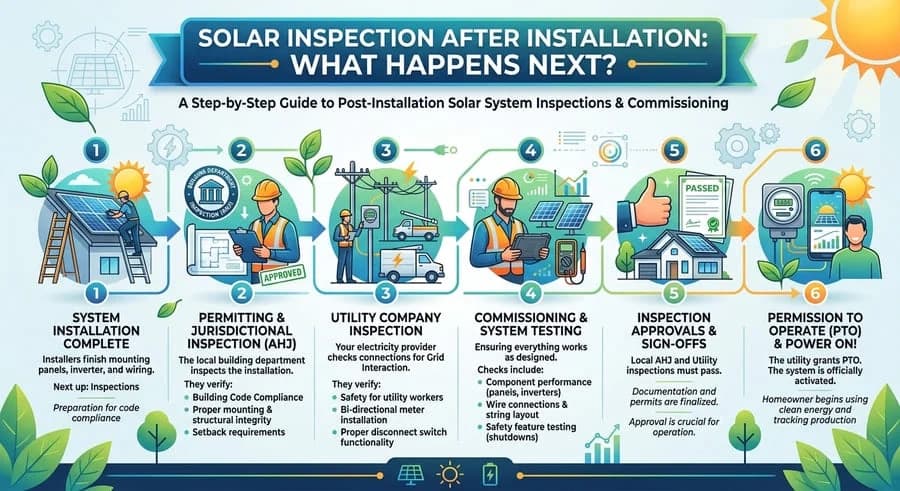
Solar Inspection After Installation: What Happens Next?
Learn how to pass your solar inspection by following essential tips for obtainin...