
Dreaming of solar energy but worried your HOA will say no? You’re not alone. Over 40 million homes in the U.S. are governed by HOAs, and navigating their rules for solar panel installations is a common hurdle. The good news: it’s one you can overcome.
HOA restrictions on solar panels may limit system placement, design choices, or visibility requirements. While these rules aim to preserve neighborhood aesthetics, they can create obstacles for solar adoption. However, solar access laws in 30+ states now protect homeowners from outright bans, giving you legal leverage to move forward.
This guide walks you through your legal rights, decodes common HOA rules, and provides a step-by-step strategy to get your solar installation approved. The homeowners guide to solar offers additional foundational knowledge for those just starting their research.
Do Homeowners’ Associations Have Authority Over Solar Installations?
Homeowners’ associations work to maintain property values and create a cohesive neighborhood aesthetic. They accomplish this through covenants, conditions, and restrictions (CC&Rs) that govern how residents modify their homes, including solar installations.
Previously, many HOA solar panel guidelines created significant barriers for homeowners pursuing solar energy. However, solar access laws in multiple states now limit HOA solar panel restrictions, protecting homeowners’ rights to install solar systems. Despite these protections, some HOAs maintain specific solar panel guidelines that residents must follow. Understanding these regulations is essential for ensuring a smooth installation process.
The Role of Solar Access Laws in Protecting Homeowner Rights
HOA restrictions on solar panels cannot completely ban solar installations in many states due to solar access laws. However, these laws vary by state, and HOA solar panel guidelines can still influence the design, placement, and aesthetics of solar systems. Many states permit HOAs to enforce “reasonable” regulations regarding solar equipment size, visibility, and location.
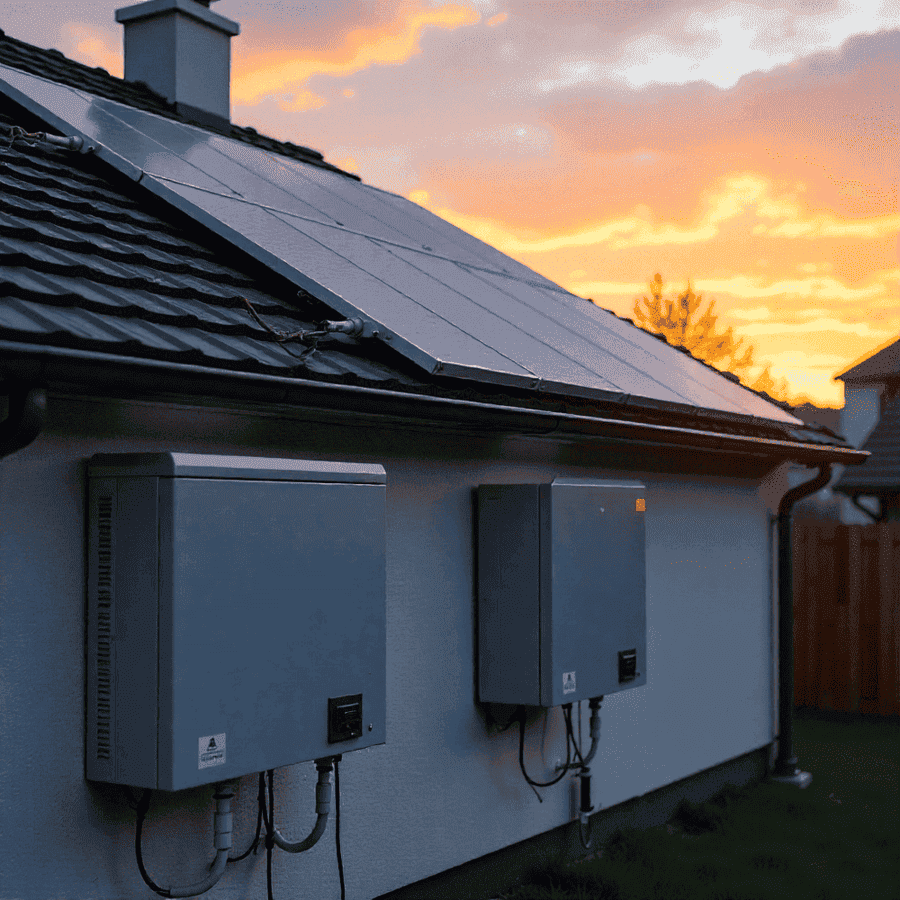
For instance, HOA guidelines for solar panels may require setback distances, restrict panel types for aesthetic purposes, or prevent installations from extending above the roofline. Some HOA solar panel restrictions mandate flush-mounted panels or require conduit to remain hidden from street view.
Which States Offer Legal Protections for Solar Panel Owners?
Solar installers should understand the HOA solar panel guidelines in states where they operate. State-specific programs like NV Energy net metering can also impact system design decisions.
State Solar Access Laws at a Glance
Note: “Reasonable restrictions” typically relate to placement, color, or screening requirements that do not effectively prohibit installation. Consult specific state statutes or legal counsel for definitive interpretation.
Solar Permit Solutions
Need Solar Permit Plans?
Professional, permit-ready solar plan sets delivered fast. Residential and commercial projects across all 50 states.
Understanding Solar Easements in HOA Communities
Shading ranks among the most common issues that reduce solar system performance. Solar easements address this concern. A solar easement is a legal agreement granting homeowners the right to access unobstructed sunlight by securing sunlight exposure across property lines. This proves especially useful when working around HOA solar panel guidelines that may limit panel placement options.
For example, if a neighboring tree shades a rooftop array, a solar easement could require the tree to be trimmed or removed once it reaches a certain height. These agreements are legally binding and transfer with the property when sold. However, they remain voluntary, meaning the neighbor must agree to the terms, often with compensation.
As of 2025, at least 30 states have laws permitting property owners to create solar easements, including California, Colorado, Florida, Georgia, Iowa, Maryland, Massachusetts, Michigan, Minnesota, New Hampshire, New York, Oregon, and Washington. These agreements extend beyond properties under HOA solar panel restrictions but prove especially valuable in HOA-governed communities where panel placement is already limited.
Understanding how solar easements interact with HOA guidelines for solar panels helps homeowners protect system performance and avoid future conflicts over shading. Proper monitoring systems can help track performance impacts from shading issues.
How CC&Rs Affect Your Solar Installation Options
HOA restrictive covenants outline what homeowners can and cannot do with their property. These agreements frequently cover landscaping, rentals, holiday decorations, vehicles, pets, noise, storage, and exterior modifications, including solar energy systems. HOA solar panel restrictions may dictate placement, visibility, or even prohibit installations altogether in certain cases.
For example, a restrictive covenant may require homeowners to maintain their lawn, limit outside vehicle parking, or regulate backyard structures. While these rules aim to maintain neighborhood aesthetics and property values, they sometimes create barriers for homeowners pursuing solar energy. The HOA action guide offers strategies for navigating these challenges.
Failure to follow HOA guidelines for solar panels or other CC&Rs can result in fines or property liens. Homeowners should obtain a copy of their covenants, conditions, and restrictions to check for any HOA solar panel guidelines before proceeding with a project.
California’s Landmark Solar Rights Act Explained
The California Solar Rights Act, established in 1978, prevents HOA restrictions on solar panels by prohibiting HOAs from outright banning solar panel installations. While HOA solar panel guidelines can still apply, they must not increase costs by more than $1,000 or reduce system efficiency by over 10%.
This law applies to both HOAs and local governments, ensuring that HOA solar panel restrictions or municipal rules do not hinder solar energy systems. It protects homeowners’ rights to install solar panels while balancing aesthetic concerns and functionality. Reviewing roof space requirements helps ensure system designs meet both efficiency and HOA standards.

Typical Solar Panel Rules Enforced by HOAs
HOA restrictions on solar panels vary by association. Here are some of the most common HOA solar panel guidelines homeowners may encounter:
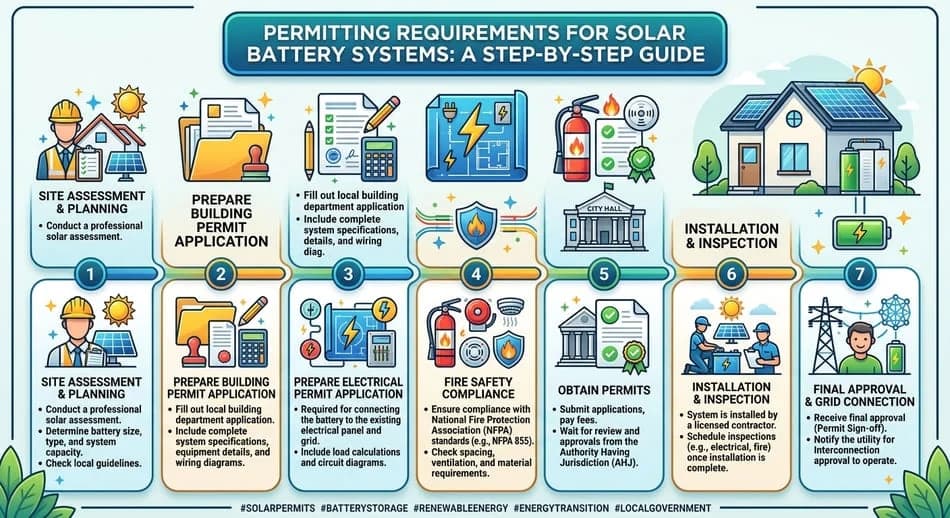
- Prior Solar Approval Requirement: Many HOAs require homeowners to obtain approval before installing solar panels. This often involves submitting solar plan sets, system specifications, and other documentation to ensure compliance with HOA solar panel restrictions.
- HOA Solar Panel Placement Restrictions: HOAs may impose rules on where solar panels can be installed, such as limiting installations to specific areas of the roof or yard. Understanding flat roof options can help with placement decisions.
- Design and Aesthetic Considerations: To maintain community consistency, HOA guidelines for solar panels may dictate the design, color, and appearance of solar panels to ensure they align with neighborhood architecture and overall aesthetic.
- Size and Quantity Limitations: HOAs might set limitations on the number and size of solar panels a homeowner can install. This could include restrictions on total square footage or system capacity.
- Safety and Maintenance Requirements: HOAs may require homeowners to meet specific safety and maintenance standards, such as regular inspections, compliance with local building codes, and proper installation techniques. Identifying common panel defects supports ongoing maintenance compliance.
- Landscaping Considerations: Some HOA solar panel guidelines may address landscaping requirements around solar panels, such as requiring screening or vegetation to minimize visibility. However, this can create shading issues that reduce system performance.
- Roofing Restrictions: Certain HOAs may have rules regarding roofing materials used for solar panel installations. These restrictions aim to ensure compatibility with existing roof structures and minimize damage risks during installation.
The Reasoning Behind HOA Solar Regulations
HOA restrictions on solar panels typically stem from several key factors:
Local Zoning and Municipal Codes
Local governments regulate land use and development through zoning laws, which can impact solar panel installations. In some cases, these laws do not specifically address solar energy systems, leaving room for interpretation and potential restrictions. The community associations guide provides insight into how associations can develop balanced policies.
In neighborhoods with historic buildings or designated historic districts, local laws may require preserving the visual character of the area. This can limit where solar panels can be installed. For example, HOA solar panel guidelines may prohibit panels from being visible from the street while allowing installation in less visible areas, such as the back of the property.
Community Appearance Standards
One primary reason for HOA solar panel restrictions is the desire to maintain consistent aesthetics within the community. HOAs may express concern about how solar panels affect neighborhood appearance or property values. Often, CC&Rs include clauses limiting changes to exterior home appearance, and solar panels are sometimes viewed as disruptive to the uniformity HOAs aim to preserve.
Other Options When Traditional Rooftop Solar Is Not Permitted
When an HOA does not permit a solar system in a neighborhood, joining a community solar farm may be possible. With this setup, solar systems are not located on members’ properties. Additional community solar resources can help homeowners explore this alternative. The utility solar handbook provides detailed program information.
Another alternative is a ground-mounted solar system, where solar panels are installed in the yard or as a carport or trellis structure. This option often carries higher costs due to additional labor and mounting hardware requirements. For properties completely off the grid, off-grid system design offers another pathway. Resources on shared solar development can also help with multi-property installations.

Steps to Secure HOA Approval for Your Solar Project
Follow this checklist to navigate the HOA approval process efficiently. The HOA guide outlines additional best practices for working with associations.
HOA Solar Approval Checklist
- Obtain your CC&Rs – Request a copy of your community’s covenants, conditions, and restrictions to identify solar-specific rules
- Research state solar access laws – Determine if your state limits HOA authority over solar installations
- Prepare documentation – Gather site plans, system specifications, equipment details, and visual mockups
- Submit a formal application – Follow your HOA’s approval process and keep copies of all submissions
- Educate the board – Share information about solar benefits, including increased property values
- Offer design flexibility – Consider all-black panels or front skirts to address aesthetic concerns
- Understand metering requirements – Determine whether you need a different meter after installation
- Document everything – Keep records of all communications in case disputes arise
Our solar blog offers additional resources for navigating approval processes. Some solar installation companies assist by handling HOA paperwork, including submitting proposals and system images, which can help homeowners who hesitate to approach HOAs directly.
Conclusion
With HOA restrictions on solar panels affecting 40 million homes across the country, understanding how to navigate HOA solar panel guidelines is essential for successful installations. Moving solar projects forward requires knowledge of local laws, proper documentation, and flexibility in system design.
The key to a smooth approval process lies in submitting professional, code-compliant permit plan sets that meet both municipal and HOA requirements. Solar Permit Solutions provides permit-ready solar designs, certified engineering stamps, and interconnection support across all 50 states. Whether you need residential solar design or commercial projects, contact us to streamline your HOA approval process.