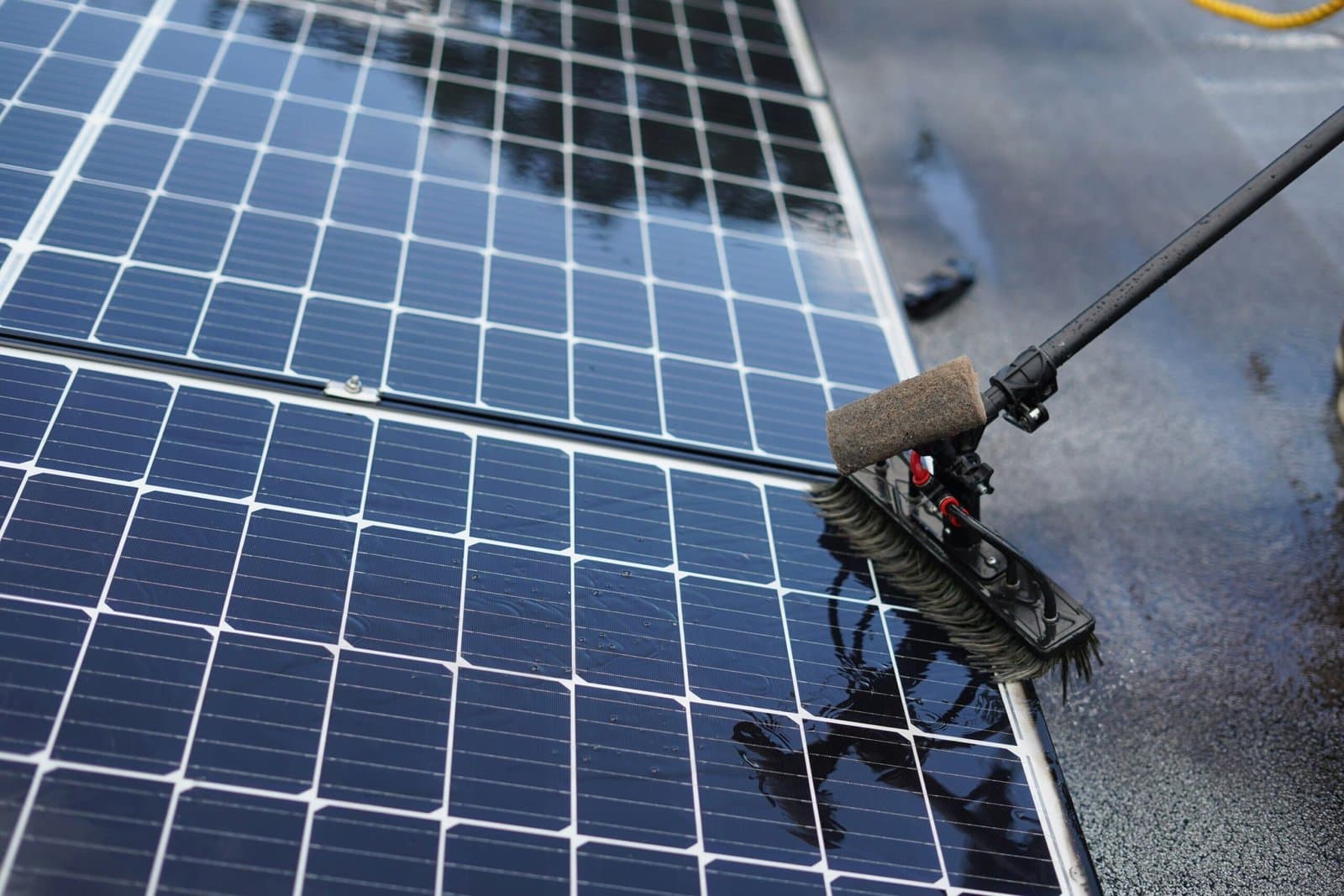
Residential solar panels require regular maintenance to achieve their expected 25 to 30 year lifespan while maintaining 80 to 85 percent of original power output. Proper maintenance includes quarterly cleaning to remove dirt that blocks sunlight, visual inspections every three months to detect cracks or damage, and annual professional evaluations to ensure optimal system performance. Without regular upkeep, solar panel efficiency can drop by 5 percent or more annually due to accumulated debris, undetected damage, and deteriorating electrical connections.
Homeowners should clean panels using plain water and soft brushes during cooler morning or evening hours to prevent thermal shock. Quarterly inspections should check for physical damage, loose wiring, and vegetation shading that reduces energy production. Professional technicians should perform comprehensive annual maintenance that includes inverter testing, electrical connection verification, and mounting structure assessment. Systems incorporating battery storage require additional terminal cleaning and temperature monitoring to maintain reliable backup power capacity.
Regular maintenance prevents common issues including reduced voltage from loose connections, inverter malfunctions that halt electricity production, and microcracks from storm damage that lead to hot spots and system failures. Monitoring energy output monthly helps identify performance drops that signal maintenance needs, while detailed record keeping supports warranty claims and enables faster problem diagnosis by service technicians.
Remove Dirt And Debris From Panel Surfaces
Solar panels convert sunlight into electricity through photovoltaic cells. Accumulated dirt, dust, and debris block incoming sunlight, directly reducing power output from residential solar systems. Regular cleaning maintains optimal performance levels.
Clean panel surfaces using plain water and a soft cloth or sponge, applying gentle pressure to avoid surface damage. Schedule cleaning sessions during early morning or evening hours to prevent thermal shock from temperature fluctuations that could crack panels. Avoid harsh chemical cleaners or abrasive tools that may scratch protective coatings. Quarterly cleaning schedules deliver excellent results for most installations.
Conduct Visual Inspections For Physical Damage
Solar panels withstand harsh weather conditions, yet physical damage remains possible. Severe weather events, wildlife activity, or falling debris can compromise panel integrity.
Conduct thorough visual inspections quarterly. Examine panels carefully for cracks, scratches, or broken components. Minor damage can escalate into major system failures when left unaddressed. Early detection prevents costly repairs and maintains continuous operation.
Contact qualified solar technicians immediately upon discovering damage. Avoid attempting repairs without proper training and equipment. Professional technicians possess specialized knowledge for safe panel handling and effective repairs.
Eliminate Shading From Trees And Vegetation
Sunlight serves as the primary energy source for solar power generation. Nearby vegetation growth may cast shadows across panel surfaces, blocking solar radiation and reducing system efficiency.
Monitor surrounding landscaping regularly for new growth patterns. Trim trees and bushes that create shade on solar panel arrays. Maintaining clear exposure to direct sunlight maximizes energy capture and improves overall power output. Seasonal trimming every few months prevents shading issues before they impact production.
Proper site evaluation during system design ensures optimal panel placement for maximum annual energy production. When selecting residential solar equipment, professional assessment identifies potential shading concerns and recommends ideal installation locations.
Solar Permit Solutions
Need Solar Permit Plans?
Professional, permit-ready solar plan sets delivered fast. Residential and commercial projects across all 50 states.
Verify Inverter Functionality And Performance
Solar inverters convert direct current from panels into alternating current for household use. Inverter malfunctions disrupt entire system operations, halting electricity production.
Monitor inverter status regularly through indicator lights and display screens. Modern inverters provide clear diagnostic information about system performance. Warning lights or error messages signal potential issues requiring professional attention.
Schedule annual professional inverter inspections to ensure optimal functionality. Technicians test inverter performance, verify proper operation, and identify developing problems before failures occur. Maintaining inverter health preserves overall system efficiency.

Track Energy Production Data Regularly
Tracking energy production from residential solar installations enables early problem detection. Most modern systems include monitoring apps or web portals for convenient performance review.
Review system energy output monthly, comparing current production to historical data. Sudden drops in energy generation indicate potential system issues requiring investigation. Early identification of performance problems minimizes downtime and prevents revenue loss from reduced power production.
Examine Electrical Connections And Wiring
Loose or deteriorated electrical connections reduce solar system performance and create safety hazards.
Conduct visual wire and connection inspections quarterly. Verify all connections remain secure without visible damage or wear indicators. Never handle damaged wiring directly. Contact licensed electricians to perform safe repairs following electrical codes.
Properly maintained electrical connections ensure reliable system operation and household safety.
Perform Post-Storm Damage Assessments
Severe weather events including high winds, heavy precipitation, and hail threaten solar panel integrity. Post-storm inspections identify damage requiring immediate attention.
Examine panels thoroughly after severe weather for cracks, displaced mounting hardware, or physical damage. Prompt post-storm assessments enable rapid repairs, preventing minor damage from developing into system damage. Quick action minimizes repair costs and maintains continuous power generation.

Schedule Annual Professional Inspections
Homeowners can complete many basic maintenance tasks independently. However, annual professional inspections provide comprehensive system evaluations that identify hidden issues.
During professional maintenance visits, certified technicians inspect panels, electrical wiring, inverters, and mounting structures thoroughly. Comprehensive performance testing reveals developing problems before they cause system failures. Annual professional maintenance extends system lifespan and optimizes long-term performance.
Address Winter Weather Challenges
Snow and ice accumulation blocks sunlight from reaching panel surfaces, halting electricity generation. Remove snow carefully using soft brooms or roof rakes designed for solar applications. Apply gentle pressure to avoid damaging panel surfaces or protective coatings.
Allow ice formations to melt naturally under sunlight, or gently apply lukewarm water to accelerate melting. Never use hot water, as extreme temperature differentials may crack tempered glass surfaces.
Maintaining clear panel surfaces during winter months preserves steady energy production throughout cold weather periods.
Prevent Wildlife Nesting And Intrusion
Birds, squirrels, and other wildlife may nest beneath or around solar panels. Animals can damage wiring through chewing or block sunlight by building nests on panel surfaces.
Inspect installations regularly for signs of animal activity around arrays. Remove nests carefully, or contact pest control professionals for assistance with persistent wildlife problems. Install protective barriers or wire mesh around panel perimeters when animal intrusion becomes frequent.
Preventing pest-related damage maintains reliable year-round system operation.
Maintain Roof Structure Integrity
Roof structures support the weight of solar panel installations and mounting equipment. Strong, well-maintained roofs ensure stable panel positioning and safe operation.
Inspect roofing twice annually for leaks, structural damage, or loose shingles that could compromise panel mounting. Roof deterioration can lead to panel damage or unsafe installations. Addressing roof issues promptly protects both residential structures and solar investments.
Service Battery Storage Systems
Solar systems incorporating battery storage require additional maintenance to ensure reliable operation.
Battery systems need clean electrical connections and appropriate operating temperatures for optimal performance. Inspect battery terminals regularly, cleaning gently when corrosion appears. Maintain battery environments within manufacturer-recommended temperature ranges, typically approximating room temperature conditions.
Proper battery maintenance provides reliable backup power during grid outages and maximizes storage system efficiency.
Establish Emergency Response Procedures
Develop clear procedures for responding to serious solar system malfunctions.
Maintain current contact information for solar installation companies and licensed repair technicians in accessible locations. Respond immediately to major problems including electrical arcing, smoke, or unusual odors by shutting down systems and contacting professionals.
Established emergency procedures ensure household safety and enable rapid system restoration following critical failures.

Document All Maintenance Activities
Detailed maintenance records facilitate performance tracking and troubleshooting.
Document all cleaning sessions, inspections, repairs, and professional maintenance visits with dates and observations. Comprehensive records help identify effective maintenance practices and enable technicians to diagnose problems more efficiently. Detailed documentation simplifies warranty claims when equipment failures occur.
Stay Current With Technology Advances
Solar technology continues advancing with improved efficiency ratings and enhanced monitoring capabilities. Staying informed about technological developments identifies opportunities for system upgrades.
Consult solar installation professionals about available improvements or additions that could enhance system performance. Strategic upgrades may increase energy production efficiency and reduce electricity costs further.
Conclusion
Maintaining residential solar systems requires consistent attention through quarterly cleaning, monthly energy monitoring, and annual professional inspections. Regular maintenance prevents efficiency losses from accumulated dirt, undetected damage, and electrical connection deterioration. Addressing environmental challenges including weather events, vegetation growth, and wildlife activity through prompt action ensures continuous optimal performance throughout the system’s operational life.
Solar systems represent significant long-term investments requiring comprehensive care strategies to maximize returns. Detailed record keeping supports faster troubleshooting and warranty claims, while staying informed about technological advances enables strategic upgrade decisions. Partnering with qualified solar professionals for complex tasks and annual evaluations guarantees systems operate at peak efficiency throughout their 25 to 30 year lifespan.
FAQs
Need Solar Permit Plans?
Professional, permit-ready solar plan sets delivered fast. Residential and commercial projects across all 50 states.
Frequently Asked Questions
Solar panels typically maintain productive operation for 25 to 30 years. After 25 years of service, panels generally still produce approximately 80 to 85 percent of their original power output. Implementing proper maintenance practices and conducting regular inspections helps extend operational lifespan and preserve efficiency throughout the system's service life.
Pressure washers pose significant risks to solar panel integrity. High-pressure water streams can crack tempered glass surfaces or compromise weatherproof seals. Use gentle garden hoses or soft sponges with plain water for safe panel cleaning.
Solar panels continue generating electricity during overcast or rainy conditions, though at reduced efficiency levels. Cloud cover typically reduces power production to approximately 10 to 25 percent of optimal output. Maintaining clean panel surfaces maximizes energy capture during suboptimal weather conditions.
Elevated temperatures reduce solar panel electrical efficiency. Panels achieve optimal performance in moderate temperature conditions around 25 degrees Celsius (77 degrees Fahrenheit). Excessive heat can decrease power output by approximately 10 to 20 percent. Ensuring adequate airflow beneath panel arrays reduces heat accumulation and maintains efficient operation.
Following nearby lightning strikes, check inverter displays for error codes or warning messages. Even indirect lightning strikes can damage sensitive solar equipment through electrical surges. When damage is suspected, immediately disconnect the solar system using the main disconnect switch and contact qualified professionals to inspect and repair affected components safely.
SPS Editorial Team
Solar Permit Solutions
Solar Permit Solutions provides professional solar permit design services for residential, commercial, and off-grid installations across all 50 states. Our team ensures permit-ready plan sets delivered fast.
Related Articles
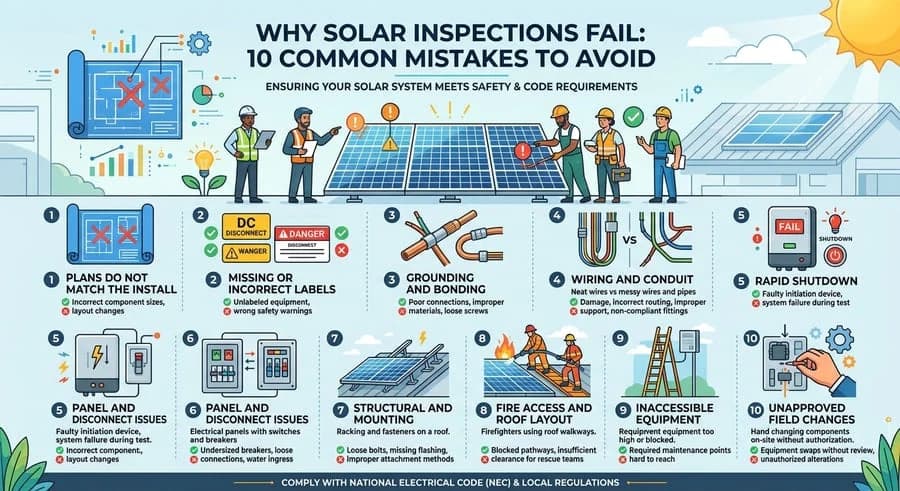
Why Solar Inspections Fail: 10 Common Mistakes to Avoid
Discover the 9 critical reasons solar inspections fail and how to avoid costly m...
Solar Grounding And Bonding: How To Pass Inspection Every Time
Learn how to pass solar grounding and bonding inspections every time. Avoid comm...
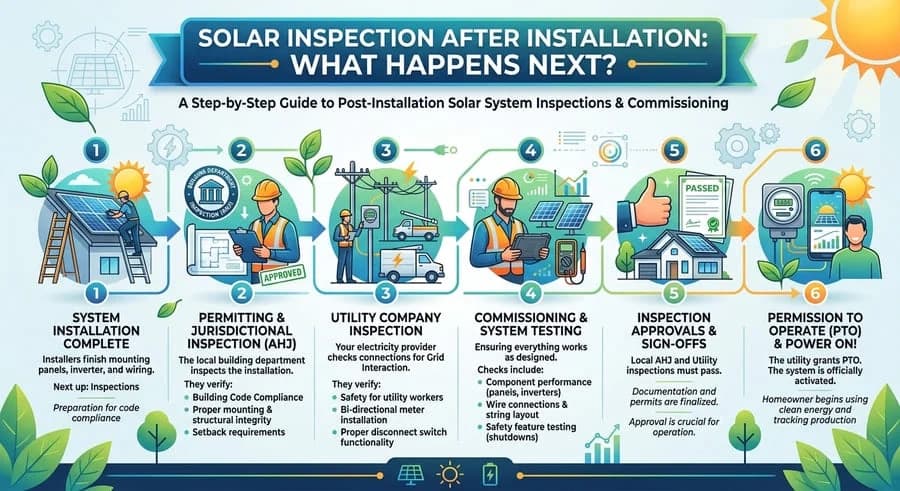
Solar Inspection After Installation: What Happens Next?
Learn how to pass your solar inspection by following essential tips for obtainin...