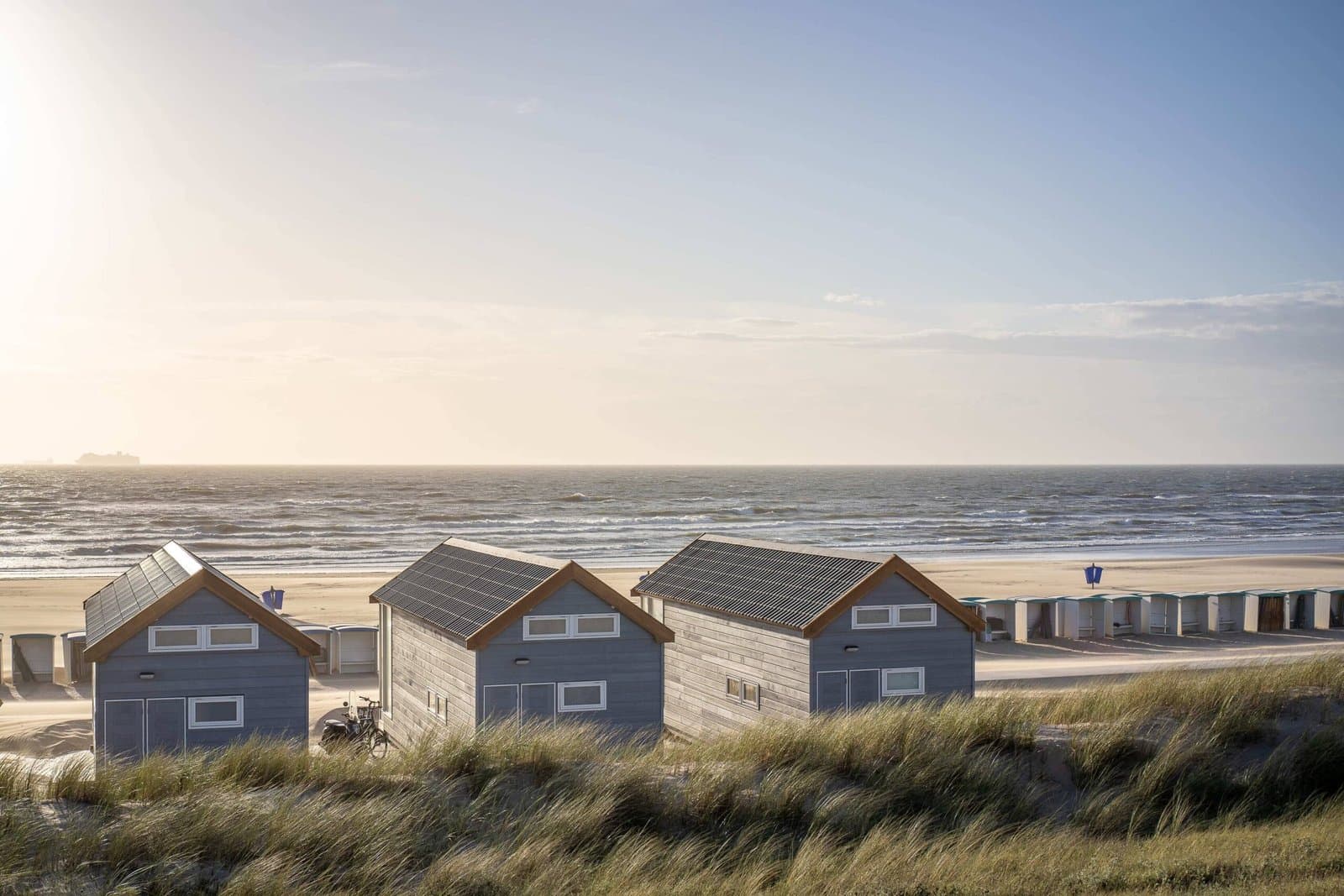
Coastal solar panels require corrosion-resistant frames (anodized aluminum or stainless steel), IP67+ waterproof ratings, wind resistance up to 140+ mph, and marine-grade coatings. Monocrystalline panels perform best in salt environments with 25-year warranties covering corrosion damage.
Key Requirements for Coastal Solar Panels:
Material Protection:
- Anodized aluminum or stainless steel frames prevent saltwater corrosion
- Marine-grade protective coatings on all exposed metal components
- IP67 or higher waterproof rating to block moisture intrusion
- Sealed junction boxes and weatherproof conduits
Performance Standards:
- Temperature coefficients for operation above 100°F
- Wind load ratings exceeding 140 mph per local codes
- 25+ year power output warranty with corrosion coverage
- High efficiency to maximize limited roof space
Installation Best Practices:
- Mount on roof sections sheltered from prevailing ocean winds
- Use stainless steel mounting hardware and brackets
- Position at angles allowing rain to wash away salt buildup
- Schedule cleaning with fresh water at least twice yearly
Panel Type Comparison: Monocrystalline panels offer highest efficiency (18-22%) and best salt resistance. Polycrystalline panels provide budget-friendly alternative with adequate coastal durability. Thin-film panels excel in flexibility and wind resistance but produce less power per square foot.
Residing along the shoreline comes with advantages, stunning ocean vistas, crisp marine breezes, and abundant sunlight. For those considering solar energy, it’s a smart move toward harnessing that sunlight while reducing electricity expenses. However, selecting suitable solar panels for an oceanfront property requires more than just choosing the highest-wattage options.
Salinity, dampness, and powerful gusts can damage solar systems if proper precautions aren’t taken. Selecting panels engineered to endure these challenging elements is essential for obtaining dependable, durable energy production. This guide explains what features to prioritize so solar systems can flourish in seaside locations.

Recognizing the Obstacles of Oceanfront Settings
Seaside properties encounter distinct obstacles that influence solar panel functionality and durability. Understanding these elements helps in selecting appropriate solar panels that manage severe conditions while maintaining efficiency.
Saltwater Erosion and Its Effects
Saltwater contact speeds up erosion on metallic parts in solar panels and attachment hardware. Panels featuring erosion-resistant frames constructed from anodized aluminum or stainless steel are recommended. These substances minimize rust and wear, prolonging the system’s operational life. Marine-quality protective layers on panels and electrical connections provide additional defense against salt mist and airborne salt particles, which can otherwise trigger electrical malfunctions and energy reduction.
Research published in the National Library of Medicine demonstrates how coastal environmental factors significantly impact photovoltaic system performance, making proper material selection crucial for long-term reliability.
Elevated Humidity and Dampness Factors
Elevated moisture levels along coastlines generate condensation that damages solar panels. Panels with strong protection classifications, such as IP65 or higher, block water penetration into vulnerable components. Adequate sealing surrounding connectors and electrical boxes is critical, as accumulated moisture can trigger short circuits or separation of panel components. Air circulation also plays a role, so installation should permit airflow to minimize trapped moisture and enhance panel durability.
Wind and Tempest Durability Standards
Intense coastal gusts and tempests create mechanical pressure on solar setups. Attachment hardware tested for elevated wind pressures, frequently rated to handle velocities surpassing 140 mph based on regional construction requirements, is necessary. Reliable fastening to rooftops or ground installations prevents harm or panel displacement during tempests. Panel configurations with reduced wind resistance characteristics decrease lift forces, guaranteeing the system remains secured throughout the year.
Coastal municipalities like Nags Head, NC and Palm Beach County, FL have specific building codes addressing solar installations in hurricane-prone regions.
Essential Considerations When Selecting Solar Panels for an Oceanfront Property
Selecting appropriate solar panels for a seaside residence demands focused consideration of particular elements. Emphasizing robustness, performance in challenging environments, and producer credibility guarantees systems endure and operate effectively.
Robustness and Construction Excellence
Panels with erosion-resistant frames manufactured from anodized aluminum or stainless steel are advisable. These substances withstand salt exposure more effectively than conventional aluminum. Marine-quality protective treatments provide an additional defense layer against rust and breakdown. Panels sealed to no less than an IP67 classification exclude moisture and saltwater effectively. Effective sealing and superior electrical boxes minimize the chance of water harm, which is crucial in ocean proximity.
Australian solar installers have developed specialized tilt frames for coastal installations that address these unique environmental challenges while maintaining optimal panel positioning.
Performance and Output in Seaside Environments
High-performing panels sustain energy production regardless of the coastal setting’s obstacles. Solar units that function well in elevated humidity and temperatures exceeding 100°F are optimal. Panels with favorable temperature coefficients minimize power reduction on sweltering days. Assessment of how effectively panels withstand salt erosion-associated decline matters, as this can reduce performance gradually. Bifacial panels occasionally provide benefits but need particular attention regarding salt accumulation on the rear surface.
Understanding how much a home solar system costs helps balance performance requirements with budget considerations when selecting panels for coastal environments.
Guarantee and Producer Dependability
Producers providing no less than 25 years of energy output guarantee along with a comprehensive product guarantee are preferable. Seaside residences face more demanding conditions, so selecting manufacturers with demonstrated dependability in marine settings is important. Detailed guarantee protection of erosion harm and setup assistance should be verified. Partnering with businesses that deliver transparent customer support and robust technical guidance guarantees investments maintain worth across decades.
Working with professional solar design services ensures your system meets all warranty requirements and manufacturer specifications from the outset.

Categories of Solar Panels Appropriate for Seaside Regions
Choosing the proper category of solar panel significantly impacts coastal properties. Each panel variety manages salt, dampness, and wind uniquely, so recognizing their advantages assists in making the optimal selection.
Monocrystalline Modules
Monocrystalline modules provide superior efficiency and robust functionality in seaside environments. Manufactured from single-crystal silicon, they produce more energy per square foot than alternative varieties. They usually feature erosion-resistant frames and resilient tempered glass that tolerates salt exposure. Their extended lifespan and increased energy generation suit seaside properties where area and dependability are most significant.
For optimal performance, proper solar panel layout optimization ensures monocrystalline modules capture maximum sunlight while minimizing exposure to harsh coastal elements.
Polycrystalline Modules
Polycrystalline modules offer a more economical choice while still managing coastal settings reasonably well. Constructed of multiple silicon crystals, they generally have marginally reduced efficiency than monocrystalline but maintain solid resilience. Confirming the frames include anodized aluminum or marine-quality protective layers to oppose erosion is necessary. For seaside properties with sufficient rooftop area, polycrystalline modules provide equilibrium between expense and moisture resistance.
Thin-Film Modules
Thin-film modules stand out in adaptability and tolerance to severe conditions. Unlike crystalline modules, they utilize layers of photovoltaic substance on glass or metal bases. Their lightweight construction minimizes wind pressure influence, advantageous in storm-vulnerable coastal zones. Nevertheless, they typically generate less energy per square foot and deteriorate more rapidly in elevated temperatures. Thin-film modules merit evaluation when emphasizing erosion resistance and adaptability, particularly when rooftop weight restrictions are a concern.
Before finalizing your panel selection, review the complete guide to solar permit applications to understand local regulatory requirements for coastal installations. Many coastal homeowners also need to navigate HOA regulations that impact solar permit approvals, adding another layer of complexity to the approval process.
Solar Permit Solutions
Need Solar Permit Plans?
Professional, permit-ready solar plan sets delivered fast. Residential and commercial projects across all 50 states.
Setup Recommendations for Seaside Properties
Setting up solar panels along the coast demands particular focus to shield them from severe salt atmosphere, intense winds, and humidity. Approaches that prolong panel lifespan and maximize energy generation in these rigorous settings are essential.
Strategic Positioning to Reduce Exposure
Positioning solar panels where they obtain continuous sunlight but encounter limited direct contact with ocean air is recommended. Installing panels on the rooftop section protected from dominant winds decreases salt exposure influence. Positioning panels at a moderate angle allows rainfall to naturally remove salt accumulation without creating moisture pools. Placements adjacent to metal barriers or drainage systems that hasten erosion if salt gathers should be prevented.
A recent study on commercial solar power in coastal cities found that strategic placement significantly reduces maintenance costs while improving system longevity in marine environments.
Defensive Actions Against Erosion
Erosion-resistant components such as stainless steel or anodized aluminum mounting brackets and connectors are essential. Implementing marine-quality protective treatments on visible metal components establishes a defensive shield against salt erosion. Employing sealed electrical boxes and weather-resistant conduits blocks moisture penetration and decreases the chance of electrical harm. Choosing framework engineered specifically for seaside environments ensures superior opposition to rust and breakdown.
Proper wire management and conduit practices are particularly crucial in coastal installations where moisture intrusion poses heightened risks to electrical components.
Consistent Upkeep and Washing
Scheduled washing with clean water to eliminate salt accumulations that obstruct sunlight and erode substances is significant. Employing a gentle brush or cloth avoids panel surface harm during cleaning. Examining mounts, electrical connections, and seals no less than twice annually identifies erosion or deterioration promptly before it influences functionality. Arranging upkeep following significant storms confirms debris and salt residue don’t jeopardize the system’s performance or longevity.
Understanding the benefits of solar energy can motivate proper maintenance routines, knowing that consistent care protects your investment while maximizing long-term savings. For complex coastal projects requiring expedited approvals, consider leveraging solar permit expediting services to streamline the permitting timeline.
Working with commercial solar design professionals for larger coastal installations ensures compliance with industry best practices and local building codes. Additionally, research from ScienceDirect on solar panel degradation provides valuable insights into how environmental stressors affect system performance over time.
Conclusion
Selecting suitable solar panels for a seaside residence demands additional attention, but it’s absolutely worthwhile. With appropriate materials and setup, solar installations can resist salt, wind, and dampness while maintaining low electricity costs.
Prioritizing robustness and excellence creates substantial impact over time. Committing to panels engineered for seaside environments means not simply reducing expenses, it’s safeguarding property and the planet as well. For those new to renewable energy, a beginner’s guide to solar energy provides foundational knowledge to make informed decisions.
Remembering these factors ensures dependable, sustainable energy for many years ahead along the coastline. Contact us to discuss your coastal solar project needs.
FAQs
Understanding solar single-line diagrams helps ensure all electrical components meet coastal certification requirements.
Avoiding common solar permit design mistakes during initial installation saves significant retrofit costs later.
For specialized coastal applications, off-grid solar system design services can provide customized solutions with appropriate warranty protections for remote seaside properties.
Need Solar Permit Plans?
Professional, permit-ready solar plan sets delivered fast. Residential and commercial projects across all 50 states.
Frequently Asked Questions
Coastal environments present three primary challenges for solar panels: saltwater corrosion, elevated humidity, and strong winds. Salt spray and airborne salt particles accelerate erosion on metal components and frames, leading to rust and degradation. High moisture levels can cause water intrusion into electrical components, resulting in short circuits or delamination of panel layers. Additionally, powerful coastal gusts and storms create mechanical stress that can damage or displace panels if not properly secured with appropriate mounting systems.
Yes, solar panels for coastal homes should have higher protection ratings than standard installations. Look for panels with at least an IP67 rating, which ensures effective sealing against moisture and saltwater penetration. Additionally, mounting systems should be tested and rated for high wind loads, typically capable of withstanding speeds exceeding 140 mph depending on local building codes. Marine-grade coatings and corrosion-resistant materials like anodized aluminum or stainless steel frames are also essential certifications to verify before purchase.
Solar panels in seaside locations require more frequent maintenance than inland installations. Cleaning should be performed with fresh water at least twice annually to remove salt deposits that block sunlight and erode materials. However, scheduling additional cleanings after major storms is recommended to ensure debris and salt residue don't compromise system efficiency. Regular inspections of mounts, wiring, and seals during these cleaning sessions help identify corrosion or wear early before it affects performance.
Monocrystalline panels are generally the superior choice for coastal homes due to their higher efficiency and better performance in challenging conditions. They produce more power per square foot and typically feature more durable tempered glass and corrosion-resistant frames. However, polycrystalline panels can be a viable option for properties with ample roof space and tighter budgets, provided they have proper anodized aluminum frames or marine-grade coatings. The key is ensuring whichever type selected has appropriate corrosion protection and sealing ratings for marine environments.
While some protective measures can be added to existing systems, complete retrofitting is often challenging and may not be cost-effective. Marine-grade coatings can be applied to exposed metal components, and mounting hardware can be upgraded to stainless steel or anodized aluminum. However, if panels lack proper IP ratings or corrosion-resistant frames from the factory, these fundamental weaknesses cannot be fully remedied. For oceanfront properties, investing in solar panels specifically engineered for coastal environments from the start ensures better long-term performance and durability.
Coastal solar installations should come with comprehensive warranty coverage that specifically addresses marine environment challenges. Producers should offer at least 25 years of power output warranty alongside a solid product warranty. Most importantly, verify that warranty coverage explicitly includes protection against corrosion damage, as standard warranties may exclude deterioration caused by saltwater exposure. Companies with proven track records in marine environments and clear customer support channels provide the best assurance that investments will maintain value throughout the system's lifespan.

SPS Editorial Team
Solar Permit Solutions
Solar Permit Solutions provides professional solar permit design services for residential, commercial, and off-grid installations across all 50 states. Our team ensures permit-ready plan sets delivered fast.
Related Articles
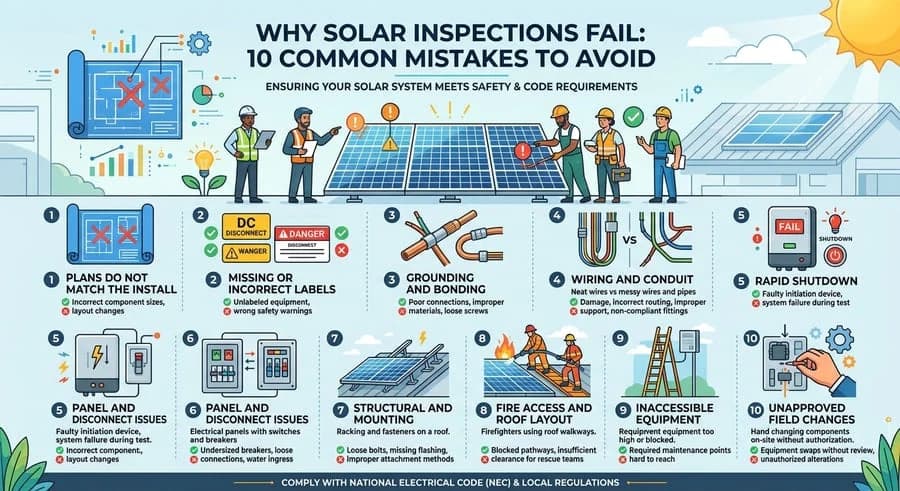
Why Solar Inspections Fail: 10 Common Mistakes to Avoid
Discover the 9 critical reasons solar inspections fail and how to avoid costly m...
Solar Grounding And Bonding: How To Pass Inspection Every Time
Learn how to pass solar grounding and bonding inspections every time. Avoid comm...
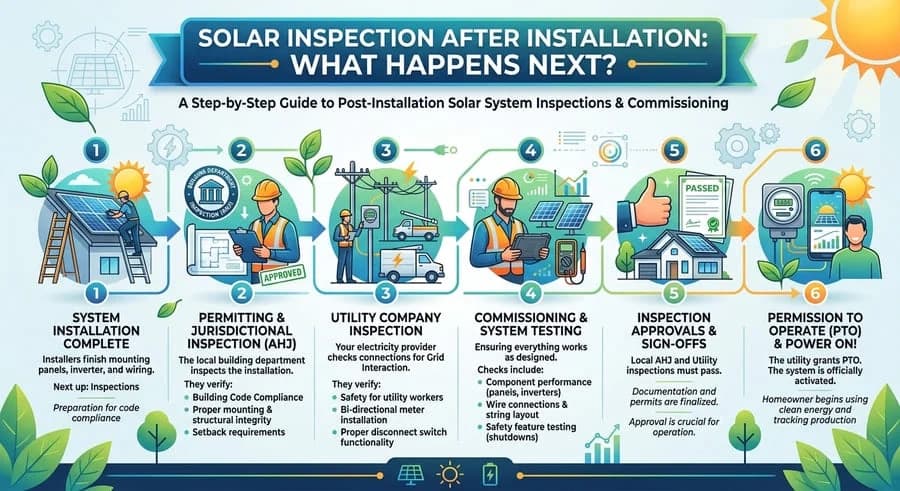
Solar Inspection After Installation: What Happens Next?
Learn how to pass your solar inspection by following essential tips for obtainin...