
Solar permitting is the process of obtaining regulatory approvals to install solar energy systems, ensuring compliance with safety codes and local regulations. Modern technology is transforming this traditionally time-consuming process through digital platforms, standardized applications, and automated compliance tools that reduce approval times from weeks to days.
Key innovations revolutionizing solar permitting include online permit submission systems that eliminate paper-based workflows, unified permit applications that work across multiple jurisdictions, and real-time compliance checking software that identifies issues before submission. Governments are accelerating adoption through expedited approval processes for residential installations and reduced permitting fees for solar projects.
Digital transformation represents the most significant shift in solar permitting practices. Traditional methods involving in-person submissions and lengthy review periods are being replaced by streamlined digital workflows that improve processing speed, reduce errors, and enhance communication between installers, homeowners, and regulatory agencies. These advancements benefit residential, commercial, and off-grid solar projects by making installation approvals more accessible and efficient.
Transitioning to Online Solar Permit Systems
Digital platforms represent one of the most significant shifts in solar permitting practices. Traditional permitting relies on paper-based applications, in-person submissions, and extended approval periods. Digital permitting platforms transform this landscape by enabling online submission, tracking, and management of permits. This approach accelerates processing timelines while reducing errors and improving stakeholder communication.
Digital vs Paper Solar Plan Submissions: Key Differences
Understanding the practical differences between traditional paper-based and modern digital submission methods reveals why automated platforms are transforming the solar permitting landscape. These contrasting approaches significantly impact project timelines, costs, and overall efficiency for installers and property owners.
Traditional Paper-Based Submissions
Paper-based permitting systems create numerous bottlenecks throughout the approval process. Physical document submission requires installers to travel to permitting offices during business hours, often resulting in lost productivity and increased fuel costs. Manual plan reviews by staff members take considerably longer, with applications sitting in queues for days or weeks before initial evaluation begins. Error detection occurs late in the process, requiring complete resubmission of corrected documents and restarting review timelines. Communication gaps between applicants and reviewers lead to prolonged delays, as installers wait for phone calls or mailed notices about application status or required corrections.
Modern Digital Submissions
Digital permitting platforms eliminate traditional barriers through streamlined online workflows. Installers submit complete applications from any location at any time, avoiding office visits and enabling 24/7 access to permitting systems. Automated compliance checking identifies code violations and missing information instantly, allowing immediate corrections before formal submission. Real-time status tracking provides transparency throughout the review process, with automated notifications updating applicants on application progress and requirements. Centralized document storage enables quick retrieval and reference for all parties, while integrated communication tools facilitate direct messaging between installers and reviewers. Platforms process qualifying applications instantly, reducing median approval timelines from 47.5 days to 33 days based on 2023 performance data.
The transition from paper to digital submissions represents more than convenience, delivering measurable improvements in processing speed, cost reduction, and installation timeline predictability. Jurisdictions adopting digital platforms report significant staff time savings while maintaining rigorous safety and code compliance standards.
Creating Universal Guidelines for Solar Approvals
Standardizing and simplifying permitting requirements marks another critical trend. Varying requirements across jurisdictions create confusion and delays. Ongoing efforts focus on establishing standardized guidelines for universal adoption, simplifying processes for installers and reducing barriers when entering new markets.
Key Innovations:
Unified Permit Applications for Solar Installations: Development of single, standardized application forms usable across multiple jurisdictions.
Simplified Regulations for Solar Permits: Streamlined regulations emphasizing essential safety and compliance checks while eliminating unnecessary bureaucratic procedures. Proper permitting compliance remains critical for legal and safe installations.
Solar Permit Solutions
Skip the Permit Headaches
We design plan sets that pass inspection the first time. Code-compliant, PE-stamped, accepted by AHJs nationwide.
Government Initiatives Accelerating Solar Adoption
Governments and regulatory bodies increasingly recognize permitting reform needs to support solar energy growth. Legislative initiatives address common barriers and establish more favorable environments for solar adoption.
Key Innovations:
Expedited Solar Permitting Processes: Fast-track permitting implementation for small-scale residential installations and established technologies.
Permit Fee Reductions for Solar Projects: Reduced or waived permitting fees for solar projects, lowering financial entry barriers.
Connecting Design Software with Approval Workflows
Integrating permitting processes with solar design tools represents another innovative development. Modern solar design software incorporates features generating permit-ready documents, ensuring complete information inclusion from project inception.
Key Innovations:
Design-to-Permit Integration for Solar Installations: Solar design tools automatically producing permit-ready documents, eliminating separate application preparation needs.
Real-time Compliance Checks for Solar Permits: Software validating designs against local permitting requirements in real-time, identifying potential issues before submission.
Leveraging Intelligence for Faster Approvals
Data and analytics contribute significantly to solar permitting process improvements. Analyzing historical application and installation data enables municipalities to identify common issues and optimize processes accordingly.
Key Innovations:
Predictive Analytics for Solar Permitting: Historical data utilization to forecast permitting timelines and identify bottlenecks.
Performance Metrics for Solar Permits: Key performance indicator (KPI) tracking to measure permitting process efficiency and effectiveness.
Building Networks to Share Permitting Solutions
Collaboration among stakeholders, including government agencies, industry associations, and solar companies, fosters best practice sharing and innovative solution development. This collaborative approach identifies common challenges and develops unified strategies to address them.
Key Innovations:
Industry Working Groups for Solar Permitting: Stakeholder groups formed to discuss and implement best practices.
Knowledge Sharing Platforms for Solar Permits: Platforms enabling municipalities to share solar permitting successes and challenges.
Conclusion
The future of solar permitting demonstrates strong potential, with numerous trends and innovations positioned to enhance process efficiency, standardization, and accessibility. As digital transformation, standardization, policy reform, and technological integration advance, barriers to solar adoption diminish. This evolution benefits installers and customers while supporting broader transitions toward sustainable and renewable energy futures.
Staying informed about these trends and advocating for continued innovation enables solar industry stakeholders to shape permitting landscapes that facilitate rapid and widespread solar energy adoption. Professional solar permit services can help navigate these evolving processes efficiently.
FAQs
Skip the Permit Headaches
We design plan sets that pass inspection the first time. Code-compliant, PE-stamped, accepted by AHJs nationwide.
Frequently Asked Questions
Digital solar permitting platforms enable online submission, tracking, and management of solar installation permits. These systems replace traditional paper-based applications and in-person submissions with streamlined digital workflows. Benefits include faster processing times, reduced application errors, improved communication between applicants and regulatory agencies, and real-time status tracking throughout the approval process.
Standardization creates uniform permitting requirements across multiple jurisdictions, eliminating confusion caused by varying local regulations. Unified permit applications allow installers to use single application forms across different areas, reducing preparation time and learning curves. Simplified regulations focus on essential safety and compliance checks while removing unnecessary bureaucratic steps, making the process more efficient for installers entering new markets.
Modern solar design software integrates directly with permitting workflows through design-to-permit features that automatically generate permit-ready documents. These tools include all necessary technical specifications, diagrams, and compliance information from project inception. Real-time compliance checks validate designs against local permitting requirements before submission, identifying potential issues early and reducing rejection rates.
Predictive analytics utilize historical data from past permit applications and installations to forecast processing timelines and identify common bottlenecks. Municipalities can analyze patterns in their permitting data to understand where delays occur most frequently. This information enables process optimization, resource allocation improvements, and proactive issue resolution, ultimately reducing overall approval times for solar projects.
Government incentives for solar adoption include expedited permitting processes that fast-track approvals for small-scale residential installations and proven technologies. Many jurisdictions offer reduced or completely waived permitting fees for solar projects, lowering financial barriers to entry. Legislative reforms also focus on streamlining regulations, establishing standardized guidelines, and creating favorable policy environments that support rapid solar energy deployment.

SPS Editorial Team
Solar Permit Solutions
Solar Permit Solutions provides professional solar permit design services for residential, commercial, and off-grid installations across all 50 states. Our team ensures permit-ready plan sets delivered fast.
Related Articles
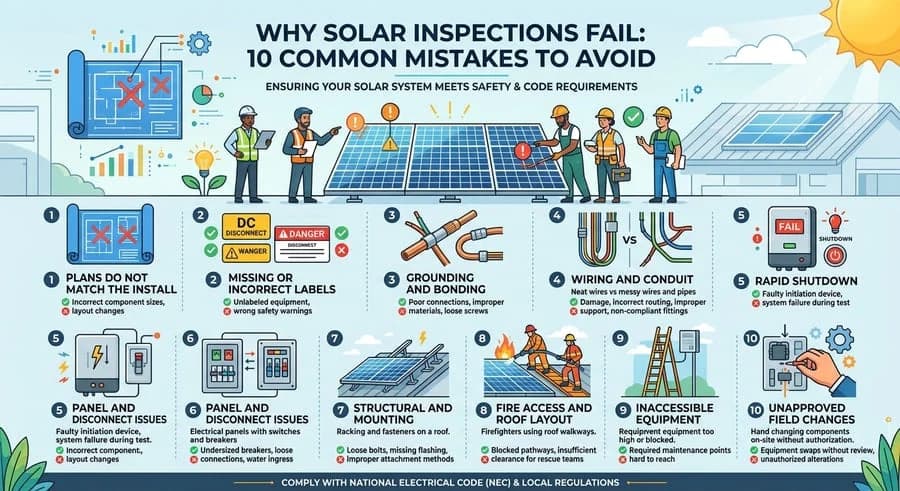
Why Solar Inspections Fail: 10 Common Mistakes to Avoid
Discover the 9 critical reasons solar inspections fail and how to avoid costly m...

Solar Grounding And Bonding: How To Pass Inspection Every Time
Learn how to pass solar grounding and bonding inspections every time. Avoid comm...
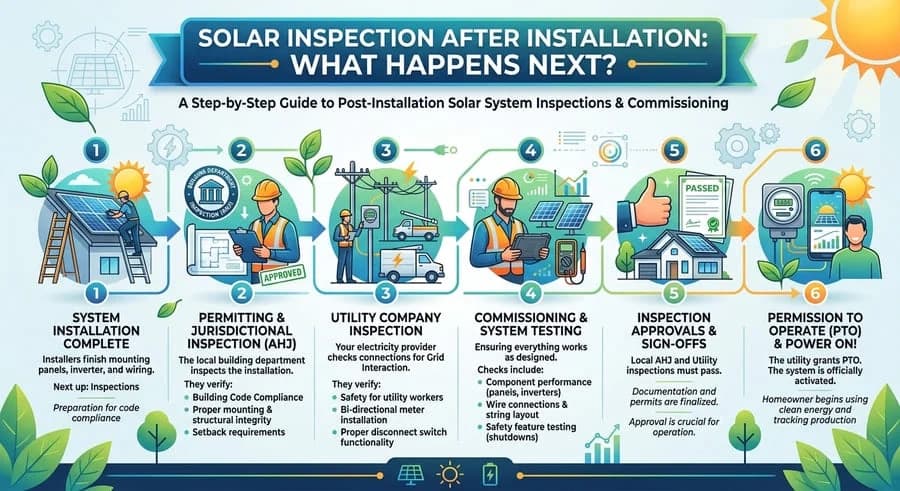
Solar Inspection After Installation: What Happens Next?
Learn how to pass your solar inspection by following essential tips for obtainin...