
An Authority Having Jurisdiction (AHJ) is the local government agency that enforces building codes, electrical standards, and fire safety regulations for solar installations. Every solar project across the United States requires AHJ approval before installation can begin and grid connection can occur. Understanding AHJ requirements prevents costly permit delays, failed inspections, and project shutdowns that impact over 20,000 distinct jurisdictions nationwide.
What Is an AHJ in Solar?
AHJs are local regulatory bodies responsible for solar permit review and compliance enforcement. These authorities include:
City building departments that verify structural integrity County planning offices managing zoning compliance Fire marshals enforcing safety setbacks and access pathways Utility companies reviewing interconnection applications
Solar engineering firms bridge the gap between installation contractors and AHJ requirements. Professional engineering services ensure permit applications include code-compliant designs, PE-stamped structural calculations, electrical diagrams meeting current NEC standards, and jurisdiction-specific documentation. This expertise prevents the permit rejections and redesigns that commonly delay projects by six to twelve weeks in complex jurisdictions.
Mastering Regional Code Variations Across Jurisdictions
Building and electrical codes throughout the United States differ substantially across cities and counties. Requirements approved in California may not satisfy standards in Texas or New York. Solar engineering firms maintain current knowledge of these variations by continuously monitoring the specific codes adopted within each jurisdiction.
Key code categories include:
Building standards (including structural load requirements for roofs) Electrical regulations (such as applicable NEC versions) Fire safety codes (covering roof access paths and clearance zones) Zoning ordinances (addressing system height restrictions and placement guidelines)
Performing Comprehensive Jurisdiction Analysis Before Design
Solar engineering firms complete comprehensive AHJ research before initiating any design work. This process encompasses:
Determining the appropriate permitting authority Analyzing all local permit requirements Identifying jurisdiction-specific structural, electrical, and fire code provisions
This preliminary research ensures that plan sets align with local standards from project inception. For firms specializing in solar engineering design USA, AHJ investigation forms the foundation of every successful project.

Solar Permit Solutions
Need Solar Permit Plans?
Professional, permit-ready solar plan sets delivered fast. Residential and commercial projects across all 50 states.
Developing Code-Specific Permit Documentation
After establishing code requirements, engineering teams develop customized permit plan sets tailored to each AHJ. Standard deliverables typically feature:
Electrical one-line diagrams and schematics Photovoltaic array roof layouts Structural load analysis and calculations Equipment specifications and manufacturer data sheets Safety compliance and labeling diagrams
Many states mandate that licensed professional engineers (PE) review and stamp these documents. Solar engineering firms verify that appropriate stamps, whether electrical or structural, accompany submissions according to jurisdictional requirements. Commercial projects especially require comprehensive stamped documentation.
Establishing Direct Communication With Regulatory Officials
Direct communication with permitting offices and building inspectors prevents project delays. Solar engineering firms proactively engage with these officials to:
Verify interpretations of ambiguous code sections Resolve unclear requirement specifications Confirm necessary documentation formats
This collaborative strategy accelerates project timelines and eliminates expensive redesign scenarios. Establishing professional relationships with AHJs enhances the efficiency and reliability that solar engineering design USA firms provide. Avoiding common permit mistakes requires this level of coordination.
Providing Real-Time Design Adjustments Throughout Construction
Project requirements can shift after permit approval. Unexpected roof conditions may necessitate layout modifications, or equipment substitutions might require updated calculations. Engineering firms deliver responsive support to revise designs and maintain compliance throughout construction.
Additional assistance often includes:
Final inspection documentation preparation As-built drawing production Utility interconnection application support
This comprehensive support maintains code compliance through system commissioning and activation. Both grid-tied and off-grid systems benefit from ongoing engineering oversight.

Leveraging Technology For Multi-State Compliance Management
Managing requirements across hundreds of jurisdictions demands sophisticated digital tools. Many firms implement software platforms that organize AHJ data nationwide. These systems enable engineering teams to:
Access current local code versions instantly Maintain region-specific document templates Monitor inspection results and approval patterns
This technology-driven approach allows solar engineering design USA companies to sustain exceptional accuracy while managing concurrent projects across multiple states with varying code requirements. Automated permitting platforms continue streamlining this process nationwide.
Conclusion
Navigating code compliance is one of the most critical and most frequently underestimated aspects of solar project development. Without proper guidance, installation contractors face permit delays, inspection failures, and potential safety violations. Experienced solar engineering firms provide indispensable expertise throughout this process.
By maintaining current knowledge of local regulations, producing detailed compliant designs, and supporting projects through final approval, these firms ensure every solar installation withstands regulatory scrutiny and achieves successful energization.
Ready to Eliminate AHJ Delays on Your Next Project?
Solar Permit Solutions specializes in navigating complex permit requirements across all 50 states. Our engineering team ensures code-compliant designs, PE-stamped documentation, and faster approvals. Contact us today for expert guidance or explore our services to streamline your next solar project.
FAQs
What happens if a solar installation doesn’t meet AHJ requirements?
Installations that fail to meet AHJ requirements face immediate consequences including permit denial, failed inspections, and construction stop orders. Projects may require complete redesigns, resulting in substantial financial losses and timeline delays.
Most critically, systems cannot legally connect to the electrical grid without final AHJ approval, leaving solar arrays non-operational until all compliance issues resolve. Installing without permits can lead to additional penalties and increased scrutiny on future permit applications within that jurisdiction.
Incomplete applications or design deficiencies extend timelines substantially. Proactive engagement with permitting offices and submission of comprehensive documentation significantly reduces approval duration.
Other states implement threshold-based requirements, requiring stamps only for systems exceeding specific capacities or presenting structural concerns. Some jurisdictions accept alternative documentation, such as engineering letters certifying structural adequacy. Project developers must verify specific requirements with their local AHJ before initiating design work. Understanding how to meet permit requirements varies by location.
Can AHJ requirements change during a project’s permitting process?
AHJ requirements can change during permitting, though jurisdictions typically grandfather applications submitted before code updates. Substantial delays between initial submission and final approval may trigger new code compliance requirements.
Additionally, AHJs occasionally identify previously overlooked issues during plan review, necessitating design modifications. Regular communication with permitting offices helps identify potential requirement changes early. Engaging experienced engineering firms familiar with local AHJ patterns minimizes surprises and ensures designs accommodate potential regulatory shifts.
Fire safety diagrams showing required setbacks, pathways, and clearances must accompany rooftop installations. Additional documentation may include utility interconnection applications, environmental impact assessments, and site-specific engineering reports addressing local conditions such as wind loads, seismic requirements, or soil conditions.
Firms maintain direct relationships with permitting officials, attending jurisdictional meetings and participating in industry associations that disseminate regulatory updates. Continuous professional education ensures engineering teams remain informed about NEC updates, building code revisions, and emerging safety standards. This multi-layered approach guarantees designs reflect the most current regulatory landscape regardless of project location. Learn more about staying compliant on our blog or contact us for expert guidance.
Need Solar Permit Plans?
Professional, permit-ready solar plan sets delivered fast. Residential and commercial projects across all 50 states.
Frequently Asked Questions
Installations that fail to meet AHJ requirements face immediate consequences including permit denial, failed inspections, and construction stop orders. Projects may require complete redesigns, resulting in substantial financial losses and timeline delays. Most critically, systems cannot legally connect to the electrical grid without final AHJ approval, leaving solar arrays non-operational until all compliance issues resolve. Installing without permits can lead to additional penalties and increased scrutiny on future permit applications within that jurisdiction.
AHJ approval timelines vary significantly based on jurisdiction complexity, application completeness, and current permitting volume. Simple residential installations in streamlined jurisdictions often receive approval within two to four weeks. Complex commercial projects or installations in jurisdictions with rigorous review processes may require six to twelve weeks. Incomplete applications or design deficiencies extend timelines substantially. Proactive engagement with permitting offices and submission of comprehensive documentation significantly reduces approval duration.
PE stamp requirements differ dramatically across states and jurisdictions. States with stringent structural or environmental concerns, such as Florida (hurricane zones), California (seismic activity), and Colorado (snow loads), commonly mandate PE stamps for most installations. Other states implement threshold-based requirements, requiring stamps only for systems exceeding specific capacities or presenting structural concerns. Some jurisdictions accept alternative documentation, such as engineering letters certifying structural adequacy. Project developers must verify specific requirements with their local AHJ before initiating design work.
AHJ requirements can change during permitting, though jurisdictions typically grandfather applications submitted before code updates. Substantial delays between initial submission and final approval may trigger new code compliance requirements. Additionally, AHJs occasionally identify previously overlooked issues during plan review, necessitating design modifications. Regular communication with permitting offices helps identify potential requirement changes early. Engaging experienced engineering firms familiar with local AHJ patterns minimizes surprises and ensures designs accommodate potential regulatory shifts.
Comprehensive permit packages typically include electrical one-line diagrams, photovoltaic array layouts, structural load calculations, equipment specifications with manufacturer data sheets, interconnection diagrams, safety compliance documentation, and labeling plans. Many jurisdictions require PE-stamped structural and electrical plans confirming code compliance. Fire safety diagrams showing required setbacks, pathways, and clearances must accompany rooftop installations. Additional documentation may include utility interconnection applications, environmental impact assessments, and site-specific engineering reports addressing local conditions such as wind loads, seismic requirements, or soil conditions.
Professional solar engineering firms implement systematic tracking systems monitoring code adoptions and regulatory updates across all active jurisdictions. Many utilize specialized software platforms maintaining current AHJ databases with jurisdiction-specific requirements, contact information, and submission protocols. Firms maintain direct relationships with permitting officials, attending jurisdictional meetings and participating in industry associations that disseminate regulatory updates. Continuous professional education ensures engineering teams remain informed about NEC updates, building code revisions, and emerging safety standards. This multi-layered approach guarantees designs reflect the most current regulatory landscape regardless of project location.

SPS Editorial Team
Solar Permit Solutions
Solar Permit Solutions provides professional solar permit design services for residential, commercial, and off-grid installations across all 50 states. Our team ensures permit-ready plan sets delivered fast.
Related Articles
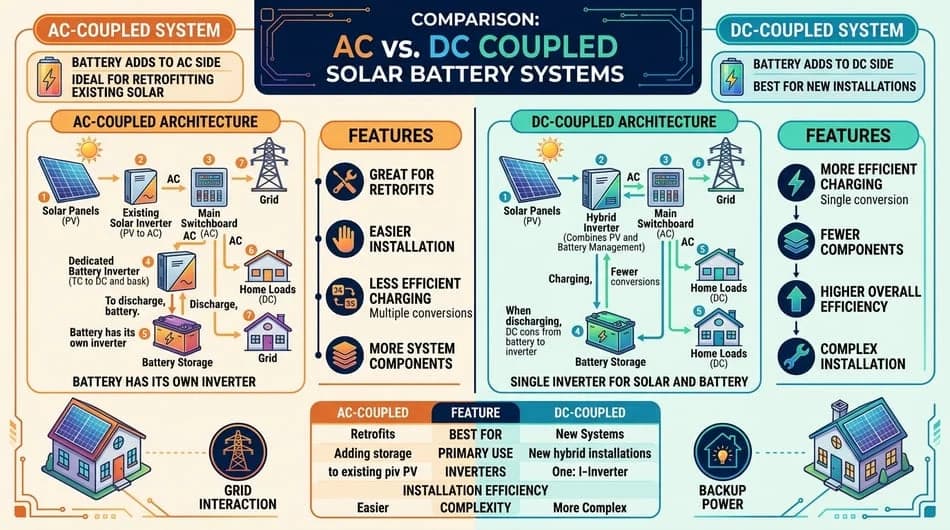
AC vs DC Coupled Solar Batteries: Which Should You Choose?
AC vs DC coupled solar batteries compared: efficiency, costs ($8K-$18K), and ins...
How Many Solar Panels Do I Need to Run Off the Grid?
Most off-grid homes need about 8 to 16 solar panels rated at 400 watts, dependin...
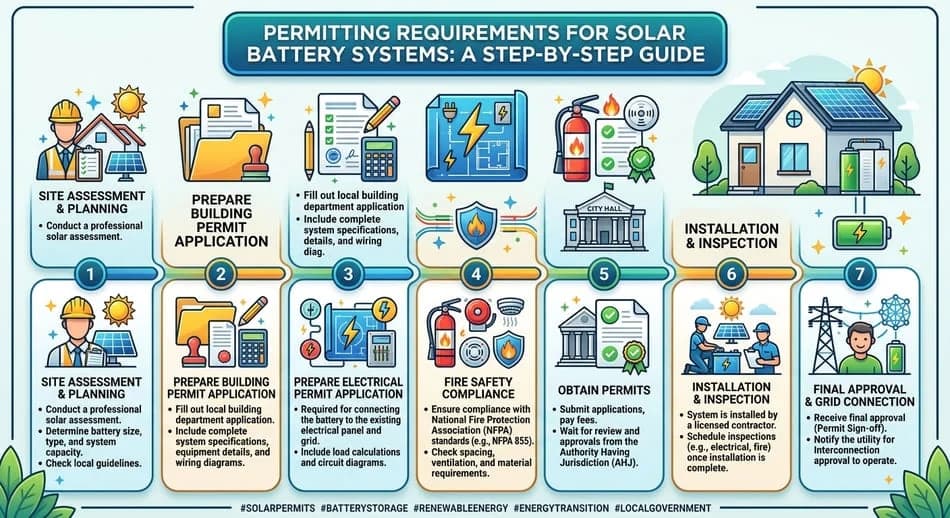
Solar Battery Permit Requirements: What You Need to Know
A solar battery usually needs local approval and a utility review before it can ...