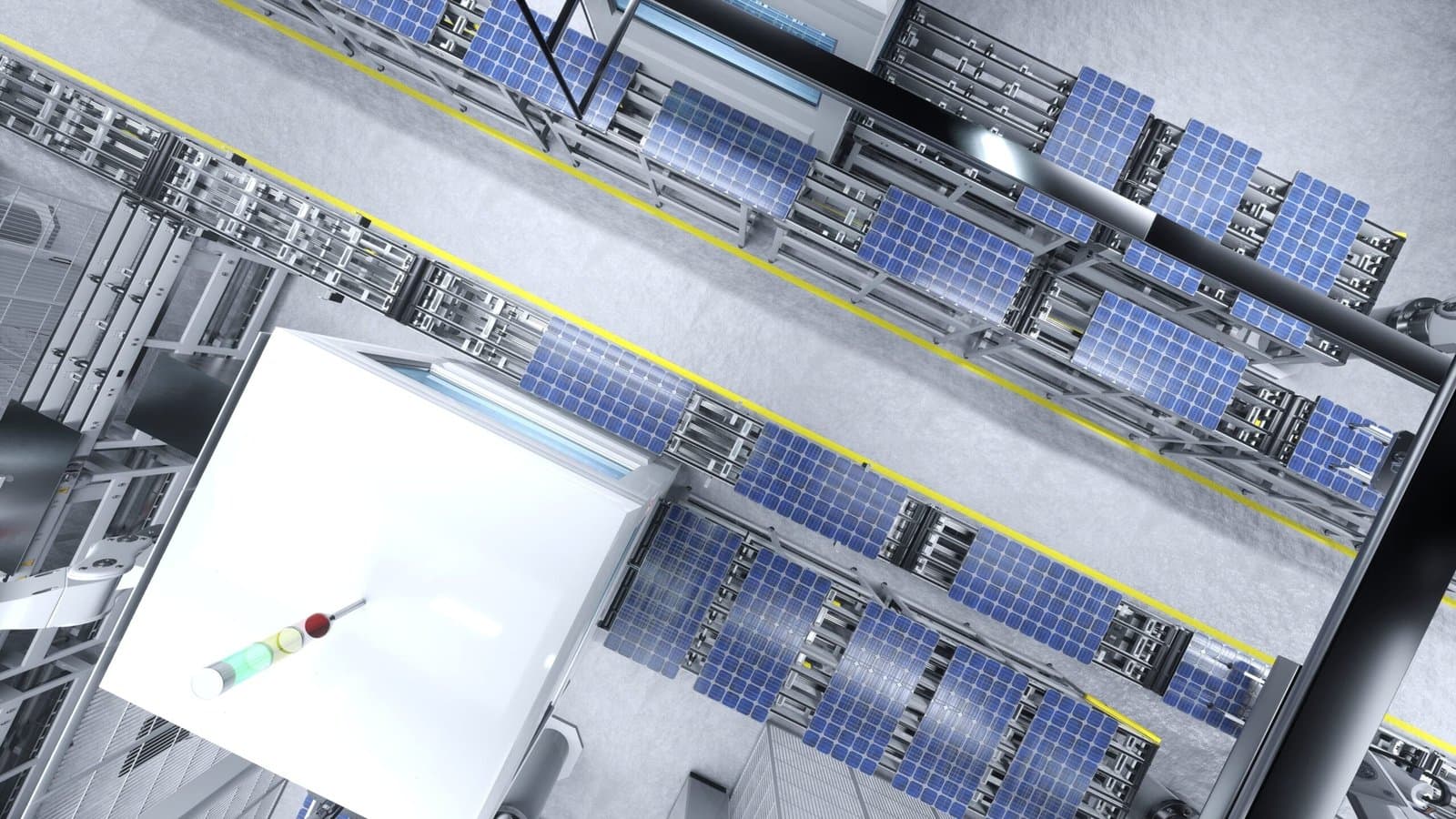
Commercial solar plan sets are comprehensive technical documents required for permitting and installing solar systems over 25 kW. They include PE-stamped structural calculations, three-phase electrical diagrams, site layouts, equipment specifications, and utility interconnection details. These plans ensure compliance with NEC, IBC codes, and commercial building requirements, typically taking 4-12 weeks for permit approval.
What Are Commercial Solar Plan Sets?
Commercial solar plan sets are permit-ready documentation packages that provide all technical drawings, calculations, and specifications needed to design, permit, and install large-scale solar systems on commercial buildings, industrial facilities, and ground-mount arrays.
Key components include:
- PE-stamped structural and electrical engineering calculations
- Three-phase electrical diagrams (208V, 480V, or higher)
- Site layouts showing module placement and equipment locations
- NEC and IBC code compliance documentation
- Utility interconnection agreements for systems exceeding 25 kW
- Commercial-grade equipment specifications (inverters, transformers, racking)
Why they matter: Without accurate commercial solar plan sets, projects face permit rejections, failed inspections, delayed timelines, and increased costs. Professional PE-stamped plans streamline the permitting process and ensure compliance with commercial building codes.
Commercial solar contractors often face significant project delays due to incomplete plan documentation. A missing detail in commercial photovoltaic plan sets can halt large-scale installations for weeks and cost substantial revenue. Studies show that comprehensive, accurately prepared plan sets reduce permitting timelines by up to 40% compared to incomplete submissions. For more insights on solar installation, explore additional resources.
This comprehensive guide covers everything needed to create effective commercial PV plans for systems ranging from 25 kW to multi-megawatt installations. Learn the essential components that ensure smooth commercial solar permitting and Permission to Operate (PTO) approval.
Note: Building codes, electrical codes, and permitting requirements vary by jurisdiction and evolve over time. Always verify current local requirements with your authority having jurisdiction (AHJ) before beginning any commercial solar project. This guide references NEC 2020/2023 and current IBC standards, but adoption timelines differ across states and municipalities.

Essential Elements In Commercial Solar Plan Documentation
Commercial solar plan sets contain comprehensive technical documentation ensuring large-scale solar energy systems are designed and installed safely, efficiently, and in full compliance with commercial building codes, the National Electrical Code (NEC), International Building Code (IBC), and utility interconnection standards for commercial operations. Well-prepared commercial solar plan design supports smooth solar permitting and faster approvals from authorities having jurisdiction (AHJs) for systems ranging from 25 kW to multi-megawatt installations.
Complete commercial PV plans typically include these components:
Property Layout Documentation
A scaled drawing displays the physical layout of the commercial solar system on the property, featuring:
- Location of solar modules, commercial-grade inverters, disconnects, transformers, and metering equipment positioned accurately across commercial rooftops or ground-mount installations
- Roof or ground mount placement with setback distances clearly marked, accounting for commercial roof equipment, HVAC systems, and building access points
- Conduit routing and elevation details showing the complete pathway for electrical connections, often spanning large commercial buildings or multiple structures
- Access pathways per fire code requirements ensuring compliance with commercial building fire safety standards, including wider clearances for emergency vehicle access
- Ground-mount systems with fencing, equipment pads, inverter locations, and utility interconnection points clearly marked on site plans
System Wiring Schematics
Detailed single-line or three-line diagrams illustrate critical electrical connections for commercial installations:
- Module string configurations demonstrating how panels connect in series and parallel arrangements across large commercial arrays
- Commercial inverter input and output connections showing power conversion pathways, including string inverters, central inverters, or hybrid configurations for systems exceeding 100 kW
- Three-phase AC/DC disconnects and load centers indicating safety shutoff points throughout commercial electrical systems
- Grounding methods and bonding points establishing electrical safety protocols compliant with commercial building standards
- Conductor sizing, overcurrent protection, and voltage drop calculations ensuring proper electrical performance across long conduit runs common in commercial buildings
- Transformer specifications for voltage step-up or step-down requirements in commercial utility interconnections
These diagrams prove critical for commercial solar design approval and utility interconnection authorization, particularly for systems requiring 480V three-phase or higher voltage connections.
Engineering Load Verification
Engineering documentation verifies that commercial roofs or ground-mount racking systems can support added loads, often requiring professional engineer (PE) stamps:
- Mounting and attachment methods detailing how commercial racking systems affix to various commercial roof types including TPO membranes, EPDM, metal standing seam, concrete decks, and steel purlins
- Load calculations accounting for dead load, wind load, snow load, and seismic loads based on local conditions and commercial building codes
- Commercial racking system specifications including ballasted systems for flat roofs, mechanically attached systems, and ground-mount foundation designs for large arrays
- Fastening patterns and structural attachment schedules ensuring secure installations that meet commercial building warranty requirements
- Jurisdiction-specific structural criteria addressing requirements such as high wind zones, seismic considerations, and commercial building occupancy classifications
PE-stamped structural calculations are typically required for commercial installations, verifying roof load capacity and compliance with IBC commercial code sections.
Component Technical Data Sheets
Manufacturer cut sheets for each major component in the commercial solar system include:
- Commercial-grade solar modules with wattage typically ranging from 400W to 600W per panel, voltage specifications, efficiency ratings, fire rating classifications, and warranties suitable for commercial applications
- Commercial inverters including string inverters for systems up to 150 kW, central inverters for larger installations, or hybrid configurations, plus power optimizers and commercial battery energy storage systems (BESS)
- Commercial racking and mounting systems designed for large-scale installations, including ballasted racking for flat roofs and engineered ground-mount systems
- Transformers for voltage conversion in commercial utility interconnections
- Monitoring systems and building management system (BMS) integration specifications
These documents certify that all components meet UL and NEC listing standards required for commercial solar approval and often include extended commercial warranties.
Hardware Placement Maps
Detailed layouts show exact placement of critical components in commercial installations:
- Commercial inverters, combiner boxes, junction boxes, rapid shutdown devices, transformers, and metering equipment appearing with precise positioning across large commercial facilities
- Service panels, main service disconnects, utility points of connection, and transformer locations clearly identified
- Clearances and working space for service access meeting NEC Article 110 requirements for safe maintenance in commercial environments
- Equipment placement coordinating with existing commercial building infrastructure including HVAC systems, electrical rooms, and utility access points
- Ground-mount installations including equipment pad locations, inverter stations, and utility interconnection points clearly marked on site plans
Safety Signage Requirements
Required labeling and signage comply with NEC Articles 690 and 705:
- Placards for AC and DC disconnects providing clear identification
- Rapid shutdown labeling indicating emergency systems
- Point-of-interconnection warnings alerting personnel to connection points
- Firefighter access labels and hazard identification signage enhancing emergency response safety
Regulatory Compliance Documentation
Explicit references to relevant codes and standards for commercial installations include:
- NEC (2020 or 2023, depending on jurisdiction adoption) with specific attention to commercial building electrical requirements
- International Building Code (IBC) commercial code sections rather than residential IRC codes
- NFPA fire codes applicable to commercial buildings and large-scale solar installations
- Local AHJ amendments and utility standards specific to commercial interconnections and net metering programs
- UL certification listings for all electrical components confirming safety compliance for commercial applications
- Professional engineer (PE) stamp requirements for structural and electrical plans as mandated by commercial building departments
- Utility interconnection agreements for commercial net metering, demand reduction programs, or wholesale power purchase agreements
Types Of Commercial Solar Installations
Commercial solar plan sets vary significantly based on installation type, building characteristics, and system size. Understanding these distinctions helps contractors prepare appropriate documentation for each project category.
Commercial Rooftop Systems
Commercial rooftop solar plan sets are designed for installations on commercial buildings, warehouses, retail centers, office buildings, and industrial facilities. These systems typically range from 25 kW to over 500 kW and require specialized planning:
- Flat roof installations dominating commercial solar, requiring ballasted or mechanically attached racking systems designed for TPO, EPDM, or modified bitumen membranes
- Roof layout drawings accounting for HVAC equipment, skylights, roof hatches, and other obstructions common on commercial buildings
- Structural load calculations verifying that commercial roof structures, often with wider purlin spacing than residential roofs, can support distributed solar loads
- Fire setback requirements and access pathways following commercial fire codes, which differ significantly from residential requirements
- Electrical interconnection typically involving three-phase power at 208V, 480V, or higher voltages depending on facility size
Ground-Mount Commercial Arrays
Ground-mount commercial solar installations offer advantages for properties with available land, including agricultural operations, industrial parks, and dedicated solar farms. These commercial solar plan sets include:
- Site plans showing array layout, equipment locations, fencing, access roads, and utility interconnection points across potentially several acres
- Foundation designs for racking systems, including driven piles, concrete ballast, or helical anchors depending on soil conditions
- Grading and drainage plans to manage stormwater runoff across large array footprints
- Electrical trenching routes for underground conduit between array sections and main service equipment
- Utility interconnection details for systems that may feed directly into utility infrastructure rather than building service panels
Multi-Building Commercial Campuses
Commercial solar plan sets for educational institutions, medical campuses, or corporate facilities with multiple buildings require coordination across complex electrical infrastructure:
- Master site plans showing solar installations across multiple buildings with centralized or distributed monitoring
- Electrical interconnection strategies that may involve multiple service points or central utility connections
- Load analysis across multiple meters and buildings to optimize net metering benefits
- Coordination with campus building management systems and existing electrical infrastructure
- For standalone systems, consider off-grid design approaches where grid connection isn’t feasible
Solar Permit Solutions
Commercial Solar Design Services
Professional permit plan sets for commercial installations. PE-stamped, code-compliant, fast delivery.
Commercial Solar And Energy Storage Integration Plans
Commercial solar plan sets with energy storage are increasingly common as businesses adopt battery systems for demand charge reduction, time-of-use optimization, backup power, and participation in grid services programs. These commercial PV plans integrate both solar generation and commercial-scale battery energy storage systems (BESS), whether AC-coupled, DC-coupled, or hybrid configurations.
Complete commercial solar plan design for battery storage includes:
- Battery storage system layout showing placement of commercial battery cabinets or containers relative to inverters, main service equipment, and electrical rooms in commercial buildings
- Commercial BESS systems often involving multiple battery cabinets rated from 50 kWh to several MWh
- Wiring schematics for bidirectional power flow, isolation switches, and integration with commercial electrical systems operating at 480V three-phase or higher voltages
- Load backup strategies for critical commercial operations, including essential circuits, emergency systems, or full facility backup depending on business requirements
- Battery management system (BMS) integration with building management systems and advanced monitoring platforms for demand charge management
- NEC Article 706 and UL 9540/9540A compliance details for commercial battery safety, including fire suppression requirements for large-scale installations
- Ventilation and clearance requirements for lithium-ion systems in commercial electrical rooms, often requiring dedicated HVAC and fire protection systems
Commercial solar plan sets with storage must clearly identify disconnects, overcurrent protection devices, transformer specifications, and compliance with rapid shutdown and interconnection requirements. These designs prove crucial for permitting approvals and utility interconnection when adding storage to new or existing commercial solar systems. Many commercial installations also require coordination with utility demand response programs, wholesale market participation, or virtual power plant aggregation.

The Critical Role Of Commercial Solar Plan Documentation
Commercial solar plan sets are vital for commercial solar contractors as they ensure compliance with commercial building codes, zoning regulations, utility interconnection requirements, and permit standards. Detailed instructions within commercial PV plan sets provide guidance on the layout, placement, and wiring of large-scale solar arrays, commercial inverters, transformers, and other equipment, minimizing costly installation errors and optimizing system performance across commercial facilities.
Securing Commercial Permits And Regulatory Approval
Commercial solar contractors must submit comprehensive PV plan sets during the commercial solar permit application process, ensuring that these drawings comply with all commercial building codes, electrical codes, fire codes, and zoning regulations. Commercial permits typically require professional engineer (PE) stamps for both structural and electrical plans. Once commercial PV plan sets are submitted and approved, installation of large-scale solar arrays can proceed. Commercial solar permit inspectors conduct thorough reviews during multiple inspection phases, so obtaining Permission to Operate status depends on strict adherence to approved commercial solar plan sets and utility interconnection agreements.
Achieving Professional Installation Standards For Commercial Projects
Commercial solar plan sets simplify complex installation processes, reducing time and labor costs while enhancing communication between commercial solar contractors, project managers, electrical engineers, structural engineers, and regulatory authorities. By following approved commercial solar plan designs, contractors minimize liability risks, protect professional reputations, and ensure client satisfaction with safe and compliant commercial solar installations. Well-documented commercial plans also facilitate warranty claims, system maintenance, and future system expansions across commercial facilities.
Understanding Commercial Solar Design Terminology
Different terms are often used to describe the technical drawings and documents inside commercial solar plan sets. While they sometimes overlap, each has a specific role in commercial solar plan design and permitting for large-scale installations.
Module Positioning Blueprints
Also called a commercial solar PV layout or solar array layout, this component of commercial solar plan sets visually maps the placement of solar panels across large commercial rooftops or ground-mount installations. It includes details such as module orientation, tilt angle, row spacing, and proximity to roof obstructions like HVAC equipment, skylights, and rooftop infrastructure common on commercial buildings. Well-designed commercial solar panel layout drawings optimize system performance across large arrays, meet commercial fire code setback requirements, and comply with commercial solar plan design standards for installations ranging from 25 kW to multi-megawatt systems.
System Wiring Blueprints
A commercial PV schematic is the electrical diagram that outlines how large-scale solar systems are wired. It shows module stringing across commercial arrays, commercial inverter connections (string, central, or hybrid), energy storage wiring for BESS systems, grounding paths, and rapid shutdown components. Commercial PV schematics are critical to NEC compliance and provide commercial electrical contractors with clear roadmaps for wiring complex three-phase systems and future service on commercial installations.
Permit Submission Packages
A commercial solar permit plan set is the comprehensive package submitted to the AHJ for review and approval of large-scale installations. It combines the site plan, PE-stamped structural calculations, electrical diagrams showing three-phase connections, commercial product spec sheets, labeling requirements, and utility interconnection agreements. These commercial PV plan sets prove the design meets commercial building codes, IBC requirements, utility interconnection standards for systems exceeding 25 kW, and commercial net metering or demand reduction programs, making them essential for moving a project from application to Permission to Operate (PTO).
Simplified Electrical Flow Diagrams
A single-line diagram shows how electricity flows through the solar system using simplified symbols and a single line. Included in nearly all PV plan sets, an SLD illustrates module strings, inverters, disconnects, and interconnection points. It provides a high-level view that inspectors, engineers, and utilities use to confirm compliance before approval.
Detailed Connection Diagrams
A solar three-line diagram provides a more detailed view of the electrical connections within a solar energy system. Unlike the single-line diagram, which uses one line, the three-line diagram employs three lines to represent the positive, negative, and ground connections.
Included in PV plan sets, this diagram outlines the wiring between system components on both the DC and AC sides. It is a critical element of solar plan design, serving as an essential tool during the wiring and installation stages. Electricians rely on it for precise guidance to properly connect system components, ensuring safe and efficient operation.
Technical Illustration Overview
Solar drawings is a broad term that refers to all technical illustrations in a PV plan set, including layouts, schematics, and site maps. These drawings serve as the installer’s blueprint, guiding conduit routing, inverter placement, and equipment clearances. Accurate solar drawings help avoid construction errors and speed up solar permitting inspections.
Array Configuration Diagrams
A solar panel schematic shows the electrical configuration of the array at the module level. It specifies stringing methods, series and parallel connections, inverter inputs, fuse ratings, and grounding details. These diagrams verify that voltage and current levels meet NEC safety requirements and prevent issues during inspection.
Module Installation Specifications
Included in comprehensive PV plan sets, solar panel drawings provide the specifications and mounting details for solar modules. These drawings illustrate panel dimensions, tilt angles, row spacing, and racking attachment points. Proper use of solar panel drawings supports efficient layout, structural safety, and maximum energy production through optimized panel alignment.

Avoiding Common Commercial Solar Plan Design Errors
Commercial solar contractors frequently encounter obstacles during the commercial solar permitting process. Over years of industry experience, several recurring issues have emerged with commercial solar plans that can impact design quality, delay project timelines, or hinder permit and utility interconnection approval. While every commercial PV plan set can be unique, certain common mistakes appear regularly in large-scale projects.
Missing Or Incorrect Plan Details
This includes missing details on three-phase electrical connections, commercial equipment specifications, transformer requirements, or commercial structural engineering documentation. Providing comprehensive and accurate information in commercial solar plan sets is critical to ensure successful project outcomes, particularly for systems requiring PE stamps and utility interconnection agreements for large-scale installations.
Building Code Violations
Failure to adhere to commercial building codes (IBC rather than IRC), commercial fire codes (NFPA), and utility interconnection regulations can lead to costly commercial solar permit delays or rejections. It’s crucial to thoroughly research and incorporate jurisdiction-specific commercial PV plan sets and permitting requirements, including PE stamp requirements, for each commercial project. Commercial installations face more stringent code requirements than residential systems.
Inadequate Electrical Engineering
The electrical design for commercial PV arrays should consider factors such as three-phase power configurations, commercial system sizing exceeding 25 kW, appropriate conductor gauges for long commercial conduit runs, safety disconnects rated for commercial applications, transformer specifications, and proper grounding for large-scale systems. Overlooking these components can result in system underperformance, safety hazards in commercial facilities, failed utility interconnection, and commercial solar permit rejection requiring costly redesigns.
Unclear Technical Drawings
Clear and well-detailed commercial PV diagrams are essential for commercial electrical contractors, structural engineers, and inspectors to understand and follow complex commercial solar plan sets. Unclear or ambiguous commercial solar drawings can lead to confusion during large-scale installations, coordination issues between multiple trades, and costly installation mistakes on commercial projects where labor costs are significantly higher than residential work.
Insufficient Load Analysis
Commercial solar panel arrays must be properly supported and mounted to withstand wind loads, snow loads, seismic loads, and other environmental factors specific to commercial buildings. Commercial roof structures differ significantly from residential construction, often featuring wider purlin spacing, different membrane types (TPO, EPDM), and unique structural characteristics. Overlooking PE-stamped structural requirements for commercial solar energy systems can compromise system lifespan, void commercial building warranties, and create serious commercial solar permitting issues that delay large-scale projects.
Omitted Supporting Documents
Commercial solar permitting agencies often require extensive additional documentation, such as commercial equipment spec sheets, product certifications, PE-stamped engineering reports, utility interconnection agreements, commercial net metering applications, and proof of commercial liability insurance to support the plan sets. Not providing these documents can cause significant delays or rejections during the commercial PV permitting process, potentially impacting project financing and stakeholder commitments on large-scale commercial installations.
Conclusion
Commercial solar plan sets serve as the foundation for successful large-scale solar installations, bridging the gap between design concepts and fully operational systems. These comprehensive documents ensure compliance with commercial building codes, electrical standards, and utility interconnection requirements while protecting contractors from costly delays and rejected permits.
The complexity of commercial solar projects demands meticulous attention to detail. From PE-stamped structural calculations for commercial roof types to three-phase electrical diagrams and utility interconnection agreements, every component plays a critical role in the permitting and approval process. Commercial contractors who invest in high-quality plan sets benefit from faster permit approvals, smoother inspections, and reduced liability risks throughout the installation process.
As the commercial solar industry continues to expand, staying current with evolving codes and standards remains essential. Whether working on a 50 kW rooftop installation or a multi-megawatt ground-mount array, professional plan sets provide the technical roadmap needed to navigate complex permitting requirements and deliver safe, compliant installations that meet stakeholder expectations.
FAQs
Gain answers to some of the top questions related to commercial solar drafting and plan development.
Commercial Solar Design Services
Professional permit plan sets for commercial installations. PE-stamped, code-compliant, fast delivery.
Frequently Asked Questions
A commercial solar plan set, sometimes called a commercial solar plan design, provides all the technical documentation needed for permitting and installation of large-scale systems. It typically includes site layouts for commercial buildings or ground-mount arrays, single-line and three-line diagrams showing three-phase connections, PE-stamped structural analysis for commercial roofs, specification sheets for commercial-grade equipment, safety labels, utility interconnection details, and IBC code references for systems exceeding 25 kW.
A commercial solar plan set provides all the technical drawings and calculations needed for approval and installation of large-scale systems. It typically includes site layouts showing module placement on commercial rooftops or ground-mount arrays, single-line and three-line diagrams of three-phase electrical systems, PE-stamped structural load analysis for commercial buildings, specification sheets for commercial-grade components (inverters, transformers, monitoring systems), labeling requirements, utility interconnection agreements, and NEC and IBC commercial code references. These documents ensure commercial solar systems comply with commercial building codes, utility interconnection rules for systems exceeding 25 kW, and safety standards for large-scale installations.
Engineering stamps are typically required on commercial solar plan sets, as most jurisdictions mandate licensed professional engineer (PE) stamps for commercial installations. Commercial projects almost always require a PE stamp for structural load calculations verifying that commercial roofs can support solar arrays, and many jurisdictions also require an electrical engineering PE stamp for wiring diagrams and utility interconnection details on systems exceeding 25 kW. Checking with the AHJ is critical, since not having the correct PE stamps can delay commercial solar permitting and inspections significantly, potentially impacting project financing and construction schedules.
Commercial solar plan sets are typically prepared by licensed professional engineers (PE), commercial solar designers, or experienced commercial solar contractors trained in NEC compliance, IBC commercial codes, and commercial permitting requirements. Many commercial solar contractors outsource this step to specialized providers that offer standardized commercial solar plan design services with jurisdiction-specific expertise and PE stamps in all 50 states. Given the complexity of commercial installations involving three-phase power, higher voltages, and PE stamp requirements, using experienced commercial solar design professionals ensures compliance and reduces permitting delays.
Commercial solar permitting timelines vary significantly by jurisdiction and project complexity, typically ranging from 4 to 12 weeks for standard installations. Projects requiring PE stamps, utility interconnection studies, or environmental reviews may take longer. Factors affecting timeline include completeness of plan sets, AHJ review workload, utility coordination requirements, and whether the project triggers additional reviews such as fire department or building department assessments. Submitting comprehensive, accurate commercial solar plan sets from the start significantly reduces permitting delays and revision requests. Understanding system costs helps budget for the entire project timeline.
Commercial solar plan sets differ significantly from residential plans in scope, complexity, and regulatory requirements. Commercial plans typically require PE stamps for both structural and electrical components, involve three-phase power systems and higher voltages (480V or higher), include more complex utility interconnection agreements, and must comply with IBC commercial codes rather than residential IRC codes. Commercial systems also feature larger inverters, transformers, ground-mount configurations, and more extensive structural analysis for diverse commercial roof types. The documentation requirements are substantially more rigorous for commercial installations exceeding 25 kW.

SPS Editorial Team
Solar Permit Solutions
Solar Permit Solutions provides professional solar permit design services for residential, commercial, and off-grid installations across all 50 states. Our team ensures permit-ready plan sets delivered fast.
Related Articles
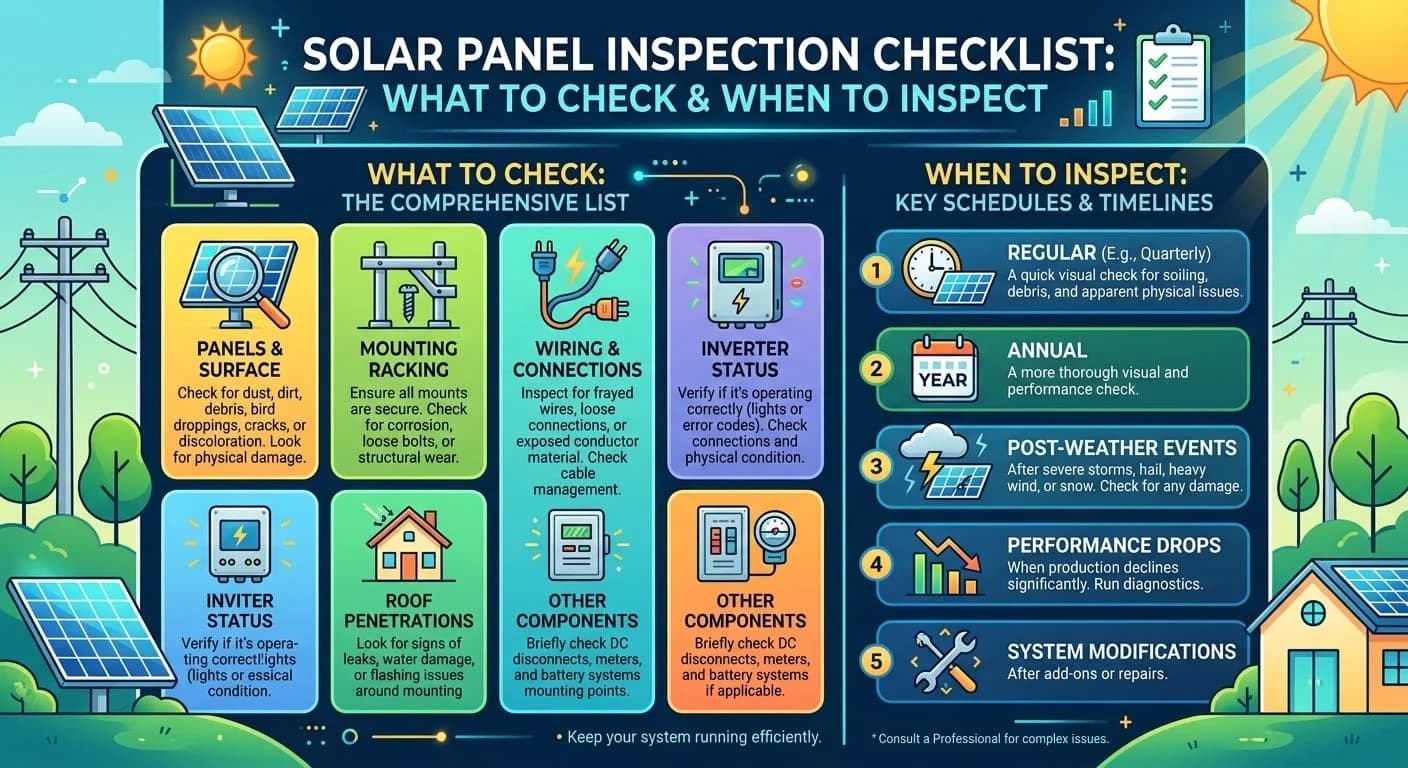
Solar Panel Inspection Checklist: What To Check & When To Inspect
Solar panel inspection guide: Learn what to check, when to inspect (annually + e...
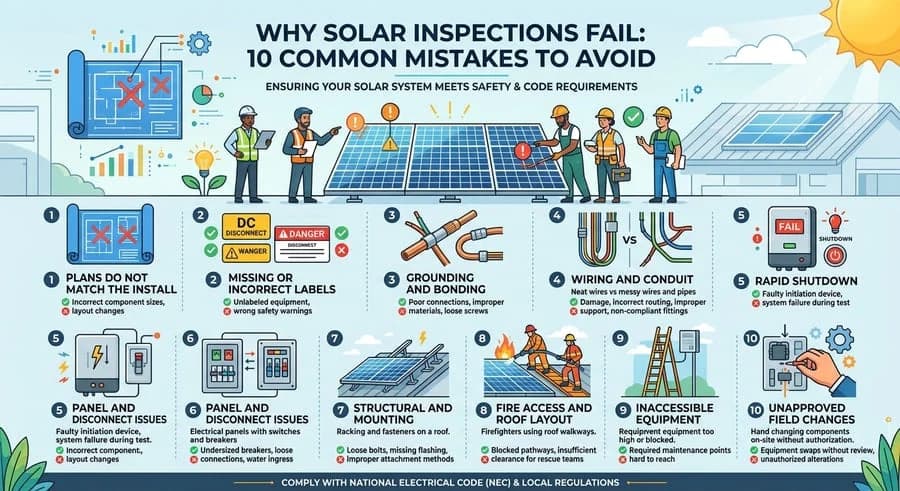
Why Solar Inspections Fail: 10 Common Mistakes to Avoid
Discover the 9 critical reasons solar inspections fail and how to avoid costly m...

Solar Grounding And Bonding: How To Pass Inspection Every Time
Learn how to pass solar grounding and bonding inspections every time. Avoid comm...