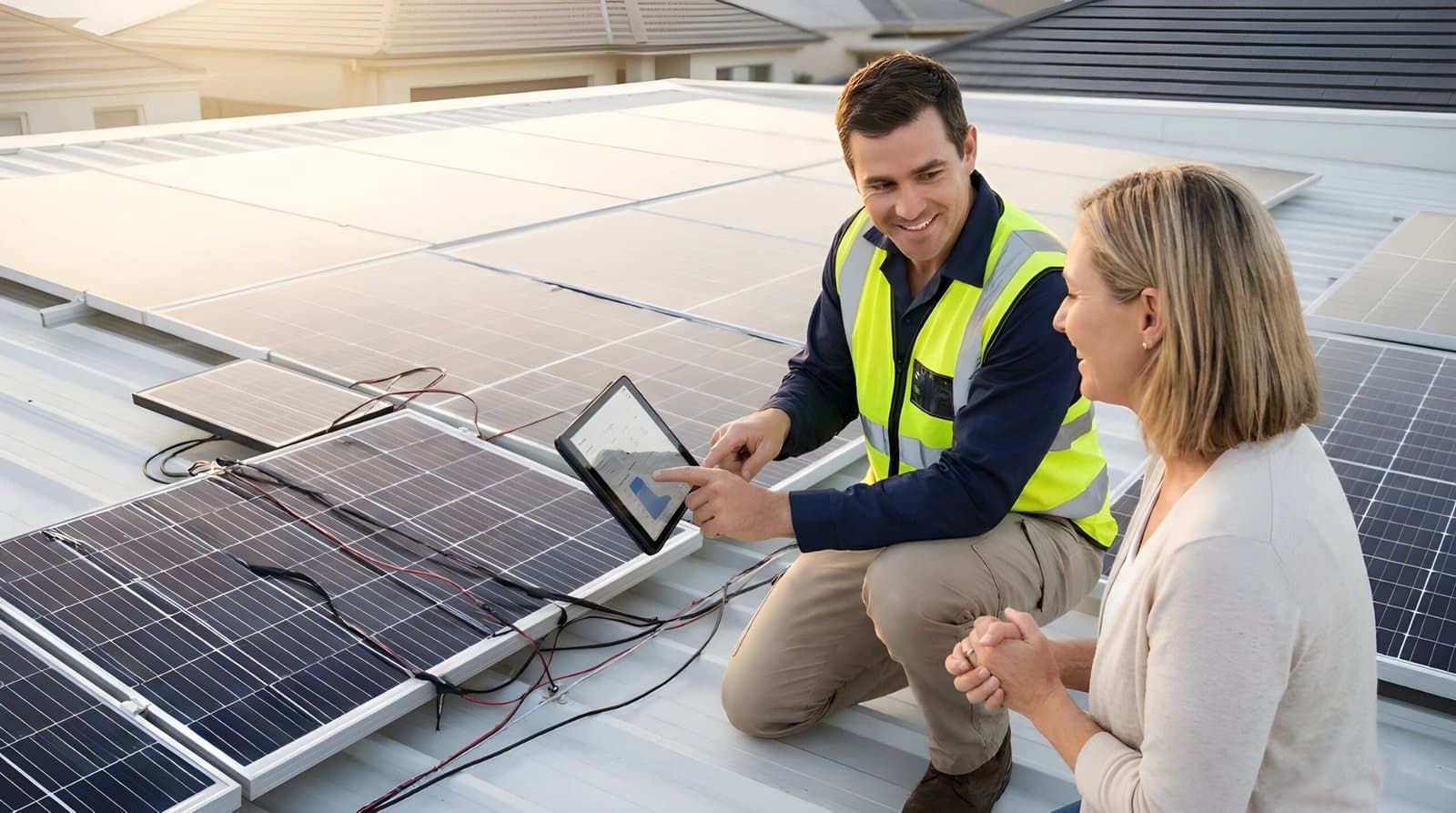
Started a DIY solar installation that’s become overwhelming, unsafe, or stalled halfway through? You’re not alone. Many homeowners underestimate the complexity of solar installations, encountering unexpected electrical challenges, permit complications, or code violations that bring their projects to a halt.
The good news: professional solar installers can take over and complete failed DIY installations. Most installers assess partially finished projects, salvage usable components, and bring systems into code compliance while securing necessary permits. This approach typically costs less than starting over and prevents common DIY installation issues like voided warranties, failed inspections, and denied insurance claims.
DIY solar installations fail for several critical reasons: electrical safety hazards from high-voltage DC current, permit violations resulting in fines or forced removal, failed utility inspections preventing grid connection, and voided manufacturer warranties that require certified installation. With the federal solar tax credit expiring December 31, 2025, homeowners facing stalled DIY projects have limited time to complete installations properly while maintaining eligibility for the 30% tax savings.
Recognizing When a Solar Installation Has Gone Off Track
Electrical Hazards Become Apparent During Setup
Solar panels may appear straightforward from a distance, but they function as components within an intricate electrical network. Working with high-voltage direct current without proper training and safety equipment creates serious risks that many DIYers don’t anticipate. Even inactive panels generate electrical current when exposed to sunlight, a commonly overlooked hazard.
When you add ladder work on sloped rooftops and unpredictable weather conditions, these challenges compound quickly. Recognizing these risks early allows you to make informed decisions about when to bring in professional help.
Fire Risks, Shock Danger, and Property Deterioration
Electrical system errors represent one of the most common and preventable issues in DIY installations. Faulty wiring configurations, inadequate grounding practices, or circuit overload conditions can trigger electrical fires. Improperly fastened panels or unstable mounting hardware may lead to roof deterioration or water intrusion over time.
These challenges are precisely why professional installers follow strict electrical codes and use proven installation methods. Their expertise prevents the scenarios that have led to property damage in documented DIY cases, giving you confidence your system is built correctly from the start.

Signs Professional Intervention Becomes Necessary
Technical Complexity Exceeds Initial Expectations
Hiring residential solar experts in Erie provides access to professionals who understand system design tailored to specific building characteristics, consumption patterns, and directional positioning. These specialists accurately evaluate solar exposure, calculate shading interference, and determine optimal panel arrangement to guarantee peak performance output.
Code Requirements and Licensing Obstacles Surface
Professional installation teams maintain proper licensing and insurance coverage, demonstrating comprehensive knowledge of municipal and state construction regulations. This expertise ensures solar systems meet safety standards and avoid future violations or legal complications.
Professional installations consistently pass required inspections, while DIY attempts frequently fail compliance checks, particularly in areas with rigorous permitting procedures like Erie.
Equipment Limitations and Skill Gaps Emerge
Solar installation professionals possess specialized tools and technical training to execute work correctly on the first attempt. Their services typically include guarantees covering both materials and workmanship, delivering assurance that self-installation projects cannot match.
Understanding Warranty and Coverage Complications
Equipment Guarantees Include Specific Installation Requirements
Solar panels generally carry manufacturer guarantees extending 20 to 30 years. These guarantees commonly require installation by certified technicians.
A self-completed installation, regardless of apparent quality, may invalidate this protection completely.
Property Insurance Policies May Reject DIY Claims
Homeowners insurance typically covers solar panels as part of dwelling coverage, protecting against damage from covered perils like storms, fire, or vandalism. However, insurance companies can deny claims when damage results from improper installation practices that violate building codes or manufacturer specifications.
This distinction matters significantly for DIY installers. When systems fail due to faulty workmanship, unpermitted installations, or code violations, insurance providers often classify these as maintenance issues or installation errors rather than covered incidents. Professional installation through licensed contractors provides crucial protection because their work meets code requirements, carries proper permits, and includes bonding and insurance coverage that protects homeowners if problems arise.

Solar Permit Solutions
DIY Solar? We Handle the Permits.
You install the panels — we design the permit-ready plan set your building department requires. Fast, affordable, all 50 states.
Financial Consequences of Mid-Project Course Corrections
Initial Budget Advantages Disappear Quickly
DIY solar panel packages may present appealing price points, but they typically contain lower-quality materials, standard inverters, and limited installation guidance. Setup errors result in diminished system performance, suboptimal operation, or premature component failure, ultimately escalating total costs significantly.
Performance Inefficiencies Compound Over Time
Without comprehensive energy evaluations and proper system architecture, installations risk generating insufficient or excessive electricity. This imbalance restricts return on investment or creates unnecessary strain on inverter and storage components. Residential solar panel installation companies in Erie utilize specialized software and physical site assessments to determine accurate system capacity and predict operational performance.
Financial Incentive Programs Become Inaccessible
Many state-level solar programs and utility rebates mandate completion by certified professionals. While the federal solar tax credit does not require professional installation, attempting DIY work may eliminate eligibility for thousands of dollars in available state rebates, utility incentives, and solar renewable energy certificates (SRECs).
Additionally, the federal Residential Clean Energy Credit offering 30% tax savings expires December 31, 2025, creating urgency to complete installations properly before this deadline.

Regulatory and Approval Barriers Mid-Installation
Permit Documentation Remains Mandatory
Every municipality, including Erie, enforces specific authorization requirements for solar projects. These include structural engineering reviews, electrical schematics, and fire safety code adherence. Failing to obtain proper permits generates expensive project delays or financial penalties.
Inspection Failures Prevent Grid Connection
When DIY systems fail to satisfy utility or municipal inspection criteria, utilities deny grid connection authorization. This outcome eliminates net metering capabilities and utility cost reductions, effectively defeating the entire purpose of solar installation.
Professional Teams Navigate Administrative Requirements
Experienced installers manage all regulatory procedures efficiently. They comprehend local ordinances, execute permit applications accurately, and maintain established relationships with inspection officials.
This approach ensures systems receive approval, connection authorization, and operational status without complications or unexpected issues.

Bringing In Professional Help After Starting
When to Stop and Call Experts
Recognizing when to transition from DIY to professional assistance is a smart decision that protects both your investment and safety. Common warning signs include encountering unexpected electrical configurations, discovering structural limitations, facing permit rejection, or realizing equipment incompatibility.
These challenges don’t mean your project was a failure. Many homeowners successfully start installations themselves and wisely bring in professionals when complexity exceeds expectations. Professional solar teams can assess partially completed installations, identify what work can be preserved, determine correction requirements, and complete projects according to code standards.
How Professionals Salvage Incomplete Projects
Experienced installation teams evaluate existing work to determine what components remain usable and which elements require replacement or reconfiguration. They bring projects into compliance with safety regulations, secure necessary permits, and ensure final systems operate at designed efficiency levels with proper monitoring capabilities.
This intervention prevents total project loss and establishes warranty protection moving forward.
The True Cost of Waiting Too Long
Delaying professional intervention after problems emerge compounds expenses exponentially. Incorrectly installed components may require complete removal and replacement, while permit violations can trigger fines and insurance claims for damage get denied.
Acting quickly when issues surface minimizes financial impact and prevents dangerous situations from escalating.
Conclusion
Solar energy represents an excellent investment for property value, monthly expenses, and environmental impact. However, the technical demands of designing, mounting, wiring, and connecting solar systems require professional expertise gained through daily practice and industry certification.
Attempting DIY installation and encountering obstacles halfway through creates unnecessary stress and expense. With the federal solar tax credit expiring December 31, 2025, acting quickly to complete installations properly becomes increasingly critical.
Residential solar panel installation experts in Erie provide safe, efficient installations that fully comply with all applicable regulations. Professional teams explain system operation, set realistic long-term expectations, and optimize energy cost reductions.
Recognizing when professional help becomes necessary helps avoid turning solar projects into expensive problems. Quality equipment, expert installation, and reliable service from consultation through final inspection ensure successful outcomes. Schedule consultations with Solar Permit Solutions today to discuss project options and begin the transition to sustainable energy systems.
FAQs
However, the federal solar tax credit does not require professional installation and remains available for systems completed by December 31, 2025. Professional installers can help restore warranty protection for newly installed components and properly configured systems moving forward. Previously voided manufacturer warranties typically cannot be reinstated.
Many DIY installers face common installation mistakes that professionals can quickly identify and correct. Professionals prioritize preserving usable work while ensuring complete system safety and compliance, which often saves money compared to complete system replacement.
Will my homeowner’s insurance cover problems from my DIY attempt?
Homeowners insurance typically covers solar panels as part of your dwelling coverage. However, coverage becomes complicated when problems stem from installation errors rather than external damage.
Insurance companies can deny claims if damage results from improper installation that violates building codes, lacks required permits, or fails to meet manufacturer specifications. DIY installations face higher scrutiny because they often lack proper permitting and may not meet code requirements.
Professional installation significantly reduces claim denial risk. Licensed professionals carry bonding and insurance, ensure code compliance, obtain proper permits, and provide documentation that supports insurance claims if issues arise. Their work meets the installation standards that insurance policies typically require for coverage.
For more information on solar installation best practices, visit our solar blog for comprehensive guides and expert insights.
DIY Solar? We Handle the Permits.
You install the panels — we design the permit-ready plan set your building department requires. Fast, affordable, all 50 states.
Frequently Asked Questions
Yes, professional installers can assess and complete partially finished solar projects. They evaluate existing work, identify components that meet code standards, and determine what requires replacement or reconfiguration. This approach often saves money compared to starting completely over while ensuring the final system operates safely and efficiently.
This depends on what components were installed and how they were handled. Many manufacturer warranties require certified installation from the beginning, meaning DIY work may have already voided equipment coverage. However, the federal solar tax credit does not require professional installation and remains available for systems completed by December 31, 2025. Professional installers can help restore warranty protection for newly installed components and properly configured systems moving forward. Previously voided manufacturer warranties typically cannot be reinstated.
Costs vary based on project complexity and how much correction work is needed. Expect to pay for professional assessment, any necessary component replacement, proper permitting, code compliance modifications, and completion labor. While this adds expense beyond the original DIY budget, it remains more cost-effective than dealing with system failures, permit violations, or insurance claim denials later.
Professional teams conduct thorough inspections of existing installations. Properly mounted equipment and correctly wired components may remain in place. However, anything failing to meet electrical codes, safety standards, or manufacturer specifications requires modification or replacement. Many DIY installers face common installation mistakes that professionals can quickly identify and correct. Professionals prioritize preserving usable work while ensuring complete system safety and compliance, which often saves money compared to complete system replacement.
Yes, but expect additional scrutiny and potential delays. Professionals can file retroactive permit applications and schedule inspections for partially completed work. However, inspectors may require more extensive documentation and corrections when reviewing after-the-fact installations. Some municipalities impose penalties for unpermitted work, though completing proper authorization prevents more serious long-term consequences.
Homeowners insurance typically covers solar panels as part of your dwelling coverage. However, coverage becomes complicated when problems stem from installation errors rather than external damage. Insurance companies can deny claims if damage results from improper installation that violates building codes, lacks required permits, or fails to meet manufacturer specifications. DIY installations face higher scrutiny because they often lack proper permitting and may not meet code requirements. Professional installation significantly reduces claim denial risk. Licensed professionals carry bonding and insurance, ensure code compliance, obtain proper permits, and provide documentation that supports insurance claims if issues arise. Their work meets the installation standards that insurance policies typically require for coverage.
Yes, the federal Residential Clean Energy Credit does not require professional installation. As long as the system is completed and operational by December 31, 2025, it qualifies for the 30% tax credit regardless of who performed the work. However, many local programs, utility incentives, and state rebates do require certified professional installation. Professional completion also ensures proper permitting and code compliance, which are necessary for grid connection and avoiding penalties. The federal tax credit expires after 2025, making timely professional completion increasingly important.
Timeline depends on current project status, required corrections, and permit approval processes. Simple completion work may take just days, while extensive reconfiguration, component replacement, and permit resolution can extend several weeks. Professional installers provide realistic timelines after initial assessment, factoring in inspection schedules and any necessary material ordering.
SPS Editorial Team
Solar Permit Solutions
Solar Permit Solutions provides professional solar permit design services for residential, commercial, and off-grid installations across all 50 states. Our team ensures permit-ready plan sets delivered fast.
Related Articles
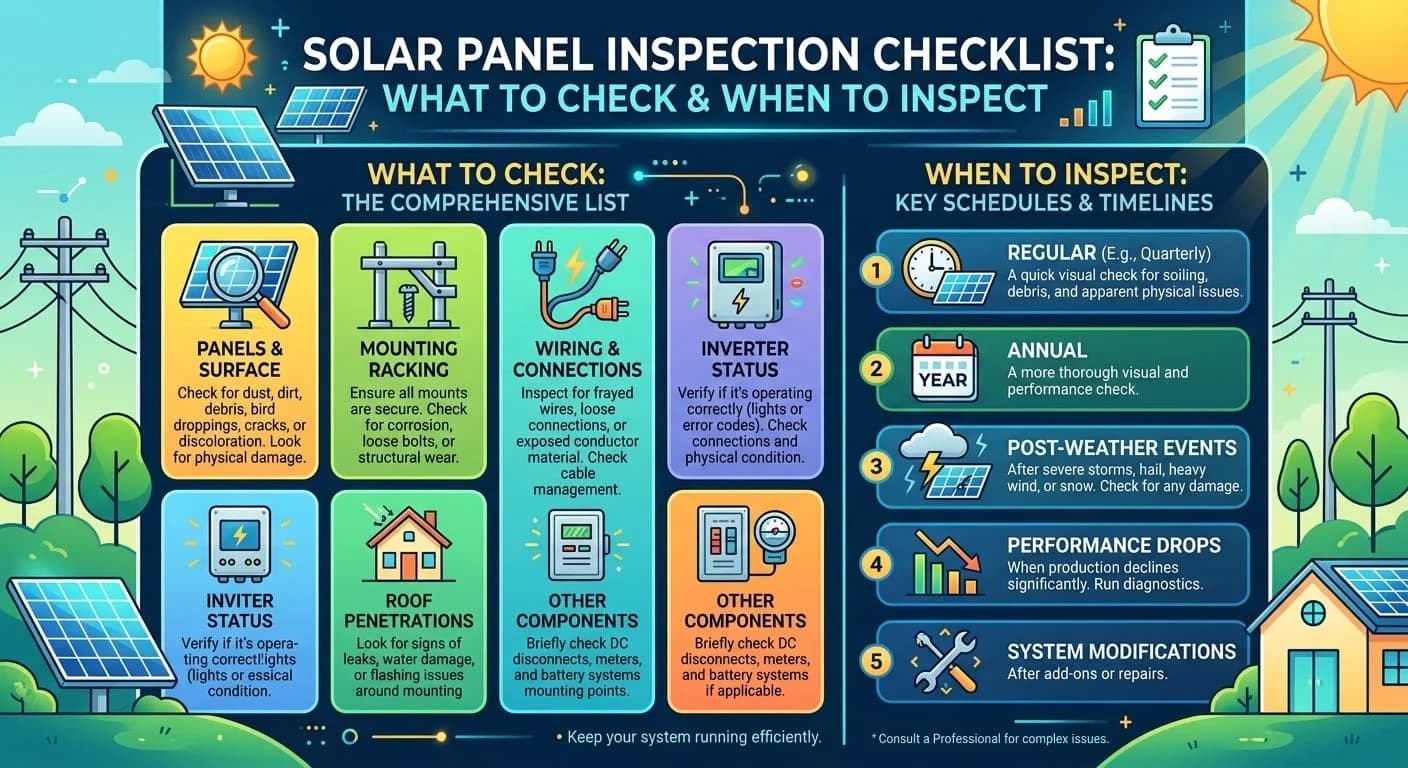
Solar Panel Inspection Checklist: What To Check & When To Inspect
Solar panel inspection guide: Learn what to check, when to inspect (annually + e...
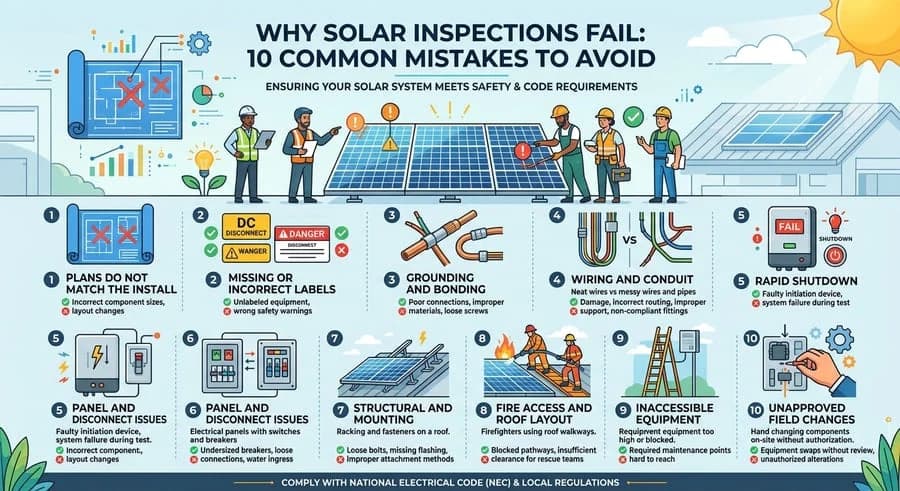
Why Solar Inspections Fail: 10 Common Mistakes to Avoid
Discover the 9 critical reasons solar inspections fail and how to avoid costly m...
Solar Grounding And Bonding: How To Pass Inspection Every Time
Learn how to pass solar grounding and bonding inspections every time. Avoid comm...