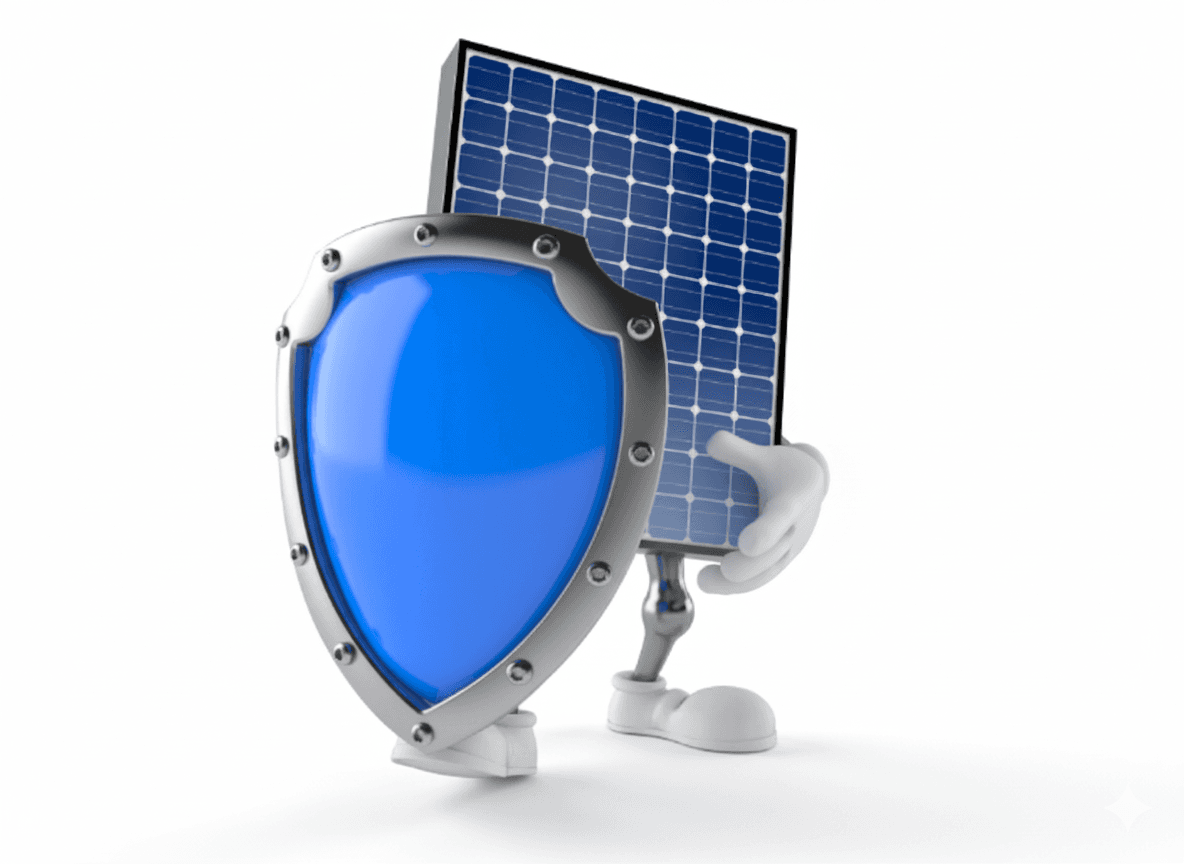
Florida solar panels can survive hurricanes with proper preparation. Hurricane-force winds exceeding 150 mph, flying debris, and heavy rainfall pose the three primary threats to solar installations during severe weather.
Key protection steps include: professional solar installation with hurricane-rated mounting systems, pre-season inspections to tighten loose hardware, adding reinforcement components like hurricane clips, trimming nearby trees, and installing surge protectors for battery systems. During an approaching hurricane, homeowners should monitor weather reports, shut down their solar system to prevent electrical surges, and apply protective covers when possible.
After the storm, inspect panels for cracks or damage, check electrical connections for water intrusion, and contact professionals before reactivating the system. Most Florida homeowners insurance policies cover hurricane damage to solar panels as part of the home’s structure.
Battery backup systems provide critical advantages by supplying power during grid outages, keeping essential appliances running for hours to days depending on capacity. Professional installation following Florida building codes, combined with regular maintenance and proactive storm preparation, significantly reduces damage risk and ensures long-term system resilience.

The Threats: Hurricane Impact on Solar Panel Systems
1. Powerful Wind Forces
Hurricane conditions generate wind velocities exceeding 150 mph, creating forces strong enough to tear solar panels from their mounting structures, compromise roof integrity, or completely remove panels that lack adequate fastening.
2. Airborne Projectiles
Storm conditions transform ordinary objects, tree limbs, roofing components, and various materials, into dangerous projectiles. Direct strikes from these airborne items can fracture or completely destroy solar panels, eliminating their power generation capability.
3. Intense Rainfall and Water Accumulation
Hurricanes deliver massive rainfall volumes that frequently result in flooding conditions. While solar panels feature weather-resistant construction, prolonged water exposure or standing water on rooftops can trigger electrical malfunctions or compromise mounting infrastructure.

Preparing Your Solar Installation for Hurricane Season
1. Ensure Expert Installation
Your primary defense begins with certified solar design services that adhere to all established safety standards and building codes. Quality installation incorporates robust mounting frameworks engineered specifically to resist Florida’s hurricane-strength wind conditions. Understanding proper solar system sizing ensures your installation meets both power needs and structural requirements.
2. Conduct Routine Inspections and Upkeep
Schedule professional solar panel evaluations before hurricane season arrives. Technicians should examine all mounting brackets, fasteners, and hardware components for any loosening that requires correction. Consistent maintenance keeps your installation operating optimally and minimizes storm vulnerability. Many Florida counties like Brevard County and Miami-Dade require periodic inspections as part of their solar permitting process.
3. Add Reinforcement Components
Enhance your system’s durability by incorporating reinforcement hardware like hurricane-rated clips or wind deflection devices. These components provide additional anchoring strength to roofing structures and minimize uplift forces from extreme winds. Specialized protective barriers can also defend panels against flying debris impacts during storms. Whether you’re planning residential solar design or commercial solar design, hurricane protection should be a primary consideration.
4. Clear Vegetation and Eliminate Nearby Risks
Execute a straightforward yet highly effective protective measure: prune trees and clear potential hazards surrounding your property. Cut back branches extending over your panels to prevent them from crashing down during storm conditions. Avoiding common DIY solar panel installation mistakes like neglecting clearance zones can prevent significant storm damage.
5. Energy Storage and Electrical Protection
For systems equipped with battery storage, verify proper protection against power fluctuations triggered by lightning strikes or grid failures during hurricanes. Installing surge protection devices safeguards your complete solar energy infrastructure from electrical damage. Mastering electrical fundamentals is essential for implementing proper protective measures.
Actions to Take When Hurricanes Approach
1. Track Weather Information
Keep current with meteorological updates and hurricane alerts. Early awareness of approaching storms provides sufficient time to secure your property and prepare your solar installation.
2. Deactivate Your Solar System
When hurricanes become imminent threats, power down your solar panel installation to prevent electrical surges or other safety risks. Reference your installation documentation or contact your installer for proper shutdown procedures.
3. Apply Protective Barriers
When feasible, place weather-rated protective covers over your solar panels. These barriers defend against impact damage and minimize the likelihood of surface scratches or cracks from debris strikes.
Solar Permit Solutions
Need Solar Permit Plans?
Professional, permit-ready solar plan sets delivered fast. Residential and commercial projects across all 50 states.
After the Hurricane: Evaluation and Restoration
1. Examine Panels for Damage
Once storm conditions subside, thoroughly examine your solar panels for damage indicators. Search for fractures, shattered glass, loosened mounting hardware, or other apparent problems. Contact professional repair services immediately upon discovering any damage.
2. Verify Electrical Systems
Water infiltration or debris collisions can harm electrical components, causing system performance problems. Arrange for qualified electrician inspection to confirm all connections maintain integrity and remain damage-free. Understanding the advantages and disadvantages of installing solar panels yourself highlights why professional post-storm inspections are crucial.
3. Process Insurance Documentation When Required
Should your solar panels sustain hurricane damage, insurance claims may become necessary. Photograph all damage thoroughly and communicate with your insurance company to understand claim procedures for repair or replacement coverage. Communities like Miramar and Lantana provide helpful resources on solar permitting and compliance that can assist with documentation.

Advantages of Storm-Resistant Solar Systems
Building resilient solar panel installations protects your financial investment during hurricanes while ensuring continued power generation even when electrical grids fail. Battery-equipped systems deliver electricity throughout storms and afterward, maintaining operation of critical appliances during emergency situations. For those considering off-grid solar system design, hurricane resilience becomes even more critical since grid backup isn’t available.
Recent Florida permit reforms and streamlined permitting processes have made it easier for homeowners to add protective upgrades to existing systems. Understanding solar permit expediting services can help you implement storm protection measures more quickly.
Conclusion
Defending your solar panels against hurricanes and severe weather in Florida demands advance planning and consistent maintenance. Through professional installation, regular system evaluations, and implementing preventive measures before and during storms, you substantially decrease damage potential. For Florida residents, building resilience into your solar panel system transcends smart planning, it represents an essential requirement for long-term success.
When considering how much a home solar system costs in 2025, factor in hurricane protection upgrades as essential investments rather than optional extras. Resources like Palm Beach County’s resilience programs and Florida solar laws provide additional guidance on building storm-resistant systems. Whether you’re building your own home solar power system or working with professionals, Solar Permit Solutions offers comprehensive guidance and resources through our expert blog for creating hurricane-ready solar installations.
FAQs
Need Solar Permit Plans?
Professional, permit-ready solar plan sets delivered fast. Residential and commercial projects across all 50 states.
Frequently Asked Questions
Yes, properly installed solar panels can withstand hurricane-force winds. Most modern solar panels are engineered and tested to endure wind speeds of up to 140-150 mph when installed correctly with appropriate mounting systems. However, the key factor is professional installation that follows Florida building codes and uses hurricane-rated hardware. Regular inspections and maintenance also play a crucial role in ensuring your panels remain secure during extreme weather events.
No, you should not attempt to remove your solar panels before a hurricane. Removing panels can actually cause more damage to your roof and void warranties. Solar panels are designed to stay in place during storms, and professional installations include secure mounting systems specifically engineered for hurricane conditions. Instead, focus on proper preparation such as trimming nearby trees, securing loose objects, and potentially covering panels with protective barriers if time permits.
Most homeowners insurance policies in Florida do cover solar panel damage caused by hurricanes, as solar panels are typically considered part of your home's structure. However, coverage varies by policy, so it's essential to review your specific insurance plan and confirm that solar equipment is included. Some insurers may require additional riders or specific coverage for solar installations. After a hurricane, document all damage with photographs and contact your insurance provider promptly to initiate a claim.
You should not reactivate your solar panel system immediately after a hurricane without a thorough inspection. Even if panels appear undamaged, hidden issues like cracked glass, compromised electrical connections, or water intrusion could pose safety hazards. Schedule a professional inspection to assess the entire system, including panels, inverters, wiring, and mounting structures. Only after receiving professional clearance should you power your system back on to avoid electrical hazards or further damage.
Battery backup systems provide significant advantages during hurricanes by storing excess solar energy for use when the grid goes down. During storm-related power outages, battery systems can keep essential appliances running, including refrigerators, medical equipment, lights, and communication devices. Modern battery backups can provide power for several hours to days, depending on capacity and usage. Additionally, once the hurricane passes and conditions are safe, your solar panels can recharge the batteries, providing continued power even if grid restoration takes time.
SPS Editorial Team
Solar Permit Solutions
Solar Permit Solutions provides professional solar permit design services for residential, commercial, and off-grid installations across all 50 states. Our team ensures permit-ready plan sets delivered fast.
Related Articles
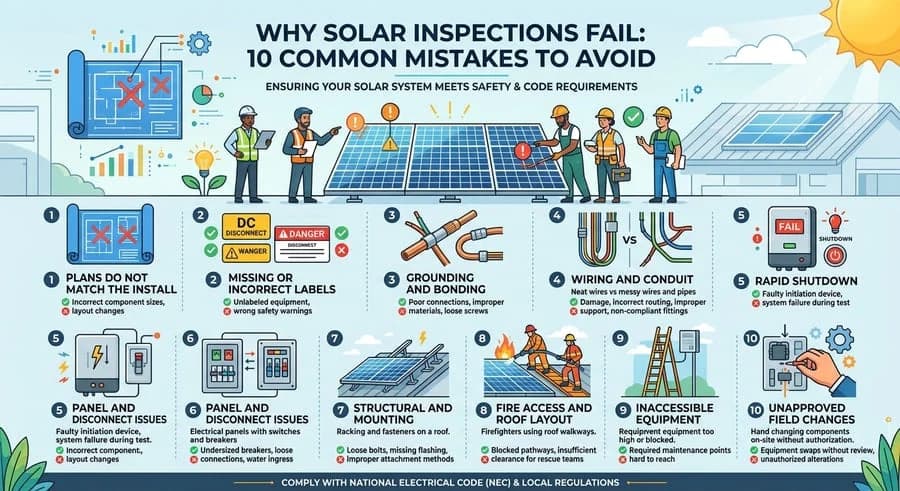
Why Solar Inspections Fail: 10 Common Mistakes to Avoid
Discover the 9 critical reasons solar inspections fail and how to avoid costly m...
Solar Grounding And Bonding: How To Pass Inspection Every Time
Learn how to pass solar grounding and bonding inspections every time. Avoid comm...
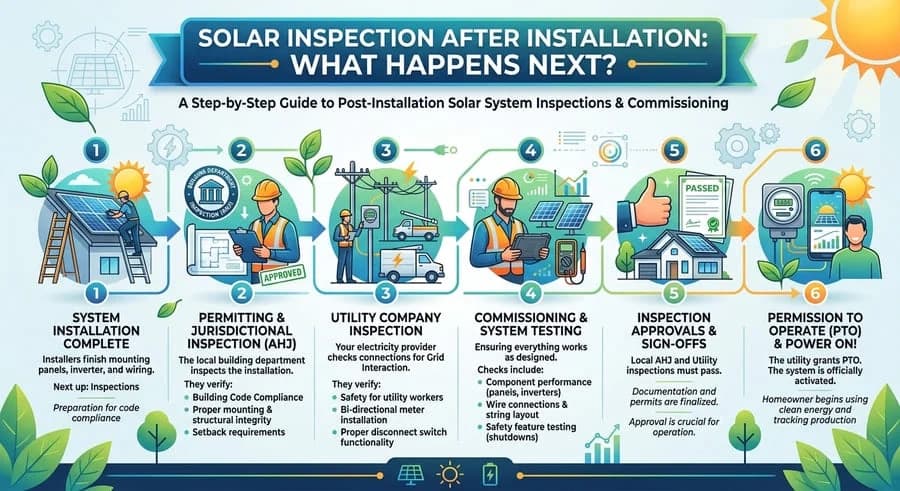
Solar Inspection After Installation: What Happens Next?
Learn how to pass your solar inspection by following essential tips for obtainin...