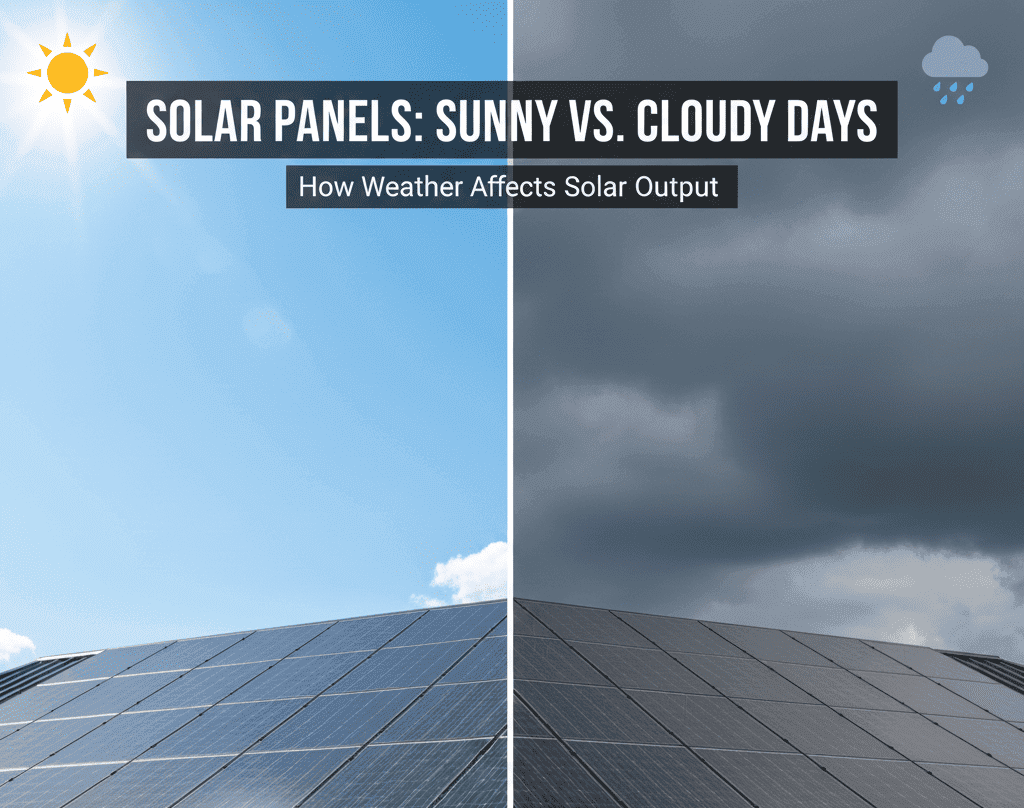
Solar panels continue generating electricity during rain and cloudy weather, though at reduced capacity compared to sunny conditions. Here’s what you need to know: panels produce 10-25% of rated output during heavy overcast and 30-50% during partial cloud cover. The key factor is light availability, not heat. Solar panels operate on photons, not temperature.
Quick Answer Summary:
- Cloudy days: Panels work using diffuse light that penetrates cloud formations
- Rainy conditions: Systems generate power while rain naturally cleans panel surfaces
- Performance range: Output depends on cloud density (37-62.5% sky coverage maintains adequate production)
- Year-round reliability: Real-world installations in rainy climates prove consistent energy savings
Why this matters: Understanding weather impact helps you optimize system sizing, select appropriate equipment, and maintain realistic performance expectations. Modern solar technology, combined with battery storage and monitoring tools, ensures reliable power generation regardless of local weather patterns.
This guide covers the photovoltaic process, weather-specific performance data, and five actionable strategies to maximize efficiency during adverse conditions, from choosing high-efficiency panels (19%+ ratings) to eliminating shading obstacles and deploying smart monitoring systems.

The Science: Converting Sunlight Into Usable Power
Understanding solar panel functionality during adverse weather starts with grasping the fundamental energy conversion process.
Photovoltaic (PV) cells form the core of every solar panel. These cells, typically constructed from silicon or similar semiconductor materials, transform solar radiation into electrical energy via the photovoltaic effect. Professional solar design services account for these fundamental principles when creating systems optimized for varying weather conditions.
Here’s how the process works: Light particles called photons strike the PV cell surface, transferring their energy to silicon atoms within. This energy transfer dislodges electrons from their atomic bonds, allowing free movement. These moving electrons generate an electrical current that flows through the cell, becoming usable electricity.
Solar panels produce direct current (DC) electricity. Your home and business appliances run on alternating current (AC), requiring an inverter to convert the DC output into grid-compatible AC power. Understanding electrical fundamentals is crucial for proper system integration.
Two Sunlight Types Power Your Panels:
- Direct Light: Unobstructed sunlight strikes panels straight-on, maximizing electricity generation.
- Diffuse Light: Sunlight scatters through the atmosphere, common during cloudy or rainy weather. Panels still generate power from diffuse light, though at reduced capacity compared to direct sunlight conditions.
Critical Point: Solar panels operate on light, not heat. This allows consistent year-round efficiency regardless of temperature, as long as light reaches the panel surface. According to NREL research, this light-based operation enables solar systems to function effectively across diverse climates.
Solar Panel Performance During Cloudy and Rainy Conditions
Direct sunlight drives maximum electricity production from solar panels, but performance continues during overcast and wet weather, just at diminished capacity. Real-world installations in regions with frequent cloud cover and rainfall demonstrate that systems still generate sufficient power to cover household energy demands and deliver substantial utility bill reductions.
Cloudy Day Performance: What to Expect
Cloud cover reduces solar panel efficiency by limiting available sunlight for conversion into electricity. Despite this limitation, panels maintain power generation capabilities. Your system’s output directly correlates with cloud density levels.
Partial Cloud Coverage (37% to 62.5% sky coverage): Sunlight penetrates through gaps in cloud formations, reaching panel surfaces. Your system typically produces adequate electricity to meet household requirements during these conditions, though actual output varies based on temperature and concurrent energy consumption from high-draw appliances like air conditioning systems.
Heavy Overcast Conditions: Dense cloud layers block more sunlight, significantly reducing power generation. These conditions occur less frequently than partial cloud coverage in most regions. The International Energy Agency reports that even cloudy regions achieve strong solar adoption rates due to cumulative annual production.
The Cloud Lensing Phenomenon: Certain cloud formations occasionally amplify solar production through an effect called cloud lensing. Clouds function as optical lenses, concentrating sunlight beams in specific directions. When concentrated light strikes your panels, electricity output can spike temporarily. This remains an uncommon occurrence.
Bottom Line: Expect reduced efficiency and lower electricity generation during cloudy periods compared to clear sky conditions.
Rainy Day Operation: Performance Plus Natural Maintenance
Rainfall temporarily decreases energy production while delivering an important secondary benefit: system cleaning. Accumulated dust, dirt, and debris gradually coat panel surfaces, blocking sunlight and degrading efficiency. Rainwater naturally rinses away these contaminants, restoring optimal light absorption capacity.
Can panels generate electricity during rainfall? Yes. Power production depends on sunlight penetration through rain and cloud cover. Solar radiation often breaks through precipitation, enabling continued energy generation.
Quick Performance Check: Test whether your system is producing power during rainy weather by observing shadows. Visible shadows indicate sufficient sunlight for electricity generation, though at reduced output levels compared to sunny conditions.

Weather Impact on Solar Panel Performance
Today’s solar panels incorporate advanced engineering designed to endure diverse weather patterns and temperature extremes. Proper solar permit compliance ensures installations meet local weather resistance standards. Explore how various atmospheric conditions influence your system’s operation.
Rain
Rainfall delivers a natural cleaning service for your solar installation. Water washes away accumulated dirt, dust, and debris that diminish panel efficiency. While heavy downpours temporarily reduce energy output, the ongoing maintenance advantage outweighs short-term production losses. Green Building Advisor recommends leveraging rain’s cleaning benefits as part of routine maintenance planning.
Snow
Solar systems continue generating electricity during snowy weather when visible sunlight penetrates. Like rainfall, cloud density determines output levels. Thick cloud formations suppress production more significantly.
Snow accumulation presents unique challenges compared to rain. Light snow dustings typically blow off with wind or melt within a day. Heavy snowfall requires intervention. Contact professional service providers to remove substantial snow buildup, as accumulated snow blocks sunlight and risks system damage. Solar permitting experts can recommend appropriate mounting angles for snow-prone regions.
Extreme Temperatures
High Heat: Durable materials enable solar panels to function across wide temperature ranges. Extreme heat causes minor efficiency reductions, but year-round sun exposure compensates for these temporary losses. Commercial solar installations in hot climates incorporate thermal management strategies to optimize performance.
Freezing Cold: Panels maintain electricity generation in sub-zero conditions. Remember, solar technology operates on light, not heat. The World Bank’s energy research confirms successful solar deployments in extreme cold climate zones.
Wind
Proper installation determines wind resistance. Panels must be securely mounted following local building codes with mounting systems engineered for high-wind scenarios. Choose experienced installers who understand regional climate patterns and source appropriate equipment for your area’s conditions. Understanding racking system specifications is essential for wind-resistant installations.
Humidity
Extended humidity exposure can trigger corrosion in solar components over time. Selecting panels with corrosion-resistant construction extends system lifespan in high-humidity environments. IEEE renewable energy standards provide guidance on material selection for humid climates.
Smoke & Air Pollution
Wildfire smoke, smog, and airborne pollutants block sunlight and degrade panel efficiency. California’s 2020 wildfire season demonstrated this impact. Peak-hour production dropped 10-30% during heavy smoke periods.
Panels continue producing electricity when some sunlight penetrates, but residents in wildfire-prone regions should consider battery storage systems to maintain power during smoke events and grid outages. Off-grid solar designs offer resilience during extended air quality emergencies.
Hail
Panels undergo rigorous impact testing, including high-speed ice ball projectile tests simulating hailstorm conditions. Tempered (toughened) glass construction provides exceptional durability and impact resistance.
Severe hailstorms still present risks. Angled panel installation, standard for optimal sunlight capture, helps mitigate hail damage by deflecting impacts. Equipment specifications detail impact resistance ratings for various panel models.
Thunderstorms
Solar panels don’t attract lightning more than other rooftop structures. However, proper grounding and surge protection systems are critical safeguards against electrical damage from nearby strikes.
Modern installations include these safety features, but correct installation ensures proper connection and protection. Schedule regular certified technician inspections to verify ongoing system integrity and protection effectiveness. SolSmart permitting resources outline electrical safety requirements for storm-prone regions.

Solar Permit Solutions
Need Solar Permit Plans?
Professional, permit-ready solar plan sets delivered fast. Residential and commercial projects across all 50 states.
5 Strategies to Maximize Efficiency During Cloudy and Rainy Weather
Every region experiences occasional overcast or wet conditions. Implement these strategies to maintain optimal performance:
1. Choose High-Efficiency Panels
Panel quality varies significantly. Select models with efficiency ratings of 19% or higher for superior sunlight-to-electricity conversion. Efficiency ratings indicate the percentage of captured sunlight converted to power. A 22% efficient panel converts 22% of received sunlight into electricity.
Higher upfront costs deliver better low-light performance and stronger overall energy production, maximizing return on investment. High-efficiency panels also reduce the total panel count needed to meet production goals, lowering overall system costs. The American Solar Energy Society maintains updated efficiency benchmarks for various panel technologies.
2. Expand Your Panel Array
Increasing panel quantity boosts total system output. During overcast conditions, additional generation capacity compensates for reduced sunlight, ensuring your household meets energy requirements. Work with experienced solar professionals to design properly sized systems matching your consumption patterns and location.
3. Add Battery Storage
Battery systems store surplus electricity for use during nighttime hours or cloudy periods. This technology ensures consistent, reliable solar energy access year-round, maximizing investment value. Battery backup also enables solar power usage during grid outages. Learn more about DIY solar system integration for battery installations.
4. Eliminate Shading
Sunlight access directly impacts power generation. Maintain shade-free panel surfaces throughout daylight hours. Trim nearby trees and avoid installations in shaded locations. This optimization ensures maximum efficiency during all weather conditions, including sunny days. Solar permit services in Los Angeles include shade analysis as part of site assessments.
5. Deploy Monitoring Technology
Modern systems include apps and monitoring devices providing real-time production data and performance metrics. Regular monitoring helps identify underperformance issues and detect problems before they escalate into major failures. ENERGY STAR resources provide guidance on selecting effective monitoring platforms.
Conclusion
Solar panels prove their reliability across all weather conditions, from bright sunny days to overcast skies and rainy periods. While cloud cover and precipitation reduce electricity output compared to optimal conditions, your system continues generating power whenever light reaches the panel surfaces. Understanding how different weather patterns affect performance empowers you to make informed decisions about system sizing, equipment selection, and maintenance practices.
The key takeaway is this: adverse weather doesn’t eliminate solar energy production. It simply adjusts output levels. Real-world data from installations in cloudy, rainy climates consistently demonstrates that solar systems deliver substantial energy savings and utility bill reductions year-round. Modern panel technology, coupled with battery storage options and smart monitoring tools, ensures your investment performs efficiently regardless of local weather patterns.
Take action now by implementing the five optimization strategies outlined above. Choose high-efficiency panels, eliminate shading obstacles, and deploy monitoring technology to maximize your system’s performance during all weather conditions. Whether you experience frequent rainfall, seasonal snow, or occasional cloudy stretches, solar energy remains a viable, cost-effective power solution for your home or business. Explore our comprehensive blog resources for additional guidance, and consult the Department of Energy’s solar tax credit guide to maximize your investment returns.
FAQs
Need Solar Permit Plans?
Professional, permit-ready solar plan sets delivered fast. Residential and commercial projects across all 50 states.
Frequently Asked Questions
Solar panels typically generate 10-25% of their rated capacity during heavily overcast conditions and 30-50% during partially cloudy weather when gaps in cloud formations allow sunlight penetration. The exact output depends on cloud density, panel quality, and efficiency ratings. High-efficiency panels (19% or above) perform better in low-light conditions than standard models. While production decreases during cloudy periods, your system continues generating electricity and contributing to household energy needs throughout the day.
No. Rain benefits your solar installation rather than causing damage. Modern panels feature tempered glass construction and weatherproof sealing designed to withstand years of exposure to precipitation. Rainfall actually improves long-term performance by washing away accumulated dust, dirt, pollen, and debris that block sunlight and reduce efficiency. The natural cleaning effect of rain helps maintain optimal power generation without manual intervention. Your panels are engineered to handle everything from light drizzle to heavy downpours safely.
Light snow accumulation (1-2 inches) typically melts or blows off naturally within a day, requiring no action. Heavy snowfall that completely covers panel surfaces should be professionally removed to restore power generation and prevent potential damage from excessive weight. Never attempt to clear snow yourself using sharp tools or abrasive materials that could scratch tempered glass surfaces. Contact certified solar technicians equipped with proper tools and safety equipment for snow removal. Angled panel installations, standard for most systems, help snow slide off more easily as temperatures rise.
Yes. Solar panels safely operate during thunderstorms and don't attract lightning strikes more than other rooftop structures or metal objects. Modern installations include essential safety features: proper grounding systems that direct electrical surges safely into the ground and surge protection devices that shield sensitive components from voltage spikes caused by nearby lightning strikes. These built-in safeguards protect your investment during severe weather. Schedule regular inspections with certified technicians to verify that grounding connections and surge protection systems remain effective and properly functioning.
Use these three methods to verify power production: first, check for visible shadows outdoors. Shadows indicate sufficient sunlight for electricity generation, even if reduced. Second, access your solar monitoring app or device to view real-time production data and current power output levels. Most modern systems provide instant performance metrics through smartphone apps or web dashboards. Third, observe your home's energy meter. If it's running slowly or backward, your panels are generating power and offsetting grid consumption. Monitoring tools offer the most accurate assessment, displaying exact wattage production throughout weather changes.

SPS Editorial Team
Solar Permit Solutions
Solar Permit Solutions provides professional solar permit design services for residential, commercial, and off-grid installations across all 50 states. Our team ensures permit-ready plan sets delivered fast.
Related Articles
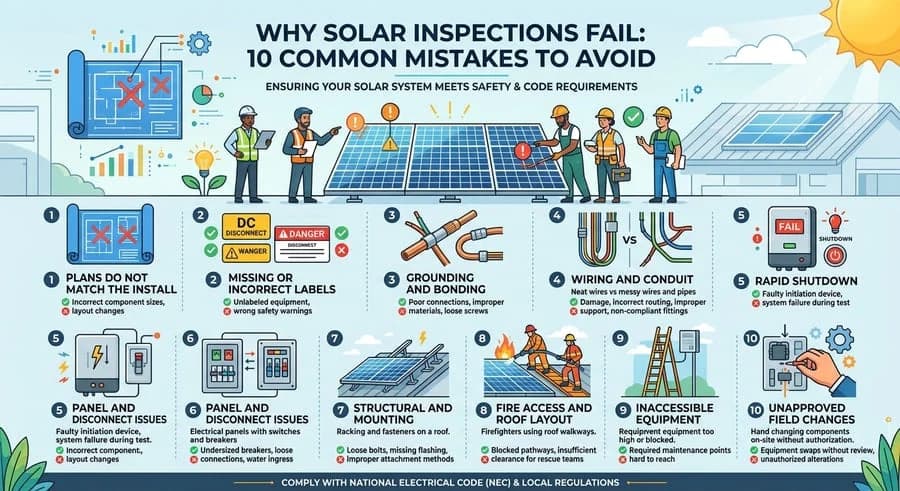
Why Solar Inspections Fail: 10 Common Mistakes to Avoid
Discover the 9 critical reasons solar inspections fail and how to avoid costly m...
Solar Grounding And Bonding: How To Pass Inspection Every Time
Learn how to pass solar grounding and bonding inspections every time. Avoid comm...
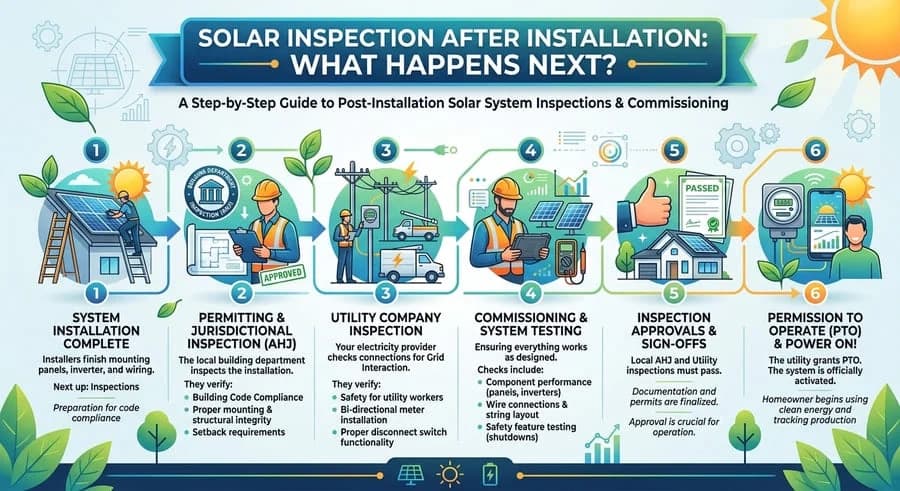
Solar Inspection After Installation: What Happens Next?
Learn how to pass your solar inspection by following essential tips for obtainin...