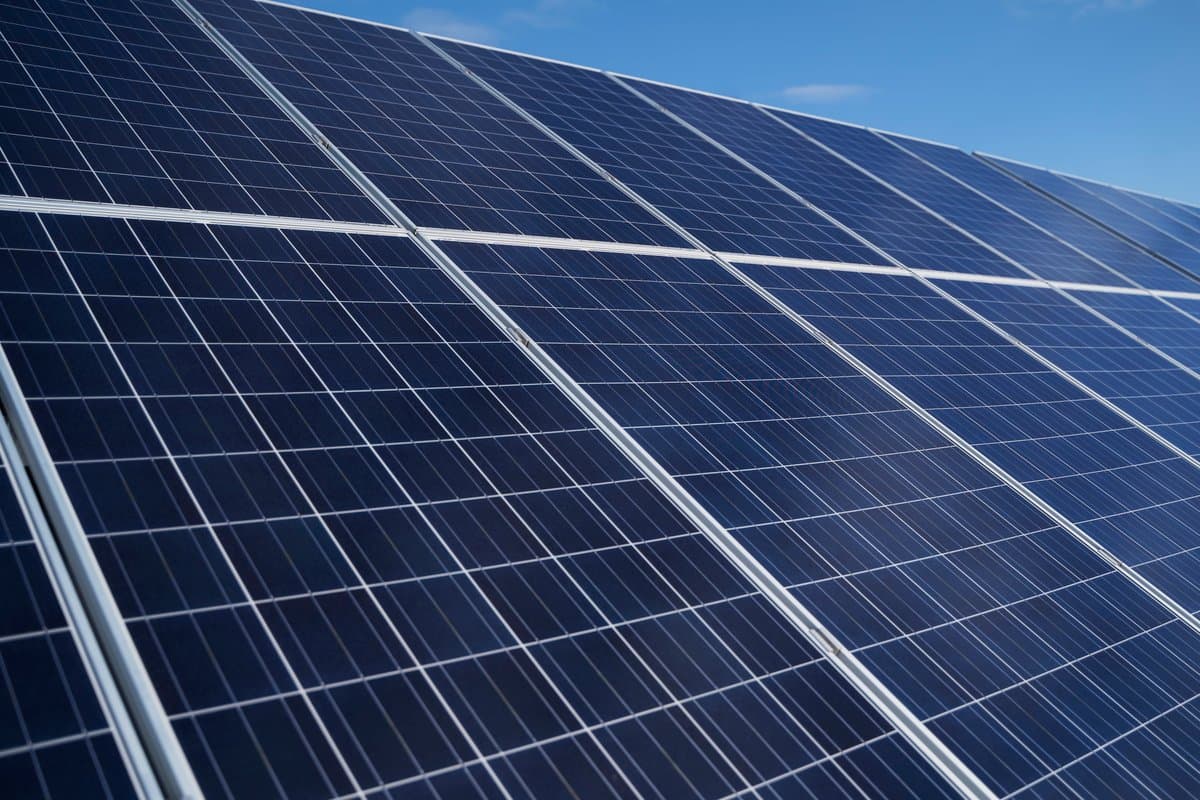
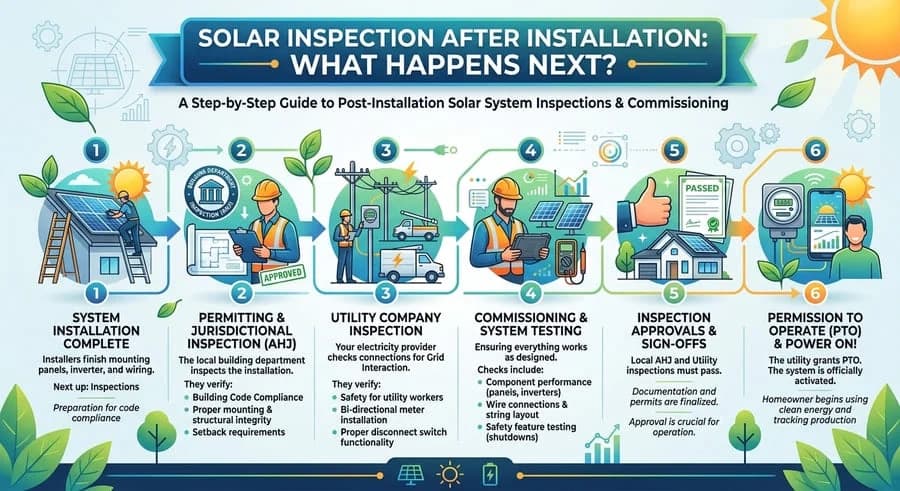
Solar installation requires 6 mandatory inspections before the system can be activated and connected to the grid. The complete inspection process typically takes 4 to 10 weeks from start to finish.
Required solar installation inspections include:
- Site assessment – Evaluates roof condition, sunlight exposure, and structural capacity before installation begins
- Permit approval – Secures authorization from local authorities to proceed with installation (2-6 weeks)
- Electrical inspection – Verifies wiring, connections, and grounding systems meet safety codes during installation
- Structural inspection – Confirms roof can support solar panel weight and mounting systems
- Final electrical inspection – Validates complete system safety including inverters, panels, and grid connections
- Utility inspection – Ensures safe interconnection with the electrical grid before system activation
These inspections verify installation safety, code compliance, and proper system functionality. Each checkpoint protects property owners and ensures the solar system operates efficiently within regulatory guidelines. While inspections extend the installation timeline, they guarantee long-term system reliability and performance.
The Essential Role Of Solar Inspections
Installing solar panels on a residential or commercial property involves adhering to specific procedural requirements. Inspections represent a crucial component of this process. They validate the safety of the solar system, confirm proper installation techniques, and ensure compliance with all relevant codes and regulations.
Multiple inspection types occur throughout the installation timeline, taking place before work begins, during active installation, and after completion.
Initial Evaluation Phase: Before Installation Begins
Site Assessment
Before any installation work commences, a qualified professional conducts a comprehensive site assessment. This evaluation functions as a thorough examination of the property.
The assessment includes examining the roof’s dimensions and structural condition, measuring available sunlight exposure, and identifying potential obstructions such as trees or adjacent structures that could create shading issues.
This evaluation enables solar installers to determine the optimal panel placement, calculate the appropriate system size, and establish how many panels the property requires.
Permit Approval
Following the site assessment, the installation company submits permit applications to the relevant municipal or county authorities. Permits serve as official authorization to proceed with the solar installation.
These documents ensure the project will adhere to local building codes and regulatory standards. The approval process requires time as local government offices review and evaluate the proposed plans.
Mid-Installation Checkpoints: Verifying Work In Progress
Electrical Inspection
As solar panel installation progresses, an electrical inspection must be conducted. This examination verifies that all electrical components meet safety standards and installation specifications.
The inspector evaluates the solar panel wiring, examines connections to the property’s electrical system, and reviews the grounding infrastructure that protects against electrical surges.
The electrical inspector confirms all work meets code requirements and identifies any potential safety concerns.
Structural Inspection
Another essential evaluation during installation is the structural inspection. This assessment confirms the roof can adequately support the solar panel array’s weight.
The inspector examines the mounting hardware used to secure panels to the roof structure, evaluates overall roof stability and load-bearing capacity, and reviews any structural modifications implemented to accommodate the panels.
This inspection is vital for preventing roof damage or structural failure under the solar panel system’s weight.
Solar Permit Solutions
Skip the Permit Headaches
We design plan sets that pass inspection the first time. Code-compliant, PE-stamped, accepted by AHJs nationwide.
Final Approval Stage: Completing The Installation Process
Final Electrical Inspection
Upon installation completion, a final electrical inspection is performed. This serves as a comprehensive verification that all electrical work has been executed correctly and safely.
The inspector reviews the complete system, including the inverter that transforms solar energy into usable electricity. They examine electrical panels and circuit breakers, and assess integration with the property’s existing electrical infrastructure. This final verification ensures the system is prepared to generate solar energy safely.
Utility Inspection
After passing the final electrical inspection, the local utility company conducts its own evaluation. They must verify the solar system can safely interconnect with the electrical grid.
The electrical grid consists of power distribution lines that deliver energy to homes and businesses. The utility inspector confirms proper meter installation, verifies system compatibility with the regional power supply, and ensures the system can safely transmit excess power back to the grid. Once this inspection is approved, the system can be activated and begin producing solar energy.
Building Inspection
Finally, a building inspection may be required. This ensures complete compliance with all building codes and regulations throughout the installation process.
The building inspector assesses the overall installation quality, confirms adherence to local building standards, and reviews any property modifications made during installation.
This final step verifies everything has been completed correctly, ensuring the solar panel installation is both secure and fully operational.
Conclusion
Navigating the solar installation inspection process requires understanding multiple evaluation stages, each serving a specific safety and compliance purpose. From initial site assessments to final utility approvals, these inspections protect both property owners and the broader electrical infrastructure. While the inspection timeline may extend the overall installation period, each checkpoint ensures the solar system operates safely, efficiently, and within regulatory guidelines.
Working with experienced solar installation professionals streamlines the inspection process significantly. Qualified installers understand local code requirements, maintain relationships with inspectors, and prepare documentation that expedites approvals. Property owners who invest time in understanding these inspection requirements can better anticipate project timelines and ensure smooth system activation.
The comprehensive inspection framework ultimately delivers peace of mind, confirming that the solar investment meets professional standards and will perform reliably for decades to come.
FAQs
What happens if my solar system doesn’t pass the final inspection?
If a solar system fails final inspection, the installation company must address the identified issues and schedule a re-inspection. The system cannot be activated or connected to the grid until it passes all required inspections. Reputable solar installers warranty their work and correct any deficiencies at no additional cost to the property owner. Re-inspections typically occur quickly once corrections are completed, minimizing delays in system activation. For those considering DIY solar projects or off-grid systems, understanding inspection requirements is especially crucial. Need assistance with your solar project? Contact us for expert guidance on off-grid design and installation support.
Skip the Permit Headaches
We design plan sets that pass inspection the first time. Code-compliant, PE-stamped, accepted by AHJs nationwide.
Frequently Asked Questions
The complete inspection timeline varies based on local jurisdiction requirements and inspector availability. Pre-installation permit approvals typically take two to six weeks. During-installation inspections often occur within a few days of scheduling. Final inspections and utility approvals usually complete within one to three weeks after installation finishes. Total timeframes generally range from four to ten weeks, though some areas may process inspections faster or slower.
Yes, solar installations can fail inspections if they don't meet code requirements or safety standards. Common failure reasons include improper wiring connections, inadequate grounding systems, structural concerns with mounting equipment, or incomplete documentation. Failed inspections require corrections before re-inspection. Experienced installers minimize failure risks by following established codes and conducting internal quality checks before official inspections.
Inspection costs are typically included in the overall solar installation contract. Most solar companies incorporate permit fees, inspection charges, and utility interconnection fees into their project pricing. Property owners should verify what their installation agreement covers and whether any inspection fees require separate payment. Some jurisdictions charge permit fees directly to property owners rather than contractors.
Property owner presence during inspections is generally not required, though some inspectors may request access to specific areas. The solar installation company usually coordinates with inspectors and handles all technical discussions. However, property owners may choose to attend inspections to better understand their system and ask questions directly. Inspectors typically communicate results through the installation company rather than directly with homeowners.
If a solar system fails final inspection, the installation company must address the identified issues and schedule a re-inspection. The system cannot be activated or connected to the grid until it passes all required inspections. Reputable solar installers warranty their work and correct any deficiencies at no additional cost to the property owner. Re-inspections typically occur quickly once corrections are completed, minimizing delays in system activation.
SPS Editorial Team
Solar Permit Solutions
Solar Permit Solutions provides professional solar permit design services for residential, commercial, and off-grid installations across all 50 states. Our team ensures permit-ready plan sets delivered fast.
Related Articles
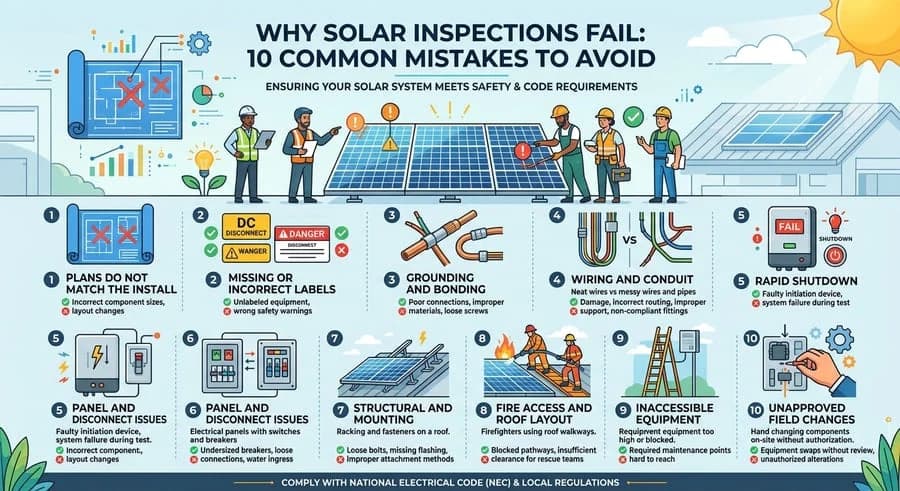
Why Solar Inspections Fail: 10 Common Mistakes to Avoid
Discover the 9 critical reasons solar inspections fail and how to avoid costly m...
Solar Grounding And Bonding: How To Pass Inspection Every Time
Learn how to pass solar grounding and bonding inspections every time. Avoid comm...
Solar Inspection After Installation: What Happens Next?
Learn how to pass your solar inspection by following essential tips for obtainin...