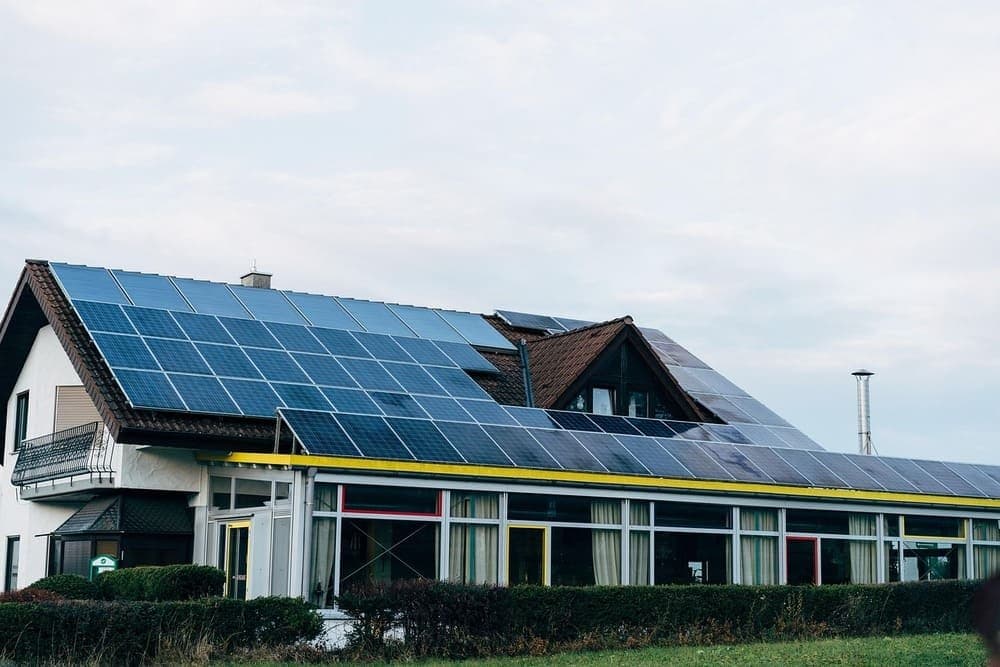
Can your roof support solar panels? Yes, most residential roofs easily handle solar installations. Standard solar panels add only 2-4 pounds per square foot to your roof, well within the 20+ pounds per square foot capacity of modern construction. Here’s what determines if your roof is ready:
Key factors to verify before installation:
- Weight capacity – Solar panels weigh 45-55 pounds each (2.6 lbs/sq ft distributed)
- Structural integrity – Trusses, rafters, and beams must be sound
- Roof age – Roofs with 10-15+ years remaining lifespan are ideal
- Available space – Approximately 65% of usable roof area needed
- Orientation – South-facing roofs perform best; east/west also viable
- Shading – Minimal shade from trees or structures required
- Roof pitch – 10-45 degree angles optimal (flat roofs work with mounting equipment)
Professional assessment required: Licensed roofing specialists and structural engineers evaluate your roof’s load-bearing capacity, condition, and solar compatibility before installation. Exceptions include mobile homes and manufactured housing, which may need specialized lightweight panels.
Bottom line: 95% of residential roofs support solar panels without modifications. Replace aging roofs before solar installation to avoid future removal/reinstallation costs ($3,000-$10,000+) and maximize your 30-year solar system investment.

Understanding Solar Panel Weight Distribution
Solar panels balance durability with manageable weight and are engineered to endure high winds, extreme temperatures, and severe weather conditions. Weight specifications vary by manufacturer and model, though most panels fall within an industry-standard range.
Standard residential solar panels weigh between 45 and 55 pounds per unit. These panels measure approximately 5.65 feet by 3.75 feet, covering just over 21 square feet of surface area. This translates to roughly 2.6 pounds per square foot of distributed weight.
Commercial-grade 72-cell panels carry slightly more total weight due to their larger size. However, the weight distribution remains comparable at approximately 2.4 pounds per square foot across the expanded surface area.
Beyond the panels themselves, factor in mounting hardware and racking systems that secure your system to the roof structure. When properly installed, the complete solar array stays well within standard roofing capacity limits, assuming your roof maintains good structural health.
Assessing Your Roof’s Load-Bearing Capacity
Most residential roofs safely accommodate solar panel installations without modifications. Exceptions include mobile homes and certain manufactured housing, which may require specialized lightweight panels and custom racking systems.
Standard solar installations add only 2 to 4 pounds per square foot to your roof’s existing load. Modern construction typically supports 20 pounds per square foot or more, providing a substantial safety margin for solar equipment.
Despite favorable general statistics, individual roof conditions vary significantly. Verify your specific roof meets structural requirements before proceeding with installation.
Professional solar design services coordinate comprehensive roof inspections prior to installation. This assessment includes a structural engineering evaluation performed by licensed roofing specialists. The inspection examines your home’s design, roof age, roofing materials, and solar system specifications, focusing on:
- Structural integrity: Condition assessment of trusses, rafters, and support beams
- Weight tolerance: Verification that your roof handles complete system load, including panels and mounting equipment
- Roof condition: Identification of damage, rot, or age-related deterioration that could compromise installation
When your roof passes structural evaluation, you can proceed confidently with your solar project. If upgrades are necessary, you’ll receive detailed recommendations outlining required improvements before installation can safely proceed.
Solar Panel Impact on Roof Longevity
Properly installed solar panels don’t reduce your roof’s lifespan; they often enhance its durability instead.
Solar panels mount several inches above your roofing surface, creating a protective barrier against environmental elements. This elevation shields roofing materials from intense sun exposure, rain, wind, and hail impact, minimizing weather-related deterioration. The protective effect frequently extends the service life of roofing materials beneath the solar array.
When installed and maintained correctly, your roof and solar system complement each other, delivering decades of reliable home protection and energy production. At the end of their lifecycle, understanding proper solar panel disposal helps maintain environmental responsibility.
Solar Permit Solutions
Need Solar Permit Plans?
Professional, permit-ready solar plan sets delivered fast. Residential and commercial projects across all 50 states.
Evaluating Your Roof’s Solar Compatibility
Multiple factors determine whether your roof suits solar installation, including available space, structural capacity, orientation, shading conditions, pitch angle, and overall age. Professional solar consultations assess all these elements to provide personalized recommendations for your property.
Available Roof Space Requirements
Solar panels require unobstructed roof area to maximize energy generation. Plan for solar coverage across approximately 65% of usable roof space, though higher coverage may be necessary based on household energy consumption patterns.
Roof obstacles like chimneys, skylights, vents, and HVAC equipment reduce available installation area. During your solar assessment, qualified installers determine whether your roof layout accommodates your target system size or requires alternative design approaches.
Structural Soundness Verification
Despite their moderate weight, solar panels require stable mounting surfaces. Premium solar panels carry warranties extending 30 years, with proper maintenance enabling even longer functional lifespans. Your roof must maintain strength throughout this duration; otherwise, you’ll face expensive panel removal and reinstallation costs for roof repairs or replacement. Homeowners absorb these labor expenses, making pre-installation roof verification essential.
Experienced roofing specialists conduct comprehensive roof assessments before solar projects begin. Licensed roofers evaluate roof age, structural integrity, and repair requirements prior to installation. Addressing any issues upfront ensures your solar system builds on a reliable foundation from the start.
Optimal Roof Orientation
South-facing roofs capture maximum sunlight throughout the day, making them ideal for solar installations in most regions. However, east-facing and west-facing roofs also support viable solar systems depending on additional site factors. North-facing installations typically underperform due to significantly reduced sunlight exposure.
Professional solar designers account for roof orientation when creating your system layout, optimizing panel placement to capture maximum direct and indirect sunlight for peak energy generation. Large-scale projects demonstrate this principle, as seen in California’s massive solar farms that optimize panel angles across vast areas.
Shading Impact Assessment
Shade dramatically affects solar system performance. Even minor shade coverage on a single panel can reduce output across the entire system. Trees, chimneys, and adjacent structures cast shadows on solar arrays, with shading patterns varying by time of day and season.
Your solar provider conducts detailed shading analysis to determine whether your roof supports productive solar installation. When partial shading exists, microinverters can minimize performance impact and maintain efficient system operation.
Roof Pitch Considerations
Solar panels generate optimal energy when installed at angles maximizing sun exposure, typically between 10 and 45 degrees. Most pitched residential roofs fall within this range naturally.
Flat roofs still accommodate solar installations effectively. Specialized mounting equipment tilts panels to optimal angles, ensuring maximum sun exposure and energy generation regardless of roof pitch.
Roof Age Evaluation
When your roof approaches end-of-life, handle replacement before installing solar panels. This timing consideration prevents future complications and expenses covered in detail below.
Advantages of Pre-Solar Roof Replacement
When considering solar installation on an aging roof, coordinating both projects simultaneously proves strategically beneficial. While combined solar and roofing projects seem substantial, this approach saves time and money and prevents future complications.
Consider these advantages of roof replacement before solar installation:
1. Streamlined Project Management
Managing dual major home improvements simultaneously creates unnecessary complexity. Working with integrated roofing and solar providers simplifies coordination significantly.
Single-point project management eliminates juggling multiple contractors and conflicting schedules. Coordinated teams handle everything from initial inspection through final installation, managing communication and scheduling seamlessly without requiring your constant oversight.
2. Prevent Future Disruption and Expenses
Properly maintained solar panels operate for multiple decades. If your existing roof requires repairs within years, you’ll pay for solar panel removal and reinstallation. Pre-solar roof replacement eliminates mid-life repair risks and avoids disturbing your solar array later.
3. Maximize Property Value
Solar installations and new roofs both deliver excellent investment returns, especially when combined. Research from Lawrence Berkeley National Laboratory shows solar-equipped homes sell at approximately $15,000 premiums, while industry data indicates new roofs boost resale value by over $17,000. Together, these upgrades significantly increase home value whether you’re staying long-term or selling soon.
4. Design Roof Structure for Solar Integration
New roof installation provides opportunities to optimize for solar compatibility. Certain roofing materials integrate better with solar panels than alternatives. Coordinating with roofing professionals enables solar standoff and flashing installation during the roofing process, creating efficient, watertight foundations for panel mounting.
Integrated roofing and solar teams working in alignment minimize project delays, improve installation quality, and enhance overall outcomes for homeowners. For DIY enthusiasts looking to deepen their understanding, these essential solar energy books provide valuable technical knowledge.
Managing Roof Repairs After Solar Installation
If roof repairs or replacement become necessary after solar installation, the process remains manageable with proper professional support. The key involves working with experienced technicians who safely remove and reinstall solar systems without damaging components.
Solar panel removal and reinstallation costs depend on several variables:
- Total system size and panel count
- Number of panels requiring removal and storage
- Mounting hardware replacement needs
- Storage requirements and labor duration throughout the project
Solar panels connect to electrical systems and are secured with specialized mounting equipment, making removal strictly professional work. Improper handling damages systems and voids warranties, requiring qualified solar installers to manage the process properly.
Professional solar companies handle removal and reinstallation services, even for systems originally installed by different providers. Contact qualified installers to discuss the process and explore available options for your specific situation.
Professional Roof Preparation for Solar Success
Successful solar installations begin with structurally sound, reliable roofs. Professional roofing companies specializing in solar preparation ensure your roof meets all requirements before panel installation. Whether needing pre-installation assessment, minor repairs, or complete replacement, experienced roofers prepare your roof to support solar systems for decades.
Quality-focused roofing and solar providers in Houston working collaboratively streamline projects from start to finish, offering single-point contact for both services. This integrated approach saves time, reduces complications, and ensures all home improvement components work together seamlessly.
Conclusion
Determining whether your roof can support solar panels involves evaluating multiple factors, from structural capacity and weight distribution to orientation, shading, and overall roof condition. The reassuring reality is that most modern residential roofs easily handle solar installations, with standard systems adding only 2 to 4 pounds per square foot to roofs designed to support 20 pounds per square foot or more.
The key to successful solar installation lies in proper assessment before you begin. Professional roof inspections identify potential issues early, allowing you to address structural concerns, complete necessary repairs, or coordinate roof replacement alongside your solar project. This proactive approach protects your investment and prevents costly disruptions down the road.
If your roof is aging or showing signs of wear, replacing it before installing solar panels offers significant advantages, from streamlined project management and enhanced property value to optimized solar integration and decades of worry-free performance. With the right preparation and professional guidance, your roof and solar system will work together seamlessly, delivering reliable energy production and protection for your home for years to come.
Ready to take the next step? Schedule a comprehensive roof assessment with qualified solar and roofing professionals to determine your home’s solar readiness and explore your installation options.
FAQs
Need Solar Permit Plans?
Professional, permit-ready solar plan sets delivered fast. Residential and commercial projects across all 50 states.
Frequently Asked Questions
Solar panels add approximately 2 to 4 pounds per square foot to your roof's existing load, including both the panels and mounting hardware. Standard residential panels weigh between 45 and 55 pounds each, distributing roughly 2.6 pounds per square foot across their surface area. Since most modern roofs are built to support 20 pounds per square foot or more, solar installations remain well within safe structural limits for the vast majority of homes.
Solar panels can technically be installed on older roofs, but it's generally not recommended if your roof is nearing the end of its lifespan. Since solar systems operate for 30+ years, installing panels on an aging roof means you'll likely face expensive removal and reinstallation costs when roof repairs or replacement become necessary. If your roof has less than 10-15 years of remaining life, replace it before installing solar to avoid future disruptions and expenses.
Properly installed solar panels should not damage your roof or cause leaks. In fact, they often protect roofing materials by shielding them from intense sun, rain, wind, and hail. The key is working with experienced, qualified installers who use industry-standard mounting techniques and weatherproofing methods. Professional installation includes proper flashing and sealing around all roof penetrations to ensure watertight integrity throughout your system's lifespan.
Asphalt shingle roofs and standing seam metal roofs work best for solar installations. Asphalt shingles are the most common residential roofing material and accommodate solar mounting easily. Metal roofs, particularly standing seam varieties, are ideal because panels can attach using clamps without penetrating the roof surface. Tile, slate, and wooden roofs present more installation challenges due to material brittleness and weight considerations, though solar installation is still possible with specialized mounting equipment.
While not always legally required, having a structural engineer or licensed roofing specialist evaluate your roof before solar installation is highly recommended and often part of professional solar company protocols. This assessment verifies that your roof's trusses, rafters, and support beams can safely handle the additional system weight. The evaluation identifies any structural deficiencies, necessary repairs, or required upgrades before installation proceeds, protecting both your investment and your home's safety.
Yes, solar panels can be successfully installed on flat roofs using specialized mounting equipment that tilts panels to optimal angles for sun exposure. While pitched roofs naturally provide ideal angles (typically 10-45 degrees), flat roof installations use racking systems to achieve similar performance. Flat roof solar systems may require additional considerations for drainage, wind resistance, and weight distribution, but they remain viable and effective options for solar energy generation.
The timeline for removing and reinstalling solar panels during roof replacement typically ranges from several days to two weeks, depending on system size and complexity. The removal process usually takes 1-2 days, roof replacement takes 1-5 days depending on roof size and condition, and reinstallation takes another 1-3 days. Weather conditions, permit requirements, and inspection scheduling can extend this timeline. Working with experienced professionals who coordinate both roofing and solar work streamlines the process and minimizes downtime.

SPS Editorial Team
Solar Permit Solutions
Solar Permit Solutions provides professional solar permit design services for residential, commercial, and off-grid installations across all 50 states. Our team ensures permit-ready plan sets delivered fast.
Related Articles
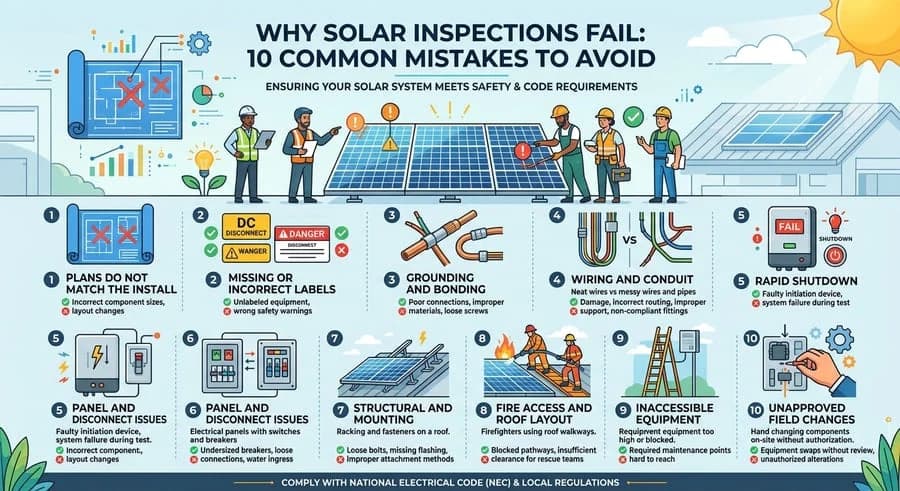
Why Solar Inspections Fail: 10 Common Mistakes to Avoid
Discover the 9 critical reasons solar inspections fail and how to avoid costly m...
Solar Grounding And Bonding: How To Pass Inspection Every Time
Learn how to pass solar grounding and bonding inspections every time. Avoid comm...
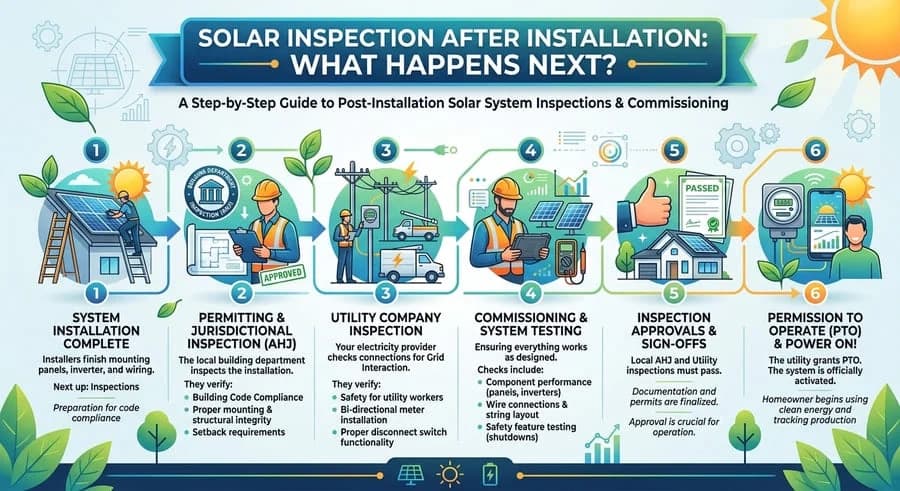
Solar Inspection After Installation: What Happens Next?
Learn how to pass your solar inspection by following essential tips for obtainin...