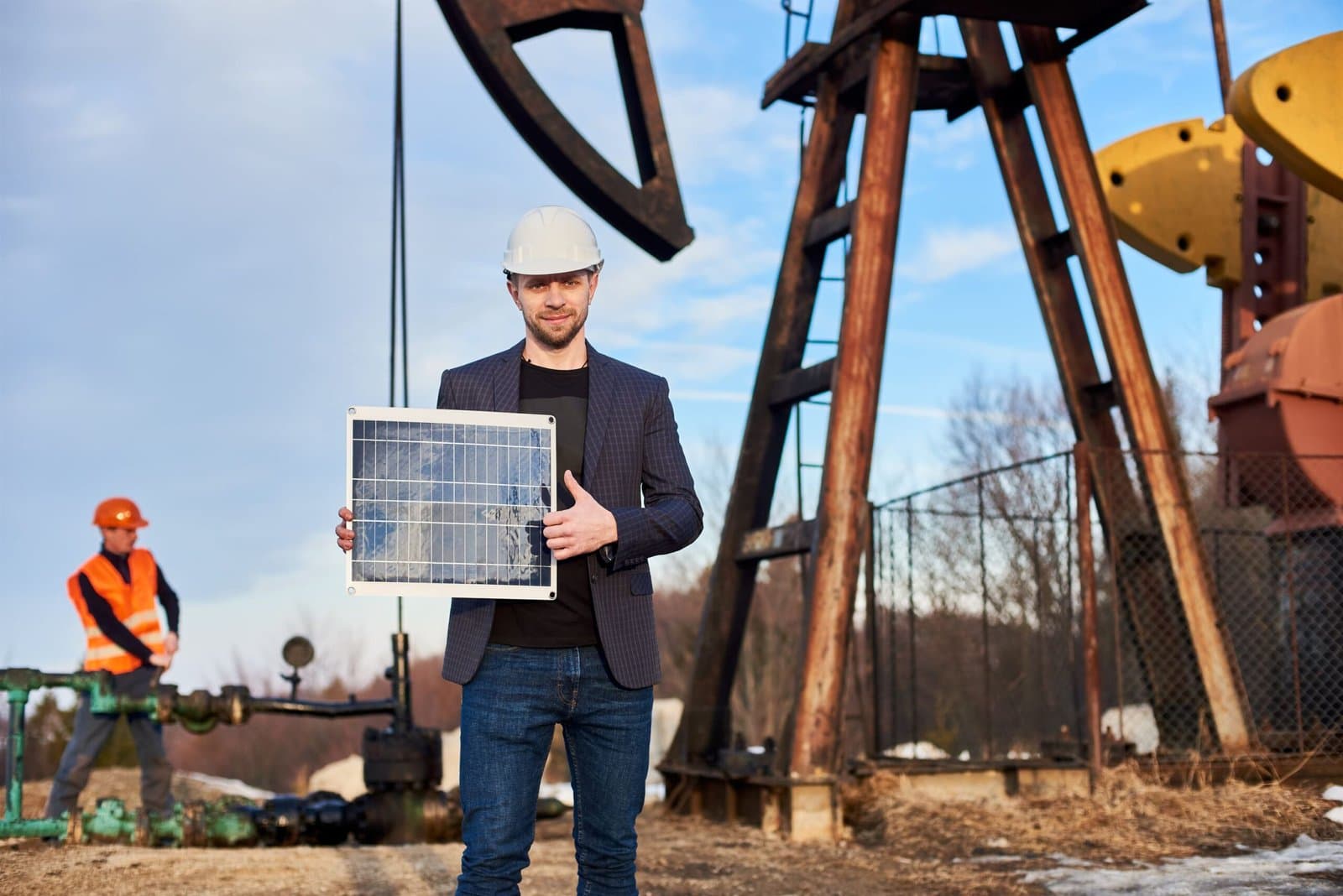
Large-scale solar farm permitting requires obtaining multiple federal, state, and local approvals before construction can begin, typically taking 6 to 24 months depending on project size and location. The permitting process involves coordinating with regulatory agencies, utility companies, and planning departments to secure building permits, electrical permits, environmental approvals, and grid interconnection agreements.
Projects generating megawatt-level electricity require 5 to 10 acres of land per megawatt, triggering environmental reviews and detailed documentation. Unlike residential rooftop solar installations, utility-scale developments face costs ranging from $50,000 to $500,000 or more, including application fees, environmental studies, and legal services. Actual costs vary significantly based on project size, location, and regulatory requirements. Common permit denials stem from incomplete documentation, environmental concerns, community opposition, and zoning conflicts.
Working with experienced solar design professionals and understanding AHJ requirements improves approval success. This guide covers federal, state, and local permitting requirements, documentation needs, timeline expectations, cost breakdowns, and strategies for navigating the approval process efficiently.
Understanding Solar Farm Permitting Requirements
Large-scale solar farm permitting differs significantly from smaller residential and commercial installations due to project scale, grid impact, and environmental considerations. Projects generating megawatt-level electricity require coordination across multiple regulatory bodies, each with distinct approval criteria and timelines.
Federal Permitting Requirements
Federal permits apply when solar farms involve federal land, protected species, wetlands, or projects requiring federal funding. The National Environmental Policy Act (NEPA) mandates environmental assessments for projects with federal involvement, examining impacts on wildlife, water resources, and cultural sites.
Key federal permits include:
Environmental Assessments: Projects must conduct environmental impact studies when affecting federally protected resources. The Environmental Protection Agency provides pre-screening guidance for developers to identify potential environmental concerns early in the planning process.
Endangered Species Act Compliance: Developers must consult with the U.S. Fish and Wildlife Service when projects potentially affect threatened or endangered species. Habitat assessments and mitigation plans may be required before permit approval.
Army Corps of Engineers Permits: Projects affecting wetlands, waterways, or requiring dredge and fill activities need Section 404 permits under the Clean Water Act. Wetland delineation studies and mitigation plans support permit applications.
Federal Aviation Administration (FAA) Review: Solar installations near airports require FAA review to ensure no interference with aviation operations or radar systems.
State-Level Permitting Requirements
State regulations vary significantly by location, with some states offering streamlined permitting for renewable energy projects while others maintain more rigorous review processes. Most states require state environmental review, utility commission approval, and compliance with state building codes.
State permits typically include:
State Environmental Reviews: Many states conduct independent environmental assessments beyond federal NEPA requirements. These reviews examine local environmental impacts, including effects on state-protected species, water resources, and air quality.
Public Utility Commission Approval: Large-scale solar projects connecting to the electrical grid must obtain approval from state utility commissions. These agencies review project plans, interconnection agreements, and ensure compliance with state energy regulations.
State Building Permits: Some states require state-level building permits for large solar installations in addition to local permits. These permits verify compliance with state building codes, electrical standards, and safety requirements.
Water Rights and Use Permits: Solar farms requiring water for panel cleaning or concentrated solar power operations may need water use permits from state environmental agencies.
Developers should consult state-specific permitting guides early in project planning to understand jurisdiction requirements and documentation needs.
Local Permitting and Zoning Approval
Local governments exercise significant control over solar farm development through zoning ordinances, land use regulations, and building permits. Counties and municipalities establish specific requirements for solar panel installation within their jurisdictions.
Local permitting requirements include:
Zoning Compliance: Solar farms must comply with local zoning regulations governing agricultural, industrial, or renewable energy zones. Some jurisdictions have established specific solar overlay zones with tailored requirements.
Conditional Use Permits: Many localities require conditional use permits (CUPs) for large-scale solar installations, involving public hearings and community input. These permits often include conditions regarding setbacks, screening, decommissioning plans, and operational requirements.
Building Permits: Local building departments issue construction permits after reviewing structural plans, electrical designs, and safety systems. Permits verify compliance with local building codes and International Building Code (IBC) standards.
Electrical Permits: Separate electrical permits cover the installation of inverters, transformers, and electrical infrastructure. Local electrical inspectors verify compliance with the National Electrical Code (NEC) and local amendments.
Understanding local permit requirements prevents delays and ensures projects meet community standards.

Site Selection and Land Use Considerations
Proper site selection significantly impacts permitting success and project timelines. Land requirements vary based on solar technology, topography, and local setback requirements, typically ranging from 5-10 acres per MW of installed capacity.
Environmental Impact Assessments
Environmental reviews examine potential impacts on wildlife, vegetation, water resources, and protected habitats. Comprehensive environmental assessments address:
Wildlife and Habitat Studies: Baseline studies document existing wildlife populations, migration patterns, and critical habitats. Developers must implement sustainability measures to minimize impacts on local ecosystems.
Soil and Erosion Analysis: Geotechnical studies assess soil conditions, drainage patterns, and erosion risks. Stormwater management plans demonstrate compliance with erosion control requirements.
Visual Impact Studies: Assessments evaluate visual impacts on surrounding properties and scenic resources. Screening vegetation, strategic placement, and color selection can address aesthetic concerns.
Cultural and Archaeological Surveys: Projects must identify and protect historical sites, archaeological resources, and culturally significant areas. State historic preservation offices review potential impacts on cultural resources.
Grid Interconnection Requirements
Connecting commercial solar systems to utility grids requires detailed interconnection studies and agreements. The interconnection process involves:
Interconnection Applications: Developers submit interconnection requests to utility companies, including project details, capacity, and proposed connection points. Utilities conduct feasibility studies to assess grid connection infrastructure requirements.
System Impact Studies: These studies analyze how solar generation affects grid stability, power quality, and transmission capacity. Studies identify necessary grid upgrades and associated costs.
Interconnection Agreements: Formal agreements establish terms for grid connection, including technical requirements, cost allocation, and operational procedures. Agreements specify responsibilities for ongoing maintenance and system monitoring.
Transmission Upgrades: Large solar farms may require substation upgrades, new transmission lines, or enhanced grid stability infrastructure. Developers typically fund a portion of upgrade costs.
Navigating the Permitting Process
Successfully navigating solar farm permitting requires strategic planning, complete documentation, and proactive communication with regulatory agencies. Understanding common challenges and approval timelines helps developers maintain project schedules.
Step-by-Step Permitting Timeline
The typical permitting process follows these stages:
Pre-Application Phase (2-4 months): Conduct site assessments, environmental studies, and community outreach. Identify all required permits and engage with regulatory agencies to understand requirements.
Application Preparation (2-3 months): Compile documentation, engineering plans, environmental studies, and supporting materials. Submit complete applications to all relevant agencies simultaneously when possible.
Agency Review (3-9 months): Regulatory agencies review applications, request additional information, and conduct independent assessments. Response times vary significantly by jurisdiction and application completeness.
Public Comment Period (1-2 months): Many permits require public notice and comment periods. Address community concerns and modify plans as needed to gain local support.
Final Approval (1-3 months): Agencies issue final decisions after addressing all concerns. Some permits include conditions requiring specific operational measures or monitoring.
Common Permit Denial Reasons
Understanding frequent permit denial causes helps developers avoid common design mistakes and application deficiencies:
Incomplete Documentation: Missing studies, inadequate plans, or insufficient technical details lead to application rejections. Submit comprehensive documentation addressing all permit requirements upfront.
Environmental Concerns: Unaddressed impacts on protected species, wetlands, or sensitive habitats result in permit denials. Conduct thorough environmental assessments and propose robust mitigation measures.
Community Opposition: Strong local opposition, particularly regarding visual impacts, property values, or land use changes, can derail projects. Early community engagement and responsive project design address concerns before formal applications.
Grid Capacity Issues: Insufficient transmission capacity or grid stability concerns prevent interconnection approval. Work closely with utilities to identify necessary upgrades and feasible connection points.
Zoning Conflicts: Projects incompatible with local zoning ordinances face approval challenges. Seek zoning variances or conditional use permits when necessary.
Documentation Requirements
Complete permit applications require extensive documentation demonstrating project viability and regulatory compliance:
Engineering Plans: Detailed site plans, electrical one-line diagrams, structural drawings, and equipment specifications. Plans must comply with applicable codes and standards.
Environmental Studies: Baseline environmental assessments, wildlife surveys, wetland delineations, and impact mitigation plans.
Financial Documentation: Proof of project financing, decommissioning bonds, and financial capacity to complete construction and meet ongoing obligations.
Operational Plans: Maintenance procedures, emergency response plans, and decommissioning strategies for end-of-life facility removal.
Community Engagement Records: Documentation of public meetings, stakeholder outreach, and responses to community concerns.
Solar Permit Solutions
Skip the Permit Headaches
We design plan sets that pass inspection the first time. Code-compliant, PE-stamped, accepted by AHJs nationwide.
State-Specific Permitting Considerations
Permitting requirements vary significantly across states, with some jurisdictions offering streamlined processes for renewable energy projects. Developers must understand state-specific regulations and leverage available resources.
Regional Permitting Variations
Different regions approach solar permitting with varying priorities and processes. Western states often emphasize water use and desert ecosystem protection, while eastern states focus on forest preservation and agricultural land impacts. Southern states may prioritize hurricane resilience and flood zone compliance.
State energy offices and environmental agencies provide jurisdiction-specific guidance on permit requirements, timelines, and application procedures. Many states maintain online permit tracking systems and offer technical assistance to renewable energy developers.
Expedited Permitting Programs
Several states have implemented expedited permitting for renewable energy projects to support clean energy development goals. These programs may offer:
Streamlined Review Processes: Consolidated permit applications, coordinated agency reviews, and shortened timelines for qualifying projects.
Technical Assistance: State support for navigating permitting requirements, including pre-application meetings and regulatory guidance.
Online Permitting Portals: Digital submission systems that track application status and facilitate communication with regulatory agencies.
Developers should investigate whether utility scale projects qualify for expedited review programs in their target jurisdictions.

Costs and Timeline Expectations
Permitting costs and timelines vary based on project size, location, and regulatory complexity. Understanding typical expenses and duration helps developers budget appropriately and set realistic project schedules.
Permitting Cost Breakdown
Total permitting costs for utility-scale solar farms typically range from $50,000 to $500,000 or more, depending on project scope. Note: Cost estimates vary significantly by project size, location, regulatory complexity, and market conditions. Developers should consult with local professionals and authorities for project-specific cost projections.
Application Fees: Government agencies charge permit application fees based on project capacity or valuation. Fees range from a few thousand to tens of thousands of dollars.
Study Costs: Environmental assessments, geotechnical studies, and interconnection studies cost $20,000 to $200,000 or more depending on complexity.
Legal and Consulting Fees: Professional services for permit preparation, regulatory navigation, and legal compliance add $30,000 to $150,000 to project costs.
Mitigation Costs: Required environmental mitigation, habitat restoration, or infrastructure upgrades can significantly increase permitting expenses.
Timeline Variables
Permitting duration depends on multiple factors:
Project Scale: Larger projects require more extensive reviews and longer approval processes. Projects under 5 MW may receive permits in 6-12 months, while larger developments often need 18-24 months.
Jurisdiction Efficiency: Some states and localities process permits quickly, while others face backlogs and extended review periods.
Application Completeness: Complete, well-prepared applications advance faster than incomplete submissions requiring multiple rounds of review.
Public Engagement: Projects with strong community support and minimal opposition progress more smoothly than controversial developments.
Best Practices for Successful Permitting
Experienced developers employ proven strategies to navigate permitting efficiently and secure approvals:
Early Stakeholder Engagement
Begin engaging with regulatory agencies, utilities, and community stakeholders early in project planning. Pre-application meetings with permit authorities clarify requirements and identify potential concerns before formal submissions.
Community outreach builds support and addresses concerns proactively. Host public meetings, create project websites, and maintain open communication with neighbors and local organizations. Addressing concerns about solar farms early prevents opposition during formal permit reviews.
Comprehensive Documentation
Submit complete, professional permit applications addressing all regulatory requirements. Include detailed engineering plans, thorough environmental studies, and clear responses to anticipated questions.
Work with qualified professionals experienced in solar permitting to prepare applications. Incomplete or poorly prepared submissions face delays and potential denials.
Flexibility and Responsiveness
Remain flexible and responsive to agency feedback and community concerns. Modify project designs when necessary to address legitimate issues while maintaining project viability.
Quick responses to agency information requests keep reviews moving forward. Extended response times allow permit reviews to stall and create additional delays.
Strategic Site Selection
Choose sites that minimize permitting challenges. Avoid environmentally sensitive areas, respect land use concerns, and select locations with adequate grid infrastructure. Previously disturbed sites, such as brownfields or former industrial properties, often face fewer permitting obstacles.
Consider implementing sustainability practices like dual-use agriculture, pollinator habitats, and wildlife-friendly design to strengthen permit applications and gain community support.
Professional Project Management
Maintain detailed project schedules tracking all permit submissions, review milestones, and approval deadlines. Coordinate activities across multiple regulatory processes to prevent delays in one area from affecting overall timelines.
Consider hiring permitting specialists or consultants familiar with target jurisdictions. Local expertise accelerates approvals and helps avoid jurisdiction-specific pitfalls.
Compliance and Ongoing Requirements
Permit approval marks the beginning, not the end, of regulatory compliance. Large-scale solar farms face ongoing monitoring, reporting, and compliance obligations throughout project operations.
Construction Compliance
During construction, developers must comply with permit conditions and maintain required approvals:
Inspections: Building officials, electrical inspectors, and environmental monitors conduct periodic inspections verifying compliance with approved plans and permit conditions.
Environmental Monitoring: Construction activities must follow approved erosion control plans, storm water management procedures, and environmental protection measures.
Documentation: Maintain detailed construction records, inspection reports, and compliance certifications for regulatory review.
Operational Compliance
Operating solar farms must meet ongoing permit conditions:
Regular Reporting: Many permits require periodic reports on facility operations, environmental impacts, and compliance with permit conditions.
Maintenance Standards: Facilities must maintain equipment, infrastructure, and site conditions consistent with approved plans and permit requirements.
Adaptive Management: Address any unforeseen environmental impacts or operational issues through adaptive management consistent with permit conditions.
Modifications and Amendments
Project modifications may require permit amendments. Significant changes to capacity, equipment, or site layout typically need regulatory approval before implementation. Consult with permit authorities before making substantial modifications.
Conclusion
Successfully permitting large-scale solar farms requires comprehensive planning, thorough documentation, and strategic engagement with regulatory agencies and communities. Understanding federal, state, and local requirements helps developers navigate complex approval processes and avoid costly delays.
The permitting process, while time-consuming and resource-intensive, ensures solar projects meet environmental standards, integrate safely with electrical grids, and gain community acceptance. Developers who invest in quality permit applications, maintain open communication with stakeholders, and respond flexibly to legitimate concerns consistently achieve approval success.
Working with experienced professionals familiar with solar installations and jurisdiction-specific requirements significantly improves permitting outcomes. As solar energy continues expanding, efficient permitting processes become increasingly important for meeting renewable energy goals while protecting environmental resources and community interests.
FAQs
Skip the Permit Headaches
We design plan sets that pass inspection the first time. Code-compliant, PE-stamped, accepted by AHJs nationwide.
Frequently Asked Questions
Large-scale solar farms require multiple permits including federal environmental permits (when applicable), state utility commission approval, local zoning and building permits, electrical permits, and grid interconnection agreements. Specific requirements vary by location, project size, and site characteristics. Environmental impact assessments, wildlife studies, and cultural resource surveys often accompany permit applications. The complete permitting process involves coordination across federal, state, and local agencies.
Solar farm permitting typically takes 6 to 24 months depending on project scale, location, and regulatory complexity. Smaller projects in jurisdictions with streamlined processes may receive approvals in 6-12 months, while large developments in areas with extensive environmental reviews often require 18-24 months or longer. Timeline factors include application completeness, agency workload, public comment periods, and environmental assessment complexity. Early stakeholder engagement and complete documentation accelerate approval timelines.
Common permit denial reasons include incomplete documentation, inadequate environmental impact assessments, unaddressed wildlife or habitat concerns, strong community opposition, zoning conflicts, and insufficient grid capacity. Projects affecting protected species, wetlands, or culturally significant areas face additional scrutiny. Thorough environmental studies, comprehensive mitigation plans, early community engagement, and complete technical documentation significantly reduce denial risks and support approval success.
Total permitting costs for utility-scale solar farms typically range from $50,000 to $500,000 or more, depending on project size and complexity. Major cost components include application fees ($5,000-$50,000), environmental studies and assessments ($20,000-$200,000), legal and consulting services ($30,000-$150,000), and potential mitigation or infrastructure upgrade costs. Larger projects and sites with environmental sensitivities generally incur higher permitting expenses. Budget adequate resources for thorough permit preparation.
Most jurisdictions require solar farms to comply with local zoning ordinances or obtain conditional use permits. Some localities have established specific solar overlay zones with tailored requirements, while others require zoning variances for agricultural or industrial zones. Conditional use permits often involve public hearings where community members can comment on proposed projects. Zoning requirements may specify setbacks, height restrictions, screening requirements, and decommissioning obligations.
Required environmental studies typically include wildlife and habitat assessments, threatened and endangered species surveys, wetland delineations, cultural and archaeological surveys, visual impact assessments, and soil and erosion analysis. Depending on site characteristics, projects may need additional studies covering water resources, air quality, noise impacts, and tracking systems effects. Study scope depends on site location, potential environmental impacts, and regulatory requirements. Comprehensive baseline studies support permit applications and demonstrate environmental responsibility.
Grid interconnection begins with submitting interconnection applications to utility companies, including project details and proposed connection points. Utilities conduct feasibility studies examining grid capacity and technical requirements. System impact studies analyze effects on grid support functions and identify necessary upgrades. Developers negotiate interconnection agreements establishing connection terms, cost allocation, and operational requirements. The process typically requires 6-18 months and may involve significant infrastructure upgrades. Understanding insurance and liability considerations throughout the interconnection process protects project investments and ensures electrical grid reliability during operations.
SPS Editorial Team
Solar Permit Solutions
Solar Permit Solutions provides professional solar permit design services for residential, commercial, and off-grid installations across all 50 states. Our team ensures permit-ready plan sets delivered fast.
Related Articles
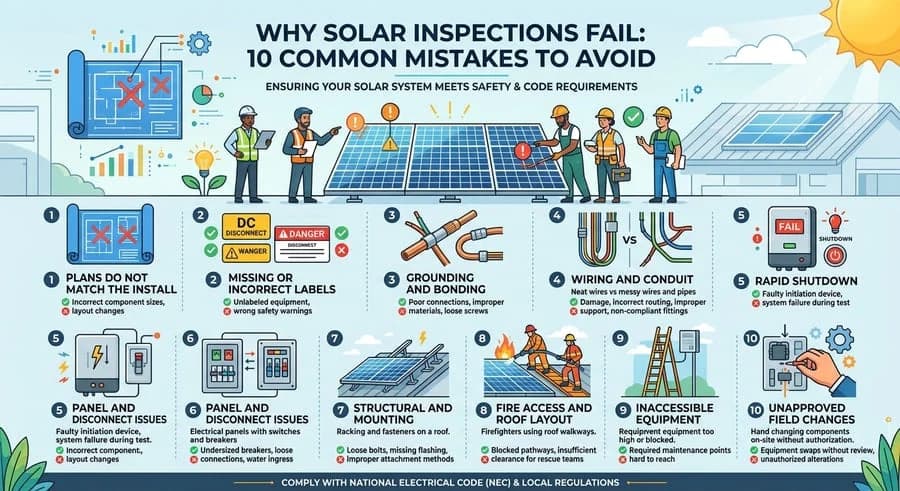
Why Solar Inspections Fail: 10 Common Mistakes to Avoid
Discover the 9 critical reasons solar inspections fail and how to avoid costly m...
Solar Grounding And Bonding: How To Pass Inspection Every Time
Learn how to pass solar grounding and bonding inspections every time. Avoid comm...
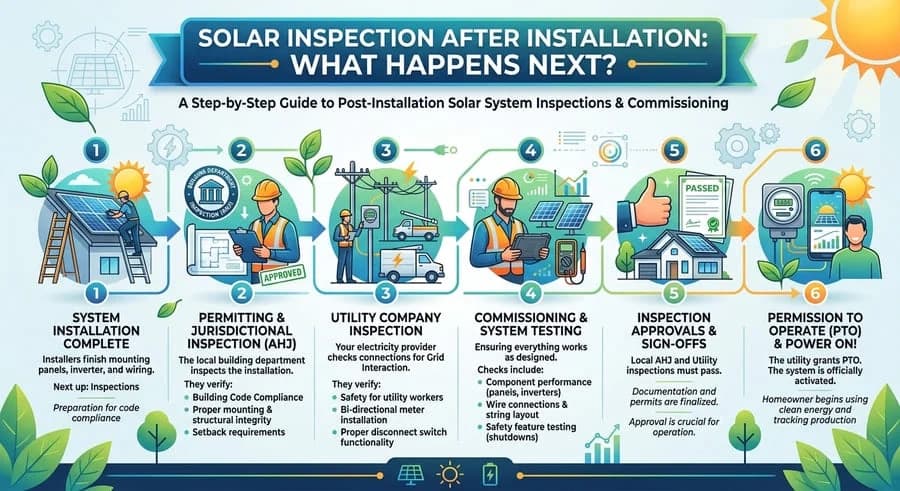
Solar Inspection After Installation: What Happens Next?
Learn how to pass your solar inspection by following essential tips for obtainin...