
Solar panel system expansion is possible through three primary methods: installing a separate system with an independent inverter, connecting additional panels to the existing inverter, or upgrading to a higher-capacity inverter while adding panels. Homeowners typically expand their solar arrays when energy consumption increases by 20-30% due to home additions, electric vehicle purchases, or growing household needs.
Before expanding a solar system, property owners must verify available roof space with adequate sunlight, confirm inverter capacity (typically 80-125% of panel capacity), check warranty and incentive program terms, and obtain necessary permits. Most expansions cost between $2-3 per watt and require 2-8 weeks for completion depending on complexity, making professional design services essential for optimal results.
This guide explores three effective methods for solar system expansion and essential considerations for the process.
Strategic Approaches For Solar System Upgrades
Clear communication with qualified installers proves crucial for avoiding potential complications during system expansion. Each situation presents unique requirements based on property specifications, financial considerations, and energy demands. Understanding system sizing fundamentals helps determine the most appropriate expansion approach. The following three approaches offer viable solutions for expanding existing solar installations:
1. Deploy A Secondary Independent Solar Array
For substantial system expansions, establishing an entirely new solar array with its own inverter often provides the most straightforward solution. This approach offers flexibility in placement options and preserves existing warranties and incentive programs without interference. Off-grid system designs can complement existing grid-tied installations effectively.
When rooftop space becomes limited, this method accommodates ground-mounted installations or solar tracking systems effectively. However, installers typically need to secure additional permits and approvals from local authorities and utility providers for ground-mounted or expanded rooftop configurations. Understanding AHJ requirements streamlines the approval process significantly.
2. Connect Additional Panels To Your Existing Setup
When adequate roof space exists adjacent to current panels and the existing inverter possesses sufficient capacity, direct system expansion becomes possible. The current inverter must accommodate the increased energy production from additional panels for this approach to succeed. Proper wire sizing calculations ensure safe and efficient connections.
Working with the original installation company provides optimal results, as they possess comprehensive knowledge of the existing system and can maintain warranty validity. Compatibility between new equipment and existing components remains essential. Professional installers can address specific compatibility questions and concerns while following rooftop installation guidelines.
3. System Enhancement Through Inverter Replacement
When the current inverter lacks capacity for system expansion and maintaining a single inverter setup remains preferable, replacing the existing unit with a higher-capacity model becomes necessary. Understanding electrical fundamentals helps evaluate upgrade requirements accurately.
Note that inverter replacement before incentive program completion may result in removal from original programs and enrollment in current offerings. Thorough discussion with solar design experts ensures program compliance and security. The grid-tie system design process requires careful consideration of utility interconnection standards.

Essential Considerations Before Upgrading Solar Capacity
Roof Space And Sunlight Access Requirements
Rooftop expansions require careful assessment of available space for accommodating additional panels. Beyond physical space requirements, these areas must receive adequate sunlight exposure for optimal performance. The rooftop development handbook provides comprehensive guidance on space optimization strategies.
Analyzing Your Household Energy Demands
While system expansion can reduce costs and increase energy independence, confirming actual necessity remains important. Evaluating household energy usage patterns and eliminating wasteful consumption helps maximize efficiency, potentially eliminating expansion requirements. Learning about solar energy basics aids in understanding consumption patterns.
Calculating Your Power Generation Needs
Accurate assessment of additional panel requirements ensures both current and future energy needs receive proper consideration. Collaboration with solar professionals helps determine appropriate production capacity increases based on specific energy objectives. Commercial installations often require more detailed load analysis than residential projects.
Maintaining Your Solar Financial Benefits
Financial incentives represent significant advantages of solar adoption. Maintaining eligibility for these programs requires careful consideration of how expansion affects participation status. Understanding system costs helps evaluate expansion economics effectively.
Programs like Solar Renewable Energy Certificates and similar renewable energy initiatives often feature ten-year commitment periods for full benefit realization. These programs monitor production increases and may terminate participation for unauthorized expansions. Solar planning resources provide state-specific incentive information.
Work With Solar Permit Solutions For Your Expansion Project
Given the numerous considerations involved in solar expansion, partnering with Solar Permit Solutions ensures your project proceeds smoothly from design through installation. Our team specializes in navigating complex expansion scenarios while maintaining warranty protection and incentive program eligibility.
Whether you’re considering DIY installation or comparing professional versus DIY options, Solar Permit Solutions provides comprehensive support throughout your expansion journey. Our expertise helps avoid common installation mistakes that could compromise system performance or void warranties.
Ready to expand your solar capacity? Contact us today for a customized expansion strategy tailored to your specific needs and local requirements. Visit our blog for more insights on optimizing your solar investment.
Solar Permit Solutions
Need Solar Permit Plans?
Professional, permit-ready solar plan sets delivered fast. Residential and commercial projects across all 50 states.
Conclusion
Expanding a home solar array represents a significant decision that requires careful planning and professional expertise. Whether choosing to install a completely independent system, integrate panels with existing infrastructure, or upgrade the entire inverter configuration, each approach offers distinct advantages for different situations. The design guidelines help ensure optimal system performance.
The success of any solar expansion project depends on thorough evaluation of available space, actual energy requirements, and financial incentive implications. Homeowners who take time to assess their genuine power needs while working closely with experienced installers position themselves for optimal results. Building your own solar system requires understanding these critical factors.
Solar technology continues advancing, making system upgrades more accessible and efficient than ever before. By understanding the available expansion methods and critical considerations outlined above, property owners can make informed decisions that maximize both energy independence and return on investment. The key remains partnering with knowledgeable professionals who can navigate technical requirements, regulatory compliance, and system optimization to deliver lasting value.
FAQs
Need Solar Permit Plans?
Professional, permit-ready solar plan sets delivered fast. Residential and commercial projects across all 50 states.
Frequently Asked Questions
While technically possible, mixing panel brands requires careful consideration of specifications like voltage, current, and power ratings. Different manufacturers produce panels with varying electrical characteristics, and mismatched panels can reduce overall system efficiency. Professional installers can evaluate compatibility and recommend whether mixing brands makes sense for specific expansion projects.
The timeline varies significantly based on expansion complexity and local requirements. Simple additions to existing systems might complete within 2-3 weeks, while new independent systems often require 4-8 weeks. Factors affecting timeline include permit approval processes, equipment availability, weather conditions, and installer scheduling. Initial consultation and system design typically adds another 1-2 weeks before installation begins.
Warranty implications depend heavily on who performs the expansion and what modifications occur. Using the original installer typically preserves warranty coverage, while third-party modifications might void certain protections. Some manufacturers allow expansions without warranty impacts if approved equipment and certified installers complete the work. Always verify warranty terms before proceeding with any system modifications.
Expanded systems often generate surplus energy, particularly during peak sunlight hours. Most utility companies offer net metering programs that credit accounts for excess production fed back to the grid. These credits offset electricity costs during periods of lower solar generation. Some homeowners also consider adding battery storage systems to capture and use excess energy rather than exporting it to the grid.
Standard residential roofs typically support 20-40 pounds per square foot, while solar panels add approximately 2-4 pounds per square foot. Most homes can accommodate additional panels without structural modifications, but older buildings or those with existing damage may require reinforcement. Professional structural assessments determine safe expansion limits and identify any necessary roof improvements before installation.
Single comprehensive upgrades generally offer better value through economies of scale, reduced permitting costs, and streamlined installation processes. Multiple small expansions incur repeated soft costs like permits, design work, and installation labor. However, gradual expansion might suit homeowners with budget constraints or those testing increased capacity needs. Financial analysis considering long-term energy savings helps determine the most economical approach for individual situations.

SPS Editorial Team
Solar Permit Solutions
Solar Permit Solutions provides professional solar permit design services for residential, commercial, and off-grid installations across all 50 states. Our team ensures permit-ready plan sets delivered fast.
Related Articles
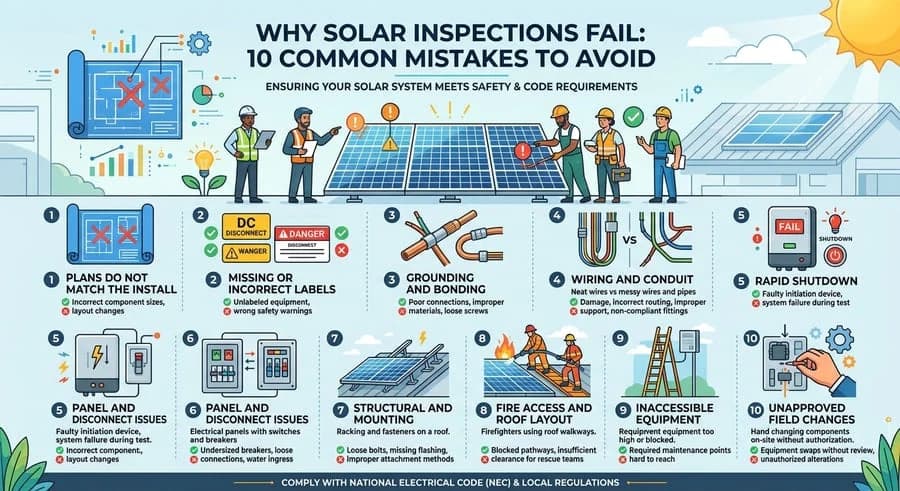
Why Solar Inspections Fail: 10 Common Mistakes to Avoid
Discover the 9 critical reasons solar inspections fail and how to avoid costly m...
Solar Grounding And Bonding: How To Pass Inspection Every Time
Learn how to pass solar grounding and bonding inspections every time. Avoid comm...
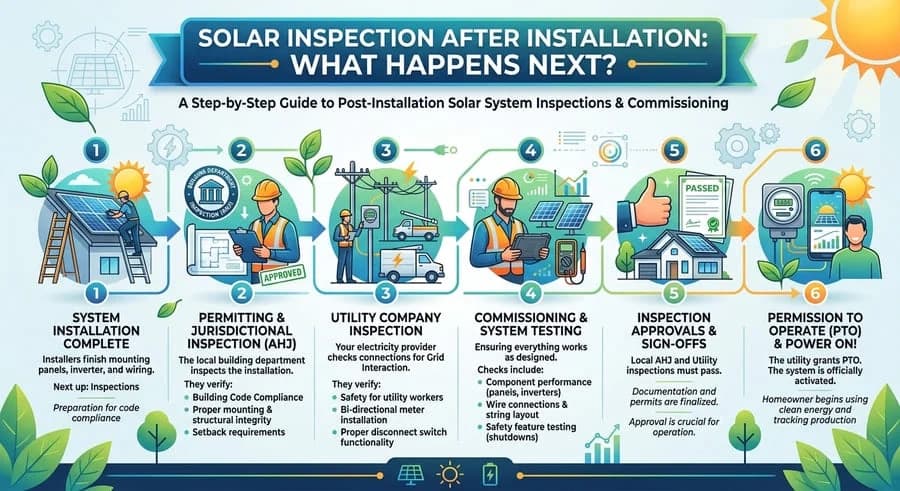
Solar Inspection After Installation: What Happens Next?
Learn how to pass your solar inspection by following essential tips for obtainin...