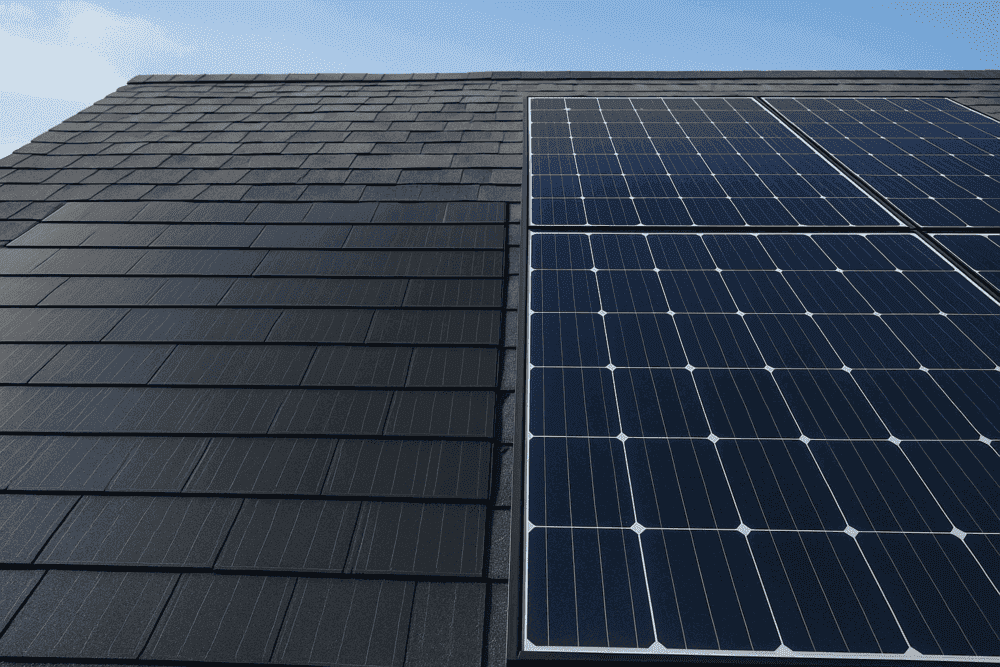
Quick Answer: Solar panels are more efficient (20%+ efficiency) and cost-effective ($20,000-$35,000), making them ideal for homeowners with newer roofs. Solar shingles (14-18% efficiency, $40,000-$70,000) offer superior aesthetics and work best when you need roof replacement, combining two projects into one while qualifying for federal solar tax credits.
Key differences at a glance:
- Efficiency: Solar panels generate 20-22% efficiency vs solar shingles at 14-18%
- Cost: Traditional panels cost 50-100% less per watt than solar shingles
- Installation: Panels mount on existing roofs; shingles require complete roof replacement
- Aesthetics: Shingles integrate seamlessly; panels appear bulky and mounted
- Best for: Panels suit newer roofs and budget-conscious buyers; shingles fit aging roofs and HOA communities
Elon Musk’s 2016 Tesla solar roof introduction brought seamless solar energy concepts into mainstream consciousness. The concept was straightforward: eliminate bulky panel installations by using integrated tiles that mirror traditional roofing while producing clean electricity.
Solar roof shingles (sometimes called solar tiles) remain less widespread than conventional panels, yet the attention they generated spurred significant market innovation. Today’s homeowners typically weigh two primary considerations: visual appeal and optimal long-term financial returns.
Does the refined, integrated appearance of shingles justify their elevated initial investment, or do traditional panels prove superior through their enhanced efficiency?
Here’s a clear comparison to identify the ideal solution for your residence or upcoming project.
What Are Solar Roof Shingles?
Solar roof shingles (alternatively known as photovoltaic shingles) are roofing materials engineered to fulfill dual purposes: producing solar energy and safeguarding your home against weather conditions.
As a Building-Integrated Photovoltaics (BIPV) application, these systems merge traditional roofing functionality with active solar technology. Certain designs completely conceal solar cells for an impeccably clean aesthetic, while alternative versions maintain subtle profiles that integrate more naturally than mounted panels. For homeowners emphasizing curb appeal, solar shingles represent where design authentically meets utility.
How Do Solar Shingles Work?
Operationally, solar shingles and conventional solar panels function nearly identically. Both systems employ photovoltaic cells for converting sunlight into DC electricity, need an inverter to transform that DC power into practical AC power, and work for grid-tied and off-grid installations alike.
The primary distinction lies in their installation approach:
- Solar panels attach over your current or new roof structure.
- Solar shingles substitute the traditional roofing material directly.
This integration indicates that solar shingle installation typically requires complete roof replacement, delivering homeowners with an entirely new roof surface and energy generation system in a single package.
Solar Shingles, Tiles, and BIPV
Solar shingles and solar tiles are fundamentally identical products, with these terms frequently used interchangeably. Both belong within the comprehensive Building-Integrated Photovoltaics category.
The terminology typically reflects the manufacturer’s particular product design (for instance, Tesla employs a “tile” aesthetic, while competitors mimic an asphalt “shingle” appearance). Despite naming variations, the objective remains consistent: producing electricity discreetly while delivering complete roof protection functionality.
Solar Permit Solutions
Need Solar Permit Plans?
Professional, permit-ready solar plan sets delivered fast. Residential and commercial projects across all 50 states.
Solar Shingles vs. Solar Panels: Key Differences
Here is a quick side-by-side comparison of the two photovoltaic technologies.
Key Takeaways
Choose Solar Shingles if:
- Your roof needs replacement anyway
- Aesthetics and curb appeal are top priorities
- You live in an HOA community with strict design guidelines
- You want a permanent, integrated solution
- You have ample roof space to compensate for lower efficiency
Choose solar panels if:
- Your existing roof is in good condition
- Maximum energy production per dollar is your priority
- You have limited roof space but high energy needs
- You want lower upfront costs and faster ROI
- You value flexibility for future system expansion
Both technologies qualify for identical federal tax credits and incentives, making your decision primarily dependent on your roof condition, aesthetic preferences, budget constraints, and long-term energy goals.
Performance Comparison: Efficiency, Aesthetics, and Cost
Efficiency and Performance
Evaluating solar shingles vs. solar panels reveals that conventional panels maintain the efficiency advantage. Standalone panels permit optimal airflow underneath them, maintaining cooler cell temperatures. Cooler cells achieve superior sunlight-to-electricity conversion rates.
- Premium solar panels frequently surpass 20% efficiency.
- Photovoltaic shingles typically deliver between 14% and 18%.
For properties with restricted roof space yet substantial energy requirements, standard panels provide greater energy generation per square foot. According to the National Renewable Energy Laboratory’s solar research, panel efficiency continues improving annually, widening the performance gap. Understanding solar radiation patterns across the United States helps determine which technology maximizes energy production for your location.
Home Aesthetics and Curb Appeal
Visual appeal represents the primary advantage for solar shingles. Their integration is so effective that they preserve your home’s original curb appeal. This stands as a distinct benefit over traditional panels, which appear bulky and obviously mounted.
For homeowners within HOA communities featuring stringent aesthetic requirements, solar shingles frequently represent the sole approved solar option.
Cost and Installation
Cost considerations shift the advantage. Solar panels prove substantially more economical per installed watt.
Solar shingles carry higher upfront expenses because they function as both your energy generator and your new roof. Nevertheless, certain circumstances balance these costs:
- When you require a new roof regardless, replacing an aging roof with solar shingles allows you to consolidate two significant expenses into one project, frequently qualifying the complete installation for federal solar tax credits.
- Panels prove ideal when your roof is relatively new.
Understanding solar permit requirements becomes essential regardless of which technology you choose, as both require proper permitting and approval processes.
Top Solar Shingle Products and Brands
The market provides several established options, generally divided into two categories: integrated (seamless) and interlocking (low profile). However, the solar shingle sector, similar to the wider photovoltaic market, experiences volatility and continuous evolution, encountering obstacles like substantial tariffs that have eliminated some American manufacturers from business.
Based on the current solar shingle market, here are the top products and brands:
Tesla Solar Roof
Tesla’s solar roof tiles remain among the most recognizable BIPV products available. Their glass solar tiles integrate seamlessly with non-solar tiles to create a uniform appearance. Tesla offers multiple tile styles to match different architectural aesthetics, from textured to smooth finishes.
GAF Energy Timberline Solar
GAF Energy’s Timberline Solar shingles represent a true integrated solution designed to blend with traditional asphalt roofing. These shingles install using standard roofing methods and techniques, making them accessible to certified roofing contractors. The Timberline Solar system maintains a low profile while delivering reliable energy production.
CertainTeed Apollo II
CertainTeed’s Apollo II solar shingles provide a building-integrated option that mounts flush with your existing roof surface. These photovoltaic shingles work with standard roofing materials and installation practices, offering compatibility with various roof types and designs.
Luma Solar Roof
Luma Solar produces solar shingles designed for straightforward installation by trained roofing professionals. Their system emphasizes ease of integration with conventional roofing projects while maintaining aesthetic appeal and energy generation capabilities.
RGS Powerhouse 3.0
RGS Energy’s Powerhouse 3.0 shingles install directly onto roof decking, replacing traditional shingles entirely. This BIPV solution provides weather protection while generating solar electricity, with a design that blends naturally with standard roofing materials.
SunTegra Solar Shingles
SunTegra offers solar shingles that integrate with asphalt roofing systems. Their products aim to balance visual integration with practical energy generation, providing homeowners with a middle ground between full solar tile systems and traditional mounted panels.
Market Considerations
The solar shingle industry continues evolving rapidly. Trade policies, including tariffs on imported solar components, have impacted manufacturer viability and product availability. Several manufacturers have exited the market or consolidated operations in recent years.
Before committing to any solar shingle brand, verify current product availability, warranty terms, installer certification requirements, and regional support. Working with experienced solar design and engineering professionals ensures you select products with proven track records and reliable long-term support. NABCEP-certified professionals bring specialized expertise to both residential and commercial installations.
How Much Do Solar Roof Shingles Cost?
Providing a specific “ballpark” figure proves challenging because PV shingle costs depend on multiple variables: roof dimensions, roofline complexity, selected product type, and solar system capacity.
As an illustration, a high-capacity Tesla system may exceed $50,000 before incentives for a typical home and roof size.
Shingles and panels both qualify for federal, state, and local solar incentives and rebates. Nevertheless, because shingles typically deliver lower efficiency, they may generate reduced total electricity over their lifespan, potentially yielding somewhat smaller energy bill savings compared to a fully optimized standard panel system. Residential and community solar programs often provide additional financial support for both technologies.
Pros And Cons Of Solar Roof Shingles vs Panels
Comparing solar shingles vs solar panels reveals that the fundamental distinction centers on aesthetics and installation approach. Solar panels are generally mounted onto an existing roof structure, whereas solar shingles substitute the roof material directly. This positions shingles as a more integrated option, though panels may still deliver superior performance-to-cost value for certain homeowners.
Pros of Solar Shingles
Solar shingles present multiple benefits for homeowners seeking a refined and efficient method to integrate renewable energy into their properties, merging aesthetics, functionality, and long-term financial returns.
- Unmatched Curb Appeal: They integrate seamlessly into roofing structures, making them perfect for properties where conventional panels appear visually unappealing.
- HOA Friendly: Frequently approved within communities enforcing strict aesthetic standards.
- Combines Projects: Reduces expenses and inconvenience by removing the requirement to detach and reinstall panels during future roof replacement projects.
- Long-Term Durability: Numerous options, especially those constructed with metal or durable glass, demonstrate exceptional weather resistance.
Cons of Solar Roof Shingles
Solar roof shingles provide a distinctive alternative to conventional solar panels, integrating seamlessly into roofing for a refined, cohesive appearance. Nevertheless, evaluating solar shingles vs solar panels reveals several limitations worth considering.
- High Initial Cost: Shingles represent newer technology and carry higher price tags than standard panels, particularly when roof replacement isn’t immediately necessary.
- Lower Efficiency: You may require additional square footage of shingles to match the energy generation of fewer standard panels.
- Installation Complexity: Installation requires extended timeframes and specialized contractors, potentially restricting availability and elevating labor expenses. Common design mistakes during installation can lead to permit denials and project delays.
- Limited Capacity Expansion: After installation, system expansion becomes more challenging than simply mounting additional rack-mounted panels.
Understanding proper solar panel racking systems and electrical fundamentals proves essential for successful installations of either technology. Additionally, proper grounding and bonding techniques ensure safe, code-compliant systems.
Solar Shingles vs. Solar Panels: Which Is Best for Your Clients?
Ultimately, determining whether solar shingles suit a home depends on the property owner’s objectives and project budget. As solar roof shingles gain broader adoption, prices may decline, generating more widespread market appeal. The International Energy Agency’s renewable energy reports indicate continued growth in BIPV technology adoption worldwide.
Conclusion
Choosing between solar shingles and solar panels ultimately comes down to your specific priorities, budget, and roofing situation. Solar panels deliver superior efficiency and lower upfront costs, making them the practical choice for homeowners with newer roofs who prioritize maximum energy production and faster return on investment. Conversely, solar shingles excel in aesthetic integration and represent an intelligent solution when your roof requires replacement anyway, allowing you to consolidate two major home improvements into a single project.
Both technologies qualify for identical federal tax credits and incentives, ensuring you benefit from available financial support regardless of your choice. For homeowners in HOA-restricted communities or those prioritizing curb appeal, solar shingles offer an approved pathway to renewable energy that traditional panels cannot match. However, if your primary goal centers on maximizing energy output per dollar invested, conventional solar panels remain the proven, cost-effective option.
As solar shingle technology continues advancing and production scales increase, the cost gap between these systems will likely narrow. REN21’s global status reports track these market trends and technological improvements annually. Until then, evaluate your immediate roofing needs, aesthetic preferences, and long-term energy goals to determine which solution aligns best with your home and financial objectives.
For DIY enthusiasts considering either option, understanding liability and insurance risks becomes crucial before beginning any project. Essential DIY solar resources and comprehensive guides for building your own system provide valuable knowledge for hands-on homeowners. Whether you’re planning a commercial solar installation or residential system, consulting with Solar Permit Solutions ensures you make an informed decision backed by accurate assessments of your property’s unique characteristics and solar potential. Our expertise extends to solar permitting services in major metropolitan areas and beyond.
Additionally, considering end-of-life solar panel regulations and proper disposal methods demonstrates responsible solar ownership, regardless of which technology you choose. Professional guidance from IEEE’s renewable energy experts and streamlined local permitting processes further support successful project completion.
FAQs
Will solar shingles increase my home’s resale value?
Solar shingles typically enhance home resale value similarly to traditional solar panel systems, with studies indicating solar installations can increase property values by 3% to 4% on average. Solar shingles may offer additional appeal to buyers who prioritize aesthetics and seamless design integration, particularly in upscale markets or HOA communities where curb appeal significantly influences property values. The integrated nature of solar shingles means they’re perceived as a permanent home feature rather than an added accessory, potentially attracting buyers seeking modern, energy-efficient homes. However, actual value increase depends on local real estate markets, electricity costs in your region, and buyer preferences regarding renewable energy features.
Need Solar Permit Plans?
Professional, permit-ready solar plan sets delivered fast. Residential and commercial projects across all 50 states.
Frequently Asked Questions
Solar shingles typically last 20 to 30 years, similar to traditional solar panels. However, because solar shingles function as both roofing material and energy generators, their longevity depends on the durability of the roofing component as well. Premium solar shingles made with tempered glass or metal substrates can match or exceed the lifespan of standard asphalt roofing while maintaining energy production throughout their warranty period. Traditional solar panels often carry 25-year performance warranties and can continue operating efficiently for 30 years or longer, though they sit atop roofing that may require replacement before the panels reach end-of-life.
Solar shingles require complete roof replacement because they serve as the actual roofing material rather than mounting on top of existing structures. Unlike traditional solar panels that attach to your current roof, solar shingles replace your existing shingles, tiles, or metal roofing entirely. This installation requirement makes solar shingles most cost-effective when your roof already needs replacement due to age or damage. If your roof remains in good condition with years of life remaining, traditional solar panels represent the more economical choice since they preserve your existing roof investment.
Yes, solar shingles carry significantly higher upfront costs than traditional solar panels, typically costing 50% to 100% more per watt of installed capacity. A complete solar shingle system for an average home can range from $40,000 to $70,000 or more before incentives, while a comparable-capacity traditional panel system might cost $20,000 to $35,000. However, this cost comparison shifts when roof replacement becomes necessary. Since solar shingles eliminate separate roofing costs and the entire installation may qualify for federal solar tax credits, the effective price difference narrows considerably when you factor in avoided roofing expenses.
Solar shingles generate less electricity per square foot than traditional solar panels. Most photovoltaic shingles achieve 14% to 18% efficiency, while premium solar panels regularly exceed 20% efficiency. This performance gap occurs because solar shingles integrate directly into the roof surface with limited airflow, causing cells to operate at higher temperatures that reduce conversion efficiency. For properties with limited roof space and high energy demands, traditional panels deliver superior energy production. However, for homes with ample south-facing roof area, solar shingles can still generate sufficient electricity to meet household needs despite their lower efficiency ratings.
Solar shingles typically enhance home resale value similarly to traditional solar panel systems, with studies indicating solar installations can increase property values by 3% to 4% on average. Solar shingles may offer additional appeal to buyers who prioritize aesthetics and seamless design integration, particularly in upscale markets or HOA communities where curb appeal significantly influences property values. The integrated nature of solar shingles means they're perceived as a permanent home feature rather than an added accessory, potentially attracting buyers seeking modern, energy-efficient homes. However, actual value increase depends on local real estate markets, electricity costs in your region, and buyer preferences regarding renewable energy features.

SPS Editorial Team
Solar Permit Solutions
Solar Permit Solutions provides professional solar permit design services for residential, commercial, and off-grid installations across all 50 states. Our team ensures permit-ready plan sets delivered fast.
Related Articles
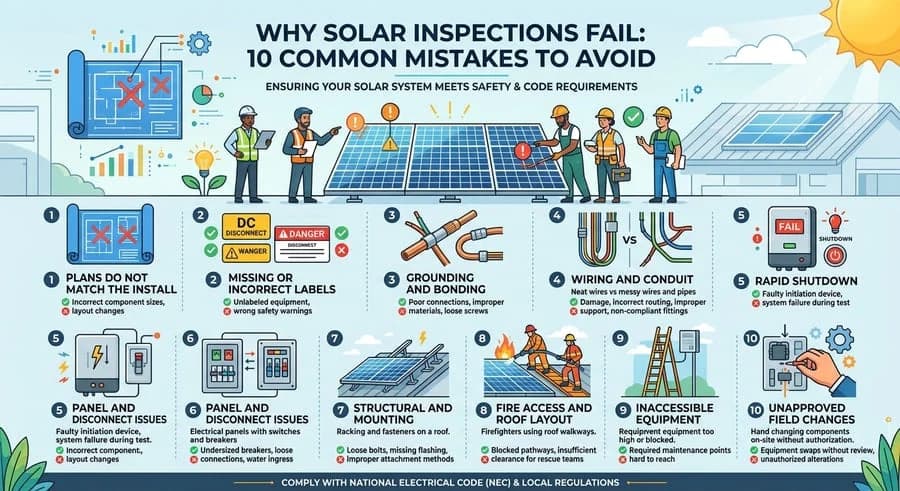
Why Solar Inspections Fail: 10 Common Mistakes to Avoid
Discover the 9 critical reasons solar inspections fail and how to avoid costly m...
Solar Grounding And Bonding: How To Pass Inspection Every Time
Learn how to pass solar grounding and bonding inspections every time. Avoid comm...
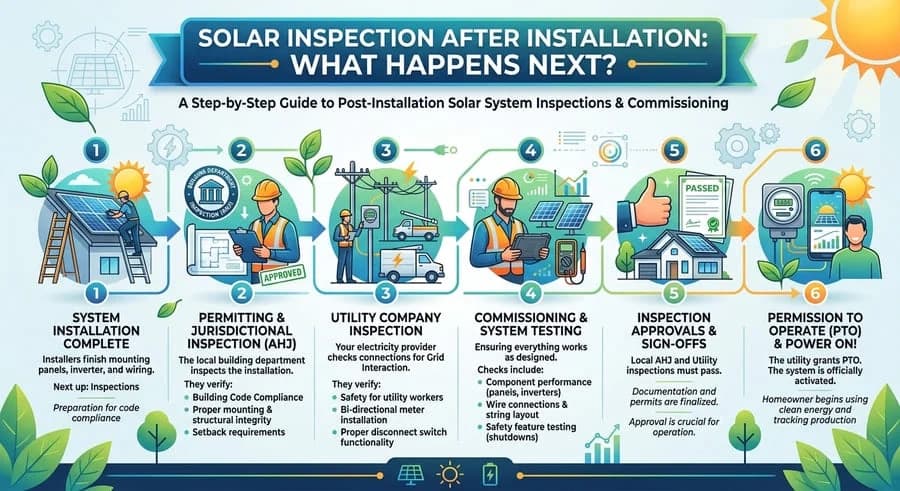
Solar Inspection After Installation: What Happens Next?
Learn how to pass your solar inspection by following essential tips for obtainin...