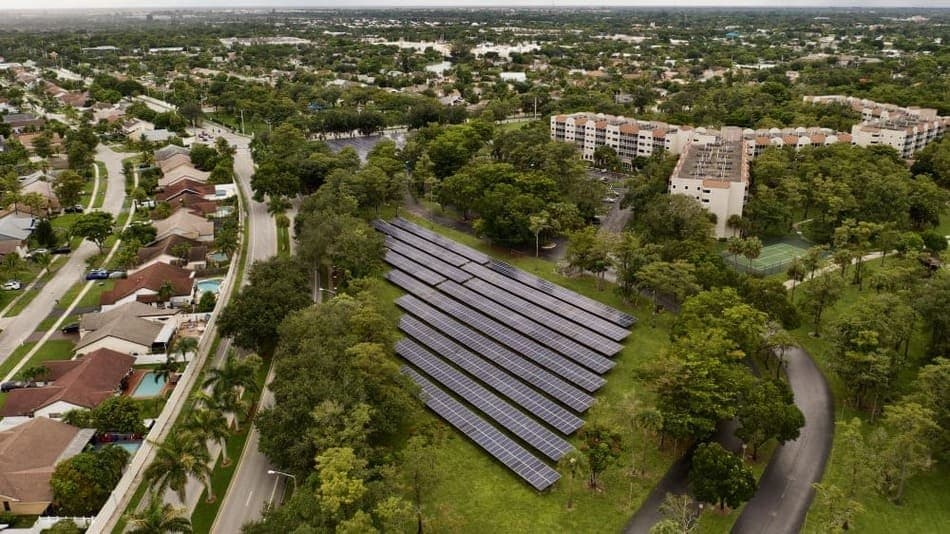
Community solar programs allow renters, homeowners, and businesses to access solar energy savings without installing panels on their property. Subscribers purchase or lease portions of centralized solar installations and receive monthly utility bill credits based on their share’s electricity production, typically saving 5-15% on energy costs with no upfront installation expenses. These shared solar arrangements are available in states like New York, Minnesota, Massachusetts, and Colorado, with eligibility extending to apartment dwellers, small businesses, and anyone with unsuitable roofs or restrictive HOA rules. Programs offer flexible subscription models with transferable benefits when moving within the same utility territory, making community solar an accessible pathway to renewable energy for populations traditionally excluded from rooftop solar adoption.

Understanding Shared Solar Programs
Shared solar programs, also referred to as solar gardens or community renewable projects, consist of centralized photovoltaic installations. Subscribers purchase or lease portions of these facilities and earn utility bill reductions based on their allocated energy production. This arrangement provides virtual panel ownership: subscribers gain solar advantages without physical installation requirements at their residence or commercial location.
Program Mechanics
Participation Models – The majority of initiatives feature subscription frameworks with fixed pricing for project shares. Alternative arrangements permit direct panel ownership in specified quantities.
Utility Credits – Monthly generation from your allocated share gets calculated and applied by your power company as account credits, decreasing your payment obligations. Modern power optimizers and monitoring systems help track production accurately.
Transferable Benefits – Relocating within your utility’s service area? Subscriptions typically remain active and transferable, creating advantages for tenant populations.
Primary Advantages
Roof Independence – Optimal for multi-unit building residents, condominium proprietors, or those with shaded parcels.
Reduced Initial Investment – Eliminates installation and hardware expenditures.
Rate Predictability – Secure lasting cost reductions and protection from escalating electricity prices.
Sustainability Contribution – Advance clean energy development regardless of property solar suitability.
Solar Permit Solutions
Need Solar Permit Plans?
Professional, permit-ready solar plan sets delivered fast. Residential and commercial projects across all 50 states.
Participation Eligibility
Requirements differ across jurisdictions and utilities, though most shared solar programs welcome:
- Tenants and multi-family residents
- Small commercial operators
- Property owners facing roof limitations or restrictive community association regulations
- Government and nonprofit entities
Several jurisdictions, including New York, Minnesota, Massachusetts, and Colorado, maintain established community solar sectors, with additional states experiencing swift program growth.
Regulatory Framework and Financial Support
Shared solar receives backing through state legislation and federal programs. The Inflation Reduction Act (IRA) maintained and enhanced the federal Investment Tax Credit (ITC), benefiting project operators and reducing subscriber expenses. Reference the Database of State Incentives for Renewables & Efficiency (DSIRE) for up-to-date jurisdiction-specific initiatives and financing options.
Enrollment Process
Locate Available Programs – Check your utility provider’s platform or the National Community Solar Partnership directory.
Evaluate Options – Examine subscription pricing, agreement duration, and exit provisions. For those also considering battery storage solutions, understanding LiFePO4 battery pack construction can help you make informed decisions about energy independence.
Clarify Credit Mechanics – Confirm credit application methods and potential seasonal fluctuations.
Industry Implications for Solar Professionals
Shared solar constitutes an expanding commercial sector for renewable energy specialists. Project operators require skilled design professionals, technical engineers, and permitting authorities to expedite deployments and satisfy increasing market demand. Understanding electrical fundamentals and proper grounding techniques ensures projects meet safety standards and regulatory compliance. Many professionals also recommend essential solar energy books for expanding technical knowledge.
Collaborate with Solar Permit Solutions for Shared Solar Projects
Solar Permit Solutions delivers comprehensive solar permitting and engineering support across the United States, assisting operators and contractors with regulatory compliance, jurisdiction-specific requirements, and grid connection procedures. Whether you need help with permit approvals or avoiding common design mistakes, our team ensures your project moves forward efficiently. We work with quality equipment from trusted manufacturers like Eaton electrical panels to ensure reliable system performance.
Reach out to Solar Permit Solutions to optimize your upcoming community solar development and expand clean energy access throughout your service territory.
Conclusion
Community solar programs are transforming how Americans access renewable energy, breaking down traditional barriers that once limited solar adoption to property owners with suitable roofs. Whether you’re a renter in an apartment, a homeowner with shading issues, or a small business owner seeking predictable energy costs, shared solar arrangements provide a practical pathway to clean energy savings without installation requirements or substantial upfront investment.
As state policies continue expanding and federal incentives make these projects more financially viable, community solar represents both an opportunity for consumers to reduce their carbon footprint and a growing market for solar professionals. By understanding subscription models, bill credit mechanics, and local program availability, you can make informed decisions about participation or project development in this rapidly evolving sector.
For solar developers and contractors looking to capitalize on this expansion, partnering with experienced permitting and engineering teams ensures projects meet regulatory requirements and reach completion efficiently. The shared solar movement is creating cleaner communities across America, one subscription at a time.
FAQs
Need Solar Permit Plans?
Professional, permit-ready solar plan sets delivered fast. Residential and commercial projects across all 50 states.
Frequently Asked Questions
Savings typically range from 5% to 15% on your monthly electricity bill, though exact amounts depend on your subscription rate, local utility prices, and your share's energy production. Most programs guarantee savings below your current utility rates, and these reductions remain consistent throughout your contract term. Unlike rooftop solar, you avoid installation costs, maintenance expenses, and equipment replacement, making community solar a low-risk option for predictable energy savings without capital investment.
Most community solar programs allow subscription transfers when you relocate within the same utility service territory, making them ideal for renters and mobile populations. If you move outside the service area, cancellation policies vary by provider. Some charge early termination fees while others permit penalty-free exits with advance notice. Before subscribing, review the contract's relocation and cancellation terms carefully. Some programs even let you transfer your subscription to another eligible participant, providing additional flexibility.
Yes, you continue receiving your regular utility bill, but it includes credits from your community solar subscription. Your utility calculates the electricity generated by your share of the solar project and applies those kilowatt-hours as bill credits, reducing your total amount due. You'll typically see two line items: your standard electricity charges and your community solar credits. You remain a utility customer and still pay for any electricity consumption exceeding your solar credits, plus standard service fees and transmission charges.
Absolutely. Community solar programs welcome commercial subscribers, including small businesses, nonprofits, municipalities, and large organizations. Commercial participation often involves larger subscription shares compared to residential customers, generating proportionally greater bill savings. Many businesses use community solar to meet sustainability goals, reduce operating costs, and demonstrate environmental commitment without rooftop installation challenges. Nonprofits and government entities particularly benefit since they can access renewable energy advantages even when tax incentives for owned systems provide no direct value.
Community solar availability varies significantly by state, with leading markets in New York, Minnesota, Massachusetts, Colorado, Illinois, Maryland, and Maine. However, programs are expanding rapidly as more states adopt enabling legislation. To determine availability in your area, check your utility provider's website, visit the National Community Solar Partnership directory, or search the Database of State Incentives for Renewables & Efficiency (DSIRE). Even if your state lacks established programs currently, legislative efforts may bring community solar options to your region soon as demand for accessible renewable energy continues growing nationwide.
SPS Editorial Team
Solar Permit Solutions
Solar Permit Solutions provides professional solar permit design services for residential, commercial, and off-grid installations across all 50 states. Our team ensures permit-ready plan sets delivered fast.
Related Articles
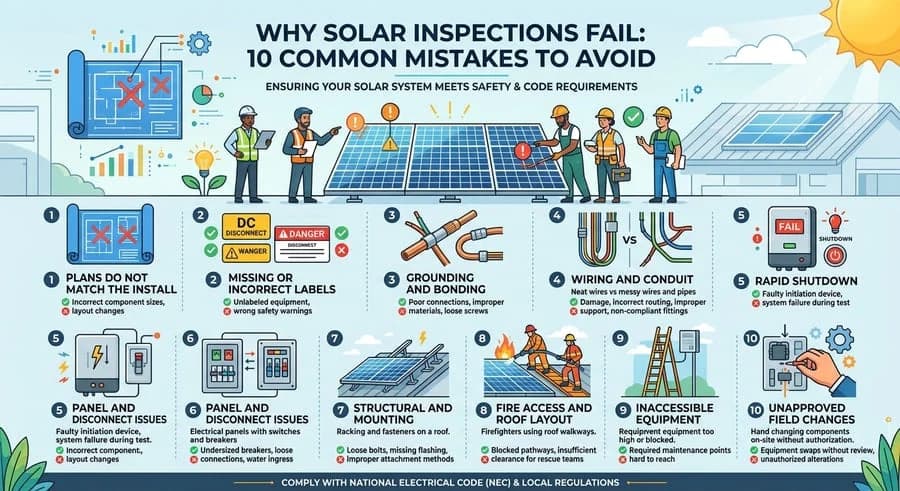
Why Solar Inspections Fail: 10 Common Mistakes to Avoid
Discover the 9 critical reasons solar inspections fail and how to avoid costly m...
Solar Grounding And Bonding: How To Pass Inspection Every Time
Learn how to pass solar grounding and bonding inspections every time. Avoid comm...
Solar Inspection After Installation: What Happens Next?
Learn how to pass your solar inspection by following essential tips for obtainin...