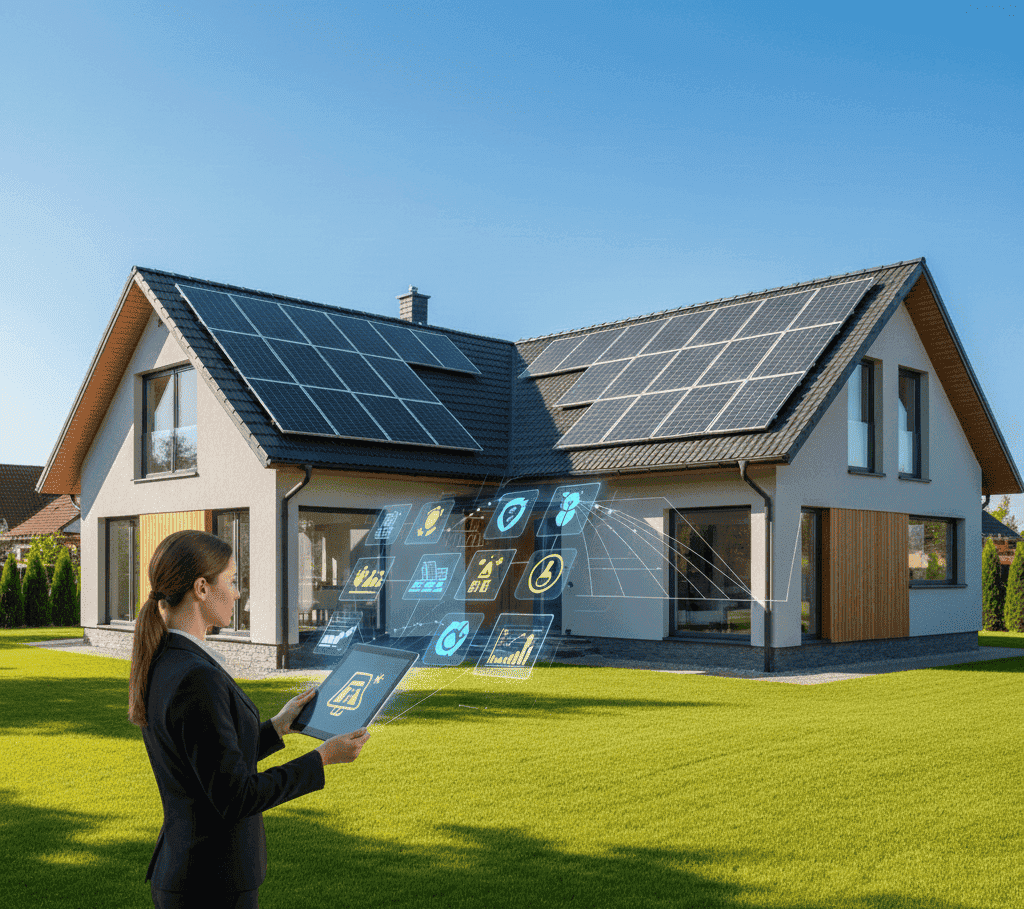
A solar feasibility study is a comprehensive technical and financial evaluation that determines whether installing solar panels is viable for a specific property or project. This assessment typically costs $500-$2,000 for residential projects and $3,000-$100,000+ for commercial or utility-scale installations, taking anywhere from 1-2 weeks to 6 months to complete depending on project complexity.
What a solar feasibility study evaluates: solar irradiance levels, available roof or land area, shading patterns, system orientation, energy consumption data, installation costs, available tax incentives (like the Investment Tax Credit), projected energy savings, payback period, ROI, grid interconnection requirements, zoning regulations, and environmental impact.
Key components included site assessment and solar potential analysis, preliminary equipment recommendations (PV modules, inverters, racking systems, and battery storage), energy production modeling, economic analysis including ITC and state rebates, regulatory compliance review, environmental considerations, and community impact evaluation.
Why it’s important: A solar feasibility report identifies potential roadblocks early, such as interconnection limitations, zoning restrictions, structural issues, or shading problems, before they become costly delays. Projects without proper feasibility studies face higher risks of budget overruns, permitting delays, and technical setbacks.
Who needs one: Homeowners considering rooftop solar, businesses planning commercial arrays, developers evaluating utility-scale solar farms, and even off-grid solar projects benefit from feasibility analysis to ensure the system meets energy needs and financial goals.
What Is a Solar Feasibility Study?
Evaluating the viability of a solar energy project requires a thorough assessment before breaking ground. A solar feasibility study serves as this critical initial evaluation, examining whether a solar installation makes sense from technical and economic perspectives. From residential rooftop installations to commercial arrays and utility-scale developments, a comprehensive solar panel feasibility study, or feasibility study for solar power plant, determines if moving forward with the project is justified. These assessments uncover potential obstacles during the planning phase, preserving valuable time, budget, and resources throughout project execution.
A solar feasibility report analyzes several critical components: the location’s solar generation capacity, electrical grid connectivity, financial incentives, grid connection protocols, battery storage possibilities, and compliance requirements. An effective solar farm feasibility study additionally examines environmental restrictions, funding alternatives, property use challenges, and projected system efficiency over time. According to the National Renewable Energy Laboratory, proper feasibility assessment is essential for maximizing renewable energy system performance.
Understanding Solar Feasibility Studies
A solar feasibility study, or solar panel feasibility report, determines whether implementing a solar energy system represents a viable and economically sound choice for a specific location. This evaluation examines critical technical and location-specific elements, including solar radiation levels, usable rooftop or ground space, shade interference, panel positioning, power usage trends, and municipal codes. These considerations establish whether the system can be effectively engineered and connected to the grid.
The solar power plant feasibility study incorporates economic modeling, accounting for setup expenses, tax credits, anticipated utility savings, investment recovery timeline, and profit margins. Whether applied to residential properties, commercial facilities, or large-scale operations, a properly conducted feasibility study for solar power plant developments delivers transparent information about system compatibility with your objectives. Understanding professional solar panel installation requirements is also crucial during this phase. Fundamentally, it establishes the feasibility of solar energy implementation and whether installation should proceed.

The Value of Solar Feasibility Studies
Performing a solar feasibility report during initial planning stages reduces project risks by revealing complications before they escalate into expensive delays. Challenges such as grid connection restrictions, land use regulations, or spatial limitations can frequently be resolved through proactive planning and engineering adjustments. The Center for Climate and Energy Solutions emphasizes that comprehensive planning is key to successful renewable energy deployment. Without a comprehensive solar panel feasibility study, solar developments encounter elevated risks of cost overages, approval setbacks, or engineering problems, adversely affecting both project developers and solar installation professionals.
Conversely, a successful installation supported by a reliable solar farm feasibility study can elevate a contractor’s professional standing, deepen client relationships, and produce favorable testimonials and business referrals. Precise feasibility documentation represents an essential foundation for delivering optimized, cost-controlled solar systems. Solar Permit Solutions specializes in helping contractors and developers navigate these critical early-stage assessments.
Solar Permit Solutions
Need Solar Permit Plans?
Professional, permit-ready solar plan sets delivered fast. Residential and commercial projects across all 50 states.
Components of a Solar Feasibility Report
A complete solar feasibility study generally starts with location evaluation (where relevant), preliminary equipment identification, and energy output projections. For a standard solar panel feasibility study on a home rooftop, this procedure can be relatively simple. Nevertheless, more intricate projects, such as those involving large residences, industrial properties, or solar farms, demand extensive investigation to address location-specific limitations and financing approaches.
When developing a larger or utility-scale installation, a solar power plant feasibility study typically requires more extensive effort and technical expertise. These documents assess multiple dimensions, including electrical grid integration, regulatory restrictions, and engineering compromises. Professional solar design services can streamline this complex evaluation process. The following sections outline the typical elements contained in a solar feasibility report.
Solar Energy Project Background
Clarifying the project’s intent and targets is fundamental. Whether the objective involves utility cost reduction, lowering greenhouse gas output, or generating revenue through power sales, this framework guides the solar feasibility analysis. For instance, determining whether energy storage is required early in planning influences system architecture and component choices. The International Energy Agency projects continued growth in renewable energy adoption, making strategic planning increasingly important.

Land Suitability Evaluation in a Solar Farm Feasibility Study
When assessing solar potential for a photovoltaic farm, an extensive examination evaluates geographical characteristics, shadow analysis, and ground composition. The objective is verifying that the selected location provides maximum sun exposure during daylight hours, reducing shade impact and optimizing power generation. Elements including terrain gradient and directional orientation are essential factors in establishing solar panel installation efficiency, delivering vital information regarding the solar farm project’s overall viability.
Performing a solar farm feasibility study requires evaluating multiple considerations, including:
Sunlight Exposure: Measure the location’s solar radiation intensity and sunshine duration to confirm adequate energy generation.
Land Suitability for Solar Farm: Examine terrain features, ground quality, and shading characteristics to establish solar panel installation practicality. Resources like Green Building Advisor provide valuable insights on site assessment best practices.
Regulatory Compliance: Review municipal codes and land use restrictions to verify conformity with approval processes and environmental regulations. Understanding solar rapid shutdown compliance is critical for meeting current standards.
Energy Consumption Patterns: Study past electricity usage records to customize the solar farm’s output capacity for effective demand fulfillment.
Economic Viability: Evaluate initial investment, potential returns, and financial programs to determine the project’s fiscal feasibility, which frequently proves essential for securing project financing.
Infrastructure Accessibility: Assess distance to current electrical grid connections, confirming straightforward integration with power distribution systems. When grid integration presents difficulties, project expenses rise, diminishing solar farm feasibility. Learning about solar interconnection options helps clarify connection requirements.
Climate and Weather Conditions: Factor in environmental variables like ambient temperature and rainfall to forecast energy production and system operation precisely.
Solar Technology Selection: Solar feasibility studies typically involve choosing suitable solar equipment, such as photovoltaic panels or concentrated solar power systems, determined by location-specific circumstances. The IEEE Power & Energy Society offers technical standards for renewable energy technology evaluation.
Environmental Impact: Evaluate possible ecological consequences and establish sustainable and environmentally conscious solar farm construction protocols. The EPA’s Green Power Markets program provides guidance on environmental best practices.
Community and Stakeholder Engagement: Include nearby residents and interested parties to acknowledge issues, secure approval, and guarantee beneficial community outcomes.
Grid Connection Capacity: Verify the regional electrical grid’s ability to handle the solar farm’s power output without system overload through utility interconnection. Understanding supply side connections is essential for proper system design.
Solar Permitting Issues: Construction standards, electrical requirements, and zoning barriers can complicate advancing certain developments. Experienced solar professionals excel at navigating permitting and solar engineering obstacles through comprehensive planning and regulatory expertise. Solar permit expediting services can significantly reduce project timelines.
When Are Solar Feasibility Studies Not Necessary?
The majority of installations gain advantages from a solar feasibility analysis to confirm that the planned project achieves the intended outcomes. The thoroughness of the assessment differs based on project magnitude, potential complications, and stakeholder expectations. Even for off-grid solar installations, determining whether the proposed renewable energy system will satisfy the power requirements of users proves beneficial, regardless of conducting a complete analysis. Those interested in DIY solar systems should still conduct basic feasibility assessments.
Solar Site Selection
Site identification forms the foundation of solar energy viability at any location. Elements including solar accessibility, shade interference, distance to utility infrastructure, and terrain characteristics can substantially affect system output and setup costs. A detailed solar farm feasibility study also evaluates whether the property needs vegetation removal, land leveling, or erosion prevention measures.
A solar feasibility report additionally assesses vegetation clearing requirements, which can increase expenses and environmental consequences. Furthermore, the site identification process reveals which regulations will affect approval charges, construction standards, and utility connection mandates. Employing drones for location assessment can enhance the procedure by delivering accurate overhead photography and terrain information, facilitating more precise evaluations of prospective solar locations. The World Bank’s Energy Program highlights the importance of thorough site evaluation for renewable energy projects.
Recommended Solar Energy Equipment
A solar feasibility study provides initial recommendations for photovoltaic (PV) panels, power inverters, mounting structures, and battery systems. These suggestions are influenced by location-specific limitations such as structural weight capacity, building strength, and electricity usage behaviors.
As an example, dual-sided panels may prove optimal for highly reflective environments, and weighted mounting systems might be recommended for level rooftops with structural constraints. Inverter selections also differ depending on whether the installation incorporates battery storage or demands advanced inverter capabilities. Proper wire management and conduit practices are essential considerations during equipment selection.
Environmental And Regulatory Considerations
Solar regulations differ according to construction codes and the Authority Having Jurisdiction (AHJ). Solar farms must adhere to federal and state environmental legislation, including the National Environmental Policy Act (NEPA), the Clean Water Act, and the Endangered Species Act.
A comprehensive solar feasibility study is vital to evaluate environmental elements and regulatory obligations before advancing with a solar development. For installations on sealed landfills, the Environmental Protection Agency (EPA) requires involvement. For solar systems on protected structures, extra limitations may exist to maintain the property’s historical integrity, and the Landmarks Preservation Commission (LPC) may supervise adherence. In areas with a homeowners’ association (HOA), HOA authorization may be mandatory.
A solar feasibility report can identify the environmental footprint and recommend approaches to address any potential concerns, such as establishing drought-resistant native plants to minimize watering demands and create pollinator environments. Moreover, some solar operators are implementing sheep grazing rather than gas-powered equipment to decrease carbon output and maintenance expenses. ENERGY STAR’s home energy solutions offer additional strategies for sustainable energy practices.
Economic Analysis of Solar Projects
A core element of any solar panel feasibility study is the financial evaluation. This encompasses a thorough examination of setup expenses, extended-term savings, and obtainable incentives. A comprehensive solar feasibility analysis will account for the investment tax credit (ITC), accelerated depreciation, MACRS, state-level subsidies, and USDA REAP funding for qualifying enterprises and agricultural operations.
In commercial developments, the examination may also investigate time-based rate savings, peak demand fee reductions, and the conditions of Power Purchase Agreements (PPAs) or alternative ownership arrangements. This economic modeling assists stakeholders in determining whether the venture represents a prudent investment and calculating the payback timeline. Understanding solar three-line diagrams helps visualize system configuration and cost implications.
Community Impact of Solar Installations
A balanced solar feasibility study also evaluates the social and economic implications of the development. Solar farm feasibility studies frequently incorporate assessments of tax advantages for municipal authorities, property rental income for landowners, and employment generation capacity. These systems can assist communities in achieving renewable energy targets and strengthening energy independence. The American Solar Energy Society provides resources on community solar benefits and implementation strategies.
Similarly, removing agricultural land from cultivation or eliminating wildlife environments may trouble certain communities. Some populations are also focused on generating local employment rather than utilizing out-of-state solar installation companies.
Conclusion
A solar feasibility study represents an indispensable investment in your renewable energy journey, providing the strategic insights needed to make informed decisions about solar implementation. Whether you’re considering a residential rooftop system, a commercial installation, or a utility-scale solar farm, conducting a comprehensive feasibility analysis protects your investment by identifying potential challenges and opportunities before significant resources are committed.
The value of a well-executed solar feasibility report extends beyond simple cost-benefit calculations. It encompasses technical assessments, regulatory compliance verification, environmental impact considerations, and community engagement, all critical factors that determine project success. By thoroughly evaluating site conditions, equipment requirements, financial incentives, and grid connectivity early in the planning process, stakeholders can avoid costly delays, optimize system design, and maximize return on investment.
As solar technology continues advancing and renewable energy adoption accelerates, the importance of rigorous feasibility analysis only grows. Projects backed by detailed feasibility studies consistently demonstrate superior performance, stronger financial outcomes, and smoother implementation compared to those that skip this crucial step. Whether you’re a property owner, business operator, or solar professional, investing time and resources into a comprehensive solar feasibility study establishes the foundation for a successful, sustainable solar energy project that delivers value for years to come. For expert guidance on your solar project, explore our blog resources or contact our team today.
FAQs
What’s the difference between a solar feasibility study and a solar proposal from an installer?
A solar feasibility study and an installer’s proposal serve different purposes and provide different levels of analysis. A feasibility study is an independent, comprehensive evaluation conducted before committing to a specific vendor or design approach. It objectively assesses whether solar makes sense for your property, examining multiple technical approaches, equipment options, and financial scenarios without bias toward any particular product or installer. In contrast, a solar proposal from an installer is typically a sales document designed to sell a specific system configuration using their preferred equipment and pricing. While quality installers provide valuable proposals with accurate projections, they generally don’t explore alternative approaches or provide the independent analysis that a feasibility study offers. For large or complex projects, investing in an independent feasibility study before soliciting installer proposals ensures you make decisions based on objective analysis rather than sales motivations.
Need Solar Permit Plans?
Professional, permit-ready solar plan sets delivered fast. Residential and commercial projects across all 50 states.
Frequently Asked Questions
The cost of a solar feasibility study varies significantly based on project size and complexity. For residential rooftop installations, basic feasibility assessments may range from $500 to $2,000 and are sometimes included as part of comprehensive solar design packages. Commercial and industrial projects typically require more extensive analysis, with costs ranging from $3,000 to $15,000. Utility-scale solar farm feasibility studies represent the most substantial investment, often costing $20,000 to $100,000 or more, depending on site complexity, acreage, environmental assessments required, and regulatory considerations. While these upfront costs may seem significant, they represent a small fraction of total project expenses and can prevent far more costly mistakes during installation and operation.
The timeline for completing a solar feasibility study depends on project scope and complexity. Simple residential feasibility assessments can often be completed within one to two weeks, particularly when site conditions are straightforward and data is readily available. Commercial projects typically require three to six weeks to complete a thorough analysis, including site visits, energy consumption evaluation, and financial modeling. Large-scale solar farm feasibility studies are the most time-intensive, often taking two to six months or longer. This extended timeline accounts for comprehensive environmental assessments, topographical surveys, regulatory research, utility interconnection analysis, and stakeholder engagement. Projects requiring drone surveys, soil testing, or specialized environmental studies may require additional time for data collection and analysis.
Yes, you can proceed with a solar installation even if the feasibility study indicates marginal economic returns, but it's essential to understand the trade-offs. Some property owners prioritize environmental benefits, energy independence, or corporate sustainability goals over immediate financial returns. In cases where feasibility is borderline, consider exploring modifications that could improve project viability, such as adjusting system size, incorporating energy storage, taking advantage of additional incentives, or implementing energy efficiency measures to reduce overall consumption. Additionally, changes in utility rates, technology costs, or available incentives over time may improve project economics. Consulting with experienced solar professionals can help identify creative solutions that enhance feasibility while still advancing toward your renewable energy objectives.
A solar feasibility study and an installer's proposal serve different purposes and provide different levels of analysis. A feasibility study is an independent, comprehensive evaluation conducted before committing to a specific vendor or design approach. It objectively assesses whether solar makes sense for your property, examining multiple technical approaches, equipment options, and financial scenarios without bias toward any particular product or installer. In contrast, a solar proposal from an installer is typically a sales document designed to sell a specific system configuration using their preferred equipment and pricing. While quality installers provide valuable proposals with accurate projections, they generally don't explore alternative approaches or provide the independent analysis that a feasibility study offers. For large or complex projects, investing in an independent feasibility study before soliciting installer proposals ensures you make decisions based on objective analysis rather than sales motivations.
While off-grid solar projects may not require the same regulatory and interconnection analysis as grid-tied systems, feasibility studies remain highly valuable for these installations. Off-grid systems demand precise energy production and storage calculations to ensure reliable power supply without utility backup. A feasibility study for off-grid applications assesses daily and seasonal energy consumption patterns, evaluates solar resource availability throughout the year, determines appropriate battery storage capacity, and identifies backup power requirements for extended periods of low sunlight. These studies also examine site accessibility for equipment delivery and maintenance, structural considerations for panel mounting, and long-term system maintenance needs. Given that off-grid systems require significant upfront investment in batteries and backup equipment, and that system undersizing can leave occupants without power, a thorough feasibility analysis is actually more critical for off-grid projects than many grid-connected installations.

SPS Editorial Team
Solar Permit Solutions
Solar Permit Solutions provides professional solar permit design services for residential, commercial, and off-grid installations across all 50 states. Our team ensures permit-ready plan sets delivered fast.
Related Articles
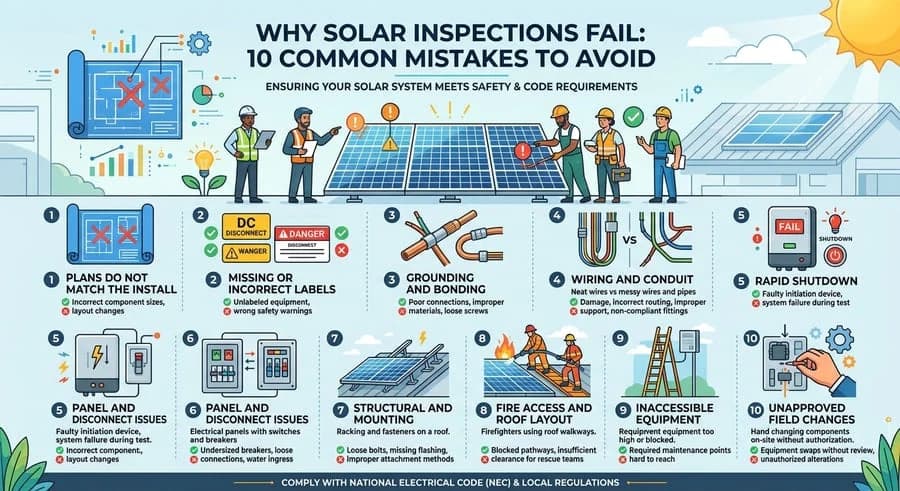
Why Solar Inspections Fail: 10 Common Mistakes to Avoid
Discover the 9 critical reasons solar inspections fail and how to avoid costly m...
Solar Grounding And Bonding: How To Pass Inspection Every Time
Learn how to pass solar grounding and bonding inspections every time. Avoid comm...
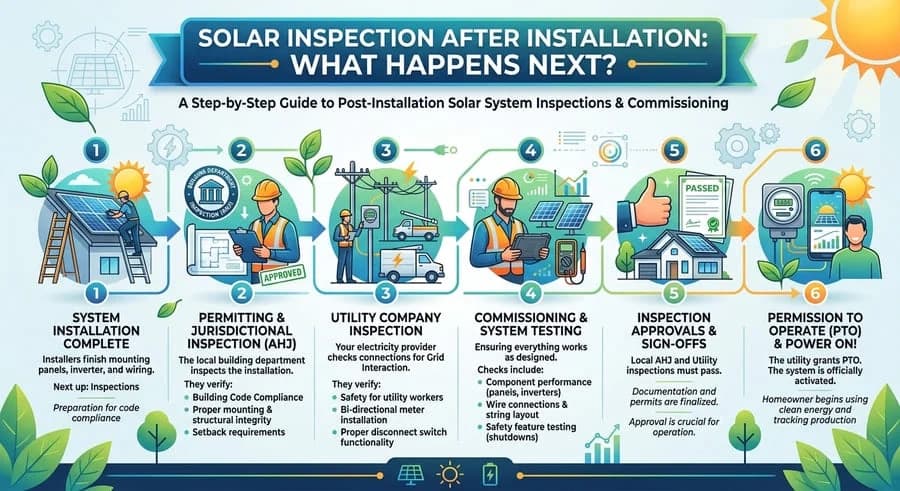
Solar Inspection After Installation: What Happens Next?
Learn how to pass your solar inspection by following essential tips for obtainin...