
A single seismic event can transform a multi-million dollar solar installation into a scene of catastrophic failure. Dislodged panels, collapsed mounting systems, and compromised structural integrity don’t just mean costly repairs; they mean permit rejections, liability exposure, and complete project failure. For developers and EPCs building in earthquake zones, robust seismic design isn’t an engineering checkbox. It’s the foundation that protects your investment and ensures system survival when the ground moves.
Seismic design for solar installations is the engineering process that ensures photovoltaic systems can withstand earthquake forces without structural failure or safety hazards. This specialized design approach accounts for lateral ground motion, uplift forces, and component displacement that occur during seismic events in earthquake-prone regions.
Solar projects in seismically active areas require professional structural engineering to prevent system damage, regulatory rejection, and costly rework. Proper seismic design addresses three critical elements: foundation anchoring that resists ground movement, load path calculations that distribute earthquake forces safely through the structure, and component specifications that meet seismic load ratings for the project location.
Key regions requiring seismic solar design include:
- California (highest seismic risk, Seismic Design Categories D-F)
- Pacific Northwest including Washington and Oregon (subduction zone risk)
- Nevada and Utah (active fault systems)
- Parts of New Jersey and the Eastern United States (moderate seismic zones)
Why seismic design matters for solar projects:
Ground movement during earthquakes creates lateral forces that can dislodge solar panels, damage mounting systems, and compromise structural integrity.
Projects without proper seismic engineering face permit rejection from building departments, failed inspections, and potential system failure during seismic events. The investment in qualified structural engineering prevents delays, ensures code compliance, and protects long-term system performance across rooftop installations, ground mount arrays, and carport structures.
Understanding Seismic Risk in Solar Development
While sun hours drive energy production, seismic activity determines whether systems survive their operational lifespan. Across California, the Pacific Northwest, and throughout portions of Utah, Nevada, and New Jersey, seismic risk demands integration into project planning from day one.
Whether designing a rooftop array, ground mount system, or large carport structure, proper engineering must account for ground movement resistance. When earthquakes strike, solar arrays must remain securely anchored not just for regulatory compliance, but for long-term asset protection.
Critical Factors Governing Earthquake-Resistant Solar Design
Earthquakes generate lateral ground motion that creates unexpected stress on structural components. Foundations may rock or experience uplift, and modules risk dislodgement. Without appropriate anchoring and load path design, systems become vulnerable to failure.
Several critical factors govern seismic design requirements:
Understanding Ground Motion Classification Systems
Geographic location, soil composition, and building characteristics determine the classification that indicates expected ground motion intensity. Higher category levels necessitate more rigorous design specifications to ensure structural safety during seismic events.
How Ground Composition Affects Earthquake Response
Soft soils amplify seismic shaking, whereas hard rock provides dampening effects. Geotechnical reports play an essential role in determining system response characteristics and establishing appropriate foundation requirements.
Matching Installation Methods to Seismic Demands
Different solar structures respond uniquely to seismic events:
Rooftop Systems: Load transfer into building structures requires careful evaluation and calculation. Attached systems require roof penetrations with proper flashing and waterproofing, while maintaining structural integrity during lateral movement.
Ballasted Systems: Unattached, ballasted arrays on low-slope roofs present unique seismic challenges. These systems must meet specific requirements including maximum height restrictions (typically 3 feet), displacement calculations, and array interconnection standards. The mounting system must distribute lateral forces without deforming, and wiring methods must accommodate potential sliding during seismic events.
Carport Installations: Designs must incorporate resistance to sway forces and overturning moments. Column design becomes critical as these structures often span large distances without intermediate support.
Ground Mount Arrays: Foundation embedment depths must adequately handle both uplift and lateral forces. Soil conditions directly influence foundation design, with deeper embedments required in softer soils.
Ensuring Hardware Meets Earthquake Force Requirements
Clamps, bolts, and rails all require seismic load ratings. Components lacking proper ratings risk failure during seismic events. Close collaboration with manufacturers helps verify every racking system element meets requirements.
Consequences of Inadequate Seismic Planning
Ignoring seismic loads produces serious consequences:
- Design rejections from Authorities Having Jurisdiction
- Racking system inspection failures
- Required rework when rooftop load calculations prove insufficient
Each project delay generates time and cost penalties. All these complications remain preventable through proper engineering approaches.
Solar Permit Solutions
Need Solar Permit Plans?
Professional, permit-ready solar plan sets delivered fast. Residential and commercial projects across all 50 states.
Common Seismic Design Mistakes to Avoid
Even experienced installers encounter seismic design challenges. Understanding common pitfalls helps prevent costly errors:
Underestimating Soil Amplification Effects: Soft soils can amplify seismic forces significantly. Projects proceeding without proper geotechnical reports risk foundation failures and code violations.
Using Non-Rated Hardware: Standard mounting components may lack seismic load ratings. Every clamp, bolt, and rail must carry appropriate certifications for the specific Seismic Design Category.
Ignoring Array Interconnection Requirements: Ballasted systems require continuous structural members to distribute lateral forces. Isolated mounting points create failure risks during ground movement.
Inadequate Roof Load Analysis: Adding solar weight to existing structures may trigger seismic reevaluation requirements if dead load increases exceed code thresholds (typically 10%).
Skipping Professional Engineering: Attempting to use generic designs or online calculators for seismic zones typically results in permit rejection. Licensed PE involvement is essential for code compliance.
Professional Seismic Design Standards
Professional engineering integrates seismic analysis into every structural design for high-risk geographical areas. This comprehensive approach ensures:
- Appropriate bracing and anchoring systems
- Carport columns engineered for lateral force resistance
- Ground mount embedment depths meeting code compliance
- Module hardware approved for seismic retention specifications
- Authority Having Jurisdiction requirements satisfied on initial submittal
Building Code Framework
Seismic design for solar installations follows established building codes including the International Building Code (IBC), International Residential Code (IRC), and ASCE 7 standards for minimum design loads. Electrical components must comply with National Electrical Code (NEC) requirements, including flexible wiring provisions for systems that may experience displacement.
Engineering Verification and Testing
Proper seismic design requires professional engineering verification through:
Structural Calculations: Licensed professional engineers provide stamped calculations demonstrating compliance with applicable seismic provisions and load path analysis.
Component Testing: Hardware manufacturers must provide test reports and certifications confirming seismic ratings. Shake table testing validates system performance under simulated earthquake conditions.
Quality Assurance: Special inspection requirements ensure installation matches approved engineering drawings and manufacturer specifications are followed precisely.
Building Resilient Solar Infrastructure
Seismic events remain unpredictable, but structural design quality doesn’t have to be. The right engineering approach enables solar project construction that performs safely, achieves inspection approval, and maintains stability even during ground movement.
Solar developers and EPCs operating in seismically active zones must prioritize structural engineering that accounts for ground motion forces.
This investment in proper design prevents costly delays, ensures regulatory compliance, and protects long-term system performance. Projects built with seismic considerations deliver reliable energy generation regardless of geological activity in their region.
Conclusion
Earthquake-resistant solar design represents a non-negotiable requirement for projects in seismically active regions. Ground motion forces create substantial risks to structural integrity, system performance, and regulatory compliance.
Developers and EPCs must integrate comprehensive seismic analysis into project planning from inception rather than treating it as a supplementary consideration.
Professional engineering that addresses seismic design categories, soil conditions, structure types, and component ratings ensures projects withstand ground movement while meeting inspection requirements.
The investment in proper structural design delivers multiple benefits:
- Regulatory approval on initial submittal
- Prevention of costly rework and delays
- Long-term system stability and performance
- Protection of capital investments against seismic damage
Solar projects built with rigorous seismic engineering standards maintain reliable energy generation throughout their operational lifespan, regardless of geological activity.
This proactive approach transforms seismic challenges into competitive advantages through superior design, compliance certainty, and structural resilience that protects both immediate project success and long-term asset value.
Get Expert Seismic Engineering for Your Solar Project
Building in a seismic zone requires specialized expertise that goes beyond standard solar design. Solar Permit Solutions provides comprehensive seismic engineering services that ensure your project meets all regulatory requirements while avoiding costly delays and rework.
Our Seismic Design Services Include:
- PE-Stamped Structural Calculations: Guaranteed to satisfy AHJ requirements and secure your permit without delays or rejections
- Geotechnical Analysis & Foundation Design: Site-specific solutions that prevent foundation failures and ensure long-term stability
- Load Path Verification & Component Certification: Eliminate inspection failures with fully documented, code-compliant engineering
- Ballasted System Analysis: Navigate complex displacement requirements with calculations that pass review on first submittal
- AHJ-Ready Permit Packages: Complete engineering documentation that accelerates approvals and keeps projects on schedule
- Special Inspection Coordination: End-to-end quality assurance that ensures installation matches approved designs
Why Choose Solar Permit Solutions:
With extensive experience across California, the Pacific Northwest, and other high-risk seismic zones, the team delivers engineering solutions that eliminate costly delays and rework.
Every project receives detailed structural analysis, code-compliant designs, and professional engineering stamps from licensed structural engineers, ensuring first-submittal approval and protecting your investment.
Whether designing rooftop arrays, ground mount systems, or carport structures, Solar Permit Solutions provides seismic engineering that withstands inspection scrutiny and satisfies all local building code requirements.
From initial geotechnical evaluation through final inspection approval, comprehensive support keeps your project on schedule, compliant, and built to survive seismic events.
Ready to build with confidence in seismic zones? Contact us today for professional seismic engineering that eliminates permit delays, protects your investment, and ensures your system survives when the ground moves.
FAQs
However, any region classified with a Seismic Design Category (SDC) of C or higher mandates seismic engineering analysis. Project developers should consult local building codes and geotechnical reports to determine specific requirements for their location.
Hard rock or dense soils provide natural dampening effects that reduce force transmission. Geotechnical investigations determine soil characteristics and establish appropriate foundation depths, embedment specifications, and anchoring methods to ensure adequate resistance to seismic forces.
Retrofits may involve adding supplemental bracing, upgrading foundation anchors, replacing hardware with seismically rated components, or reinforcing attachment points. Cost-effectiveness varies significantly based on system age, configuration, and extent of required modifications.
Essential documentation includes geotechnical reports identifying soil conditions and site classification, seismic design calculations showing load paths and component resistance, stamped and sealed engineering drawings by licensed professionals, manufacturer specifications confirming seismic ratings for all components, and foundation details showing embedment depths and anchoring methods.
Requirements vary by jurisdiction, making early consultation with local building departments advisable.
Initial investments in geotechnical reports, enhanced structural analysis, and higher-rated components prevent expensive rework, inspection failures, and project delays. Systems designed correctly from the start achieve approval on first submittal, maintain construction schedules, and avoid costly change orders.
The alternative of inadequate seismic design often results in rejection notices, redesign expenses, equipment replacement, and extended timelines that far exceed proactive engineering investments.
Arrays must be designed to distribute lateral forces without deforming, and signage may be required to mark boundaries where sliding could occur. Many jurisdictions require additional engineering analysis or testing to approve ballasted systems in high seismic zones.
The structural engineer analyzes load paths, verifies component ratings, confirms foundation adequacy, and coordinates with the Authority Having Jurisdiction.
Projects without proper PE certification face permit rejection, inspection failures, and potential liability issues. Most jurisdictions explicitly require professional engineering for any solar installation that adds significant weight or must resist seismic forces.
Need Solar Permit Plans?
Professional, permit-ready solar plan sets delivered fast. Residential and commercial projects across all 50 states.
Frequently Asked Questions
California, the Pacific Northwest (Washington and Oregon), Utah, Nevada, and parts of New Jersey present elevated seismic risk requiring specialized design approaches. However, any region classified with a Seismic Design Category (SDC) of C or higher mandates seismic engineering analysis. Project developers should consult local building codes and geotechnical reports to determine specific requirements for their location.
Soil composition significantly affects how ground motion transmits through the earth during seismic events. Soft or loose soils amplify seismic waves, creating greater stress on foundations and structural components. Hard rock or dense soils provide natural dampening effects that reduce force transmission. Geotechnical investigations determine soil characteristics and establish appropriate foundation depths, embedment specifications, and anchoring methods to ensure adequate resistance to seismic forces.
Retrofitting existing solar installations for seismic compliance is possible but often presents challenges depending on the original design and installation methods. Evaluation requires structural analysis to identify deficiencies in anchoring, bracing, or component ratings. Retrofits may involve adding supplemental bracing, upgrading foundation anchors, replacing hardware with seismically rated components, or reinforcing attachment points. Cost-effectiveness varies significantly based on system age, configuration, and extent of required modifications.
AHJs typically require comprehensive structural engineering calculations demonstrating compliance with applicable building codes and seismic provisions. Essential documentation includes geotechnical reports identifying soil conditions and site classification, seismic design calculations showing load paths and component resistance, stamped and sealed engineering drawings by licensed professionals, manufacturer specifications confirming seismic ratings for all components, and foundation details showing embedment depths and anchoring methods. Requirements vary by jurisdiction, making early consultation with local building departments advisable.
Proper seismic engineering during initial design phases typically adds minimal time and cost compared to addressing deficiencies after plan rejection. Initial investments in geotechnical reports, enhanced structural analysis, and higher-rated components prevent expensive rework, inspection failures, and project delays. Systems designed correctly from the start achieve approval on first submittal, maintain construction schedules, and avoid costly change orders. The alternative of inadequate seismic design often results in rejection notices, redesign expenses, equipment replacement, and extended timelines that far exceed proactive engineering investments.
Ballasted, unattached solar systems can be used in seismic zones but must meet stringent requirements. These include maximum height restrictions (typically 3 feet from roof surface to center of mass), array interconnection with continuous members in both directions, calculated maximum displacement limits, and flexible wiring methods to accommodate potential sliding. Arrays must be designed to distribute lateral forces without deforming, and signage may be required to mark boundaries where sliding could occur. Many jurisdictions require additional engineering analysis or testing to approve ballasted systems in high seismic zones.
Licensed professional engineers are typically required for solar projects in seismic zones, especially for Seismic Design Categories C and higher. PE-stamped calculations and sealed drawings demonstrate compliance with building codes and seismic provisions. The structural engineer analyzes load paths, verifies component ratings, confirms foundation adequacy, and coordinates with the Authority Having Jurisdiction. Projects without proper PE certification face permit rejection, inspection failures, and potential liability issues. Most jurisdictions explicitly require professional engineering for any solar installation that adds significant weight or must resist seismic forces.

SPS Editorial Team
Solar Permit Solutions
Solar Permit Solutions provides professional solar permit design services for residential, commercial, and off-grid installations across all 50 states. Our team ensures permit-ready plan sets delivered fast.
Related Articles
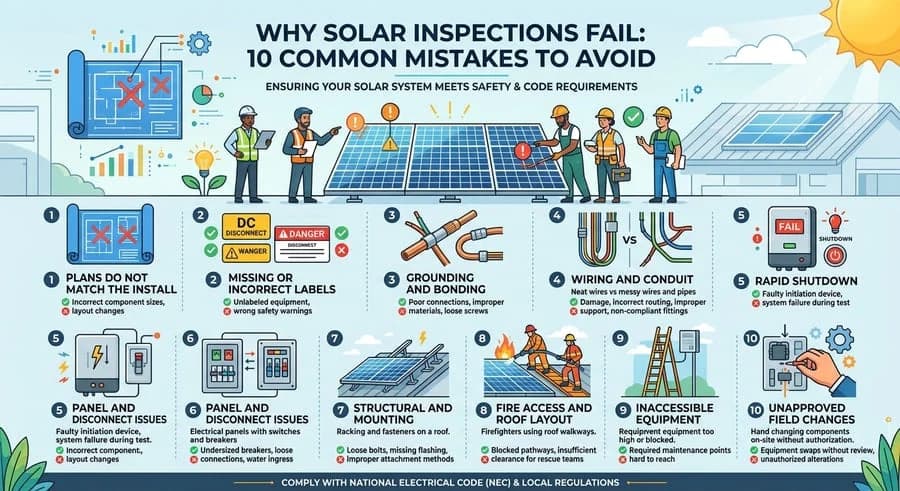
Why Solar Inspections Fail: 10 Common Mistakes to Avoid
Discover the 9 critical reasons solar inspections fail and how to avoid costly m...

Solar Grounding And Bonding: How To Pass Inspection Every Time
Learn how to pass solar grounding and bonding inspections every time. Avoid comm...
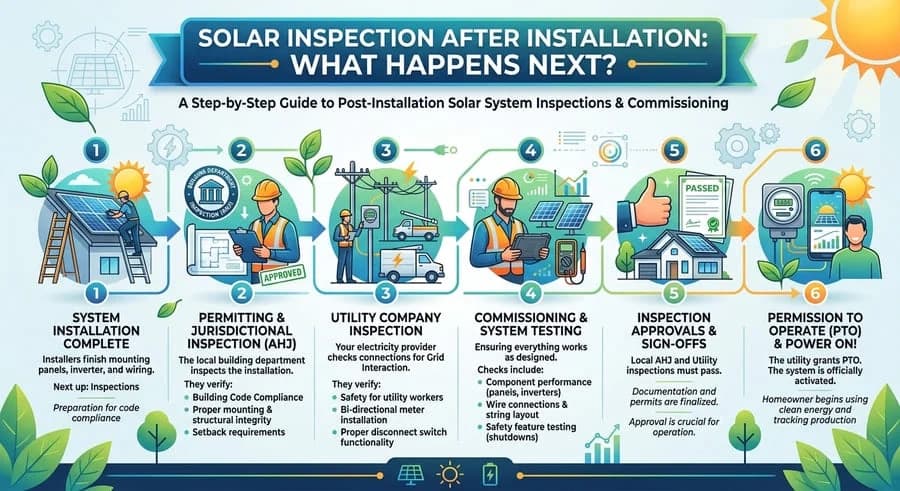
Solar Inspection After Installation: What Happens Next?
Learn how to pass your solar inspection by following essential tips for obtainin...