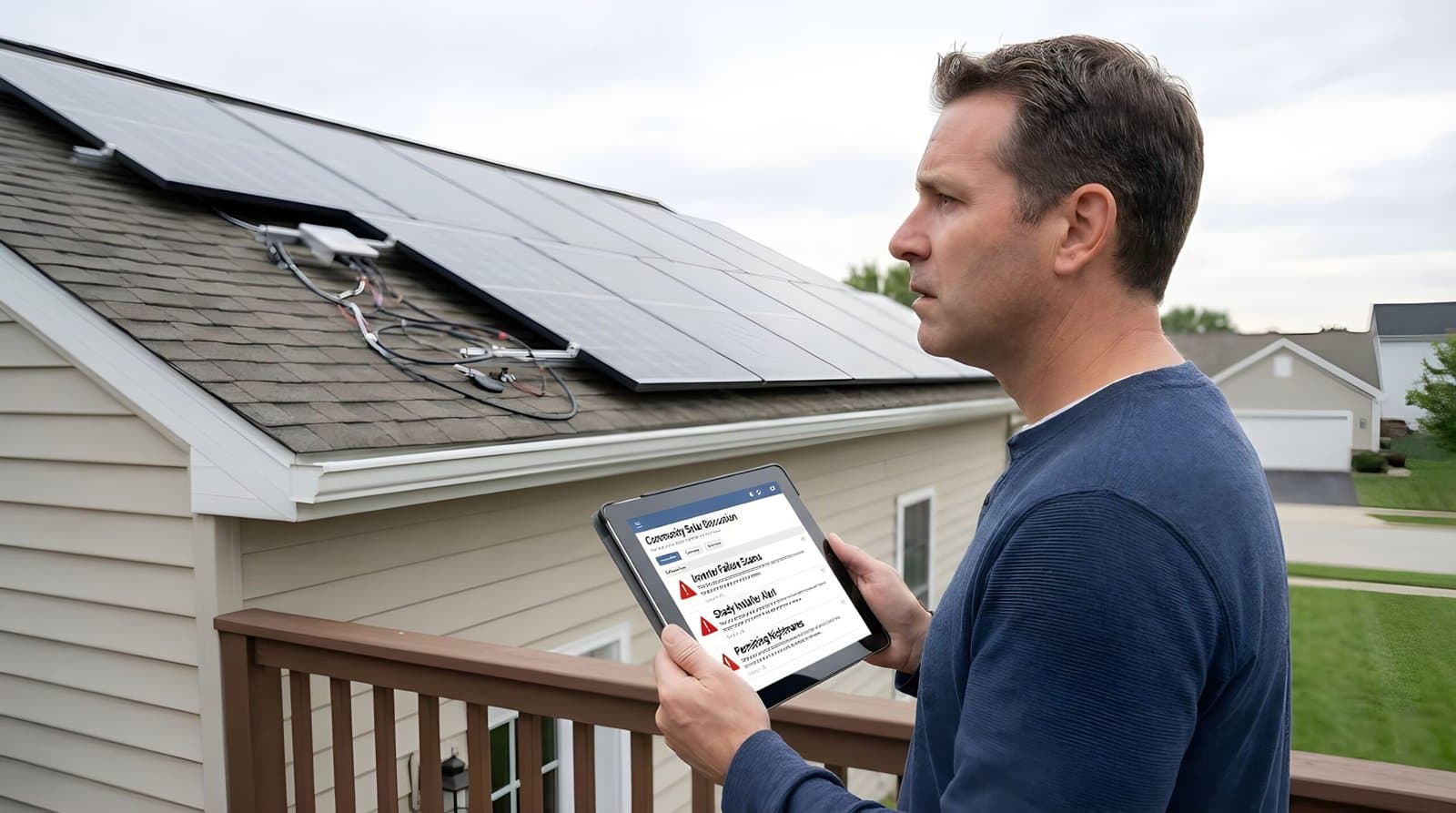
A commercial solar installer in Texas followed forum advice recommending oversized wire gauges “just to be safe” without considering voltage drop calculations. The project failed inspection, requiring complete rewiring at a $12,000 loss. The forum contributor who provided the advice? A homeowner with one DIY installation under their belt.
This scenario plays out daily across solar forums. Trustworthy advice comes from contributors who reference specific NEC code sections, provide detailed technical explanations, and acknowledge their knowledge limitations. Solar installers should verify forum recommendations through manufacturer technical support, local building departments, and official code resources before implementing advice on actual projects.
Online solar communities attract diverse participants ranging from licensed professionals to DIY enthusiasts, making credibility assessment essential. Red flags include advice that dismisses safety concerns, recommends permitting shortcuts, advocates code violations, or promotes single products without acknowledging alternatives. Reliable contributors share real-world installation examples, explain their technical reasoning, and specify when situations require engineering consultation or additional expertise.
Forum advice credibility depends on multiple factors including information currency, regional relevance, and contributor expertise. The National Electrical Code updates every three years, equipment specifications change frequently, and local jurisdictions interpret requirements differently. Solar professionals who cross-reference forum discussions with current manufacturer documentation, local inspector guidance, and industry standards extract maximum value while avoiding costly installation mistakes.
Identifying Credible Forum Contributors
Professional solar installers can recognize trustworthy forum participants through several key indicators. Contributors who consistently reference current NEC codes, provide detailed technical explanations, and acknowledge limitations in their knowledge demonstrate reliability. These individuals typically support their recommendations with specific code sections, manufacturer specifications, or documented installation standards.
Example of questionable advice: “Just bond everything to the racking system and you’ll be fine. Inspectors never check grounding anyway.”
Example of credible advice: “Per NEC 690.43, you need to ground the equipment grounding conductor to the module frames. Check your local inspector’s interpretation since some jurisdictions have specific requirements beyond code minimum.”
Experienced professionals often share real-world installation examples, discuss recent projects without disclosing confidential client information, and explain the reasoning behind their technical choices. They acknowledge when situations require additional expertise, such as structural engineering assessments or utility-specific interconnection requirements. This balanced approach signals genuine professional experience rather than theoretical knowledge.
Forum members who dismiss safety concerns, recommend shortcuts around permitting requirements, or advocate for code violations should raise immediate red flags. Solar installation demands strict adherence to electrical codes, building regulations, and safety standards.
Red flags to watch for:
- Dismissing arc-fault protection requirements
- Suggesting bypassing permit applications
- Recommending non-listed equipment
- Encouraging work beyond your licensing scope
- Guaranteeing that inspectors “never check” certain items
Any advice suggesting otherwise poses serious risks to installers, property owners, and system performance.
Evaluating Technical Recommendations
When reviewing technical advice on solar forums, installers should verify information against official sources. The National Electrical Code updates every three years, and jurisdictions adopt these changes on varying schedules. Forum discussions from several years ago may reference outdated code requirements that no longer apply to current installations.
Real scenario: A 2019 forum thread recommends specific rapid shutdown equipment that’s no longer compliant with 2023 NEC 690.12 requirements. Following outdated advice wastes time and money on non-compliant equipment.
Equipment recommendations require similar scrutiny. Solar technology evolves continuously, with manufacturers releasing improved inverter models, more efficient modules, and enhanced monitoring systems. Forum threads discussing equipment from previous years may not reflect current product capabilities or availability. Always cross-reference equipment suggestions with current manufacturer specifications and compatibility requirements.
Installation techniques shared in forums should align with industry best practices and manufacturer guidelines. Solar professionals know that proper mounting, wire management, and grounding procedures follow established standards. Advice contradicting these fundamentals deserves skepticism, even when presented confidently.

Understanding Forum Discussion Context
Solar forums attract diverse participants, from seasoned commercial installers to homeowners attempting DIY projects. Understanding the context of each discussion helps installers determine relevance to their professional work. Advice appropriate for small residential systems may not scale to commercial installations. Similarly, off-grid system design principles differ significantly from utility-connected applications.
Regional variations significantly impact solar installation requirements. Building codes, utility interconnection standards, and permitting procedures vary by jurisdiction. Forum advice from installers in different states or countries may not apply to local projects. Solar professionals should seek guidance specific to their service areas or verify how recommendations translate to local requirements.
Discussion threads focused on theoretical scenarios or hypothetical situations provide different value than real-world problem-solving conversations. While theoretical discussions can expand understanding, installers facing immediate project challenges benefit most from proven solutions that other professionals have successfully implemented.
Solar Permit Solutions
Skip the Permit Headaches
We design plan sets that pass inspection the first time. Code-compliant, PE-stamped, accepted by AHJs nationwide.
Recognizing Sales-Driven Content
Some forum participants use these platforms for marketing purposes rather than genuine knowledge sharing. Contributors who consistently promote specific equipment brands, lead generation services, or business software may prioritize commercial interests over objective technical guidance. While vendor representatives can provide valuable product expertise, their recommendations naturally reflect business objectives.
Solar professionals should distinguish between helpful product information and promotional content on platforms like Solar Panel Talk and r/Solar.
Signs of balanced, trustworthy advice:
- Compares multiple equipment options objectively
- Discusses both advantages and limitations
- Acknowledges competing solutions
- Discloses affiliations or business relationships
- Provides context-specific recommendations
Contributors who push single products or services without acknowledging alternatives likely have financial motivations.
Leveraging Professional Networks Effectively
Online solar communities offer legitimate networking value when approached strategically. Installers can connect with professionals facing similar technical challenges, learn about regional market conditions, and stay informed about industry developments. These connections often lead to collaborative problem-solving and shared learning experiences.
Participating actively in forum discussions by sharing genuine expertise builds professional reputation and establishes credibility within the community. Solar installers who contribute thoughtful, technically accurate responses help elevate the overall quality of information available to all participants. This collaborative approach strengthens the entire industry.
Professional forums also serve as early warning systems for problematic equipment, difficult distributors, or emerging installation challenges. Multiple installers reporting similar issues with specific products or processes help others avoid costly mistakes. This collective knowledge proves invaluable for preventing problems before they occur on projects.

Verifying Information Through Multiple Sources
Smart solar professionals never rely on single forum posts for critical installation decisions. Cross-referencing advice through manufacturer technical support, engineering consultations, and official code resources ensures accuracy. Reputable equipment manufacturers maintain technical support teams specifically to answer installation questions and verify compatibility requirements.
Local electrical inspectors and building departments provide authoritative guidance on jurisdiction-specific requirements. When forum advice conflicts with local inspector interpretation, the inspector’s guidance takes precedence. Building strong relationships with local AHJs prevents conflicts and ensures smooth permit approval processes.
Industry associations, continuing education programs, and professional certification courses offer structured learning environments that complement forum discussions. These formal resources provide verified, current information backed by technical expertise and industry standards.
Distinguishing Emergency Advice From Routine Questions
Forum urgency varies significantly between immediate safety concerns and general curiosity. Solar professionals facing emergency situations, such as suspected arc faults, fire hazards, or shock risks, should contact qualified electricians or emergency services rather than waiting for forum responses. Safety issues demand immediate professional intervention, not crowdsourced advice.
Routine technical questions about product selection, installation techniques, or business practices suit forum discussion well. These topics allow time for multiple perspectives, detailed explanations, and thoughtful consideration of various approaches. Forums excel at facilitating these extended technical conversations.
Project-specific challenges often require more nuanced guidance than forums can provide. Complex installations involving unusual roof configurations, challenging electrical service conditions, or unique structural requirements benefit from professional engineering consultation rather than general forum advice.
Staying Current With Industry Changes
Solar technology and regulations evolve continuously, making information currency critical. Forum advice from several years ago may reference discontinued products, outdated incentive programs, or superseded code requirements. Solar professionals should note discussion dates and verify whether referenced information remains current.
Federal tax credit provisions, utility net metering policies, and state-level solar programs undergo frequent modifications. Forum discussions about incentives and financial programs require verification against current program rules. Outdated incentive information can lead to incorrect customer expectations and project planning errors.
Equipment compatibility evolves as manufacturers update product lines and introduce new technologies. Forum threads discussing specific inverter models or monitoring systems may not reflect current product capabilities. Always confirm equipment specifications and compatibility through current manufacturer documentation.

Building Professional Judgment
Experienced solar installers develop intuition for evaluating forum advice through repeated exposure and practical application. This professional judgment combines technical knowledge, installation experience, and critical thinking skills. Over time, installers recognize patterns in helpful versus problematic advice.
Professional development through continuing education, manufacturer training programs, and industry certifications strengthens the ability to assess forum recommendations critically. This ongoing learning helps installers distinguish between cutting-edge techniques and risky shortcuts.
Solar professionals who actively participate in multiple forums like DIY Solar Power Forum and r/SolarInstallers, attend industry conferences, and engage with diverse professional networks develop broader perspectives on installation practices and industry standards. This comprehensive exposure enhances their ability to evaluate advice quality and relevance.
Conclusion
Online solar forums provide valuable resources for professional development, technical problem-solving, and industry networking when approached with appropriate skepticism and verification. Solar installers who critically evaluate contributor credentials, cross-reference technical advice, and recognize marketing-driven content extract maximum value from these communities.
Success in leveraging forum knowledge requires balancing community wisdom with professional judgment, official documentation, and expert consultation. By maintaining high standards for information quality and verification through resources like NRDC’s solar guides and industry associations, solar professionals protect their businesses, their clients, and the integrity of their installations while benefiting from collective industry knowledge.
Need Expert Guidance Beyond Forums?
When forum advice isn’t enough, Solar Permit Solutions provides professional engineering support, code-compliant permit designs, and nationwide solar permitting services. Get accurate answers from licensed professionals for residential, commercial, and off-grid projects. Contact our team for reliable technical consultation you can stake your reputation on.
FAQs
Skip the Permit Headaches
We design plan sets that pass inspection the first time. Code-compliant, PE-stamped, accepted by AHJs nationwide.
Frequently Asked Questions
Experienced professionals typically reference specific NEC code sections, provide detailed technical explanations with real-world context, and acknowledge when situations exceed their expertise. They discuss actual installation projects without violating client confidentiality and explain the reasoning behind their recommendations. Contributors who offer vague advice, dismiss safety concerns, or suggest code violations likely lack professional installation experience.
No. Equipment recommendations require independent verification through manufacturer specifications and technical support channels. Solar technology evolves rapidly, and forum discussions may reference outdated product lines or discontinued models. Always cross-reference equipment suggestions with current manufacturer documentation, compatibility requirements, and warranty conditions before making purchasing decisions for client projects.
Local inspector interpretation always takes precedence over forum advice when conflicts arise. Building departments and electrical inspectors provide authoritative guidance on jurisdiction-specific requirements. Solar professionals should prioritize building strong relationships with local authorities having jurisdiction to understand regional code interpretations and ensure smooth permit approval processes.
Older forum threads require careful evaluation before application to current projects. The National Electrical Code updates every three years, equipment specifications change frequently, and incentive programs undergo regular modifications. Check discussion dates and verify whether referenced information remains current through official sources. Historical threads provide useful context but should not guide critical installation decisions without verification.
Effective forum use requires treating discussions as starting points rather than definitive answers. Cross-reference forum advice with manufacturer technical support, engineering consultations, and solar energy guides. Use forums for networking, staying informed about industry trends, and identifying potential equipment issues reported by multiple installers. Never rely solely on forum posts for critical installation decisions affecting safety or code compliance.
SPS Editorial Team
Solar Permit Solutions
Solar Permit Solutions provides professional solar permit design services for residential, commercial, and off-grid installations across all 50 states. Our team ensures permit-ready plan sets delivered fast.
Related Articles
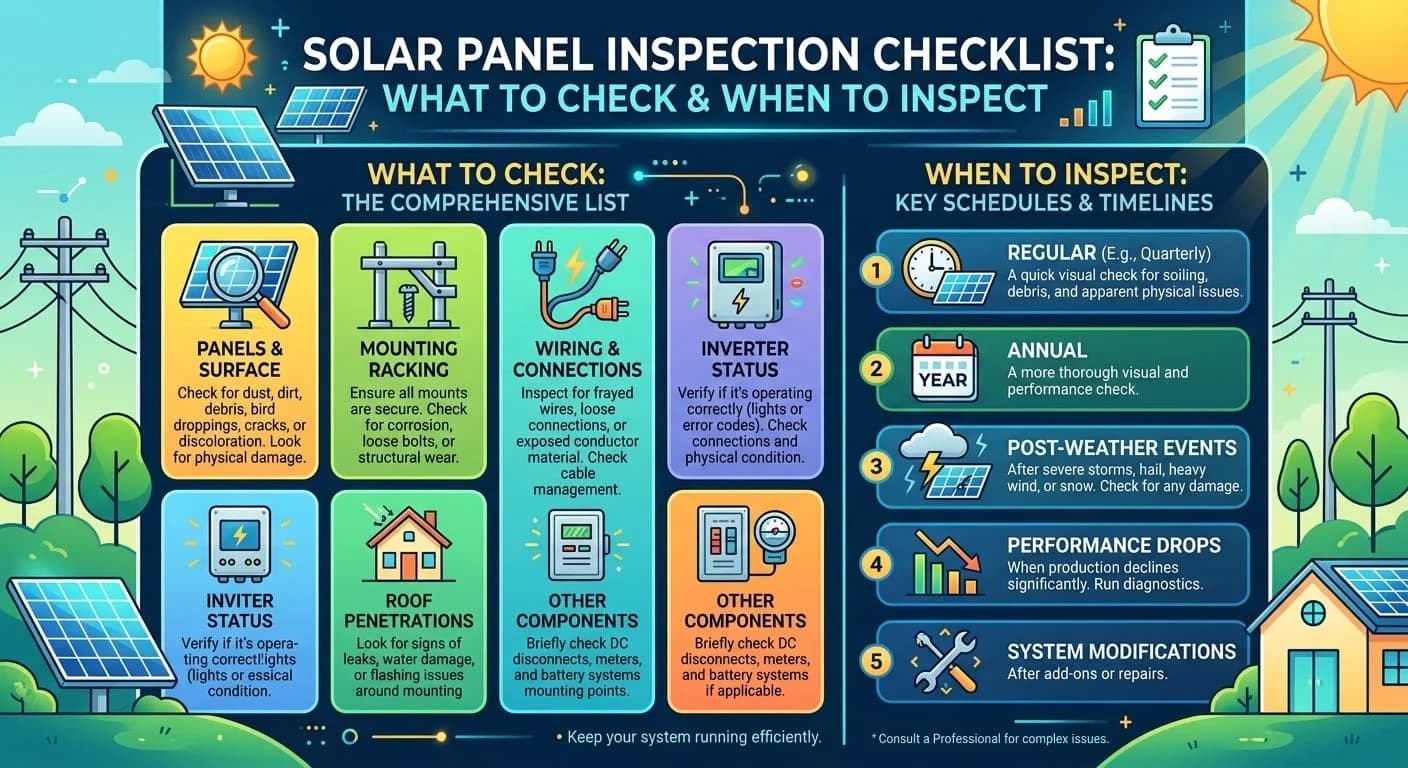
Solar Panel Inspection Checklist: What To Check & When To Inspect
Solar panel inspection guide: Learn what to check, when to inspect (annually + e...
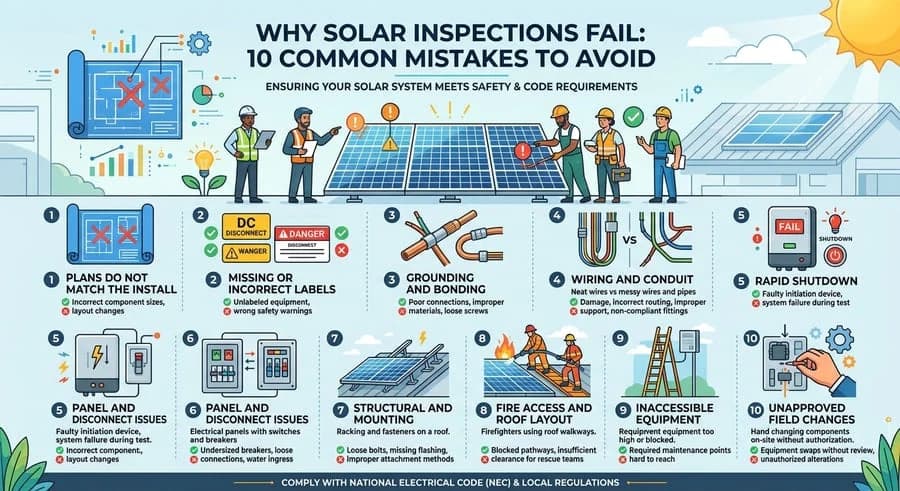
Why Solar Inspections Fail: 10 Common Mistakes to Avoid
Discover the 9 critical reasons solar inspections fail and how to avoid costly m...
Solar Grounding And Bonding: How To Pass Inspection Every Time
Learn how to pass solar grounding and bonding inspections every time. Avoid comm...