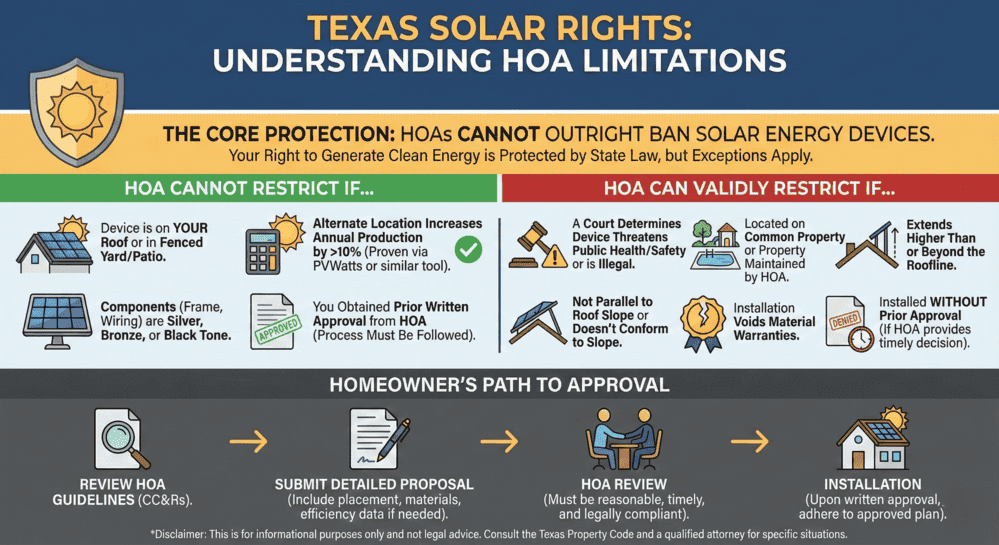
Can your HOA block solar panels in Texas? No. Texas Property Code Section 202.010 prohibits homeowners associations from completely preventing solar panel installations on residential properties. However, Texas HOAs maintain legal authority to impose specific restrictions on solar systems.
Texas law allows HOAs to restrict solar installations under seven conditions: installations without prior HOA approval, systems on common subdivision property, installations that void warranties, equipment in non-approved colors (only silver, bronze, or black allowed), arrays extending above rooflines or installed non-parallel to roof slopes, ground-mounted systems exceeding fence height, and installations violating safety codes.
Homeowners can challenge HOA placement restrictions when they reduce annual energy production by more than 10%. Texas HOAs cannot prohibit solar installations entirely but may dictate panel placement, color specifications, and installation methods that maintain neighborhood aesthetics while protecting your solar access rights.
This guide explains Texas solar access laws, HOA restriction limits, the approval process, and proven strategies to navigate HOA requirements successfully. Solar Permit Solutions provides HOA-compliant permit designs and engineering stamps that meet Texas building codes and association standards across all 50 states.
Homeowners Associations and Solar Access
Purchasing property in a planned development or condominium typically requires joining a homeowners association (HOA). These associations create aesthetic standards for neighborhoods and collect funds for community amenities like swimming pools and tennis courts.
HOAs frequently enforce regulations governing solar system installations. Your association may dictate installation locations and methods for your solar equipment. Some HOAs prohibit solar installations completely.

Legal Protections for Solar Property Owners
States nationwide have established laws safeguarding property owners’ rights to install renewable energy systems. Solar Permit Solutions helps homeowners navigate these protections while ensuring HOA compliance through proper permit design and engineering documentation. These solar protection laws divide into two primary categories: solar access laws and solar easements.
Solar Access Laws
Solar access laws prevent HOAs from blocking members’ solar installations on their properties. These laws permit HOAs to impose “reasonable restrictions” on solar systems. HOAs may influence rooftop solar array design under these provisions. Association members often must secure approval before installation and conceal all electrical wiring from view. Understanding solar permitting requirements helps streamline the approval process.
Solar Easements
Certain states enable residents to negotiate “solar easements” with neighbors and HOAs. A solar easement represents a voluntary contract between property owners and their neighbors or association. Property owners use solar easements to guarantee adequate sunlight exposure for system productivity. Easement terms vary significantly. Some easements mandate tree trimming by neighbors. Others prevent neighbors from constructing additions that would shade your solar panels.
Texas Solar Rights: Understanding HOA Limitations
Texas law safeguards your solar installation rights. However, specific restrictions apply.
HOAs in Texas maintain authority to restrict solar installations under these circumstances:
- Your system proceeds without obtaining HOA approval first
- The installation occupies subdivision common property
- Installation methods void manufacturer warranties
- System components feature colors other than silver, bronze, or black
- The array extends beyond the roofline, fails to match roof slope, or installs non-parallel to the roofline
- Ground-mounted systems rise above your property fence line
- Solar equipment violates legal requirements or public health and safety codes
Solar Permit Solutions
DIY Solar? We Handle the Permits.
You install the panels — we design the permit-ready plan set your building department requires. Fast, affordable, all 50 states.
Challenge Unreasonable HOA Restrictions
HOAs continue imposing excessive restrictions on solar projects. Take action to challenge these limitations. While HOAs cannot prohibit your system entirely, they may dictate panel placement. Contest these placement requirements when you can demonstrate they would reduce your system’s annual energy production by more than 10%. Avoid common design mistakes that give HOAs grounds for rejection.
HOA Solar Action Guide
Demand Respect for Your Solar Access Rights
Property owners deserve solar installation rights on their land. Solar access laws in certain states prohibit local governments and homeowners associations from blocking residential solar projects. Many states lack these protections, and even where laws exist, HOAs maintain outdated policies that obstruct solar access while spreading misconceptions about aesthetics and property values. This guide helps you counter HOA objections and transform your association into a solar-friendly community.
Step 1: Research Your State’s Solar Access Laws
Most states provide some level of solar access protection, though specifics vary significantly. Begin by investigating your state’s regulations. Start with Solar Rights & Easements by State from the Community Associations Institute. The National Renewable Energy Laboratory provides comprehensive research on state-level solar policies.
Step 2: Investigate Your HOA’s Policies
Your HOA may already support solar access, though most do not. HOAs operate as private organizations rather than government entities. This structure means HOA members lack the same rights and protections your local government provides. However, HOAs remain accountable to residents as their representatives, and members can change policies affecting solar installations. This guide assumes you must modify your HOA’s solar policy. Expect to address outdated solar misconceptions, including aesthetic concerns or property value impacts.
Step 3: Build Your Solar Access Case
When your HOA imposes unreasonable solar restrictions, unite with neighbors to persuade your HOA Board to reform their policies. Present your case directly to neighbors and secure their support. Most HOAs modify policies when residents demand change, and most people support solar rights even without personal installation plans. Consider reviewing residential solar design best practices to strengthen your proposal.
Step 4: Rally Pro-Solar Neighbors
These supporters become your strongest allies. HOA boards may not function democratically like city councils, but they typically respond to member concerns. Share information about the federal solar tax credit to demonstrate financial benefits for all homeowners.
Step 5: Present to Your HOA Board
After securing neighbor support, formally present your case to the HOA governing board. Create a compelling argument, demonstrate resident backing, and directly request policy changes. Include complete equipment specifications and structural load analysis to address technical concerns.
Step 6: Address Solar Access Objections
Your HOA board may avoid immediate decisions. Continue building neighbor support or contact local media for additional backing. Your HOA might request a solar installation review or issue decisions conflicting with state solar access laws. Understanding permit approval timelines helps set realistic expectations.
Step 7: Celebrate and Install Your Solar System
When your board approves without objections, you’ve succeeded. You can now install solar, and, more importantly, you’ve secured future residents’ solar rights. This represents a significant barrier to U.S. solar adoption, and these obstacles only fall when we prioritize their removal. Whether you’re pursuing a DIY solar installation or working with certified installers, professional permit documentation streamlines the process.
Solar Permit Solutions provides HOA-compliant permit designs and engineering documentation to streamline your approval process across all 50 states.
Debunk Solar Misconceptions
Discussions with your community and HOA leadership frequently reveal misunderstandings about solar technology. Use this guide to counter questions regarding home value impacts, aesthetic considerations, light reflection issues, and fire hazards. Learn about proper racking systems and net metering requirements to address technical concerns. The International Energy Agency’s renewable energy reports provide data supporting solar adoption benefits.
Conclusion
Texas law protects your right to install solar panels, but HOA regulations add complexity to the approval process. Understanding your legal protections under Texas Property Code Section 202.010 empowers you to challenge unreasonable restrictions while maintaining compliance with legitimate HOA requirements. Remember that HOAs cannot completely prohibit your solar installation, though they maintain authority over aesthetic elements like color, placement, and roof alignment.
Success depends on preparation, documentation, and professional permit design. Build support among neighbors, present compelling evidence to your HOA board, and contest restrictions that reduce your system’s energy production by more than 10%. Solar Permit Solutions delivers HOA-compliant permit packages and engineering stamps that meet Texas building codes and association standards, streamlining your approval process and protecting your solar access rights. Review additional educational resources and stay informed about global renewable energy trends.
Take action today to secure your solar installation rights and contribute to Texas’s clean energy future. Understanding end-of-life solar panel regulations ensures responsible system management throughout its lifecycle.
FAQs
DIY Solar? We Handle the Permits.
You install the panels — we design the permit-ready plan set your building department requires. Fast, affordable, all 50 states.
Frequently Asked Questions
No. Texas Property Code Section 202.010 prohibits HOAs from completely blocking solar installations on your property. However, HOAs maintain authority to impose reasonable restrictions on system aesthetics, placement, and installation methods. Your HOA cannot deny your solar project if you comply with approved color schemes (silver, bronze, or black), maintain roof alignment, secure prior approval, and meet safety standards. Our HOA-compliant permit design services satisfy association requirements while maximizing your system's energy production.
Texas law permits HOAs to restrict solar panel colors to silver, bronze, or black tones only. This aesthetic requirement applies to panel frames, mounting hardware, and visible system components. Modern solar panels typically feature black or dark blue cells with silver or black frames, meeting most HOA color standards. If your HOA rejects your proposed system based on color, verify your equipment specifications match approved tones before challenging the decision.
Texas law allows you to contest HOA placement requirements when they decrease your system's annual energy production by more than 10%. Document your case by obtaining professional energy production analyses comparing your preferred installation location against the HOA's required placement. Solar Permit Solutions provides engineering assessments and production modeling that quantifies energy losses, giving you evidence to challenge unreasonable placement restrictions during HOA board presentations.
Yes. Texas law permits HOAs to require prior approval for solar installations. Submit your installation plans, equipment specifications, and permit designs to your HOA architectural review committee before beginning construction. Proceeding without approval gives your HOA legal grounds to restrict or remove your system. Professional permit packages from Solar Permit Solutions include HOA-ready documentation with system specifications, site plans, and engineering stamps that expedite committee review and approval.
Yes, but with limitations. Texas HOAs may prohibit ground-mounted solar systems that extend above your property fence line. If your ground installation remains below fence height, your HOA cannot block it solely based on ground placement. This restriction encourages rooftop installations while allowing ground systems for properties with limited roof space or optimal ground conditions. Consider professional site assessments to determine whether rooftop or compliant ground-mounted systems best serve your property.
When HOAs impose restrictions that violate Texas Property Code Section 202.010, you have legal recourse. Document all communications with your HOA, gather neighbor support, and present your case to the board with evidence of legal violations. If your HOA maintains illegal restrictions, consult with a real estate attorney specializing in Texas property law. Many HOAs modify their policies when presented with clear evidence of legal violations rather than face potential litigation. Solar Permit Solutions provides compliant permit documentation that helps you demonstrate your system meets all legal requirements.

SPS Editorial Team
Solar Permit Solutions
Solar Permit Solutions provides professional solar permit design services for residential, commercial, and off-grid installations across all 50 states. Our team ensures permit-ready plan sets delivered fast.
Related Articles
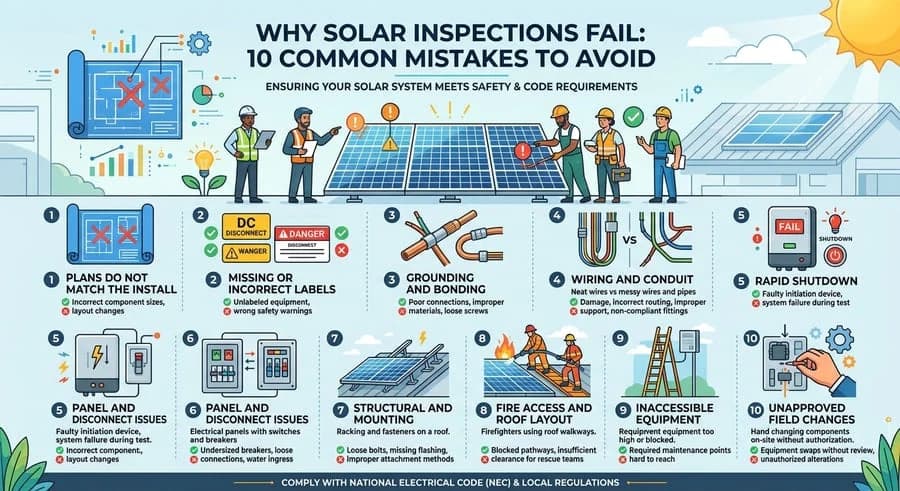
Why Solar Inspections Fail: 10 Common Mistakes to Avoid
Discover the 9 critical reasons solar inspections fail and how to avoid costly m...

Solar Grounding And Bonding: How To Pass Inspection Every Time
Learn how to pass solar grounding and bonding inspections every time. Avoid comm...
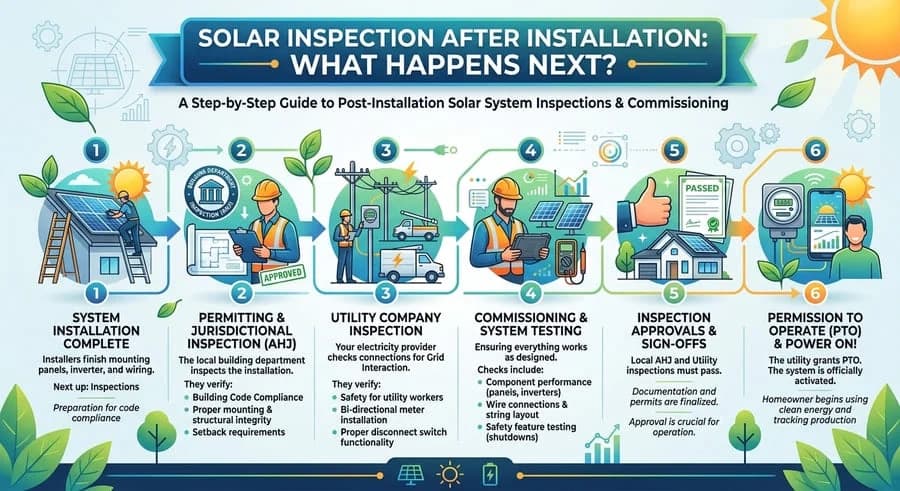
Solar Inspection After Installation: What Happens Next?
Learn how to pass your solar inspection by following essential tips for obtainin...