
Commercial solar interconnection is the process of connecting a solar energy system to the electrical grid to enable power distribution and compensation for generated electricity. The timeline varies significantly: small commercial projects (10-50 kilowatts) typically take approximately 62 days from application to permission to operate, while larger installations often require several months or more. The process involves two critical phases: submitting an interconnection application that includes system capacity, equipment specifications, and site details, followed by obtaining permission to operate (PTO) after installation, inspection, and utility approval. Interconnection complexity depends on system size, voltage requirements, battery storage integration, utility company procedures, and state-level regulations established by public utility commissions (PUCs). Common delays stem from utility administrative workflows, grid capacity constraints, required infrastructure upgrades, and technical review processes. Understanding voltage requirements is essential; utilities typically supply 208V to commercial customers, while most inverters over 20 kilowatts operate at 480V, necessitating transformers for compatibility. Strategic planning, regulatory compliance, and expert guidance are fundamental to avoiding costly delays and ensuring successful grid connection for commercial solar projects.

Why Solar Interconnection Matters
Commercial solar projects require interconnection to access the power grid and secure payment for electricity produced through distributed generation systems. Most commercial solar setups cannot achieve financial viability without utility compensation. Your interconnection process varies based on the electric utility provider, property characteristics, and municipal codes, including load-side and line-side specifications.
Obtain authorization from your utility company to receive interconnection approval. Verify that your solar panels and associated equipment satisfy specific standards for voltage levels, power quality, and system reliability as outlined by IEEE renewable energy technical standards.
Solar interconnection oversight can become quite intricate, particularly for large-scale commercial installations. Smaller commercial projects may experience interconnection complexity similar to residential solar systems.
Failing to account for all interconnection-related expenses can trigger multiple change orders and inflate your total solar system investment. This situation creates customer dissatisfaction and project timeline extensions.
Navigating Commercial Solar Interconnection
State-level public utility commissions (PUCs) establish interconnection regulations across the United States that both utility providers and solar installation companies must observe. Numerous states have implemented safety protocols aligned with IEEE 1547 and UL 1741 standards, which are critical for mastering electrical fundamentals.
Interconnection regulations differ from state to state, with certain jurisdictions maintaining more complex and ambiguous guidelines than others. This situation drives up the soft costs associated with solar PV project installation. Variable requirements create additional challenges for solar contractors working across multiple states, as they must master the regulations in every jurisdiction where they execute installations. Organizations like SolSmart work to streamline these permitting processes.
Your solar system must meet grounding, power quality, and voltage specifications to successfully complete the interconnection process. Certain commercial solar projects will necessitate an impact study. Complete two primary steps in the proper sequence during the solar interconnection process.

Solar Interconnection Application Procedure
Commercial projects, like residential installations, require completing an interconnection application form. These applications include fundamental details such as system capacity, solar PV components, site location, and projected solar electricity generation. Large commercial projects involve relatively complex application processes. Solar installations paired with battery storage present exceptional complexity due to the battery’s impact on the electrical grid.
Throughout the solar interconnection application phase, contractors and project developers must demonstrate that their renewable energy system satisfies various specifications. The application must clearly define the solar interconnection point using three-line diagrams. Update the application whenever changes or adjustments occur to the solar project.
Solar Permit Solutions
Commercial Solar Design Services
Professional permit plan sets for commercial installations. PE-stamped, code-compliant, fast delivery.
Permission To Operate
Systems require permission to operate (PTO) and an approved interconnection agreement before activation. Complete installation, inspection, and utility provider approval first. Understanding solar permit timelines helps set realistic expectations. Your solar system gains authorization to operate and connect to the utility grid after fulfilling all interconnection specifications, including proper NEC 690.56(C) labeling requirements.
Commercial Solar Interconnection Timeline
Process duration depends heavily on the utility company, potential complications, and response speed from the solar contractor or developer to utility requests. Solar systems incorporating energy storage typically require extended approval periods. This occurs because the solar installation functions as both a load and a generator, depending on the operational mode. Some jurisdictions have streamlined solar interconnection approval procedures, especially for residential and small commercial solar systems. Other jurisdictions have not.
A 2015 National Renewable Energy Laboratory study revealed that average small commercial projects (10-50 kilowatts) required approximately 62 days from interconnection application submission to receiving permission to operate. Remember that solar interconnection timeframes fluctuate significantly based on jurisdiction and photovoltaic solar project scale. Large commercial projects often demand substantially longer periods.
Common Causes of Solar Interconnection Delays
Solar interconnection delays frequently result from utility administrative workflows, permitting complications, technical evaluations, and grid capacity constraints. Extensive paperwork, regulatory authorizations, and utility coordination can impede progress. Required grid infrastructure upgrades to accommodate solar integration sometimes extend the timeline. Local regulations and solar interconnection process complexity vary, affecting the overall timeframe. Consider utilizing permit expediting services to minimize delays.
Solar Permit Solutions developed to speed up renewable energy adoption, specializing in resolving solar permitting, engineering, and interconnection challenges.
Residential vs. Commercial Solar Interconnection: Key Distinctions
Residential solar interconnection typically follows a straightforward path, with most systems linking to the power grid without requiring substantial equipment upgrades beyond meter installation. Commercial solar interconnection, however, presents greater complexity due to larger system scales and elevated voltage demands. These installations commonly necessitate additional modifications and infrastructure enhancements to guarantee seamless grid integration. The International Energy Agency reports continued growth in commercial renewable energy installations worldwide.
Solar Interconnection Point Considerations
Connecting small solar projects to high-voltage transmission lines rarely proves cost-effective, as interconnection expenses typically escalate with power line voltage levels.
Larger commercial installations, including community solar farms, generally require connection to three-phase distribution lines. Utility-scale projects connect directly to substations or transmission lines operating at 69 kV or above.
When solar farms are not situated adjacent to transmission lines or substations, solar contractors must install generation tie lines to link the clean energy project to the grid. Construction costs for these tie lines run high and can substantially influence project return on investment. Therefore, selecting locations near transmission lines or solar farm substations offers clear advantages.
Proximity to high-voltage lines near a proposed solar farm doesn’t automatically guarantee adequate capacity to accommodate additional solar-generated power. Electrical equipment sometimes requires capacity upgrades, which carry significant costs. Off-grid solar system design offers an alternative for remote locations.
Solar Interconnection Voltage Requirements
Interconnection voltage represents a vital factor for commercial solar installations. Utilities commonly deliver 208V to commercial customers, yet most inverters exceeding 20 kilowatts function at 480V. Consequently, numerous commercial solar systems need transformers to reduce voltage for proper compatibility.
Additionally, larger solar systems utilizing multiple inverters require combiner panels to consolidate their outputs. Install these panels on rooftops as standard practice, though mechanical rooms or basements serve as alternative locations based on system design and site specifications. Understanding supply-side connections is essential for proper system design.
Utility Compensation Structures
Net metering laws enable many residential and select commercial solar customers to receive compensation for solar electricity at retail rates. Laws fluctuate across states, with some states lacking net energy metering programs entirely. Commercial power customers face varying policies depending on their commercial account classification. Some commercial customers can offset demand charges on utility bills with solar power generation, while others cannot. The U.S. Department of Energy provides guidance on federal tax credits and incentives.
Understanding Solar Farm Substations
A solar farm substation serves as essential infrastructure that enables solar farm connection to the electrical grid. Here’s how it functions:
Voltage Step-Up Function
Solar farm substations contain transformers that elevate the voltage of electricity generated at the solar farm. Solar panels produce electricity at lower voltages, which undergoes conversion to substantially higher voltages required for efficient long-distance transmission.
Interconnection Point
The substation establishes the interconnection point between the solar farm and the grid. It synchronizes electricity generated by the solar farm with the grid’s voltage, frequency, and phase specifications, enabling integration into the broader electrical network.
Protection and Control Systems
Modern solar farm substations feature protection devices, including circuit breakers and relays, that protect both the solar farm and grid from electrical faults or irregularities. Control systems manage electricity flow, verifying that power output aligns with grid requirements as recommended by ENERGY STAR efficiency standards.
Monitoring and Communication Capabilities
Solar farm substations typically incorporate monitoring and communication systems that analyze solar farm performance, regulate transformer and equipment operations, and transmit data to utility providers or solar farm operators. The American Solar Energy Society provides resources on best practices for system monitoring.
Energy Storage Integration
Solar farm substations frequently incorporate energy storage systems, such as batteries, to collect excess energy generated during peak sunlight hours. Release this stored energy during low solar generation periods, enhancing solar power supply reliability and consistency. The World Bank supports energy storage initiatives globally.
Grid Connection for Solar Farms
The interconnection process grows more manageable with accumulated experience, particularly when technical requirements stay consistent or undergo streamlining.
Apply expert knowledge to the interconnection process as a critical success factor. Many solar companies unfortunately lack this specialized knowledge internally, or they cannot dedicate sufficient time to properly manage the interconnection process and position solar equipment optimally. Resources from Green Building Advisor provide valuable technical guidance.
Conclusion
Mastering the commercial solar interconnection process stands as a fundamental requirement for project success in today’s renewable energy landscape. Navigate this complex procedure with careful attention to utility requirements, voltage specifications, and regulatory compliance to avoid costly delays and budget overruns. Understanding the distinctions between residential and commercial interconnection, recognizing the importance of strategic point-of-interconnection selection, and preparing for potential grid upgrades will position your solar projects for optimal performance and financial returns. Take proactive steps to address interconnection challenges early in your project planning phase, secure expert guidance when needed, and maintain clear communication with utility providers throughout the approval process. Success in commercial solar interconnection ultimately depends on thorough preparation, technical expertise, and strategic project management from application submission through permission to operate. For those interested in DIY solar power systems, understanding these interconnection requirements is equally crucial. Additionally, the EPA’s Green Power Markets initiative supports organizations transitioning to renewable energy.
FAQS
What is commercial solar interconnection, and why is it necessary?
Commercial solar interconnection is the process of connecting your solar energy system to the electrical grid to enable power distribution and receive compensation for electricity generated. This connection is necessary because most commercial solar installations cannot achieve financial viability without utility compensation for the energy they produce. The interconnection ensures your solar system meets voltage, power quality, and reliability standards required by utility providers while allowing you to offset energy costs and potentially earn credits for excess power generation.
Commercial Solar Design Services
Professional permit plan sets for commercial installations. PE-stamped, code-compliant, fast delivery.
Frequently Asked Questions
Commercial solar interconnection is the process of connecting your solar energy system to the electrical grid to enable power distribution and receive compensation for electricity generated. This connection is necessary because most commercial solar installations cannot achieve financial viability without utility compensation for the energy they produce. The interconnection ensures your solar system meets voltage, power quality, and reliability standards required by utility providers while allowing you to offset energy costs and potentially earn credits for excess power generation.
Commercial solar interconnection timelines vary significantly based on project size, utility company procedures, and jurisdiction requirements. Small commercial projects (10–50 kilowatts) average approximately 62 days from application submission to receiving permission to operate, according to National Renewable Energy Laboratory data. Larger commercial projects often require substantially longer periods, potentially extending several months or more. Systems incorporating battery storage typically face extended approval timelines due to their dual function as both load and generator. Streamline your process by responding promptly to utility requests and ensuring all application materials are complete and accurate.
Solar interconnection delays frequently stem from utility administrative workflows, permitting complications, technical evaluations, and grid capacity constraints. Extensive paperwork requirements, regulatory authorizations, and coordination challenges with utility providers can significantly impede progress. Required grid infrastructure upgrades to accommodate solar integration often add considerable time to the approval timeline. Incomplete or inaccurate application submissions, failure to meet technical specifications, and complex projects involving energy storage systems also contribute to extended approval periods. Local regulations and solar interconnection process complexity vary widely by jurisdiction, directly affecting overall timeframes.
Load-side interconnection connects your solar system on the customer side of the utility meter, typically through your building's main electrical panel. This approach works well for smaller commercial systems and generally involves less complex utility approval processes. Line-side interconnection connects your solar system directly to the utility side of the meter, between the meter and the grid. This method is commonly required for larger commercial solar installations that exceed the capacity of the main electrical panel or when load-side connections are not feasible. Line-side connections typically involve more extensive utility review, additional equipment requirements, and higher interconnection costs.
Most commercial solar systems require transformers due to voltage compatibility requirements. Utilities typically supply 208V to commercial customers, while most inverters exceeding 20 kilowatts operate at 480V. Install a transformer to step down the voltage and ensure proper compatibility between your solar system and the grid. Larger solar systems with multiple inverters also need combiner panels to merge their outputs before connecting to the grid. Position these transformers and combiner panels strategically based on your system design, site requirements, and electrical configuration. Consult with qualified solar contractors to determine the specific transformer specifications your commercial installation requires.

SPS Editorial Team
Solar Permit Solutions
Solar Permit Solutions provides professional solar permit design services for residential, commercial, and off-grid installations across all 50 states. Our team ensures permit-ready plan sets delivered fast.
Related Articles
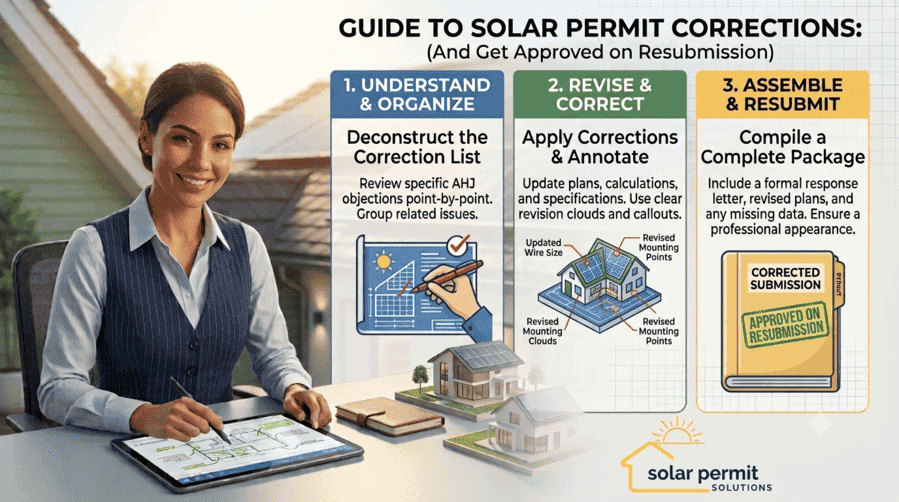
How to Respond to Solar Permit Corrections (And Get Approved on Resubmission)
To respond to a solar permit correction, read every comment from every reviewing...
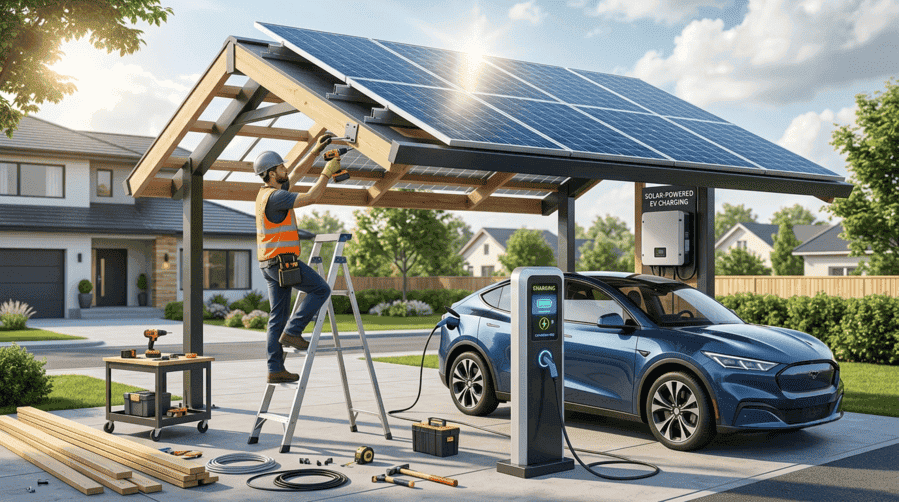
Can an EV Charging Station Be Powered by Solar? Here’s How to Build One
Yes, an EV charging station can be powered by solar. A grid-tied solar array pai...
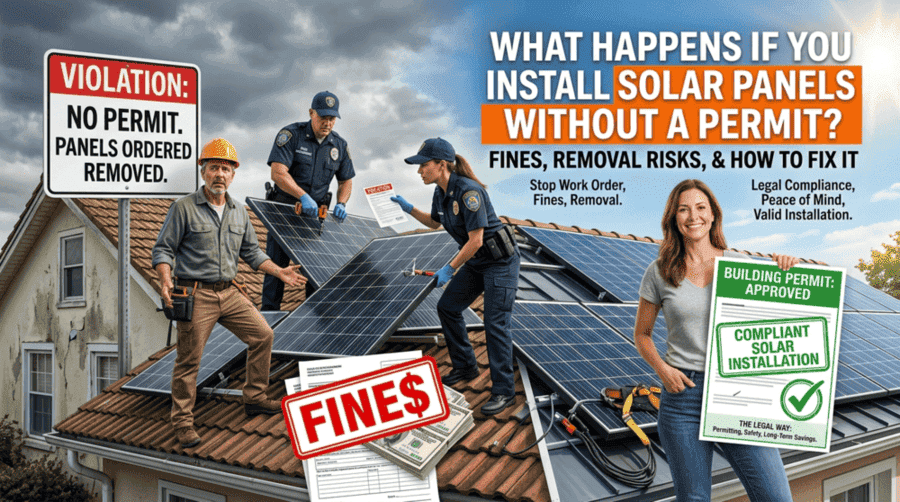
What Happens If You Install Solar Panels Without a Permit? Fines, Removal Risks, and How to Fix It
Skipping the solar permit? You risk fines, forced removal, voided warranties, in...