Most residential air conditioners need 8 to 13 solar panels rated at 400W each to run during daylight hours. The exact number depends on AC size: a small window unit (500W) needs 1 to 2 panels, a 1-ton central AC or mini-split (3,500W) needs 8 to 9 panels, and a 2-ton central AC (5,000W) needs 12 to 13 panels. These figures assume 4 to 5 peak sun hours per day, which covers most of the continental United States.
To run an AC at night or during cloudy periods, a battery bank of 20 to 30 kWh is required. Grid-tied systems without batteries use utility power after sunset and offset that cost through net metering credits earned during the day.
The three factors that determine your panel count are AC operating wattage, daily runtime hours, and your location’s peak sun hours. This guide covers the sizing formula for each AC type, a wattage table for common units, system cost ranges ($10,000 to $25,000 for complete installations), and the permit requirements for solar systems sized to support air conditioning loads.
This guide explains solar AC system components, sizing calculations based on air conditioner wattage, installation costs, and configuration options for residential cooling applications.
Converting Sunlight Into Cool Air
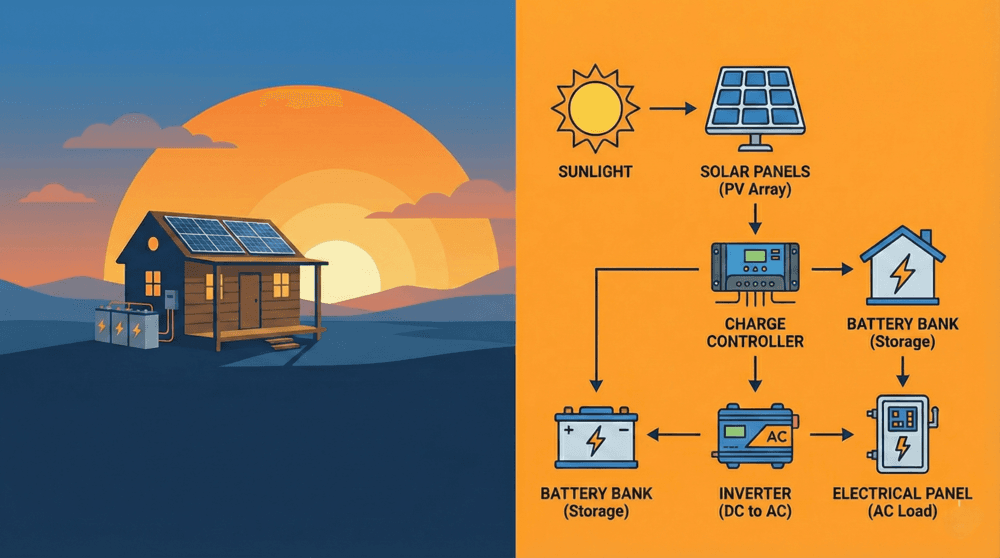
Picture compact energy generators mounted on your rooftop, capturing natural sunlight throughout the day. Solar panels perform exactly this function by absorbing solar radiation and generating direct current electricity. Consider this initial power similar to untreated water flowing from its source.
Your household equipment, particularly air conditioning units, requires processed electricity. Standard residential systems operate on alternating current. An inverter handles this conversion process by transforming raw DC output into usable AC power for home systems. After conversion, this renewable electricity either powers your cooling equipment immediately or gets stored in batteries for future consumption.
Your solar cooling setup can follow several configurations based on your property requirements:
Utility-Connected Systems (Grid-Tied): Most American residences maintain utility connections. Grid-tied solar installations power air conditioners during daylight hours while sending surplus generation back to the utility network. This arrangement typically provides billing credits, effectively reducing monthly charges. Battery storage becomes optional since grid power remains available after sunset.
Standalone Operations (Off-Grid): Properties without utility access or homeowners pursuing total energy self-sufficiency choose off-grid configurations. These systems generate all required electricity through solar arrays paired with battery banks. Substantial battery capacity ensures continuous air conditioning operation regardless of weather conditions. For those interested in building their own systems, comprehensive guides are available.
Combined Approaches (Hybrid): Hybrid configurations integrate utility connections with battery storage. These installations deliver backup power during grid failures while maximizing solar savings through strategic energy storage and utility credit programs.
Calculating Air Conditioner Energy Requirements
Understanding your cooling system’s power consumption precedes any solar planning. Air conditioning represents one of the largest residential energy loads, according to renewable energy research. Follow these assessment steps:
Step 1: Locate Equipment Specifications
Find the nameplate on your air conditioning unit, typically positioned on the exterior panel. The label displays either:
Watts: Direct power consumption measurement
Amps: Convert to watts using this calculation:
Watts = Amps × Voltage
(Residential voltage typically measures 120V or 240V depending on circuit configuration.)
Step 2: Understand Dual Power Requirements
Air conditioners demand electricity at two distinct levels:
Operating Wattage: Continuous power draw during normal operation, representing steady energy consumption
Startup Wattage (Inrush Current): Momentary high-power demand during compressor activation, lasting several seconds
Reference this comparison chart:
Step 3: Calculate Daily Energy Consumption
Determine average daily operating hours for your cooling system. Apply this formula:
Daily Energy Usage (Wh) = Operating Wattage × Daily Runtime Hours
Example calculation:
A 3,000W air conditioner operating 6 hours daily: 3,000W × 6 = 18,000 Wh (equivalent to 18 kWh)
Critical Solar AC System Components
Beyond foundational knowledge, homeowners planning solar cooling installations require these essential components. Each piece works interdependently to deliver reliable solar-powered air conditioning.
Solar Panels: These function as primary energy harvesting devices. Photovoltaic cells within panels capture sunlight and generate DC electricity. Panel quantity and individual wattage ratings (commonly 300 to 500 watts each) determine total system generation capacity. Higher wattage ratings or increased panel counts produce greater electricity output for cooling equipment. Equipment specifications detail panel performance characteristics essential for proper system design.
Inverter: Solar arrays generate DC power, while air conditioners require AC electricity. The inverter performs this critical conversion function, ensuring compatibility with residential electrical systems. Understanding electrical fundamentals helps homeowners grasp this crucial component’s role.
Battery Storage: Batteries serve as energy reserves, capturing excess solar generation during peak production periods. Stored power enables air conditioning operation after dark, during overcast conditions, or throughout utility outages. Battery bank capacity directly determines cooling system runtime without active solar generation.
Charge Controller: Battery-equipped systems require charge controllers for optimal performance. These devices regulate electricity flow from solar arrays to battery banks, preventing overcharge conditions and excessive discharge cycles. Proper charge management protects batteries and maximizes operational lifespan.
Mounting Hardware and Electrical Connections: Robust mounting systems secure solar panels to rooftops or ground installations. Professional-grade wiring connects system components safely and efficiently, enabling seamless power transfer from panels through inverters and batteries into main electrical panels.
Solar Permit Solutions
Need Solar Permit Plans?
Professional, permit-ready solar plan sets delivered fast. Residential and commercial projects across all 50 states.
Three-Step Solar System Sizing for Air Conditioning
After determining air conditioner power consumption, homeowners can calculate required solar system capacity. This assessment process confirms the installation meets cooling demands. Professional residential solar design ensures optimal system performance.
Follow this sizing methodology:
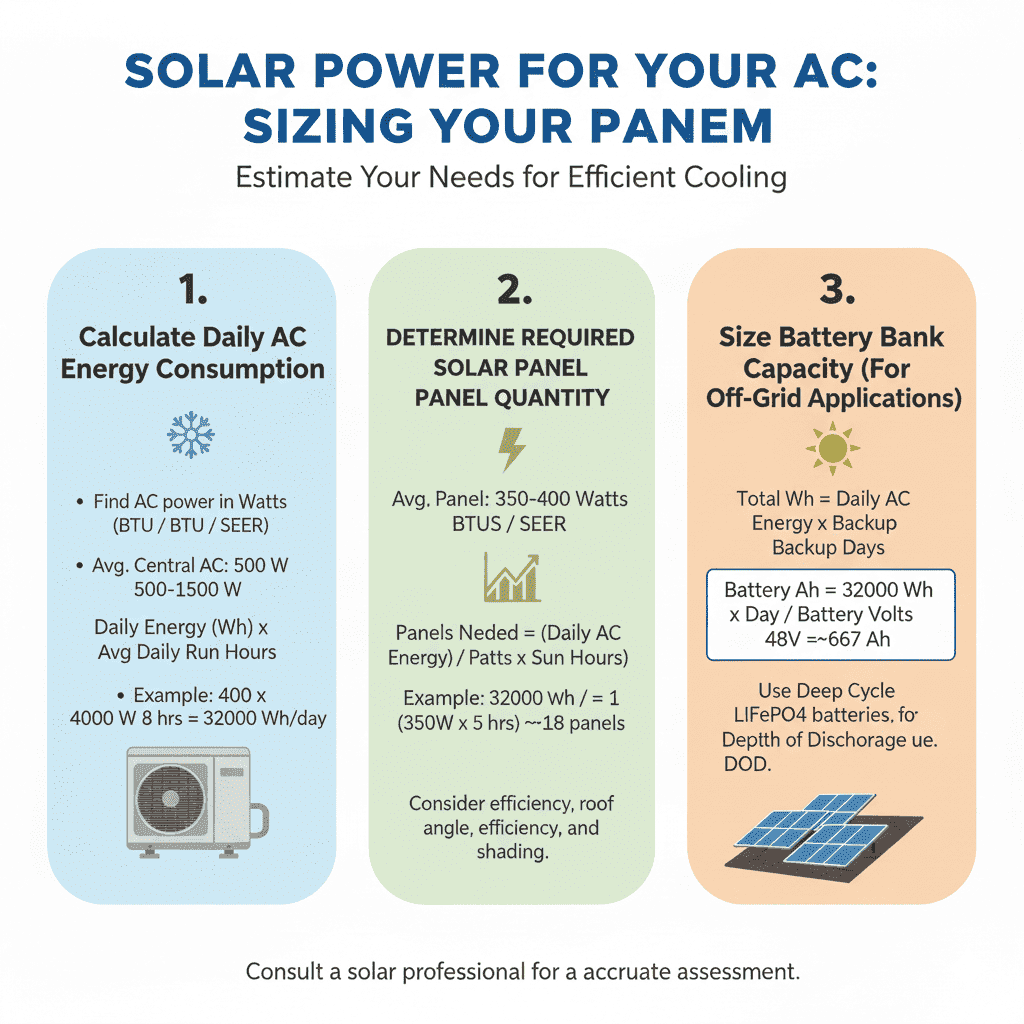
STEP 1: Calculate Daily AC Energy Consumption
Begin with the air conditioner’s operating wattage and projected daily runtime hours.
Example: A central air conditioning system drawing 3,000 operating watts for 6 hours daily consumes 3,000 watts × 6 hours = 18,000 watt-hours, or 18 kWh.
STEP 2: Determine Required Solar Panel Quantity
Actual solar panel output depends on wattage specifications and location-specific “peak sun hours.” Peak sun hours represent average daily periods when solar irradiance equals full sunlight intensity (1,000 watts per square meter). This measurement varies by geographic location and seasonal conditions.
Example: A standard 400-watt solar panel receiving 4 effective peak sun hours daily produces approximately 400 watts × 4 hours = 1,600 watt-hours, or 1.6 kWh daily.
Meeting an 18 kWh daily requirement: 18 kWh ÷ 1.6 kWh per panel = 11.25 solar panels. Round up to 12 panels for adequate capacity.
STEP 3: Size Battery Bank Capacity (For Backup/Off-Grid Applications)
Nighttime or cloudy-period air conditioning operation requires sufficient battery storage. Calculate backup power duration requirements and account for battery efficiency losses.
Example: Covering 18 kWh from battery reserves requires a 20 kWh battery bank, providing appropriate margin for efficiency factors and preventing complete discharge cycles that reduce battery longevity.
Additional Sizing Considerations
Regional Sunlight Availability: Areas with abundant sunshine require fewer panels compared to frequently overcast climates. Residential solar guidance provides region-specific recommendations.
Available Installation Space: Adequate unshaded roof area or ground space must accommodate necessary panel quantities. HOA regulations may impact installation locations in certain communities.
Building Envelope Efficiency: Well-insulated structures demand less cooling, reducing overall power requirements.
Seasonal Usage Patterns: Air conditioning peaks during summer months, which typically coincide with maximum solar generation. Plan for cooling requirements during lower-production periods.
Reference this sizing estimate for common air conditioning types, based on 400W solar panels and 4 peak sun hours daily for daytime operation:
Important Note: These figures provide general estimates. Actual panel requirements vary based on specific equipment models, local solar resources, panel efficiency ratings, and battery usage for continuous cooling operations.
|
AC Type |
Approximate Operating Wattage | Approximate 400W Solar Panel Quantity |
|
Small Window Unit |
500 Watts |
1-2 panels |
|
Medium Window Unit |
900 Watts |
2-3 panels |
|
Large Window Unit |
1,440 Watts |
3-4 panels |
|
1-Ton Central/Mini-Split |
3,500 Watts |
8-9 panels |
|
2-Ton Central/Mini-Split |
5,000 Watts |
12-13 panels |
Benefits of Solar-Powered Air Conditioning
Transitioning to solar energy for cooling systems delivers multiple tangible advantages. Beyond financial savings and environmental responsibility, solar cooling creates more intelligent, self-sufficient residential systems. Explore the primary benefits solar-powered air conditioning provides homeowners and families.
Reduced Monthly Utility Expenses
Solar-powered air conditioning decreases monthly electricity expenditures significantly. Summer heat drives air conditioning usage upward along with corresponding utility charges. Solar panels harness free sunlight, reducing reliance on costly grid electricity. Some homeowners achieve complete elimination of cooling costs during peak sunshine months.
Power Reliability and Self-Sufficiency
Solar air conditioning systems paired with battery storage maintain comfortable indoor temperatures during utility failures. When grid power fails, your installation continues cooling operations uninterrupted. This configuration provides confidence and freedom from external power disruptions.
Environmental Responsibility and Renewable Energy
Solar power generation produces zero greenhouse gas emissions during operation. Selecting solar for air conditioning reduces carbon emissions and enhances air quality. This choice directly supports environmental preservation and demonstrates commitment to renewable energy adoption, as documented in global status reports.
Enhanced Home Value and Financial Incentives
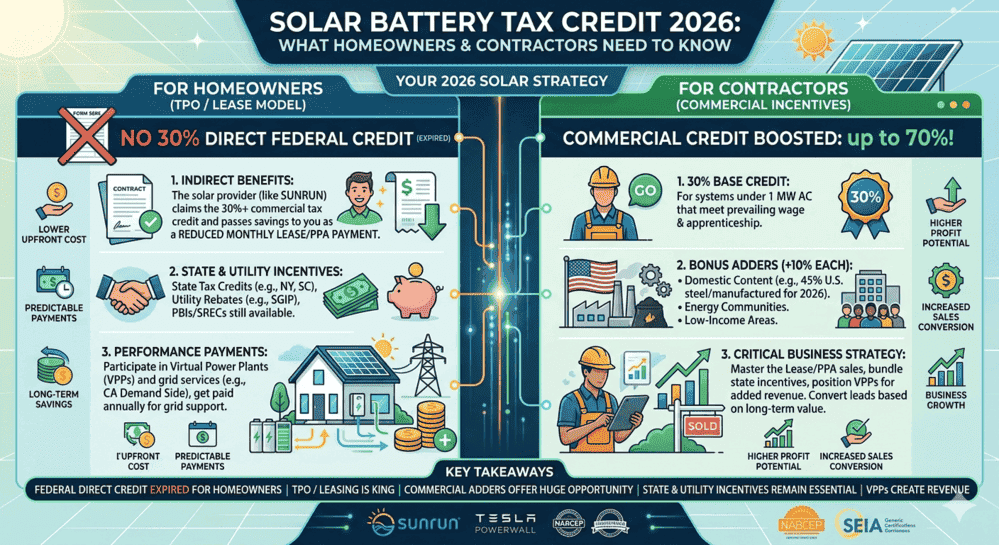
Properties equipped with solar installations typically command higher sale prices. Prospective buyers recognize solar systems as indicators of efficiency and reduced operating expenses. Additionally, numerous jurisdictions provide tax credits, utility rebates, and financial incentives for solar adoption, making initial investments more accessible while boosting property valuations. However, homeowners should understand potential tax credit issues to avoid complications.
Inverter vs. Standard AC: Which is Better for Solar?
If you are planning to go solar, the type of air conditioner you own is just as important as the number of panels on your roof. There are two main types of compressors: Standard (Fixed-Speed) and Inverter (Variable-Speed).
Standard AC: The “Hard Start” Challenge
A standard air conditioner operates like a light switch: it is either 100% on or 100% off. When the thermostat calls for cooling, the compressor kicks on with a massive “inrush current” or startup surge.
The Solar Problem: This surge can be 3 to 5 times higher than the running wattage. If your solar inverter or battery bank isn’t sized to handle that split-second spike, your system will trip or shut down.
Inverter AC: The Solar-Friendly Choice
Inverter technology works like a dimmer switch. It starts up slowly and increases speed gradually to maintain a constant temperature.
Why it wins for Solar: Because it avoids the massive startup surge, you can often get away with a smaller (and cheaper) solar inverter. Furthermore, Inverter ACs are roughly 30-50% more efficient, meaning you’ll need fewer total panels to keep your home cool.
The Verdict: If you are building a new solar-powered cooling system from scratch, investing in an Inverter AC (or Mini-Split) will significantly lower your total solar equipment costs and provide a much more stable system.
Pre-Installation Considerations for Solar Cooling
Upfront Investment: Solar air conditioning systems demand initial capital for panels, inverters, batteries, and professional installation. While long-term electricity savings prove substantial, determining payback period remains crucial. Compare options on solar marketplaces for competitive pricing.
Installation Space: Solar arrays require unobstructed roof or ground areas. Larger cooling systems necessitate additional panels, while battery backup systems require indoor or weatherproof outdoor locations.
Climate Variables: Solar panels depend on sunlight for electricity generation, with cloudy or snow-covered conditions reducing power output. Battery systems compensate during low-production periods, though extended overcast weather impacts overall performance.
Ongoing Maintenance: Solar panels require periodic cleaning to eliminate dust and debris accumulation. Batteries feature finite operational lifespans, requiring eventual replacement. Understanding end-of-life panel management helps plan for long-term system sustainability.
Expert Installation: Licensed professional installation guarantees system safety, building code compliance, and dependable long-term operation. Understanding regulations and permits ensures compliance with local requirements. Permit processing timelines vary by jurisdiction, and avoiding common design mistakes prevents costly delays. Never install panels without proper permits, as this creates legal and safety complications. Find certified solar professionals through industry directories, or explore streamlined permitting programs in participating communities. Those interested in deeper solar knowledge can explore essential DIY solar resources for educational purposes.
Harness Summer Sunlight for Home Cooling
Intense summer heat doesn’t require uncomfortable indoor conditions. The proper solar configuration transforms that same powerful sunlight into cooling energy.
Solar-powered air conditioning represents a growing preference among residential property owners, contributing to global renewable energy trends. This approach delivers measurable benefits including decreased operational expenses, minimized environmental impact, and enhanced energy autonomy.
Successful implementation requires assessing specific air conditioning power requirements and choosing appropriate system components. Current technology and available resources make solar cooling installations achievable for diverse household needs. Whether you’re considering professional solar design services or exploring your options, proper planning ensures optimal results.
Do You Need a Permit to Run Solar Panels for Air Conditioning?
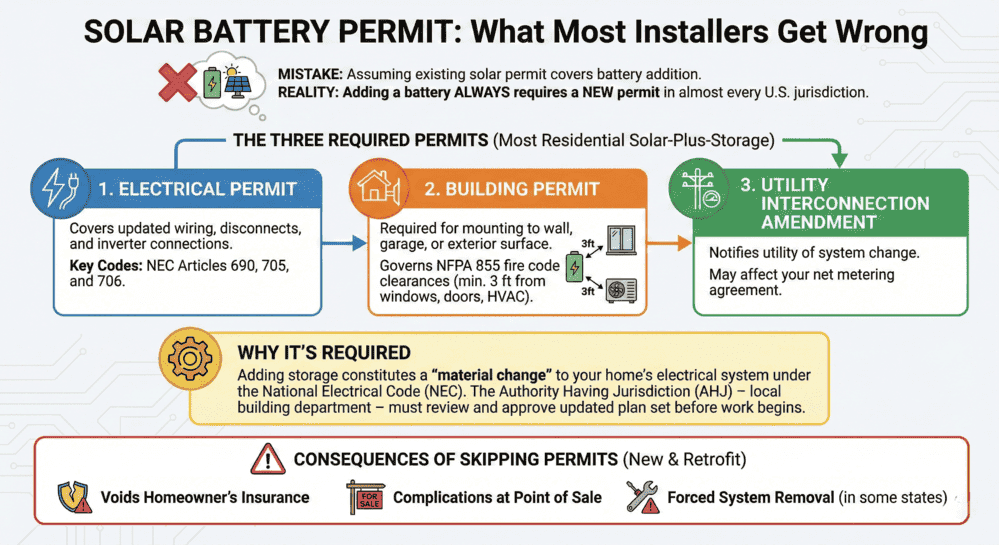
Yes. Any solar installation sized to power an air conditioner, whether a small window unit or a central AC system, requires a building permit and an electrical permit from your local Authority Having Jurisdiction (AHJ) before installation begins. There are no size exemptions for residential grid-tied systems in any U.S. state.
The permit requirement applies regardless of whether your goal is to offset AC loads specifically or power your whole home. What changes based on system size is what the permit package must include.
What the Permit Plan Set Must Cover
A solar permit plan set for an AC-supporting system typically requires:
Site plan showing panel layout, roof orientation, and setback dimensions from ridgelines and hips per fire code access requirements.
Electrical single-line diagram (SLD) showing the complete circuit from panels through the inverter, disconnect switches, and connection point at the main service panel. If you are adding battery storage for nighttime AC operation, the SLD must also show the battery, hybrid inverter or AC coupling configuration, and automatic transfer switch if applicable. See our guide to solar battery permit requirements for what that adds to the package.
Structural attachment details confirming the roof can support the added load. For systems sized to run central AC (10+ panels), most AHJs require PE-stamped solar structural engineering calculations.
Equipment specifications including datasheets for panels, inverter, and racking system confirming they meet NEC Article 690 requirements.
Load calculations confirming the inverter output and service panel capacity can handle the AC’s startup surge current, which can reach 3 to 5 times the running wattage on standard compressors. Our guide to solar wiring diagrams covers how surge current gets documented in the plan set.
PE Stamp Requirements by System Size
Most residential solar systems sized to run air conditioning fall in the 3 to 15 kW range. PE stamp thresholds vary by state. Our solar PE stamp requirements by state guide covers every jurisdiction in detail, but as a general rule:
- Florida, New York, New Jersey: PE stamp required on virtually all residential installations regardless of size
- California: Structural PE typically required for rooftop systems above 10 kW; electrical PE above 50 kW
- Texas, Arizona, Colorado: PE stamp required for commercial installations; residential requirements vary by municipality
If your system is in the 8 to 13 panel range covered in this guide, assume a PE stamp will be required and budget for it accordingly.
How Long Solar Permits Take
Permit approval timelines range from 3 business days in jurisdictions using automated platforms like SolarAPP+ to 4 to 6 weeks in municipalities that review manually. The single biggest cause of delays is an incomplete or non-code-compliant plan set submitted on the first attempt. Our breakdown of why solar inspections fail covers the most common plan set errors that trigger rejections.
Solar Permit Solutions delivers PE-stamped, AHJ-ready solar permit plan sets for residential and commercial installations across all 50 states, including systems sized to support air conditioning loads, with a standard 2 to 5 business day turnaround. Submit your project details here to get started.
Conclusion
Solar-powered air conditioning transforms how homeowners approach summer cooling costs and energy consumption. Understanding your air conditioner’s power requirements, calculating necessary solar panel quantities, and selecting appropriate system components establishes the foundation for successful solar cooling implementation. Whether choosing grid-tied systems for immediate utility savings, off-grid configurations for complete independence, or hybrid solutions combining both advantages, solar technology delivers reliable climate control while reducing environmental impact.
The initial investment in solar cooling equipment generates long-term financial returns through decreased electricity bills, potential property value increases, and available tax incentives. Regional sunlight availability, roof space, and seasonal usage patterns influence system sizing, yet current solar technology accommodates diverse residential applications. Professional installation ensures optimal performance and code compliance, maximizing your solar cooling system’s efficiency and longevity.
Taking the first step toward solar-powered air conditioning means assessing your specific cooling demands, evaluating available installation space, and consulting qualified solar professionals. The combination of free sunlight, advancing technology, and growing installer expertise makes solar cooling increasingly accessible for American homeowners seeking energy independence and reduced operating costs.
FAQs
How many solar panels to run an air conditioner
Solar panel requirements depend on air conditioner size and local sunlight conditions. Small window units (500 W) typically need 1-2 panels of 400 W capacity, while central air systems (3,500-5,000 W) require 8-13 panels for daytime operation. Calculate your specific needs by dividing daily energy consumption by panel output based on local peak sun hours. For example, an AC using 18 kWh daily in an area with 4 peak sun hours needs approximately 12 standard 400 W panels.
How many watts of solar panels do I need to run an air conditioner?
You need roughly 1,200 watts of solar panel capacity for every ton of cooling capacity your air conditioner provides. A 1-ton AC (3,500W running load) needs a 3.5 to 4.2 kW solar array using 400W panels, which works out to 9 to 11 panels. A 2-ton central AC (5,000W) needs 5 to 6 kW of panels, or 13 to 15 panels.
These figures assume 4 to 5 peak sun hours per day and a standard 0.80 system efficiency factor accounting for heat, wiring, and inverter losses.
The wattage formula is:
Solar array size (W) = AC running watts / (peak sun hours x 0.80)
One important distinction: standard fixed-speed compressors draw a startup surge of 3 to 5 times their running wattage for a few seconds when the compressor kicks on. Your inverter must be sized to handle that surge, not just the steady running load. Inverter-type mini-splits ramp up gradually and avoid this surge entirely, which is why they typically need 30 to 50 percent fewer panels than a conventional central AC of the same tonnage.
For nighttime or cloudy-day operation, battery storage adds roughly 20 to 30 kWh of capacity to the system. Grid-tied systems without batteries handle after-sunset cooling through net metering instead.