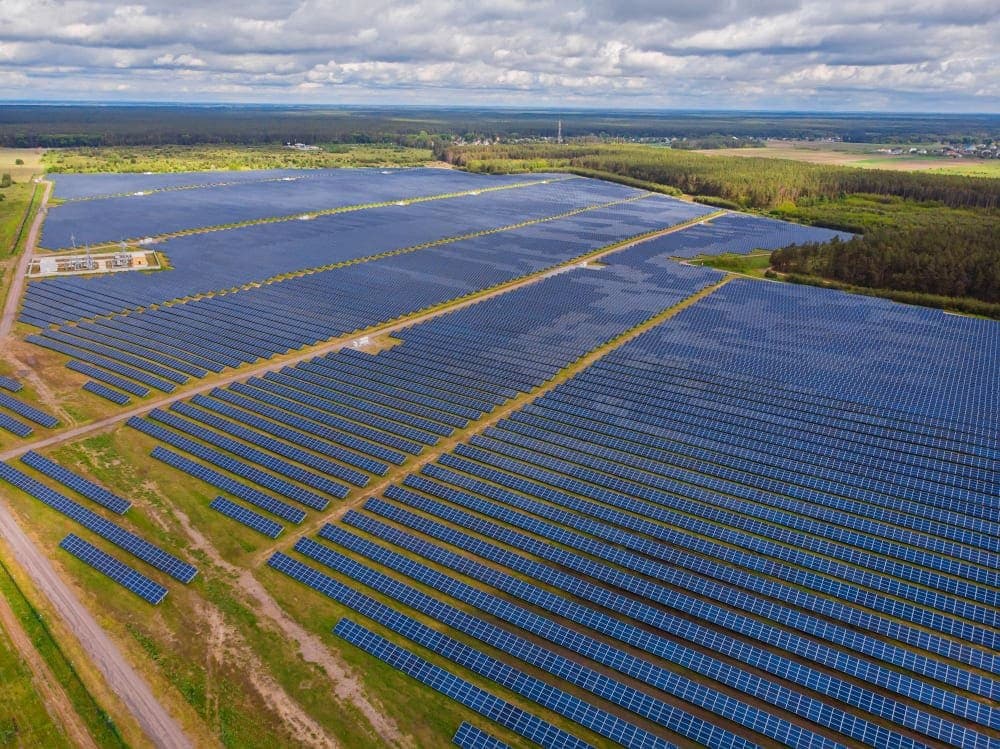
Solar land lease permitting requires multiple approvals, including conditional use permits (CUP), building permits, environmental impact assessments, and utility interconnection applications. Zoning laws directly determine whether your property qualifies for solar farm development, with requirements varying significantly between utility-scale projects (200+ acres) and community solar installations (10-20 acres).
Key permitting facts:
- Timeline: 6 months to 3 years depending on jurisdiction
- Essential permits: CUP, building/electrical permits, land use permits, EIA, interconnection application
- Common obstacles: Agricultural zoning restrictions, setback requirements (minimum distances from property lines/roads/wetlands), and community opposition
- Who obtains permits: Solar developers typically handle all permitting, though landowners must provide property access and documentation
Critical zoning considerations before signing a solar lease:
- Agricultural land zoning – Farmland often requires rezoning or special use permits since it’s designated for agricultural use only
- Setback restrictions – Zoning laws regulate how close solar panels can be installed to property boundaries, roads, or wetlands
- Project scale limitations – Some zones permit small-scale solar (1-5 MW) but restrict large-scale farms spanning hundreds of acres
- Environmental constraints – Properties near wetlands, flood zones, or protected wildlife habitats face additional regulatory requirements
Landowners should verify solar zoning eligibility with local authorities before executing lease agreements. Experienced solar developers can navigate the three-phase permitting process: (1) pre-development site assessment, (2) land use and zoning approvals, and (3) environmental and utility permits. Municipal permitting timelines, community engagement requirements, and evolving solar regulations significantly impact project viability and lease activation dates.
This comprehensive guide details specific permit types, zoning law impacts on different solar project categories, the step-by-step approval workflow, common regulatory challenges, and proven strategies for expediting the permitting process to help landowners and developers avoid costly delays.
Decoding Zoning Regulations For Solar Land Lease Agreements
Property owners considering solar land leasing or solar farm development must first comprehend the zoning regulations governing these renewable energy installations.
Defining Zoning Regulations
Zoning regulations constitute municipal ordinances that dictate permissible land usage across various geographic areas. Local governments designate parcels for residential, commercial, industrial, or agricultural purposes, with select regions incorporating specific guidelines for clean energy developments. Given that renewable energy expansion represents a relatively new phenomenon, numerous municipalities lack solar-specific zoning frameworks. Consequently, prospective solar installations frequently require presentation before governing boards for official authorization before project initiation.
Zoning Regulations’ Influence On Solar Farm Viability
Municipal zoning codes directly determine whether solar projects can proceed. These ordinances impact various solar installation categories differently.
- Utility-Scale Versus Community Solar Arrays: Certain jurisdictions permit smaller solar installations (ranging from 1 to 5 MW community-based systems) while prohibiting large-scale solar farms spanning hundreds of acres. Larger projects often face local resistance from residents citing visual impact concerns.
- Farmland Utilization: Specific areas mandate rezoning or special use authorization for solar development on agricultural property. Because farmland typically maintains agricultural-only zoning classifications, special permits become necessary for constructing non-farming infrastructure.
- Setback Requirements & Land Use Limitations: Zoning codes frequently specify minimum distances between solar panel arrays and property boundaries, roadways, or wetland areas. These restrictions prove crucial when evaluating land for solar lease potential. Properties adjacent to water bodies, protected wildlife zones, or main thoroughfares may encounter significant permitting challenges.
Essential Permits For Solar Land Lease Development
Solar project advancement requires landowners and developers to obtain multiple permits across different governmental tiers. Here’s a detailed breakdown of these authorization requirements.
Municipal Permit Requirements
- Conditional Use Permit (CUP): Mandatory in jurisdictions where solar farms lack explicit zoning approval. The CUP provides exceptions to standard zoning classifications for agricultural operations.
- Building & Electrical Authorizations: Required to verify that solar infrastructure and installation activities comply with local safety codes. Municipal offices or township authorities typically issue these project-specific permits.
- Land Use Permits: Govern site preparation activities including grading, drainage systems, and environmental considerations. Clearing vegetation or leveling terrain necessitates these permits.
State & Federal Authorization Requirements
- Environmental Impact Assessment (EIA): Certain states mandate environmental risk evaluations by solar developers. These investigations examine project effects on native wildlife, watershed systems, and additional environmental factors in accordance with EPA green power guidelines.
- Interconnection Application: A utility company submission necessary for linking the solar energy system to the power grid. This application specifies project location, capacity, and projected energy generation. Understanding solar interconnection methods is essential for successful grid connection.
- FAA Assessment (for airport proximity): Solar projects near aviation facilities require evaluation for potential glare interference with flight operations.

Solar Farm Permitting Workflow
Bringing solar farm projects from concept to reality demands several critical preparatory stages. Let’s examine the permitting workflow comprehensively.
Phase 1: Initial Site Evaluation
- Execute land surveys to identify zoning constraints and site compatibility.
- Analyze soil composition, flood risk areas, and wetland classifications.
- Collaborate with municipal officials to establish permit obligations.
Phase 2: Pursuing Land Use & Zoning Clearances
- File rezoning petitions or variance requests if the property lacks solar energy development zoning.
- Participate in zoning board sessions to secure community and government approval.
- When applicable, acquire a special use permit (SUP) or conditional use permit (CUP).
Phase 3: Obtaining Environmental & Utility Authorizations
- Secure stormwater management and erosion prevention permits.
- Submit an interconnection application to the regional utility provider.
- When mandated, complete an environmental impact evaluation to determine effects on wildlife habitats and regional ecosystems.
Solar Permit Solutions
Skip the Permit Headaches
We design plan sets that pass inspection the first time. Code-compliant, PE-stamped, accepted by AHJs nationwide.
Common Obstacles In Solar Zoning & Permitting
While solar land leasing offers significant advantages, property owners frequently face challenges throughout the zoning and permitting journey.
- Protracted Approval Timelines: Certain municipalities impose extended permitting schedules, postponing solar project commencement and consequently delaying land lease activation. Selecting an experienced solar development partner helps accelerate approval processes.
- Local Opposition: Community members may voice concerns regarding aesthetics, land utilization, or property valuations. Early community engagement and transparent communication about solar energy’s community benefits prove essential.
- Evolving Regulatory Framework: Some local governments regularly revise solar zoning ordinances, generating uncertainty for property owners. Staying current with municipal legislation or partnering with solar permitting specialists helps navigate regulatory complexities.

Proven Strategies For Seamless Zoning & Permitting
To prevent solar projects from stalling during the approval phase, both property owners and solar developers can implement several strategies to accelerate the process.
Action Steps For Landowners
- Consult Zoning Authorities Early: Confirm your property’s solar zoning eligibility before executing a solar lease contract.
- Comprehend Land Use Constraints: Familiarize yourself with setback mandates, vegetation control requirements, and buffer zone specifications.
- Partner With An Experienced Solar Developer: Seasoned solar companies efficiently navigate the permitting landscape. Established firms often maintain multiple projects within your jurisdiction and possess intimate knowledge of local zoning standards. Consider exploring off-grid solar system design options depending on your property type.
Action Steps For Solar Developers
- Foster Local Authority Relationships: Build connections with planning and zoning personnel to gain deeper insight into requirements and regulations.
- Develop Comprehensive Permit Applications: Incorporate environmental assessments, detailed site blueprints, and community advantage statements. Following IEEE renewable energy standards ensures technical compliance.
- Proactively Address Community Concerns: Supply fact-based information regarding solar farm impacts on local neighborhoods to counter misinformation about solar installations. Resources from NREL and the World Bank energy programs provide credible data for community presentations.
Conclusion
Successfully navigating zoning laws and permitting requirements stands as a fundamental prerequisite for profitable solar land leasing ventures. Property owners who invest time understanding local zoning ordinances, securing necessary permits, and collaborating with experienced solar developers position themselves to avoid costly delays and regulatory complications. The permitting process, from initial site assessments through final utility interconnection approvals, demands careful attention to detail and proactive engagement with local authorities.
As solar energy demand continues its upward trajectory, municipalities increasingly adapt their zoning frameworks to accommodate renewable energy projects. Landowners who stay informed about evolving regulations, maintain open communication with community stakeholders, and partner with reputable solar development firms can transform their property into a reliable income source while contributing to clean energy expansion. Remember that thorough preparation during the zoning and permitting phase ultimately determines project success, timeline efficiency, and long-term lease profitability. Take action now by consulting with zoning officials and evaluating your property’s solar development potential before executing any lease agreements. Additionally, homeowners interested in smaller-scale projects can explore DIY solar power systems while still adhering to local permitting requirements.
For more information on solar permitting best practices and technical requirements, visit our blog or explore Energy Star home energy resources. Understanding proper solar system labeling requirements and three-line diagram specifications further ensures compliance with safety standards. Property owners may also benefit from reviewing federal tax credits for solar installations and consulting green building resources for sustainable development practices.
FAQs
What happens if my land doesn’t meet current zoning requirements for solar?
If your property doesn’t conform to existing solar zoning requirements, several pathways remain available. First, you can apply for a zoning variance, which grants exceptions to standard regulations based on property-specific circumstances. Second, you can petition for rezoning, requesting that local authorities modify your land’s classification to permit solar development. Third, pursuing a conditional use permit (CUP) or special use permit (SUP) allows solar installations under specified conditions without permanent zoning changes. Finally, some solar developers possess experience working with municipalities to revise or create solar-friendly zoning ordinances, potentially benefiting your project and future developments. Each option requires presenting your case before zoning boards or planning commissions, making strong developer partnerships and community support crucial for successful outcomes.
Skip the Permit Headaches
We design plan sets that pass inspection the first time. Code-compliant, PE-stamped, accepted by AHJs nationwide.
Frequently Asked Questions
The solar farm permitting timeline varies significantly by jurisdiction but typically ranges from 6 months to 3 years. Several factors influence this duration, including local government efficiency, community engagement requirements, environmental assessment complexity, and utility interconnection queue times. Jurisdictions with established solar-specific zoning ordinances generally process applications faster than areas creating regulatory frameworks from scratch. Experienced solar developers can often expedite timelines by maintaining pre-existing relationships with local authorities and submitting comprehensive, error-free applications. To avoid unexpected delays, landowners should consult with municipal planning departments early to understand specific timeline expectations for their region.
Yes, agricultural land can be rezoned for solar development, though the process varies by location. Many farmland parcels maintain agricultural-only zoning classifications, requiring landowners or developers to apply for rezoning approvals or special use permits before installing solar arrays. Some municipalities offer conditional use permits (CUPs) that allow solar installations on agricultural property without permanent rezoning, preserving the land's agricultural designation for future use. Additionally, agrivoltaic practices, combining solar energy generation with continued farming or livestock grazing, have gained regulatory acceptance in numerous jurisdictions, allowing dual-use arrangements that satisfy both agricultural preservation goals and renewable energy objectives. Property owners should verify their local zoning board's position on agricultural-to-solar conversions before pursuing lease agreements.
If your property doesn't conform to existing solar zoning requirements, several pathways remain available. First, you can apply for a zoning variance, which grants exceptions to standard regulations based on property-specific circumstances. Second, you can petition for rezoning, requesting that local authorities modify your land's classification to permit solar development. Third, pursuing a conditional use permit (CUP) or special use permit (SUP) allows solar installations under specified conditions without permanent zoning changes. Finally, some solar developers possess experience working with municipalities to revise or create solar-friendly zoning ordinances, potentially benefiting your project and future developments. Each option requires presenting your case before zoning boards or planning commissions, making strong developer partnerships and community support crucial for successful outcomes.
Solar developers typically assume responsibility for obtaining all necessary permits, though lease agreements should explicitly clarify these obligations. Experienced solar companies manage the entire permitting process, including conditional use permits, building permits, electrical permits, environmental impact assessments, and utility interconnection applications. This arrangement benefits landowners by eliminating technical burdens and leveraging developer expertise in navigating complex regulatory requirements. However, landowners must provide essential cooperation, such as granting property access for surveys, attending public hearings when requested, and supplying property documentation like title records or previous land use information. Before signing any solar lease agreement, landowners should review contract language specifying permit responsibilities, associated costs, and timeline expectations to ensure complete clarity on each party's obligations throughout the approval process.
Yes, solar projects located near wetlands, flood zones, or other environmentally sensitive areas encounter additional permitting requirements and potential development restrictions. Wetland proximity often triggers state and federal environmental reviews, requiring developers to demonstrate minimal ecological impact and potentially implement protective buffer zones between solar equipment and protected areas. Properties within designated flood zones may require elevated equipment installations, specialized engineering certifications, and flood risk assessments before permit approval. Some jurisdictions prohibit solar development entirely in high-risk flood areas or critical wildlife habitats. Additionally, projects affecting wetlands may need permits from environmental protection agencies beyond standard local approvals. These complications can extend project timelines by several months and increase development costs. Landowners should disclose any wetland designations, flood plain classifications, or environmental constraints during initial developer consultations to ensure realistic project feasibility assessments.
SPS Editorial Team
Solar Permit Solutions
Solar Permit Solutions provides professional solar permit design services for residential, commercial, and off-grid installations across all 50 states. Our team ensures permit-ready plan sets delivered fast.
Related Articles
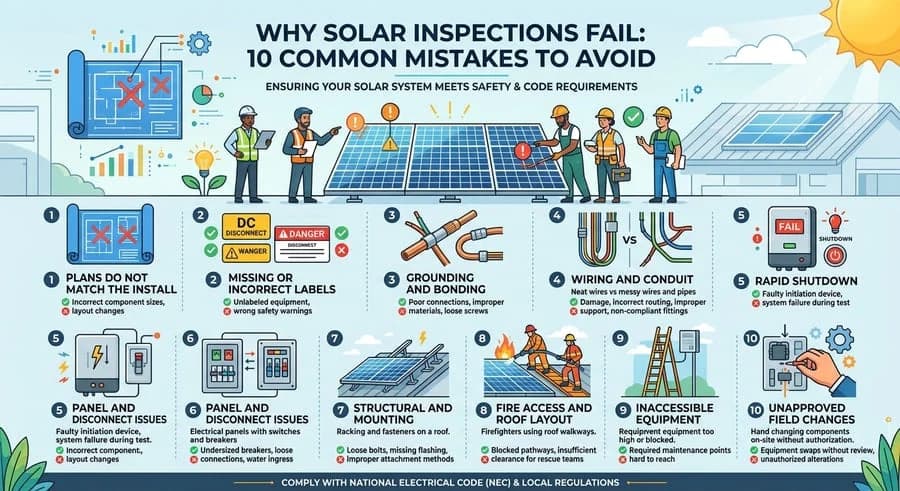
Why Solar Inspections Fail: 10 Common Mistakes to Avoid
Discover the 9 critical reasons solar inspections fail and how to avoid costly m...
Solar Grounding And Bonding: How To Pass Inspection Every Time
Learn how to pass solar grounding and bonding inspections every time. Avoid comm...
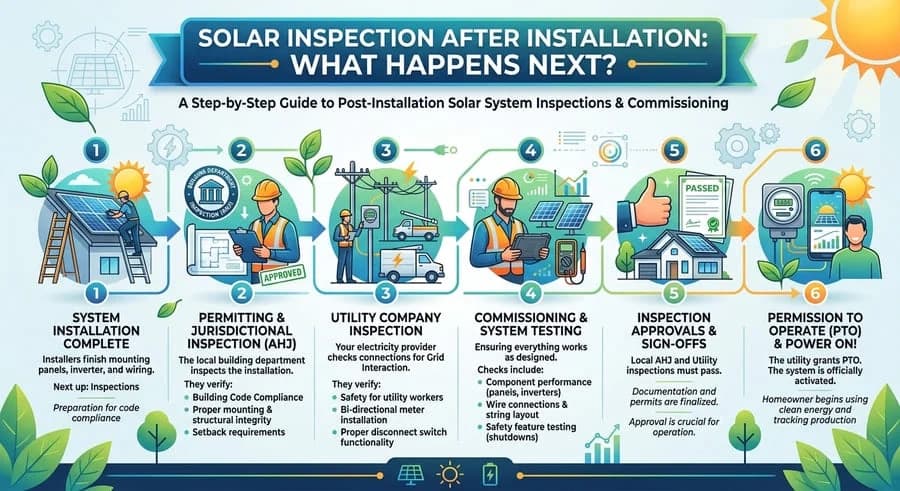
Solar Inspection After Installation: What Happens Next?
Learn how to pass your solar inspection by following essential tips for obtainin...