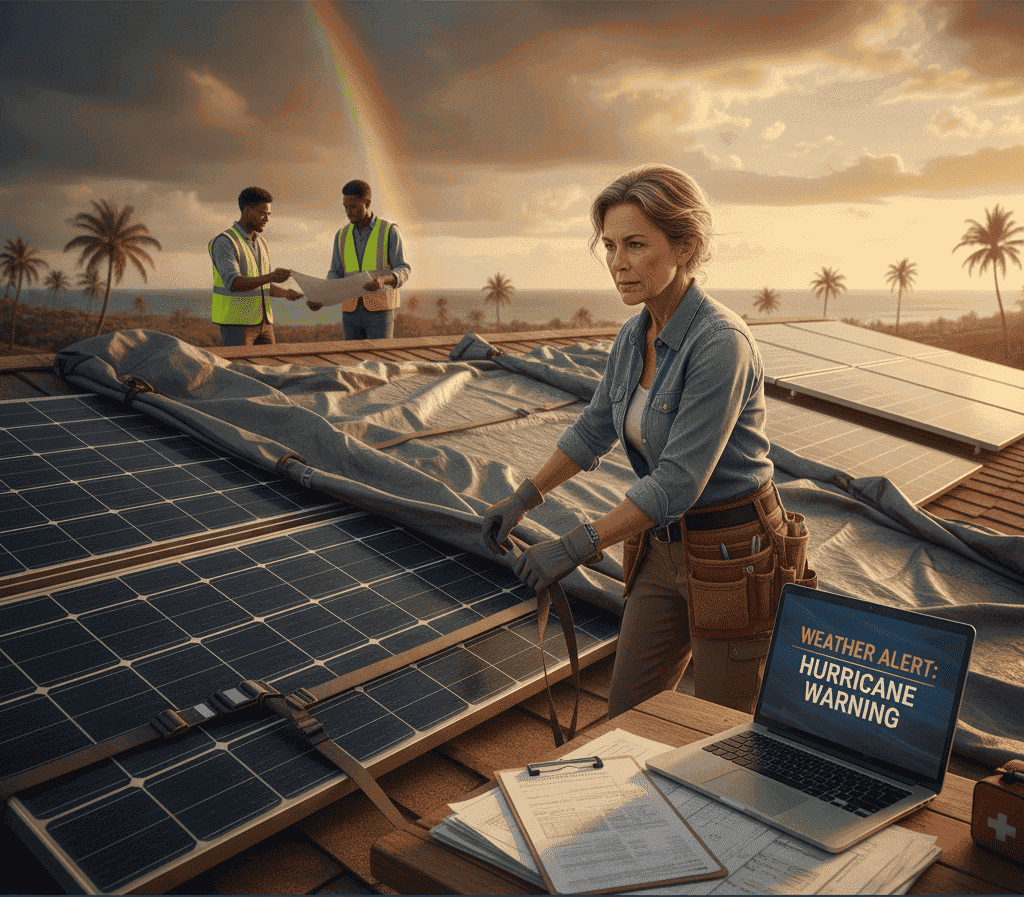
Do solar panels survive hurricanes? Yes. Properly engineered and code-compliant solar panels regularly survive Category 4 and even Category 5 hurricanes with minimal or no damage. Modern panels undergo rigorous testing under IEC 61215 and UL 1703/61730 standards, certifying them to withstand sustained winds exceeding 140 mph.
What determines hurricane survival? Installation quality matters more than panel durability. Systems designed with site-specific ASCE 7-22 wind load calculations, properly rated mounting hardware, and secure roof attachments demonstrate significantly higher survival rates. Permitted installations meeting Florida Building Code (FBC), Miami-Dade NOA, and Texas TWIA requirements consistently outperform unpermitted systems and receive full insurance coverage when damage does occur.
What does this guide cover? Complete hurricane preparedness for solar panel owners, including panel engineering and durability factors, specific hurricane risks to solar systems, building code and permit requirements for hurricane zones, protection strategies before, during, and after storms, and post-hurricane recovery, including permits, inspections, and utility reconnection procedures.

How Solar Panels Are Engineered to Withstand Severe Weather
Today’s solar photovoltaic systems deliver far greater durability than most homeowners expect. Manufacturers subject these systems to rigorous testing protocols, selecting materials specifically for their resilience against extreme environmental conditions.
Essential Materials Used in Panel Construction
The construction quality of a solar panel directly determines its ability to survive harsh weather. Manufacturers typically use tempered glass for the top protective layer, providing significantly higher impact resistance than standard glass. This design enables panels to withstand snow loads and airborne debris propelled by high-velocity winds. Aluminum frames offer corrosion resistance, a critical feature for installations exposed to humid, salt-laden coastal environments.
Internal components receive equal protection through durable back sheets and encapsulant materials. These protective layers absorb mechanical stress from powerful wind gusts while creating a moisture barrier that prevents water infiltration and electrical system damage.
Testing Standards and Industry Certifications
Solar panels must pass multiple standardized tests demonstrating their structural integrity. Wind load testing under IEC 61215 and UL 1703/61730 standards proves essential for hurricane preparedness. These protocols simulate the uplift and compression forces panels experience during extreme wind events. Hail impact assessments verify protection against high-speed projectiles. Additional testing, including damp heat and humidity freeze cycles, confirms long-term performance in regions experiencing frequent weather fluctuations and high moisture exposure. These certifications validate panel durability across diverse harsh environmental conditions.
Why Mounting Systems Matter for Hurricane Survival
Durable panel frames mean nothing without proper attachment systems. Mounting hardware (racking) must be engineered specifically for your region’s wind speed requirements and local building codes. Attachment methodology significantly impacts performance, whether through sealed bolt connections or properly weighted ballasted designs. The underlying roof or ground structure must also provide adequate strength, since foundation failure inevitably leads to panel loss. Schedule a professional structural assessment to verify your solar system’s storm readiness.
Documented Hurricane Performance Results
Data collected from major hurricane impact zones confirms that properly engineered and professionally installed solar panel systems frequently survive with minimal to zero damage. Older installations or systems with installation deficiencies may experience failures, but modern setups consistently demonstrate strong performance. This real-world evidence reinforces the critical importance of quality engineering and professional installation.
Primary Hurricane Risks Threatening Solar Systems
Even with robust engineering, hurricanes present multiple damage vectors. Understanding these specific threats enables effective protection planning.
Wind Force Damage
Wind represents the most immediate threat to solar installations. Uplift forces create significant risk as wind flowing beneath panels attempts to separate them from mounting structures. Inadequately secured panels can detach completely. Sustained high winds also cause cumulative stress that bends solar cells, creates microfractures, and loosens racking components. Panels that break free while remaining electrically connected become dangerous projectiles capable of damaging the array and underlying roof structure.
Flying Debris Impact
Hurricane-force winds transform ordinary objects into high-velocity projectiles. Tree limbs, unsecured patio furniture, and fragments from damaged structures can strike panels with tremendous force. Such impacts crack, shatter, or puncture panel surfaces, compromising weatherproofing and creating electrical hazards. While tempered glass deflects many smaller debris strikes, larger or faster-moving objects still cause significant damage.
Water Intrusion and Flood Damage
Intense rainfall and storm surge create serious water-related risks. Although panels carry weatherproof ratings, hurricane-intensity precipitation tests the limits of junction box seals and panel enclosures. Water infiltration causes electrical shorts and accelerates corrosion.
Flooding inflicts even greater damage, particularly to ground-mounted systems and electrical components installed in basements or low-lying areas. These components sustain damage quickly when submerged. Saltwater from storm surge dramatically accelerates corrosion rates on metal components and electrical connections.
Mounting and Roof Structure Failures
Your solar array performs only as well as its weakest component, often the mounting system or roof structure itself. Racking failures occur when bolts fracture, clamps lose grip, or rails deform under stress. These failures typically result from systems designed without accounting for local wind speed requirements or from improper installation practices.
Roof damage compounds these risks significantly. When shingles tear away or the underlying roof structure sustains damage, solar panels attached to affected areas face near-certain damage or complete loss. This reality underscores why overall structural integrity remains absolutely critical for hurricane survival.
Electrical System Vulnerabilities
Hurricanes create electrical hazards beyond physical panel damage. High winds and flying debris sever wiring and crush conduits. Systems must comply with rapid shutdown, AFCI, and GFCI requirements per NEC Article 690 to minimize electrical dangers. Inverters fail from power surges transmitted through the utility grid during storm impacts or from direct water damage. Grid outages themselves don’t damage panels, but they immediately disable grid-tied solar systems unless you have a battery storage system capable of independent operation. Understanding your electrical panel type and solar interconnection options helps you plan for backup power needs.
Building Code and Permit Requirements for Hurricane-Zone Solar Installations
Solar installations in hurricane-prone regions face stricter regulatory requirements than standard installations. Understanding these codes and permit obligations protects your investment and ensures your system meets the engineering standards necessary for storm survival.
Florida Building Code Requirements for High-Velocity Hurricane Zones
Florida enforces some of the nation’s most stringent solar installation requirements through the Florida Building Code (FBC). Installations within designated High-Velocity Hurricane Zones (HVHZ), covering Miami-Dade and Broward counties, must meet enhanced structural standards exceeding baseline state requirements. These regulations mandate specific wind load calculations, attachment methods, and equipment ratings designed for sustained winds exceeding 180 mph.
The FBC requires all solar installations to obtain permits demonstrating compliance with these standards. Permit applications must include engineered drawings showing wind load calculations, attachment specifications, and equipment certifications. Skipping this process leaves your system vulnerable to failure and creates serious legal and financial consequences.
Solar Permit Solutions prepares FBC-compliant permit packages for installations throughout Florida, including complete wind load calculations and engineered drawings meeting HVHZ requirements. Our team understands the specific documentation Miami-Dade and Broward counties require for approval.
Miami-Dade County Notice of Acceptance (NOA) Requirements
Miami-Dade County requires all solar equipment (panels, racking systems, and mounting hardware) to carry a valid Notice of Acceptance (NOA) before installation approval. The NOA certification confirms that products have passed rigorous testing protocols simulating hurricane conditions specific to South Florida. Installers must submit NOA documentation for every system component during the permit application process.
Installing equipment without valid NOA certification results in permit denial, required system removal, or denied insurance claims following storm damage. Verify all equipment carries current NOA approval before purchasing or approving installation contracts.
Working with Solar Permit Solutions ensures your permit package includes verified NOA documentation for all system components, preventing approval delays and compliance issues in South Florida’s strictest jurisdiction.
ASCE 7-22 Wind Load Calculations
The American Society of Civil Engineers (ASCE) 7-22 standard governs structural wind load requirements for solar installations nationwide. This standard establishes minimum design wind speeds based on geographic location, building height, exposure category, and roof geometry. Engineers use ASCE 7-22 calculations to determine appropriate racking specifications, attachment point spacing, and fastener requirements.
Hurricane-zone installations require wind load calculations reflecting actual local conditions, not generic national standards. Your permit application must include stamped engineering documents demonstrating ASCE 7-22 compliance for your specific installation site. Understanding solar engineering requirements for permits helps ensure your system meets these critical standards. Systems engineered to these standards demonstrate significantly higher survival rates during major hurricane events.
Solar Permit Solutions provides stamped engineering documents with site-specific ASCE 7-22 wind load calculations for every project. Our licensed engineers design systems matched to your exact location, roof configuration, and local wind speed requirements.
Texas Windstorm Insurance Association (TWIA) Certification
Coastal Texas counties within the Texas Windstorm Insurance Association (TWIA) territory require additional certification for solar installations. TWIA provides wind and hail insurance for properties in designated catastrophe areas where standard insurers won’t write policies. Solar installations in these zones must meet TWIA engineering standards and obtain a WPI-8 certificate confirming code compliance.
Without proper TWIA certification, your solar installation may void your property’s windstorm insurance coverage entirely. Complete all required inspections and obtain certification documentation before considering your installation complete. Our Texas solar permits guide provides detailed information on state-specific requirements.
For Texas coastal installations, Solar Permit Solutions coordinates permit submissions meeting TWIA engineering standards and helps ensure your system qualifies for required WPI-8 certification.
Authority Having Jurisdiction (AHJ) Requirements
Local jurisdictions frequently enforce requirements exceeding state minimum standards. Your Authority Having Jurisdiction (AHJ), typically the city or county building department, establishes specific permit requirements, inspection protocols, and approved equipment lists for your area. Some AHJs require additional engineering reviews, specialized attachment methods for specific roof types, or equipment from approved manufacturer lists.
Research your local AHJ requirements before selecting equipment or contractors. Requirements vary significantly between neighboring jurisdictions, and assumptions based on nearby installations often prove incorrect. Contact your local building department directly or work with experienced permit professionals familiar with your specific jurisdiction.
Solar Permit Solutions maintains current knowledge of AHJ requirements across all 50 states. Our permit specialists research jurisdiction-specific requirements for your project location, eliminating guesswork and preventing costly revision requests.
Why Permitted Installations Survive Hurricanes
Permitted solar installations consistently outperform unpermitted systems during hurricane events for several critical reasons. The permit process requires engineering calculations matching your specific site conditions and local wind speeds. Inspectors verify proper attachment methods, fastener specifications, and structural connections during installation. This oversight catches installation errors before storms test your system.
Insurance companies and warranty providers require permit documentation when processing claims. Unpermitted installations frequently face claim denials regardless of damage extent. The permit investment provides engineering validation, installation quality assurance, and documentation protecting your financial interests.
Consequences of Unpermitted Solar Installations
Unpermitted solar installations in hurricane zones create substantial risks extending beyond storm damage. Insurance companies routinely deny claims for unpermitted improvements, leaving homeowners responsible for full replacement costs. Manufacturers void warranty coverage when installations lack required permits and inspections.
Local code enforcement can require complete system removal and impose significant fines for unpermitted work. Property sales require permit verification, and unpermitted solar installations complicate or block real estate transactions. The apparent savings from skipping permits disappear rapidly when any of these consequences materialize. Learn more about what happens if you install solar panels without a permit.
Solar Permit Solutions provides affordable solar permit services that cost far less than the financial risks of unpermitted installations. Protect your investment with proper documentation from the start.

Solar Permit Solutions
Skip the Permit Headaches
We design plan sets that pass inspection the first time. Code-compliant, PE-stamped, accepted by AHJs nationwide.
How to Protect Your Solar Panel System: Before, During, and After a Storm
Combining advance preparation with timely action dramatically improves your solar system’s hurricane survival odds.
Long-Term Preparations Before Hurricane Season
Implement protective measures well before any storm threatens your area. Build your hurricane preparedness strategy around several interconnected priorities that create a comprehensive defense.
Establish a Strong Foundation
Quality installation and proper engineering provide the foundation for hurricane protection. Select qualified, experienced installers with demonstrated knowledge of local building codes and wind load requirements. Verify your system is engineered specifically for your location’s wind conditions and solar position factors. This single factor influences every other aspect of storm performance. Whether you need residential solar design, commercial solar design, or off-grid solar system design, professional engineering makes all the difference.
Maintain Your System Year-Round
Consistent maintenance keeps your system hurricane-ready at all times. Inspect regularly for loose bolts, slipping clamps, or racking damage. Examine wiring for wear or deterioration, and confirm that seals around all roof penetrations remain watertight. For older systems or those showing structural weaknesses, invest in reinforcement through additional clamps or upgraded racking components.
Prepare Your Property and Documentation
Your surrounding property affects system safety as much as the installation itself. Cut back tree branches extending over panels and secure loose outdoor items (furniture, trash cans, decorations) that become dangerous projectiles in high winds. Handle administrative tasks proactively: review your solar panel warranty coverage for weather-related damage and confirm your homeowner’s insurance adequately covers your solar investment. Master your system’s shutdown procedures following manufacturer guidelines.
Immediate Actions Before a Storm Arrives
When hurricane warnings give you safe preparation time, execute these three critical steps:
Conduct a final visual inspection identifying obvious issues such as loose panels or overhanging branches threatening your array
Document your system’s current condition with comprehensive photos or video footage supporting potential insurance claims
Power down your system following recommended shutdown procedures to minimize electrical risks during the storm
During the Hurricane
Personal safety takes absolute priority while the storm occurs. Remain in your designated safe location and never venture outside attempting to protect your panels.
After the Storm: Assessing Damage and System Recovery
Initial Safety Assessment
Approach recovery methodically while exercising extreme caution near downed power lines and potential electrical hazards. Never touch damaged solar equipment until a qualified professional confirms the system is safe.
Visual Damage Survey
Begin with a visual inspection conducted from a safe distance. Look for obvious damage indicators: displaced panels, cracked glass surfaces, or bent and damaged racking components.
Professional Evaluation and System Restart
Contact a qualified solar installer or licensed electrician for a professional assessment before restarting any equipment. These professionals identify hidden damage, including panel microcracks and water infiltration in electrical components, hazards directly connected to the water intrusion, and electrical risks outlined earlier.
Document all damage comprehensively with detailed photos and video footage for insurance claims. Allow only qualified professionals to restart your system after confirming safe, correct operation. Contact your insurance provider promptly and use certified technicians for all necessary repairs.
Post-Hurricane Recovery: Permits, Inspections, and Utility Reconnection Requirements
Restoring your solar system after hurricane damage involves more than repairs. Regulatory requirements govern what work needs permits, which inspections you must pass, and how you reconnect to the utility grid. Navigate this process correctly to restore power quickly while protecting your insurance coverage and legal standing.
When Hurricane Damage Repairs Require New Permits
Not all post-hurricane repairs require permits, but most significant work does. Generally, repairs replacing damaged components with identical equipment in the same configuration qualify as “like-for-like” repairs requiring minimal or no permits in many jurisdictions. However, this exemption has important limitations.
Permit requirements typically apply when repairs involve structural modifications to the mounting system, changes to system capacity or configuration, replacement of major electrical components like inverters, or work affecting more than a specified percentage of the total system. Many jurisdictions require permits when damage exceeds 25-50% of system value or affects structural attachments.
Contact your local AHJ immediately after assessing damage to determine specific permit requirements for your repairs. Making assumptions about permit exemptions risks code violations, failed inspections, and insurance claim complications.
Solar Permit Solutions helps homeowners and contractors navigate post-hurricane permit requirements quickly. Our team determines exactly what permits your repairs require and prepares compliant applications, saving critical time during recovery.
Re-Inspection Requirements After Storm Damage
Most jurisdictions require inspection before reconnecting solar systems that sustained hurricane damage, even for systems not requiring repair permits. These inspections verify that remaining equipment operates safely, structural attachments remain secure, and electrical systems function without hazards.
Schedule inspections promptly after completing any repairs. Inspection backlogs following major hurricanes often extend wait times significantly. Early scheduling positions you ahead of the queue as repair contractors complete work throughout affected areas. Your system cannot legally reconnect to the grid until passing required inspections. Understanding how to pass your solar inspection helps streamline this process.
Utility Interconnection Considerations After Hurricane Damage
Utility companies impose their own requirements for reconnecting solar systems after hurricanes, separate from local building permits. Contact your utility immediately after storm damage to understand their specific reconnection process.
Most utilities require notification before reconnecting any solar system that was disconnected during the storm. Systems with significant damage often need updated interconnection applications, revised single-line diagrams reflecting any system changes, and utility inspection approval. Some utilities require recommissioning tests verifying system performance meets original interconnection agreement specifications.
Net metering agreements may require updates if system capacity changed during repairs or if you upgraded equipment during the restoration process. Address these administrative requirements proactively to avoid delays in restoring grid connection and net metering credits.
Solar Permit Solutions handles utility interconnection paperwork for hurricane-damaged systems, including updated applications, revised diagrams, and coordination with utility requirements across major providers in hurricane-prone states.
Documentation Requirements for Permits and Insurance Claims
Successful post-hurricane recovery depends heavily on comprehensive documentation supporting both permit applications and insurance claims. Gather and organize these critical documents:
Original installation permits and inspection records prove your system met code requirements before the storm. Engineering documents and stamped drawings establish baseline specifications for comparison against damage assessments. Equipment specifications, serial numbers, and purchase receipts verify the value and specifications of damaged components.
Post-storm documentation must include dated photographs showing all damage from multiple angles, written damage assessments from qualified solar professionals, and itemized repair estimates from licensed contractors. Video documentation showing system condition and damage extent strengthens both permit applications and insurance claims.
Maintain copies of all correspondence with your insurance company, utility provider, and local building department. This documentation trail proves compliance with all notification and procedural requirements if disputes arise later.
When you work with Solar Permit Solutions, you receive organized permit documentation supporting both regulatory compliance and insurance claims, critical protection when recovering from hurricane damage.
Timeline Expectations and Permit Backlogs
Major hurricanes create permit and inspection backlogs lasting weeks or months. Building departments face overwhelming application volumes while potentially operating with reduced staff and damaged facilities. Understanding realistic timelines helps you plan appropriately and set accurate expectations. Review our average solar permit timeline by state to understand typical processing times.
Permit processing that normally takes days may extend to several weeks after significant storms. Inspection scheduling delays compound these timelines. Contractor availability also affects your restoration schedule. Qualified solar installers face high demand throughout affected regions.
Begin the permit process immediately after assessing damage, even before finalizing contractor selection. Early application submission positions your project in the queue while you complete other restoration planning. Consider working with permit expediting professionals who maintain relationships with local building departments and understand how to navigate post-disaster processes efficiently.
Solar Permit Solutions specializes in expediting permits during high-volume periods following major storms. Our established relationships with building departments across hurricane-prone regions help move your project through approval faster.
Consequences of Unpermitted Post-Hurricane Repairs
Performing repairs without required permits creates serious risks that compound your hurricane losses. Insurance companies investigate repair work when processing claims and deny coverage for unpermitted modifications. Future claims, even for unrelated damage, face scrutiny and potential denial based on unpermitted work discovered during investigations.
Code enforcement agencies actively inspect storm-damaged areas following hurricanes, identifying unpermitted repairs and issuing violation notices. Penalties include fines, required removal of unpermitted work, and mandatory permit applications with associated fees and delays.
Selling your property requires disclosure of all permitted and unpermitted work. Unpermitted solar repairs complicate sales, reduce property values, and expose sellers to legal liability. Invest in proper permits during initial repairs to avoid multiplied costs and complications later.
Solar Permit Solutions makes post-hurricane permitting straightforward and affordable. Don’t risk your insurance coverage or property value. Let our team handle permit requirements correctly the first time.
Working with Qualified Professionals for Post-Hurricane Recovery
Partner with qualified professionals throughout your post-hurricane recovery process. Licensed solar contractors understand permit requirements, inspection expectations, and utility interconnection procedures specific to your jurisdiction. Experienced permit professionals expedite applications and navigate post-disaster building department processes efficiently.
Request documentation of contractor licenses, insurance coverage, and experience with post-hurricane solar repairs before authorizing any work. Verify contractors pull permits in their own name and schedule required inspections. Avoid any contractor suggesting permit shortcuts or inspection avoidance. Your long-term interests depend on full regulatory compliance throughout the restoration process. Following solar permitting best practices ensures smooth project completion.
Solar Permit Solutions serves as your expert partner for post-hurricane solar recovery. From initial damage assessment documentation through final utility reconnection, our nationwide permit services ensure your system returns to operation with full code compliance and protection. insurance coverage. Contact Solar Permit Solutions today to discuss your hurricane recovery permit needs.
Strengthen Your Solar Panels Against Hurricanes
Solar panels deliver substantial benefits, but hurricane-prone locations demand vigilant protection measures. Numerous strategies exist for protecting your solar panels from severe storm damage. When solar panels are designed for site-specific conditions, installed correctly using appropriate equipment, and maintained properly, modern systems withstand severe weather, including extreme wind events. Execute these preparations and work with qualified professionals to maximize your solar investment’s chances of surviving storm conditions while continuing to generate clean energy for years ahead.
Conclusion
Hurricane preparedness for solar panel systems requires more than hoping your equipment survives the storm. Proactive planning (combining proper engineering, code-compliant installation, regular maintenance, and comprehensive documentation) dramatically increases your system’s chances of weathering severe weather events with minimal damage.
Understanding the specific risks hurricanes pose to solar installations empowers you to take targeted protective action. Wind uplift, flying debris, water intrusion, and electrical system vulnerabilities each demand different mitigation strategies. Addressing these threats before hurricane season arrives positions your system for survival when storms strike.
Building code compliance and proper permitting prove especially critical in hurricane-prone regions. Florida Building Code requirements, Miami-Dade NOA certifications, ASCE 7-22 wind load calculations, and Texas TWIA standards exist specifically to ensure solar installations can withstand extreme weather. Systems engineered and permitted to these standards consistently outperform unpermitted installations during major hurricane events and receive full insurance coverage when damage does occur.
Post-hurricane recovery demands equal attention to regulatory requirements. Permit obligations, re-inspection mandates, and utility interconnection procedures all govern your path back to generating solar power. Navigating these processes correctly protects your insurance claims, maintains property value, and ensures your restored system meets all safety standards.
Solar Permit Solutions partners with homeowners and contractors throughout hurricane-prone states to ensure solar installations meet the engineering and permit requirements necessary for storm survival. From initial installation permits through post-hurricane recovery documentation, our team delivers the expertise and support your solar investment deserves. Contact Solar Permit Solutions today to discuss permit requirements for your hurricane-zone solar project.
FAQs
Skip the Permit Headaches
We design plan sets that pass inspection the first time. Code-compliant, PE-stamped, accepted by AHJs nationwide.
Frequently Asked Questions
Properly engineered and professionally installed solar panels can survive Category 4 and even Category 5 hurricanes with minimal or no damage. Modern panels undergo rigorous testing under IEC 61215 and UL 1703/61730 standards, certifying them to withstand sustained winds exceeding 140 mph. However, survival depends heavily on installation quality, not just panel durability. Systems designed with site-specific ASCE 7-22 wind load calculations, properly rated mounting hardware, and secure roof attachments demonstrate significantly higher survival rates than installations using generic specifications.
No. Never attempt to remove installed solar panels before a hurricane. Removing panels creates significant safety hazards including fall risks, electrical shock dangers, and potential roof damage from exposed mounting penetrations. The removal process also leaves your roof vulnerable to water intrusion at attachment points, potentially causing more damage than leaving panels in place. Properly installed solar panels are specifically designed to remain secure during hurricanes. Instead of removal, focus on safer preparation steps: conduct a visual inspection for loose components, document your system's condition with photos and video for insurance purposes, secure loose items around your property, and power down your system following manufacturer shutdown procedures.
Most standard homeowners insurance policies cover solar panels as part of your home's structure, but coverage varies significantly between insurers and policy types. Key factors affecting your coverage include whether panels are owned or leased, your policy's specific exclusions for wind and hail damage, deductible amounts for weather-related claims, and coverage limits for solar equipment. Hurricane-zone properties often carry separate windstorm deductibles, sometimes calculated as a percentage of home value rather than a flat amount. Critical requirement: insurance companies routinely deny claims for unpermitted solar installations or repairs. Maintain documentation of your original installation permits, inspection records, and engineering specifications to support any claim.
Permit requirements for post-hurricane solar repairs depend on the scope of work and your local jurisdiction's regulations. Minor repairs replacing damaged components with identical equipment in the same configuration often qualify as like-for-like repairs requiring minimal or no permits. However, most jurisdictions require permits when repairs involve structural modifications to mounting systems, changes to system capacity or configuration, replacement of inverters or other major electrical components, or damage exceeding 25-50% of total system value. Additionally, most areas require inspection before reconnecting any solar system that sustained hurricane damage, even without repair permits. Contact your local Authority Having Jurisdiction (AHJ) immediately after assessing damage to determine specific requirements.
Restoration timelines vary based on damage extent, permit backlogs, contractor availability, and utility reconnection requirements. Undamaged systems can typically be professionally inspected and restarted within a few days after grid power restoration and safety confirmation. Systems requiring repairs face longer timelines influenced by several factors. Post-hurricane permit processing that normally takes days may extend to several weeks as building departments handle overwhelming application volumes. Inspection scheduling delays compound these timelines. Qualified solar contractors face high demand throughout affected regions, potentially extending wait times for repair work. Minimize delays by beginning the permit process immediately after damage assessment, scheduling inspections early, and working with permit professionals experienced in post-disaster processes.
SPS Editorial Team
Solar Permit Solutions
Solar Permit Solutions provides professional solar permit design services for residential, commercial, and off-grid installations across all 50 states. Our team ensures permit-ready plan sets delivered fast.
Related Articles
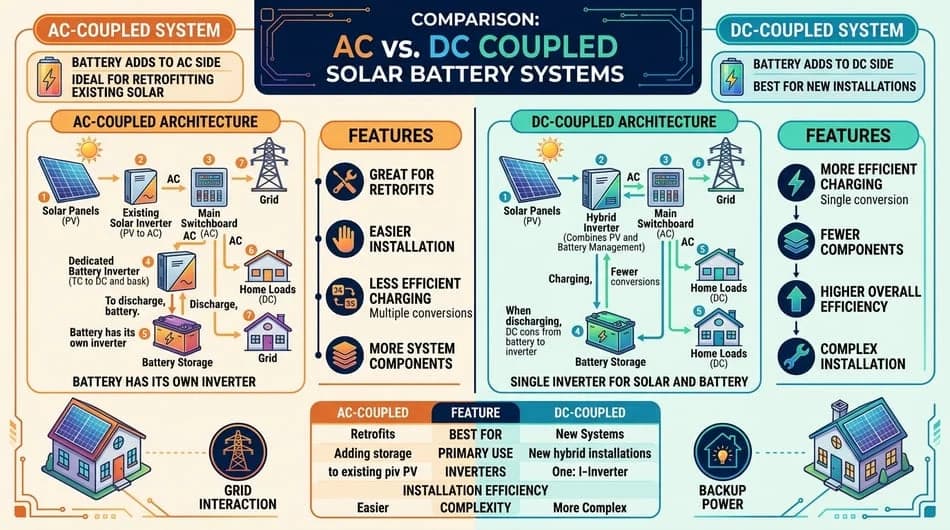
AC vs DC Coupled Solar Batteries: Which Should You Choose?
AC vs DC coupled solar batteries compared: efficiency, costs ($8K-$18K), and ins...
How Many Solar Panels Do I Need to Run Off the Grid?
Most off-grid homes need about 8 to 16 solar panels rated at 400 watts, dependin...
Solar Battery Permit Requirements: What You Need to Know
A solar battery usually needs local approval and a utility review before it can ...