
Solar panel permit costs typically range from $200 to $1,500 for residential installations and vary based on location, system size, and installation type. Ground-mounted systems often cost more than rooftop installations due to additional zoning requirements. The permitting process usually takes 2-6 weeks in streamlined jurisdictions but can extend to 8-12 weeks in areas with complex requirements.
Key strategies to reduce solar permit expenses include:
- Research local requirements early – understanding jurisdiction-specific regulations prevents costly delays and resubmissions
- Submit complete, accurate documentation – Proper site plans, electrical diagrams, and structural calculations ensure first-time approval
- Utilize online permitting platforms – Digital submission systems accelerate processing and reduce administrative costs
- Engage professional permit design services – Experienced designers prepare code-compliant plan sets that pass inspection efficiently
Factors affecting solar permit costs:
- Installation location (urban areas charge more than rural)
- System capacity and type (commercial vs. residential)
- Ground-mounted vs. rooftop configuration
- Local inspection requirements and complexity
- Expedited processing fees for urgent timelines
Solar permits ensure installations meet safety standards and building codes, protecting property owners from electrical hazards, structural failures, and fire risks. Unpermitted installations risk fines, mandatory removal, insurance claim denials, and property resale complications.
At Solar Permit Solutions, we help solar contractors navigate permitting complexities across all 50 states, reducing expenses and accelerating approvals for both residential and commercial installations. Understanding the permitting process transforms potential obstacles into manageable steps that keep projects profitable and on schedule.
Understanding Solar Installation Permits
Solar installation permits represent official authorization from local authorities having jurisdiction enabling solar system installations on homes or businesses. These authorizations typically cover both construction and electrical aspects, confirming that installations meet local regulations and standards.
The procedure requires submitting comprehensive plans and system specifications for local building department evaluation. Reviews may encompass zoning and structural evaluations, influencing both permit expenses and timeline. Learn more about everything you need to know about solar permit services to streamline your project.
Why Home Solar Permits Matter
Installation permits maintain safety standards and confirm code compliance for all solar projects. Required permits enable local authorities to validate proper system design and installation, reducing risks including electrical problems, structural issues, or fire dangers. This protects property owners and surrounding communities.
Furthermore, permit requirements establish quality benchmarks that enhance system effectiveness and durability. Following regulations aligned with the National Electrical Code (NEC) Article 690 ensures safety while improving solar system reliability and performance, supporting renewable energy expansion. Balancing reasonable permit expenses with regulatory compliance remains essential for safety and sustained system operation.
Standard Home Solar Permit Process Overview
Solar photovoltaic (PV) permitting typically follows these stages:
- Initial Requirements Research: Property owners or contractors investigate local permit specifications, which differ by location. This covers required documentation, permit expenses, and applicable local regulations.
- Permit Application Filing: Comprehensive solar PV system plans and details get prepared and filed with local permit authorities. Standard submissions include property plans, electrical schematics, and structural analysis.
- Plan Evaluation: Building and electrical inspectors examine submitted materials for code compliance. Issues identified may require modifications and additional submissions.
- Permit Authorization: Following plan approval, PV permits get issued. Installation proceeds according to authorized plans.
- System Verification: Inspections occur during and after installation to confirm work matches approved plans and local standards. This may include multiple checkpoints, such as preliminary inspection before panel mounting and final verification after system activation. Some AHJs conduct single-site inspections. Understanding how to pass your solar inspection helps ensure smooth approval.
- Final Authorization: After passing verification, the AHJ provides final approval, allowing official system commissioning and grid connection.
Solar Permit Solutions
Skip the Permit Headaches
We design plan sets that pass inspection the first time. Code-compliant, PE-stamped, accepted by AHJs nationwide.
Elements Affecting Solar Permit Expenses
Obtaining solar installation permits involves variable costs influenced by multiple factors:
Installation Location: Permit expenses fluctuate considerably based on city, county, or state location. Municipal governments set individual fee schedules, with areas featuring complex regulations or higher administrative expenses typically charging more. Urban locations generally face higher permit costs than rural areas. Check the average solar permit timeline by state to understand your jurisdiction’s requirements.
System Capacity and Category: Solar system size directly influences permit expenses. Larger installations typically require more thorough evaluations, resulting in higher fees. System category (residential versus commercial) also impacts costs. Commercial solar design projects generally incur higher fees due to increased complexity and scale.
Ground Installation versus Roof-Mounted Solar: Ground-mounted PV system permits may cost more than rooftop installations. Some municipalities mandate zoning permits for ground-mounted systems, increasing expenses. Ground-mounted system plans more frequently need engineering evaluations and PE stamps. Additional documentation may be necessary to verify zoning regulation and structural code compliance, raising overall permit costs.
Local Standards and Verification Requirements: These specifications significantly affect permit expenses. Some locations mandate multiple installation inspections, increasing total costs. Additionally, strict codes or extra requirements like solar engineering requirements for permits further raise expenses. Understanding these standards helps estimate total project permit costs.
Application Documentation Complexity: Application process complexity influences permit expenses. Applications requiring detailed documentation, professional drawings, or technical specifications increase costs due to specialized services like engineering stamps and reviews. More involved applications typically result in higher fees.
Fast-Track Processing Charges: Accelerated approval processing is available for urgent timelines at premium pricing. Expedited services carry additional charges, raising total permit expenses. While useful for tight deadlines, factor these extra costs into project planning.
Approaches for Lowering Solar Permit Expenses
While permitting costs increase soft expenses, several methods minimize them while ensuring permitting success.
Optimize the Permit Application Procedure
Reduce permit expenses and prevent delays by researching local requirements early during planning. Collect all required documentation, including property plans, system designs, and electrical schematics, beforehand. Many jurisdictions now use SolarAPP+ for instant permit processing, which accelerates processes and saves time and money, helping avoid expensive delays in obtaining solar permits.
Maintain Documentation & Plan Set Accuracy
Precise documentation minimizes permit expenses. Confirming all drawings and plan sets meet local construction and safety regulations prevents expensive revisions or resubmissions. Understanding NEC requirements for solar installations ensures code compliance. Exact, well-organized documentation facilitates efficient inspection approval, reducing project delays and avoiding additional permit charges from incomplete or inaccurate submissions. Reference this comprehensive NEC guide for photovoltaic systems for detailed technical requirements.
Engage Professional Solar Permit Design Services
Given permitting process complexity, engaging professional permit design services strategically reduces costs. Work with design professionals knowledgeable in local zoning, electrical, and construction regulations. Our residential solar design services ensure first-time approval across all jurisdictions.

Best Practices for AHJs in Cutting Solar Installation Permitting Expenses
Numerous municipalities actively pursue accelerated renewable energy adoption and enhanced solar permitting procedures for contractors, property owners, and businesses. At Solar Permit Solutions, with extensive solar permitting experience across all 50 states, we’ve identified valuable best practices that reduce permit expenses and streamline procedures.
1. Deploying Digital Solar Permitting Platforms
Digital Permit Submission Portals: Municipalities can deploy digital portals enabling applicants to submit required documentation electronically. This eliminates paperwork, accelerates permit processing, and simplifies application tracking, lowering permit expenses for contractors and property owners.
Automated Evaluation Systems: Integrating automated evaluation systems identifies common issues early, confirming applications satisfy basic requirements before manual review. This accelerates approval timelines and eliminates delays, ultimately reducing overall permit charges.
2. Establishing Uniform Solar Permit Standards
Consistent Permit Protocols: Municipalities can establish uniform protocols for small-scale solar installations, ensuring transparency and consistency. Providing detailed checklists and templates for applicants streamlines procedures and reduces permit expenses related to revisions and resubmissions.
Implementing Proven Framework Models: Municipalities can reference successful frameworks like SolarAPP+ (Solar Automated Permit Processing) developed by the U.S. Department of Energy, which standardizes and automates permit evaluation for residential solar installations. The National Renewable Energy Laboratory’s performance data shows significant time savings.
3. Lowering Permit Charges and Accelerating Procedures
Fee Exemptions or Discounts: To promote renewable energy adoption, municipalities can offer reduced permit charges or exempt them for low-income residents. This decreases overall installation expenses for qualifying individuals.
Fast-Track Permit Evaluation Procedures: Establishing fast-track evaluation procedures for standard residential installations significantly reduces approval timelines. This can be accomplished by defining specific criteria that, when satisfied, enable faster processing.
4. Staff Education and Resources
Focused Training Programs: Providing training for permitting staff ensures knowledge about PV technology and installation methods, reducing errors and accelerating evaluation procedures. Training on 2023 NEC solar code updates maintains reasonable permit expenses and prevents delays from mistakes.
Specialized Solar Permitting Units: Forming units dedicated exclusively to solar permits ensures operational efficiency and expertise. Processing applications quickly and accurately helps these units reduce overall permit charges for applicants.
5. Improving Communication and Assistance
Direct Communication Pathways: Establishing direct communication between permitting offices and applicants prevents delays. Comprehensive guides and FAQs on municipal websites help applicants navigate procedures more easily, reducing unnecessary permit expenses.
Solar Permitting Assistance Services: Providing dedicated customer assistance resolves issues quickly, ensuring applications get submitted correctly and efficiently. This reduces delays and permit charges, enabling smoother permitting and faster installation.
6. Coordination and Collaborative Efforts
Cross-Department Coordination: Streamlining procedures by coordinating between different municipal departments (such as building, electrical, and zoning departments) ensures more cohesive evaluation within jurisdictions.
Industry Partnerships: Collaborating with local solar industry participants to understand their obstacles and collect feedback on permitting procedures leads to more effective and practical improvements. The Department of Energy’s solar technical assistance programs provide valuable resources for municipalities.
Georgia Solar: An Example of Coordination to Advance Standardized Solar Permit Procedures
An excellent example of coordination to reduce permit charges and streamline permitting procedures involves the Georgia Solar Energy Association (GA Solar). They promote a more efficient and standardized framework for solar permitting expenses. By advocating for best practices like posting clear PV permit requirements online, enabling digital processing, and implementing equitable, flat permit charges, GA Solar simplifies permitting procedures for small-scale solar PV installations across Georgia.
Through successful coordination with solar specialists, industry participants, and local governments, GA Solar helped develop a framework that simplifies permitting for property owners and developers while fostering solar energy adoption statewide. The City of Atlanta’s partnership with GA Solar and the Georgia Solar Energy Industries Association demonstrates how these initiatives actively create expedited solar permit procedures, maximizing solar energy advantages while encouraging investment in local communities.
State-Specific Permitting Considerations
Understanding state-specific requirements helps contractors plan more effectively. California solar permitting requirements differ significantly from Texas solar permit processes, highlighting the importance of jurisdiction-specific knowledge. Following International Code Council solar provisions ensures baseline compliance across all jurisdictions.
Optimizing Your Solar Permit Procedure Reduces Expenses
Reducing solar permitting expenses remains essential for making solar energy more accessible and cost-effective for clients. Minimize delays and additional expenses by understanding and implementing strategies such as optimizing application procedures, comprehensive planning, and maintaining precise documentation. Learning from solar permitting best practices and staying informed about local regulations helps navigate permitting complexities more efficiently.
Cultivating positive relationships with permitting authorities and understanding how long solar permits take benefits business operations by accelerating project timelines while enhancing customer satisfaction as installations proceed without unnecessary obstacles. The DOE’s permitting and inspection guide provides additional federal-level resources.
Conclusion
Navigating solar permitting procedures requires strategic planning, precise documentation, and understanding local requirements. Reducing permit expenses and accelerating approval timelines directly impacts project profitability and client satisfaction. Solar contractors who implement efficient application strategies, maintain accurate plan sets, and stay current with jurisdiction-specific regulations position themselves for consistent project success.
Municipalities play an equally vital role in promoting solar adoption through streamlined permitting frameworks. Digital submission platforms, standardized requirements, and dedicated permitting teams create efficient pathways for renewable energy expansion. Collaboration between industry professionals, local authorities, and solar organizations establishes best practices that benefit entire communities.
At Solar Permit Solutions, we specialize in navigating permitting complexities across all 50 states, helping solar professionals minimize expenses and expedite approvals. Whether handling residential rooftop installations or commercial ground-mounted systems, mastering the permitting process transforms potential obstacles into manageable steps. For specialized projects, our off-grid solar system design services ensure compliance even in remote locations. Investing time in understanding local requirements and maintaining strong relationships with permitting authorities creates long-term advantages that extend beyond individual projects, supporting the broader renewable energy transition while protecting your bottom line.
FAQs
Skip the Permit Headaches
We design plan sets that pass inspection the first time. Code-compliant, PE-stamped, accepted by AHJs nationwide.
Frequently Asked Questions
Solar permit expenses vary significantly based on location, system size, and installation type. Residential permits range from $200 to $1,500 in most jurisdictions, while commercial installations face higher charges due to complexity and scale. Urban areas typically charge more than rural locations. Ground-mounted systems often incur additional zoning permit fees compared to rooftop installations. Contact your local building department early in project planning to obtain accurate fee schedules and avoid unexpected expenses.
Permitting timelines vary by jurisdiction and application complexity. Standard residential installations typically require 2-6 weeks from submission to approval in streamlined jurisdictions. Areas with manual review processes or complex requirements may extend timelines to 8-12 weeks. Commercial projects generally require longer evaluation periods due to increased documentation and engineering review requirements. Submitting complete, accurate applications and utilizing online permitting systems where available significantly reduces processing time.
Installing solar systems without proper permits violates local building codes and creates serious consequences. Unpermitted installations risk fines, mandatory system removal, insurance claim denials, and property resale complications. Permits ensure installations meet safety standards, protecting property owners and communities from electrical hazards, structural failures, and fire risks. Always obtain required permits before beginning installation work, regardless of system size or complexity.
Standard solar permit applications require site plans showing panel placement, electrical single-line diagrams, equipment specifications, structural calculations for roof load analysis, and installation methods documentation. Many jurisdictions also require utility interconnection agreements, homeowner association approval letters, and engineering stamps for specific components. Understanding proper solar conduit selection and NEC 690.13 disconnect requirements ensures complete submissions. Requirements vary by location, so consult your local building department's checklist before preparing submissions. Complete documentation prevents costly resubmissions and approval delays.
Professional permit design services reduce expenses by ensuring first-time application approval, eliminating costly revision cycles and resubmission delays. Experienced designers understand jurisdiction-specific requirements, code compliance standards, and common rejection issues. They prepare accurate plan sets with proper engineering stamps, saving contractors time and preventing project delays. While design services represent upfront investment, they typically reduce total project costs through faster approvals, fewer site visits, and streamlined installation timelines. Services like Solar Permit Solutions handle permitting complexities across all 50 states, allowing contractors to focus on installations rather than paperwork.

SPS Editorial Team
Solar Permit Solutions
Solar Permit Solutions provides professional solar permit design services for residential, commercial, and off-grid installations across all 50 states. Our team ensures permit-ready plan sets delivered fast.
Related Articles
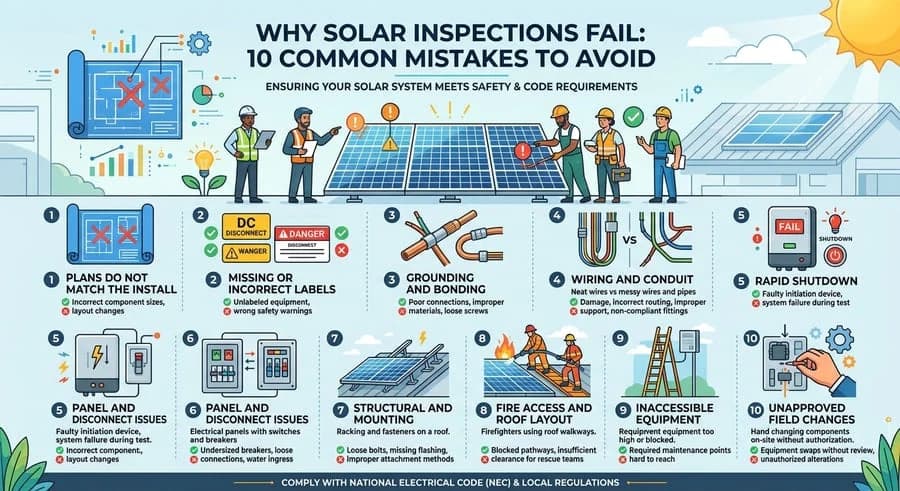
Why Solar Inspections Fail: 10 Common Mistakes to Avoid
Discover the 9 critical reasons solar inspections fail and how to avoid costly m...
Solar Grounding And Bonding: How To Pass Inspection Every Time
Learn how to pass solar grounding and bonding inspections every time. Avoid comm...
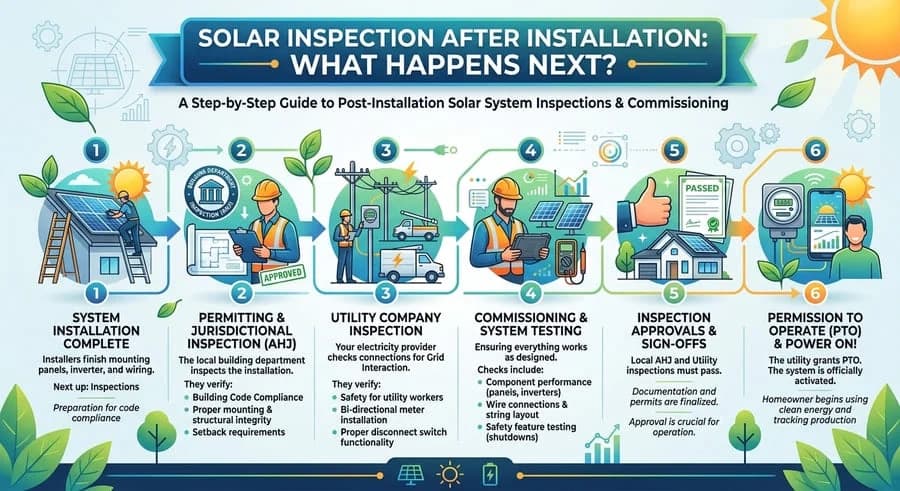
Solar Inspection After Installation: What Happens Next?
Learn how to pass your solar inspection by following essential tips for obtainin...