
Time-of-use (TOU) rates are electricity billing plans that charge different prices based on when you use power throughout the day. Under TOU pricing, electricity costs more during peak demand hours (typically 4-9 PM on weekdays) and significantly less during off-peak periods (usually overnight and weekends).
How Time-of-Use Rates Work
TOU rates operate on a simple principle: electricity prices fluctuate based on grid demand. When millions of households simultaneously draw power during evening hours, utilities face higher generation costs and pass these expenses to consumers through peak pricing. Conversely, overnight hours when most people sleep offer the lowest rates, often 30-50% cheaper than peak periods.
Key benefits of TOU rates include:
• Cost savings potential: Households that shift 40% of usage to off-peak hours typically reduce electricity bills by 15-30% annually
• Lower overnight rates: Off-peak electricity costs average $0.08-0.15 per kWh versus $0.40-0.60 per kWh during peak hours
• Solar optimization: Battery storage systems allow you to capture midday solar production and discharge during expensive evening peaks
• Grid stability: Strategic energy shifting reduces strain on electrical infrastructure during high-demand periods
Most effective money-saving strategies:
- Run major appliances (dishwashers, washing machines, dryers) between 9 PM and 6 AM
- Charge electric vehicles exclusively during overnight off-peak hours (saves approximately $400-800 annually)
- Install smart thermostats to pre-cool homes before peak pricing begins at 4 PM
- Deploy solar battery storage to avoid peak-hour grid purchases entirely
TOU rates require enrollment with your utility provider and typically mandate 12-month commitments. Peak hours vary by location, season, and utility company, so verify your specific provider’s schedule before switching from standard flat-rate billing.
This guide breaks down TOU rates, reveals how they function, contrasts them with traditional billing methods, and delivers actionable strategies to maximize your savings through this pricing structure.
What Is a Time-of-Use Rate (TOU)?
Time-of-use (TOU) rates operate as a dynamic billing structure where your electricity costs fluctuate based on when you draw power from the grid. These variable rates climb higher during periods when electricity demand peaks and generation costs surge, think sweltering summer afternoons when air conditioners run full blast across your neighborhood.
Conversely, rates drop substantially during low-demand windows, such as overnight hours when most households consume minimal power.
How Do Time-of-Use Rates Work?
TOU rates typically require enrollment; your utility company won’t automatically convert your account. Contact your provider directly to verify TOU availability in your service area. Under this pricing model, your utility charges different electricity rates throughout the day based on consumption timing.
Expect peak pricing during high-demand periods when grid stress reaches maximum levels. You’ll see the lowest rates during off-peak windows, typically late night and early morning hours when electricity demand bottoms out.
The challenge lies in TOU complexity: rates often shift based on seasons, weekdays versus weekends, and holidays, all factors that influence demand and generation costs. Rate structures also differ by provider and geographic location. Review your utility bill carefully or contact your provider to obtain your specific TOU schedule and unlock maximum savings potential.
Why Are Time-Of-Use Rates Important?
Time-of-use rates matter because they create direct alignment between what you pay and the actual cost of electricity generation. Utility companies face constantly shifting production costs throughout each day, driven by demand fluctuations, weather conditions, and available renewable energy sources.
This pricing transparency gives you real-time insight into electricity supply and demand dynamics. More importantly, it puts money-saving opportunities directly in your control.
Solar Permit Solutions
Need Solar Permit Plans?
Professional, permit-ready solar plan sets delivered fast. Residential and commercial projects across all 50 states.
Comparing Standard Bills to Time-Of-Use Rate Bills
Standard electricity billing follows a straightforward formula: fixed service fees covering administrative and infrastructure costs, plus a constant per-kilowatt-hour rate multiplied by your total usage. Under this structure, reducing your bill requires cutting consumption, period.
TOU billing maintains similar components, service fees, and usage charges but introduces complexity through fluctuating usage rates. Instead of applying one flat rate, you multiply consumption during specific time blocks by the corresponding rates for those periods. Your bill will itemize these calculations clearly.
Switching to TOU without adjusting your consumption patterns can backfire if you use heavy power during expensive peak periods. However, strategically timing your usage unlocks substantial savings, even when your overall consumption remains unchanged.
Ways to Save Money With Time-Of-Use Rates
Deploy these proven tactics to maximize TOU rate savings.
Adjust Your Thermostat or Use a Smart Thermostat
Heating and cooling systems typically dominate your electricity bill. Deploy a smart thermostat to automatically reduce HVAC operation during expensive peak hours or when your home is empty. This delivers significant savings without requiring you to manually adjust settings throughout the day.
Run Appliances at Night or Use Smart Appliances
Rather than waking up at midnight to start your washing machine, invest in smart appliances that you can program to operate during rock-bottom rate periods. Load your washer or dishwasher in the evening, schedule it to run during the cheapest TOU window, and watch savings accumulate while you sleep.
Use Solar Power
Installing renewable energy systems delivers the most dramatic utility bill reductions possible.
With a grid-tied solar system, you can tap into solar electricity during expensive afternoon hours when your panels generate peak output. After sunset, when panel production stops, you draw from the grid at substantially lower nighttime rates.
While solar panels alone provide value, pairing them with battery storage systems maximizes your savings potential. A professionally designed solar system with integrated battery storage lets you capture solar energy during peak production hours, then use that stored power during expensive evening periods when the sun has set but TOU rates remain high.
Before installing solar panels, ensure you understand local permitting requirements and work with certified solar professionals to avoid costly delays. Many homeowners wonder what happens if you install solar panels without proper permits, which can lead to fines, system disconnection, or complications when selling your home.
Use Storage Batteries
Battery storage systems let you recharge using solar or cheap grid power during off-peak hours. Then discharge that stored energy during expensive afternoon and evening periods when TOU rates spike but your household still needs power.
Portable power stations with battery storage offer flexible solutions; you can charge them using solar panels or grid electricity during the cheapest rate windows, then power your essential appliances during peak pricing periods. Understanding electrical fundamentals for solar projects helps you optimize your battery storage configuration for maximum efficiency.
Take Advantage of Net Metering
If you’re producing solar power on a grid-connected system, investigate net metering availability in your service territory. This program lets you sell surplus generation back to the utility when your production exceeds consumption. You can also bank excess energy in battery storage systems to power essential home appliances.
Time-of-use pricing directly impacts net metering credits; you’ll earn higher compensation during peak hours and reduced credits during off-peak periods. Peak hours typically occur in late afternoon and early evening, which may not perfectly align with your maximum solar production window. Using battery storage during peak hours lets you maximize net metering credits by directing more solar generation to grid exports.
Additionally, solar system owners should claim available federal solar tax credits to offset installation costs. Learn how to properly file IRS Form 5695 to ensure you receive the full 30% investment tax credit. Be aware of common reasons for solar tax credit denials and take steps to avoid them.
Charge Your EV During Off-Peak Hours
Electric vehicle battery charging draws substantial power. Take full advantage of TOU pricing through programmable EV chargers. Configure your charger to operate exclusively during off-peak hours for significant cost reductions. Plug in your vehicle when you arrive home, but schedule charging to begin after you go to bed.
For DIY enthusiasts interested in maximizing solar and EV integration, explore comprehensive guides to building home solar systems or consult essential solar energy books for deeper technical knowledge. However, always ensure compliance with solar energy regulations and permits and local solar permitting processes.
If you face HOA regulations that impact solar installations, understand your rights under state solar access laws. Additionally, maintain proper solar equipment specification sheets for permit applications and future reference.
According to recent renewable energy data from the International Energy Agency, solar installations paired with TOU optimization strategies represent one of the fastest-growing residential energy solutions globally. The National Renewable Energy Laboratory continues researching advanced solar technologies that further enhance TOU rate savings potential.
For California residents, understanding state-specific residential solar guidance helps navigate complex utility policies. Those seeking professional installation services can connect with qualified contractors through energy comparison platforms like EnergySage to obtain competitive quotes.
Homeowners in Los Angeles and surrounding areas can access specialized solar permit services in Los Angeles to streamline their installation process. Avoid common solar permit denials from design mistakes by working with experienced professionals who understand local building codes.
As solar technology advances and eventually reaches end-of-life, familiarize yourself with EPA regulations for end-of-life solar panel management to ensure environmentally responsible disposal. The REN21 Global Status Report tracks worldwide renewable energy trends and policy developments that may affect future TOU rate structures.
Conclusion
Time-of-use rates put control of your electricity costs directly in your hands. By understanding when rates peak and strategically timing your energy consumption, you can reduce monthly bills without sacrificing comfort or convenience. The key lies in matching your usage patterns to off-peak windows, whether through manual adjustments, smart home automation, or solar battery storage systems.
Before switching to TOU pricing, analyze your household’s energy habits and calculate potential savings based on your utility’s specific rate structure. For homes with flexible schedules, programmable appliances, or solar installations, TOU rates typically deliver substantial cost reductions. However, households with fixed routines during peak hours may find standard flat-rate billing more economical. Contact your utility provider to review available TOU plans and determine which pricing structure aligns best with your lifestyle and energy goals.
FAQs
Can I switch back to standard rates if TOU doesn’t work for me?
Most utility providers require a minimum 12-month commitment when you enroll in TOU pricing. After completing this mandatory period, you can typically switch back to standard flat-rate billing. However, some utilities impose waiting periods ranging from 12 to 18 months before you can re-enroll in TOU rates if you switch away. California solar customers on NEM 2.0 or newer billing plans face mandatory TOU requirements with limited options to return to tiered pricing. Review your utility’s specific switching policies and commitment requirements before enrolling in any TOU program.
Need Solar Permit Plans?
Professional, permit-ready solar plan sets delivered fast. Residential and commercial projects across all 50 states.
Frequently Asked Questions
TOU rates prove worthwhile when you can shift at least 30-40% of your electricity consumption to off-peak hours. Households with programmable appliances, flexible work schedules, electric vehicles, or solar battery storage systems typically see the greatest savings, often 10-30% on annual electricity costs. However, if your family routinely uses heavy appliances during expensive peak periods (typically 4-9 PM), you might pay more than under standard flat-rate billing. Calculate your potential savings by reviewing your current usage patterns against your utility's TOU schedule before enrolling.
Peak hours typically occur during high-demand periods when most households consume power simultaneously. In most U.S. regions, expect peak pricing during late afternoon and early evening, commonly 4-9 PM or 5-8 PM on weekdays. Winter peak hours may shift to early morning (6-9 AM) when heating systems run heavily. Peak windows vary by utility company, geographic location, and season, so verify your specific provider's schedule. Weekends and holidays generally maintain off-peak rates throughout the entire day.
Electricity costs drop to their lowest during off-peak hours when grid demand bottoms out. Most utilities offer cheapest rates between 9 PM and 6 AM overnight, plus daytime hours on weekends. Some providers designate super off-peak periods with even deeper discounts, often late night hours from midnight to 6 AM. Schedule energy-intensive activities like laundry, dishwashing, EV charging, and water heating during these windows to maximize savings. Check your utility bill or provider website for exact off-peak timeframes in your service area.
Most utility providers require a minimum 12-month commitment when you enroll in TOU pricing. After completing this mandatory period, you can typically switch back to standard flat-rate billing. However, some utilities impose waiting periods ranging from 12-18 months before you can re-enroll in TOU rates if you switch away. California solar customers on NEM 2.0 or newer billing plans face mandatory TOU requirements with limited options to return to tiered pricing. Review your utility's specific switching policies and commitment requirements before enrolling in any TOU program.
Solar panels generate maximum electricity during midday when TOU rates sit at their lowest, creating a timing mismatch with expensive evening peak hours. This solar duck curve challenge means you export power to the grid at low compensation rates, then buy back expensive peak electricity after sunset. Battery storage systems solve this problem by capturing midday solar production for discharge during profitable peak periods. Without batteries, optimize savings by shifting discretionary loads (pool pumps, EV charging, dishwashers) to afternoon hours when your panels generate surplus power, or consider west-facing panel installations to extend production into early evening peak windows.
TOU rates can either increase or decrease your bill depending entirely on your consumption timing. If you maintain current usage patterns without shifting energy use to off-peak hours, you'll likely pay more, especially if your household consumes heavily during expensive peak periods. Conversely, shifting 40% or more of your usage to off-peak windows typically reduces total costs by 15-25% compared to flat-rate billing. Many utilities offer first-year bill protection guarantees that cap increases at 10% above your previous standard rate, giving you risk-free opportunity to test whether TOU pricing benefits your household.
Air conditioning and heating systems consume the most electricity during peak periods, followed by electric water heaters, clothes dryers, dishwashers, ovens, and EV chargers. A central AC unit can draw 3,000-5,000 watts during operation, while electric dryers use 2,000-5,000 watts per cycle. Focus your load-shifting efforts on these high-consumption appliances for maximum TOU savings. Pre-cool your home before peak hours begin, delay laundry until after 9 PM, schedule dishwashers to run overnight, and program EV chargers for late-night operation. Smart thermostats and programmable appliances automate these adjustments without requiring lifestyle sacrifices.

SPS Editorial Team
Solar Permit Solutions
Solar Permit Solutions provides professional solar permit design services for residential, commercial, and off-grid installations across all 50 states. Our team ensures permit-ready plan sets delivered fast.
Related Articles
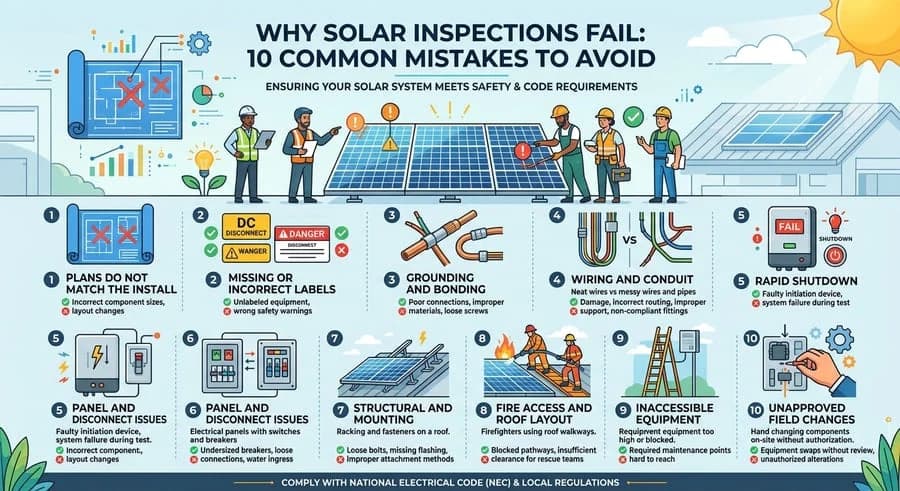
Why Solar Inspections Fail: 10 Common Mistakes to Avoid
Discover the 9 critical reasons solar inspections fail and how to avoid costly m...

Solar Grounding And Bonding: How To Pass Inspection Every Time
Learn how to pass solar grounding and bonding inspections every time. Avoid comm...
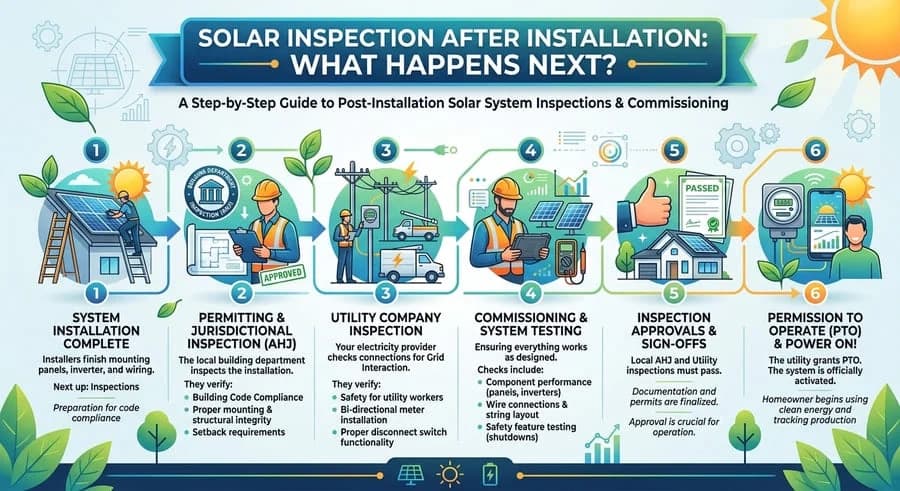
Solar Inspection After Installation: What Happens Next?
Learn how to pass your solar inspection by following essential tips for obtainin...