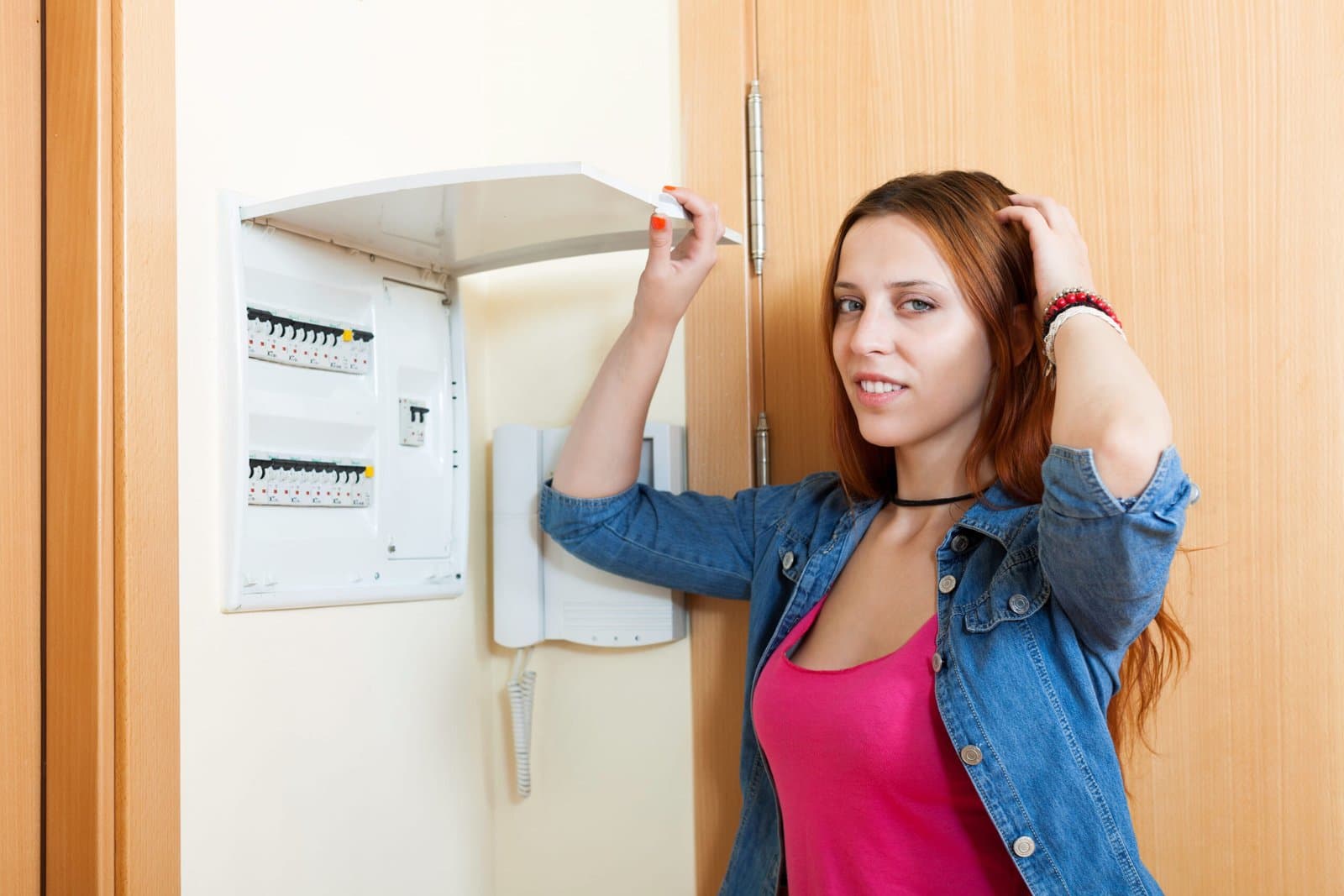
Does my electrical panel need an upgrade for solar panels? Most homes require an electrical panel upgrade when installing solar panels, especially if your current panel is rated at 100 amps or less, is over 25 years old, or is already operating near maximum capacity. Here’s what determines if you need an upgrade:
Key factors that require a panel upgrade:
Panel capacity: Homes with 100A panels almost always need upgrades; 150A panels may need upgrades depending on current load; 200A panels typically accommodate solar systems without upgrades
Panel age: Electrical panels older than 25-30 years lack modern safety features and capacity for solar integration
Current electrical load: If your existing appliances use 80% or more of your panel’s capacity, adding solar will overload the system
Solar system size: Systems larger than 10kW typically require panel upgrades even in newer homes
Local code requirements: Many jurisdictions mandate minimum 200A panels for solar installations
Typical upgrade costs and timeline: Electrical panel upgrades for solar installations range from $1,500 to $3,000 and take 1-2 days to complete. This investment protects against circuit overloads, breaker trips, and fire hazards while ensuring your solar system operates at peak efficiency.
Signs you definitely need an upgrade: Frequent breaker trips, flickering lights when appliances run, a Federal Pacific or Zinsco brand panel (fire hazards), or visible rust and corrosion on your current panel.

The Function of Your Home’s Main Electrical Panel
Think of it as your home’s electrical command center – similar to how your heart circulates blood throughout your body, your electrical panel (also known as a breaker box) directs electricity to every appliance in your home, from your refrigerator and microwave to your HVAC system.
How Much Power Do Your Appliances Actually Use?
The devices in your home have different power requirements and usage levels.
To illustrate, your refrigerator typically requires approximately 100-200 watts, while your microwave might use around 1000 watts.
The combined electrical demand of all your household appliances must stay within your panel’s capacity, which is typically measured in amps (such as 100A, 150A, or 200A). Understanding these electrical fundamentals is crucial when planning your solar installation.
Integrating Solar Energy Into Your Home’s Electrical Load
Imagine you’re planning to add a 400-watt solar panel system to your roof.
This installation produces electricity that flows into your electrical panel, adding to the power supplied by your utility company.
It’s an excellent strategy to reduce your electricity costs, correct? Definitely! However, there are additional considerations.
The supplemental power from your solar panels increases the demand on your electrical panel. According to the U.S. Department of Energy’s Solar Energy Technologies Office, proper electrical integration is essential for system performance and safety.
When your panel is already operating near its maximum capacity with your current appliances, the extra power from solar panels could exceed its threshold. This situation may result in circuit overloads and repeated breaker trips, creating both an inconvenience and a serious fire risk. Professional residential solar design services can help assess whether your current panel meets the requirements.
Why Your Electrical Panel’s Age Matters for Solar
When your home is dated and the panel hasn’t received updates recently, it may lack the capability to accommodate the additional power from solar panels.
Contemporary panels are engineered to manage higher electrical loads and include enhanced safety mechanisms, making them more appropriate for solar system integration. The National Electrical Code provisions for solar establish minimum standards for panel capacity and safety features.

Signs Your Electrical Panel Needs an Upgrade for Solar
Age of Your Existing Panel: When your home has been standing for many years and the electrical panel hasn’t received an upgrade recently, it may struggle to manage the extra load that solar panels would add. Contemporary electrical panels are built to accommodate greater electrical demands than their predecessors.
Your Current Panel’s Capacity: Electrical panels have specific amp ratings (typically 100A, 150A, or 200A for residential properties). When your panel is already operating close to its maximum with your present electrical consumption, installing solar panels could cause an overload. Proper solar interconnection methods, whether supply-side or load-side, depend on having adequate panel capacity.
Local Regulations and Utility Standards: Certain municipalities and power companies impose specific standards for electrical panels in solar-powered homes. These may include minimum amperage thresholds or particular safety specifications. Verify these requirements with your municipal building authority or power company. The NREL’s research on permitting and interconnection timelines provides valuable insights into varying local requirements.
Your Solar System’s Size: Bigger solar installations produce more power and may necessitate an electrical panel with greater capacity. Whether you’re considering commercial solar design or an off-grid solar system, panel capacity becomes even more critical.
Inverter Type: Your solar system’s inverter type may also determine whether a panel upgrade is needed. Certain inverters, like microinverters, may not demand as much panel capacity since they perform electricity conversion at each panel rather than channeling all power to the main panel simultaneously. Understanding three-line diagrams helps visualize how different inverter configurations affect your electrical system.
Keep in mind, each home presents unique circumstances. Your panel’s capacity, your home’s age, local regulations, and your planned solar system size all contribute to determining whether an upgrade is needed.
As an example, a 400-watt solar panel installation might not necessitate an upgrade in a newer home with a 200-amp panel, but could be required in an aging home with a 100-amp panel. Resources from SolSmart can help you understand local solar requirements and best practices.
When you’re contemplating the switch to solar energy, verifying that your electrical panel can accommodate the extra power is essential. Proper grounding and bonding practices also depend on having an adequately rated panel. Additionally, understanding wire management and conduit practices ensures safe integration with your upgraded panel.
Conclusion
Upgrading your main electrical panel for solar energy isn’t just a technical requirement, it’s an investment in the safety, efficiency, and longevity of your solar power system.
While the prospect of an electrical panel upgrade might seem like an unexpected expense, it’s crucial to view it as a foundational step that ensures your solar installation operates optimally for decades to come. According to the International Energy Agency’s Renewables 2024 report, proper electrical infrastructure is key to maximizing solar system performance and longevity.
A properly rated panel protects your home from electrical hazards, prevents system inefficiencies, and allows you to maximize the financial benefits of your solar investment. Poor connections can lead to serious issues, including DC connector fires in PV systems, making professional installation essential.
The decision to upgrade shouldn’t be taken lightly or handled without professional guidance. Every home’s electrical infrastructure is unique, with different age factors, capacity limitations, and local code requirements that must be carefully evaluated. What works for your neighbor’s solar installation may not be suitable for yours. The IEEE Power & Energy Society’s renewable energy resources provide technical standards that professionals follow during assessments.
Before moving forward with your solar project, take the time to have a qualified electrician or solar professional conduct a thorough assessment of your current electrical panel. This evaluation will provide clarity on whether an upgrade is necessary and help you avoid costly mistakes or safety hazards down the road. Contact our team for a comprehensive electrical assessment before starting your solar journey.
Remember, cutting corners on your electrical panel now could lead to reduced solar performance, frequent system shutdowns, or even dangerous electrical issues later. Understanding NEC 690.1 scope requirements helps ensure compliance with all safety standards. By ensuring your electrical infrastructure is solar-ready from the start, you’re setting yourself up for a seamless transition to clean energy and years of trouble-free operation.
The path to solar energy begins with a solid electrical foundation. Make sure your main electrical panel is ready to support your sustainable energy goals, and you’ll enjoy the full benefits of solar power with complete peace of mind. For those considering DIY solar installation, professional electrical work is one area where expert assistance is strongly recommended.
Learn more about our solar services and how we can help ensure your electrical system is properly prepared for solar integration. Additional insights are available through the World Bank’s energy initiatives and UNEP’s energy resources, which highlight global best practices in renewable energy infrastructure.
Solar Permit Solutions
Affordable Solar Permit Plans
Don't let permit costs slow your project. Professional plan sets at competitive prices — all 50 states, fast turnaround.
FAQs
What function does my home’s main electrical panel serve when switching to solar energy?
Your main electrical panel functions as your home’s electrical distribution center, channeling electricity throughout your home. Its capacity determines whether it can support the extra load from solar panels.
In what way does solar energy impact my electrical panel’s capacity?
Solar panels produce electricity that integrates with your electrical panel, supplementing the power from your utility provider. This additional load becomes problematic when your panel is already functioning near maximum capacity.
What dangers exist if I don’t upgrade an insufficient electrical panel before going solar?
When solar panels overload an already maxed-out panel, the result could be circuit overloads, constant breaker trips, and potentially dangerous fire hazards. Proper structural load considerations should also be addressed during planning.
What action should I take if I’m uncertain about my electrical panel’s solar compatibility?
Consulting with a qualified solar energy professional is recommended to evaluate whether your existing electrical panel is sufficient or needs upgrading. Visit our website or check our blog for more educational resources on solar installation requirements.
Making the transition to solar energy should be a straightforward and beneficial experience. Working with experienced professionals who can properly assess your electrical system will help ensure your solar journey is both safe and successful.
Affordable Solar Permit Plans
Don't let permit costs slow your project. Professional plan sets at competitive prices — all 50 states, fast turnaround.
Frequently Asked Questions
Your main electrical panel functions as your home's electrical distribution center, channeling electricity throughout your home. Its capacity determines whether it can support the extra load from solar panels.
Solar panels produce electricity that integrates with your electrical panel, supplementing the power from your utility provider. This additional load becomes problematic when your panel is already functioning near maximum capacity.
Evaluate your panel's age, its amperage rating, local building regulations, utility specifications, your planned solar system size, and your inverter type. When your panel is outdated or operating near capacity, an upgrade is likely needed.
When solar panels overload an already maxed-out panel, the result could be circuit overloads, constant breaker trips, and potentially dangerous fire hazards.
Yes, larger solar installations generate more power and often require electrical panels with higher capacity ratings.
Consulting with a qualified solar energy professional is recommended to evaluate whether your existing electrical panel is sufficient or needs upgrading.

SPS Editorial Team
Solar Permit Solutions
Solar Permit Solutions provides professional solar permit design services for residential, commercial, and off-grid installations across all 50 states. Our team ensures permit-ready plan sets delivered fast.
Related Articles
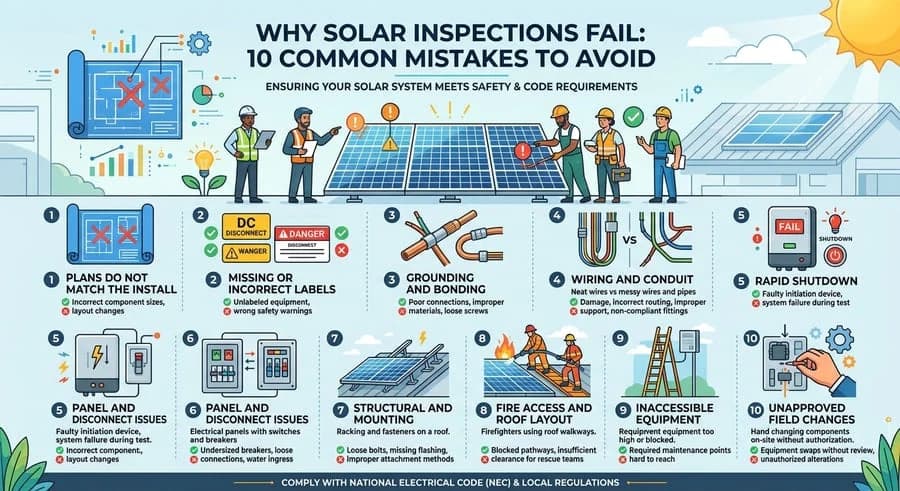
Why Solar Inspections Fail: 10 Common Mistakes to Avoid
Discover the 9 critical reasons solar inspections fail and how to avoid costly m...
Solar Grounding And Bonding: How To Pass Inspection Every Time
Learn how to pass solar grounding and bonding inspections every time. Avoid comm...
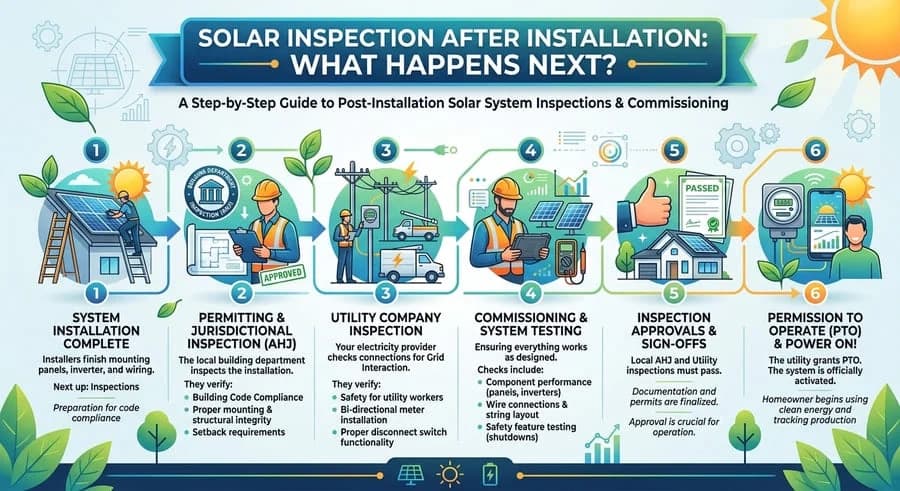
Solar Inspection After Installation: What Happens Next?
Learn how to pass your solar inspection by following essential tips for obtainin...