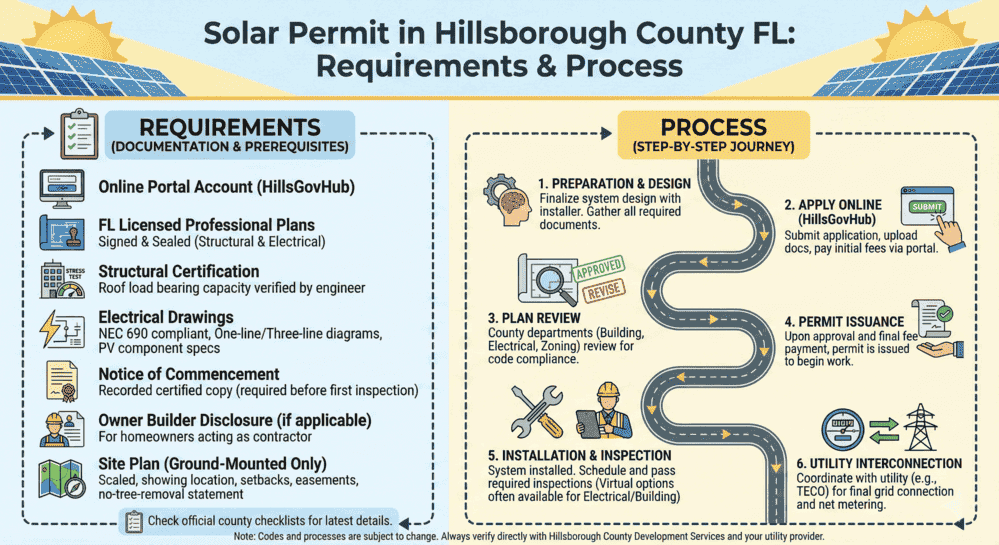
Hillsborough County solar permits require either an Electrical Trade permit for roof-mounted systems or a Residential Miscellaneous permit for ground-mounted installations, both applied through the HillsGovHub online portal. All applications must include Florida-licensed engineer sealed plans demonstrating structural capacity, Florida Building Code compliance (sections R324.4.1.1 for roof loads, 324.4.1.2 for wind loads), and NEC Article 690 electrical compliance. Ground-mounted systems face additional requirements including site plans with setback dimensions, tree preservation certification, and for Special Flood Hazard Areas, geotechnical reports and ASCE 24-14 compliance. Complete applications with all required documentation streamline the review process and minimize revision cycles.
Installing solar panels in Hillsborough County, Florida, requires careful attention to permitting requirements, building codes, and inspection protocols. This comprehensive guide breaks down everything homeowners, solar installers, and contractors need to know about obtaining residential solar photovoltaic system permits in Hillsborough County.
Understanding Hillsborough County Solar Permit Types
Hillsborough County distinguishes between two primary solar installation permit types based on mounting configuration:
Roof-Mounted Solar Systems require an Electrical Trade permit, which focuses primarily on electrical safety and code compliance. These installations integrate panels directly onto existing roof structures and must demonstrate compliance with structural load requirements, electrical codes, and fire safety regulations.
Ground-Mounted Solar Systems require a Residential Miscellaneous permit, which involves more extensive review including site plan approval, setback compliance, and environmental considerations. Ground installations face additional scrutiny regarding property boundaries, tree preservation, and flood hazard areas.
Both permit types must be applied for through the HillsGovHub online portal, Hillsborough County’s digital permitting platform that streamlines the application and review process.
Professional Engineering Requirements
All residential solar installations in Hillsborough County demand professional engineering oversight. Design professionals licensed in the State of Florida must provide digitally signed and sealed plans demonstrating that:
The existing building structure can support additional dead and live loads imposed by solar equipment without exceeding maximum design thresholds. This structural certification proves critical, especially for older homes or those with compromised roof structures.
Solar array designs comply with current Florida Building Code requirements, including specific provisions for roof loads (FBC R324.4.1.1), wind loads (FBC 324.4.1.2), roof access pathways (FBC 324.6 & 324.6.1), and required setbacks (FBC 324.6.2).
Electrical systems meet National Electrical Code Article 690 standards, which govern solar photovoltaic system design, installation, and safety. Alternatively, installers can provide FSEC certification (Florida Statute 377.705) demonstrating equivalent compliance.
Essential Plan Review Documentation
Hillsborough County requires comprehensive documentation packages that vary based on installation type. Understanding these requirements upfront prevents costly delays and revision requests.
Electrical Design Drawings
One-line or three-line electrical diagrams must show all major field-installed electrical components with precise specifications:
- Wire identification and sizing for all conductors
- Grounding systems including equipment grounding conductor sizing
- Grounding electrode systems and grounding electrode conductors
- Interconnection methods complying with NEC 705.12 standards
Solar Array Specifications
Complete array documentation must detail:
- Physical layout showing required setbacks per FBC 324.4 through 324.6
- Number of panels in series configuration
- Number of parallel source circuits
- Total panel count and aggregate system capacity
- Operating voltage and current under standard conditions
- Maximum system voltage for safety planning
- Short-circuit current ratings for overcurrent protection sizing
Major Component Information
Plans must include detailed specifications for:
Charge controllers – When applicable for battery-based systems
Inverter systems – Make, model, efficiency ratings, and capacity
Solar modules – Manufacturer specifications, wattage ratings, and certifications
Battery storage systems – If included, with capacity and safety certifications
Ground-Mounted System Site Plan Requirements
Ground installations face significantly more stringent site planning requirements due to their interaction with property boundaries, environmental features, and community aesthetics.
Required Site Plan Elements
Site plans drawn to scale must illustrate:
Property boundaries with precise lot dimensions establishing legal property limits and ensuring compliance with setback regulations.
Existing structures showing all buildings, improvements, and permanent fixtures on the parcel to demonstrate spatial relationships and access requirements.
Setback dimensions from proposed solar arrays to front, side, and rear property boundary lines, with measurements clearly indicated.
Easements and environmental areas including recorded easements, conservation areas, wetlands, and required buffer zones that may restrict placement.
Tree Preservation Requirements
Hillsborough County enforces strict tree preservation standards that directly impact ground-mounted solar placement:
Site plans must certify that no trees will be removed for solar installation unless specifically exempted. Any tree measuring 12 inches or greater in trunk diameter (measured 4.5 feet above ground) requires a separate tree removal permit.
All trees slated for removal must be documented in HillsGovHub’s tree removal module, specifying species type, location coordinates, quantity, and trunk diameter measurements.
Trees within environmentally sensitive areas face additional protection regardless of size, with exemptions only for species defined in Land Development Code Article 12.01.
Zoning and Setback Compliance
Ground-mounted solar panels cannot project into required front yards except on residential lots with two front yards. In such configurations, panels may project five feet into the front yard functioning as a side or rear yard.
Residential zoning districts and residential portions of Planned Developments (PDs) limit ground-mounted installations to a maximum height of 14 feet. Systems must maintain minimum rear and side yard principal structure setbacks, with special provisions for districts where setbacks exceed 15 feet—in these instances, a minimum 15-foot setback applies.
Solar Permit Solutions
Skip the Permit Headaches
We design plan sets that pass inspection the first time. Code-compliant, PE-stamped, accepted by AHJs nationwide.
Special Design Considerations for Mobile and Manufactured Homes
Mobile and manufactured homes present unique structural challenges requiring specialized engineering analysis. Engineers must certify that both the home’s structure and mounting system satisfy necessary design criteria under Florida wind and load requirements.
Critical restriction: Exterior walls of mobile or manufactured homes cannot have equipment or panels directly attached. All solar installations must use roof-mounting systems specifically designed for manufactured housing or ground-mounted configurations.
Wind-Borne Debris Region Requirements
Properties located within designated Wind-borne Debris Regions face enhanced design standards addressing hurricane-force wind impacts. These areas, primarily along coastal zones and high-wind exposure areas, require:
Impact-resistant materials and fastening systems capable of withstanding projectile impacts during severe weather events. Solar mounting systems must meet enhanced wind load calculations accounting for debris impact scenarios.
Additional structural engineering demonstrating panel and mounting system integrity under extreme wind conditions, often requiring wind tunnel testing data or enhanced calculation methodologies.
Special Flood Hazard Area (SFHA) Compliance for Ground Systems
Ground-mounted solar installations within Special Flood Hazard Areas trigger comprehensive flood resilience requirements:
Coastal High Hazard Areas (Zone V) and Coastal A Zones
Properties in these high-risk flood zones may require geotechnical reports analyzing soil conditions, especially in areas with:
- Muck soils or highly organic suspect soils
- Known erosion or scour patterns
- Settlement issues affecting foundation stability
Geotechnical analysis ensures foundation systems can maintain stability under flood flow conditions and wave action impacts.
Multi-Code Compliance Framework
SFHA installations must simultaneously comply with:
- Hillsborough County Construction Code requirements
- Hillsborough County Land Development Code provisions
- ASCE 24-14 Flood Resistant Design standards
- Florida Building Code flood provisions
- National Flood Insurance Program (NFIP) regulations
When conflicts arise between codes, the most restrictive requirement applies, ensuring maximum flood resilience.

Complete Solar Permitting Checklist for Hillsborough County
Use this comprehensive checklist to ensure your permit application package is complete before submission. Having all required documents ready minimizes correction cycles and expedites the approval process.
✓ Application Documents
☐ Complete Permit Application
- Apply online through HillsGovHub portal
- Select Electrical Trade permit (roof-mounted) or Residential Miscellaneous permit (ground-mounted)
- Include accurate total job valuation with supporting cost estimate
- Report complete system square footage and capacity
☐ Contractor Documentation
- Current Florida EC (Electrical Contractor) or ER (Electrical Residential) license
- Active license verification with current standing
- Subcontractor applications if applicable
- Verify all contractor insurance and bonding requirements are current
☐ Owner-Builder Disclosure (if applicable)
- Completed Owner Builder Disclosure Statement for homeowners acting as their own contractor
- Acknowledgment of code compliance responsibilities
- Understanding of liability and workers’ compensation implications
✓ Engineering and Design Plans
☐ Sealed Structural Plans (2 complete sets)
- Digitally signed and sealed by Florida-licensed design professional
- Structural certification that building can support additional solar loads
- Roof load compliance documentation (FBC R324.4.1.1)
- Wind load calculations and compliance (FBC 324.4.1.2)
- Roof access pathways design (FBC 324.6 & 324.6.1)
- Required setback specifications (FBC 324.6.2)
☐ Electrical Drawings (2 complete sets)
- Signed and sealed by Florida-licensed electrical engineer OR FSEC certification (FS 377.705)
- Complete system design per NEC Article 690
- One-line or three-line electrical diagrams showing:
- All major field-installed electrical components
- Wire identification and sizing for all conductors
- Equipment grounding conductor sizing
- Grounding electrode system and grounding electrode conductors
- Interconnection method complying with NEC 705.12
☐ Solar Array Specifications
- Physical array layout with required setbacks per FBC 324.4-324.6
- Number of panels in series configuration
- Number of parallel source circuits
- Total panel count
- Operating voltage and current
- Maximum system voltage
- Short-circuit current ratings
☐ Major Equipment Specifications
- Inverter make, model, and specifications
- Solar module manufacturer specifications and certifications
- Battery storage system details (if applicable)
- Charge controller information (if applicable)
☐ Product Approvals
- Florida Product Approval (NOA – Notice of Acceptance) for all major components
- FSEC certification for solar equipment
- Manufacturer specifications with UL listings
- Wind resistance ratings for mounting hardware
✓ Site-Specific Documentation
☐ Site Plan (Ground-Mounted Systems Only)
- Scale drawing showing:
- Location of proposed solar array
- All existing structures on the parcel
- Property boundaries with lot dimensions
- Front, side, and rear yard setback dimensions to property lines
- All recorded easements
- Conservation and wetlands areas with required buffers
☐ Tree Preservation Certification
- Statement certifying no tree removal or listing trees to be removed
- Documentation of all trees 12″ or greater in trunk diameter (measured 4.5′ above ground)
- Separate tree removal permit application in HillsGovHub if applicable
- Species identification, location coordinates, and trunk diameter for removal trees
- Exemption documentation for species per Land Development Code Article 12.01
☐ Existing Electrical Service Documentation
- Photographs of existing service disconnect
- Main breaker and buss bar photos showing ratings
- Manufacturer label images
- Service and feeder conductor photos
- Riser configuration documentation
✓ Legal and Administrative Documents
☐ Notice of Commencement
- Recorded certified copy per Florida Statute 713.13
- Required before first inspection
- Establishes project timeline and lien rights protection
☐ Private Provider Documentation (if applicable)
- All required documents per Private Provider Instructions
- Third-party plan review approval documentation
- Private provider certification of code compliance
✓ Special Condition Documents
☐ Mobile/Manufactured Home Certification (if applicable)
- Engineer’s letter certifying structural analysis
- Mounting system design certification
- Confirmation that exterior walls will not have equipment attached
☐ Wind-Borne Debris Region Documentation (if applicable)
- Enhanced wind load calculations
- Impact-resistant materials specifications
- Debris impact testing data or engineering analysis
☐ Special Flood Hazard Area Documentation (if applicable for ground systems)
- Geotechnical report for Coastal High Hazard Areas (Zone V) and Coastal A Zones
- Soil analysis for muck soils, organic soils, erosion/scour areas
- ASCE 24-14 flood compliance documentation
- Flood elevation certificates
- Foundation design for flood conditions
☐ Community Planning Documentation (if applicable)
- Homeowners association approval (if required)
- Community design review approval
- Architectural compliance certifications
✓ Inspection Preparation
☐ Virtual Inspection Materials (for rough-in)
- Virtual inspection request form completed
- Photos of all materials (installed and on-ground)
- Installation methodology documentation
- Safety measure verification
☐ Special Inspector Forms
- Two copies of Special Inspector forms for tiedown verification
- Inspector certification and licensing documentation
Pre-Submission Verification
Before submitting your permit application, verify:
- [ ] All documents are digitally signed where required
- [ ] All engineering seals are clearly visible and current
- [ ] All measurements and dimensions are clearly labeled
- [ ] Contractor licenses are current and properly documented
- [ ] Job valuation matches cost estimates
- [ ] All required photographs are clear and labeled
- [ ] Site plans are drawn to scale with legend
- [ ] All checklists are completed and included
Common Reasons for Application Rejection
Avoid these frequent mistakes that cause delays:
Incomplete tree inventory – Ground-mounted systems without tree preservation documentation
Incomplete structural certification – Missing engineer’s seal or inadequate load analysis
Insufficient electrical diagrams – One-line drawings lacking wire sizing or grounding details
Missing setback dimensions – Ground-mounted plans without clear property line measurements
Inadequate flood zone documentation – SFHA applications without geotechnical reports
Expired contractor licenses – Outdated EC/ER license verification
Missing product approvals – Equipment without Florida NOA certification
Pre-Permit Documentation Requirements
Before scheduling the first inspection, applicants must complete specific legal and administrative requirements:
Notice of Commencement
A recorded certified copy of the Notice of Commencement filed per Florida Statute 713.13 must be submitted. This legal document establishes the project timeline and protects contractors’ lien rights while informing potential lien claimants of the construction activity.
Owner-Builder Disclosure
Homeowners acting as their own contractor must complete an Owner Builder Disclosure Statement acknowledging:
- Personal responsibility for code compliance
- Understanding of construction standards and safety requirements
- Assumption of liability for construction defects
- Workers’ compensation exemption implications
Private Provider Documentation
Applicants using private provider services must submit all required documents per Private Provider Instructions, ensuring third-party plan review meets county acceptance standards.
Contractor Licensing
Applicants holding Florida EC (Electrical Contractor) or ER (Electrical Residential) licenses may directly apply for residential photovoltaic system permits without additional general contractor involvement.
Inspection Requirements and Virtual Options
Hillsborough County offers flexible inspection protocols accommodating various project schedules while maintaining rigorous safety verification.
Rough-In Inspection
The rough-in inspection can be performed according to guidelines for Virtual Inspections, providing flexibility for installers and inspectors alike. This inspection must be scheduled for the day rough-in activities begin, allowing inspectors to audit all materials whether installed or still on the ground.
Virtual inspection protocols enable remote verification of:
- Material specifications and certifications
- Installation methodology and workmanship
- Code compliance at critical installation stages
- Safety measures and grounding implementations
Final Inspection
Final inspections verify complete installation compliance, including:
- Electrical connections and grounding integrity
- Array mounting security and weather resistance
- Labeling and identification completeness
- Operational testing and commissioning verification
Community Planning and Aesthetic Requirements
Properties located within Community Planned areas may face additional design review requirements governing solar installation aesthetics, visibility, and community character preservation.
These overlay districts often impose:
- Panel placement restrictions maintaining architectural harmony
- Color and finish requirements minimizing visual impact
- Screening or landscaping requirements for ground installations
- Homeowners association approval processes supplementing county permits

Application Process Through HillsGovHub
Hillsborough County’s HillsGovHub portal streamlines solar permit applications through a fully digital workflow:
- Account Creation – Establish user credentials for permit tracking and communication
- Permit Selection – Choose appropriate permit type (Electrical Trade or Residential Miscellaneous)
- Document Upload – Submit all required sealed plans, engineering certifications, and supporting documentation
- Plan Review – County staff review submissions for code compliance
- Revisions – Address any deficiencies or questions through the portal
- Permit Issuance – Receive approved permits electronically
- Inspection Scheduling – Request inspections through the portal as work progresses
Common Permit Application Mistakes to Avoid
Understanding frequent application errors helps ensure first-time approval:
Incomplete structural analysis – Failing to provide adequate engineering certification that existing structures can support additional solar loads results in automatic rejection.
Missing setback documentation – Ground-mounted applications without clearly dimensioned setbacks to all property lines face immediate revision requests.
Inadequate electrical diagrams – One-line drawings missing wire sizing, grounding details, or interconnection methods cannot proceed to approval.
Flood zone oversights – Applications in SFHA areas without required geotechnical analysis or flood compliance documentation face significant delays.
Tree inventory omissions – Ground-mounted site plans lacking required tree preservation certifications or removal permit applications stall in review.
Professional Engineering Selection
Choosing qualified design professionals dramatically impacts permit approval speed and project success:
Look for engineers licensed in Florida with specific solar PV design experience. General structural or electrical engineers may lack familiarity with solar-specific code requirements, leading to revision cycles.
Verify engineers maintain current knowledge of Florida Building Code amendments and NEC Article 690 updates, as outdated design approaches trigger plan review rejections.
Request examples of previous Hillsborough County solar permit approvals demonstrating familiarity with local requirements and review processes.
Permit Review and Approval Timeline
Processing times vary based on application completeness, review complexity, and current department workload. To obtain current processing time estimates, contact the Hillsborough County Building Department directly at permitting@hcfl.gov or through the HillsGovHub portal.
Submitting complete applications with all required documentation and proper engineering seals significantly reduces review time and minimizes revision cycles. Understanding how long solar permitting takes in Florida helps set realistic project expectations.
Factors affecting review timeline:
- Application completeness and accuracy
- Engineering documentation quality
- Current department workload
- Complexity of installation (ground-mount vs. roof-mount)
- Special conditions (SFHA, wind-borne debris regions, etc.)
Cost Considerations
Hillsborough County solar permit fees vary based on system size, installation type, and valuation. Contact the Building Department for current fee schedules as costs may be updated periodically.
Typical cost categories:
- Electrical Trade permits for roof-mounted systems
- Residential Miscellaneous permits for ground installations
- Private provider plan review fees (if applicable)
- Tree removal permit fees (if applicable)
- Special inspection fees (if required)
For accurate, current fee information, contact permitting@hcfl.gov or check the HillsGovHub portal during application.
Utility Interconnection Requirements
Beyond county permitting, solar installations must complete utility interconnection with Florida Power & Light (FPL) for most Hillsborough County properties:
FPL Net Metering Application
Systems must receive pre-approval from FPL before installation begins. The interconnection process varies by system size:
Tier 1 (≤10 kW) – No application fee, simplified process
Tier 2 (>10 kW to ≤100 kW) – $400 application fee, insurance requirements
Tier 3 (>100 kW to ≤2 MW) – Higher fees, additional technical review
Required FPL Documentation
- Completed interconnection application
- Signed interconnection agreement
- Approved building permit (final or completed)
- Electrical and mechanical inspection sign-off
- Proof of liability insurance (Tier 2 and 3 systems)
- One-line electrical diagram
After county final inspection approval, FPL installs a bi-directional meter enabling net metering benefits and Permission to Operate (PTO).
Safety and Code Compliance Requirements
Hillsborough County enforces strict safety standards aligned with current electrical codes:
Rapid Shutdown Requirements
NEC 690.12 rapid shutdown provisions require module-level shutdown capability for rooftop installations, reducing DC voltage within 30 seconds of activation.
Arc-Fault Protection
Systems must include arc-fault circuit protection per NEC 690.11, typically integrated into modern inverters meeting UL 1741 standards.
Ground-Fault Protection
Ground-fault detection and interruption systems protect against electrical hazards and fire risks in DC circuits.
Getting Professional Permit Help
Solar Permit Solutions specializes in Hillsborough County solar permitting, providing comprehensive permit design and processing services that ensure first-time approval:
Our Florida-licensed engineers understand exact Hillsborough County requirements, preparing compliant permit packages that satisfy all building, electrical, and site planning standards.
We handle complete HillsGovHub application processing, document uploads, plan review responses, and inspection coordination, allowing installers to focus on construction rather than paperwork.
County-specific expertise in SFHA compliance, wind-borne debris region requirements, and community planning overlays ensures even complex projects navigate approval smoothly.
Whether you’re a homeowner planning a DIY installation, a contractor managing multiple projects, or a solar company expanding into Florida markets, our professional solar permit services streamline the approval process and eliminate costly delays.
Contact and Additional Resources
For direct Hillsborough County permitting assistance:
Email: permitting@hcfl.gov
Portal: HillsGovHub
Location: 601 E. Kennedy Blvd., Tampa, FL 33602
Phone: Contact through the HillsGovHub portal for current department contact information
For professional solar permit design and processing services streamlining your Hillsborough County projects, Solar Permit Solutions delivers complete permit packages engineered for approval. Contact us at (720) 703-9628 or visit our website to submit your project details.
Understanding Florida’s solar permit requirements and Hillsborough County’s specific processes ensures your solar installation proceeds smoothly from application through final inspection and utility interconnection.
Conclusion
Obtaining a solar permit in Hillsborough County requires careful attention to documentation, engineering requirements, and code compliance, but understanding the process makes approval straightforward. Whether you’re installing a roof-mounted residential system requiring an Electrical Trade permit or a ground-mounted array needing a Residential Miscellaneous permit, the HillsGovHub online portal provides a centralized platform for application submission and tracking.
Success hinges on three critical factors: complete engineering documentation with proper Florida-licensed professional seals, comprehensive permit packages addressing all FBC and NEC requirements, and attention to special conditions like flood zones, wind-borne debris regions, and tree preservation standards. Ground-mounted installations face additional scrutiny through site plan requirements, setback compliance, and environmental considerations that roof-mounted systems typically avoid.
The investment in thorough preparation pays dividends through faster approval, fewer revision cycles, and smoother inspection processes. Incomplete applications or missing documentation trigger delays that extend project timelines and increase costs. Conversely, well-prepared permit packages demonstrating clear compliance with Florida Building Code sections R324.4.1.1 through 324.6.2 and NEC Article 690 standards move efficiently through county review.
For homeowners, contractors, and solar companies unfamiliar with Hillsborough County’s specific requirements, professional permit design services eliminate guesswork and ensure first-submission approval. The complexity of coordinating structural certifications, electrical diagrams, product approvals, and special condition documentation makes expert assistance valuable for maintaining project momentum.
Beyond county permitting, remember that FPL interconnection approval and Permission to Operate represent separate but equally critical milestones. Coordinating these processes—county permits, utility agreements, and final inspections—determines your solar system’s path from planning to power production.
Contact Hillsborough County’s Building Department at permitting@hcfl.gov for current processing times, fee schedules, and jurisdiction-specific questions. For comprehensive permit design services handling the entire application process from engineering stamps to final approval, Solar Permit Solutions provides expert support for Hillsborough County solar projects.
Frequently Asked Questions (FAQs)
Skip the Permit Headaches
We design plan sets that pass inspection the first time. Code-compliant, PE-stamped, accepted by AHJs nationwide.
Frequently Asked Questions
Yes, all solar panel installations in Hillsborough County require permits regardless of system size. Roof-mounted systems need an Electrical Trade permit, while ground-mounted installations require a Residential Miscellaneous permit. Both permit types must be obtained through the HillsGovHub online portal before beginning any installation work. The permit ensures your solar system complies with Florida Building Code structural requirements, NEC Article 690 electrical standards, and local safety regulations. Operating a solar system without proper permits can result in fines, forced system removal, and complications with utility interconnection and insurance coverage.
Solar permit costs in Hillsborough County vary based on system size, installation type, and project valuation. Electrical Trade permits for typical roof-mounted residential systems generally range from $300-$600, while Residential Miscellaneous permits for ground-mounted installations typically cost $500-$1,200 due to additional site plan review requirements. Exact fees depend on your specific system capacity and any special conditions like flood zone compliance or tree removal permits. For current, accurate fee schedules, contact the Hillsborough County Building Department at permitting@hcfl.gov or check the HillsGovHub portal when starting your application. Additional costs may include private provider plan review fees if you choose third-party review services.
Hillsborough County requires comprehensive documentation for solar permits including digitally signed and sealed engineering plans from a Florida-licensed professional, electrical one-line diagrams showing all system components and NEC 690 compliance, structural calculations proving roof or ground load capacity, Florida Product Approval (NOA) certifications for all major equipment, and site plans with setback dimensions for ground-mounted systems. You'll also need a recorded Notice of Commencement per Florida Statute 713.13, contractor license verification, and photographs of existing electrical service equipment. Ground-mounted installations additionally require tree preservation certifications and may need geotechnical reports if located in Special Flood Hazard Areas. The complete checklist above provides detailed requirements for both roof and ground-mounted systems.
Solar permit approval times in Hillsborough County vary based on application completeness, system complexity, and current department workload. Complete applications with all required engineering documentation, proper seals, and accurate technical specifications process faster than incomplete submissions requiring revisions. Ground-mounted systems typically require longer review periods than roof-mounted installations due to additional site plan, setback, and environmental considerations. For current processing time estimates specific to your project type, contact the Hillsborough County Building Department directly at permitting@hcfl.gov or inquire through the HillsGovHub portal. Submitting thorough, code-compliant documentation on the first submission significantly reduces overall timeline compared to applications requiring multiple revision cycles. Understanding typical solar permitting timelines helps set realistic expectations.
Homeowners in Hillsborough County can install solar panels themselves as owner-builders, but must complete an Owner Builder Disclosure Statement acknowledging responsibility for code compliance, safety, and liability. However, even DIY installations require the same professional engineering documentation as contractor-led projects—you still need Florida-licensed engineer sealed plans for structural and electrical systems. Additionally, applicants with Florida EC (Electrical Contractor) or ER (Electrical Residential) licenses may apply directly for residential photovoltaic system permits. DIY solar installations must meet identical NEC Article 690 electrical standards, Florida Building Code requirements, and safety regulations as professional installations. You'll also need to coordinate FPL interconnection approval and pass all county inspections. Many homeowners choose to hire licensed contractors or professional permit design services to ensure code compliance and avoid costly mistakes.

SPS Editorial Team
Solar Permit Solutions
Solar Permit Solutions provides professional solar permit design services for residential, commercial, and off-grid installations across all 50 states. Our team ensures permit-ready plan sets delivered fast.
Related Articles
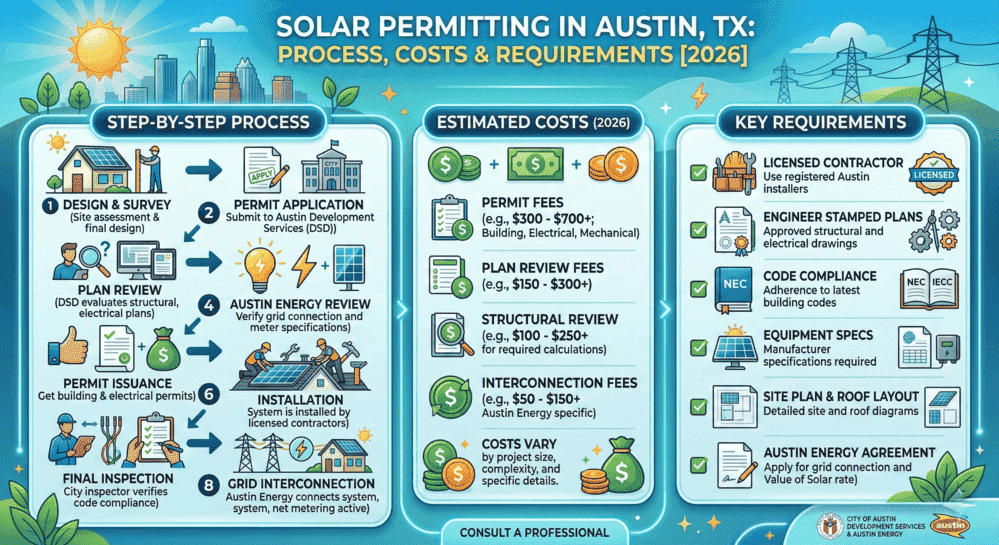
Solar Permit Services in Austin, TX
Solar permits in Austin center on an Auxiliary Power Electrical Permit for any s...
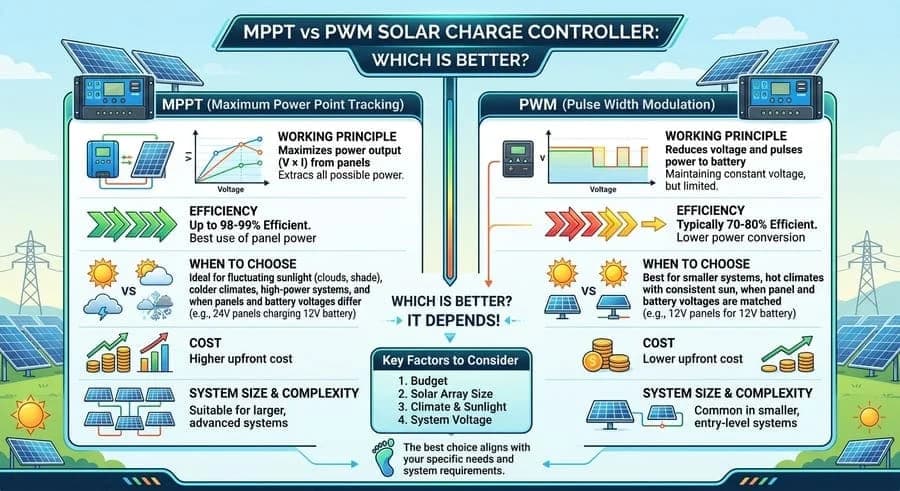
MPPT vs PWM Solar Charge Controller: Which Is Better?
Compare MPPT vs PWM solar charge controllers. Discover efficiency rates, cost di...
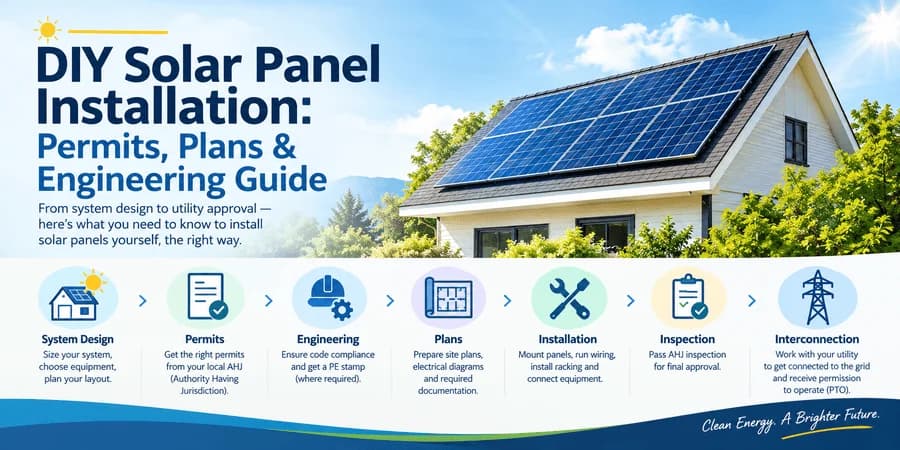
DIY Solar Panel Installation: Permits, Plans & Engineering Guide
Yes, you can install solar panels yourself in most U.S. jurisdictions. DIY solar...